
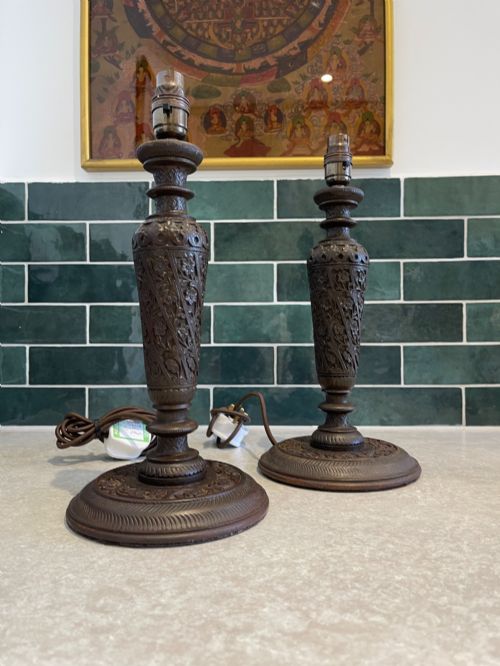
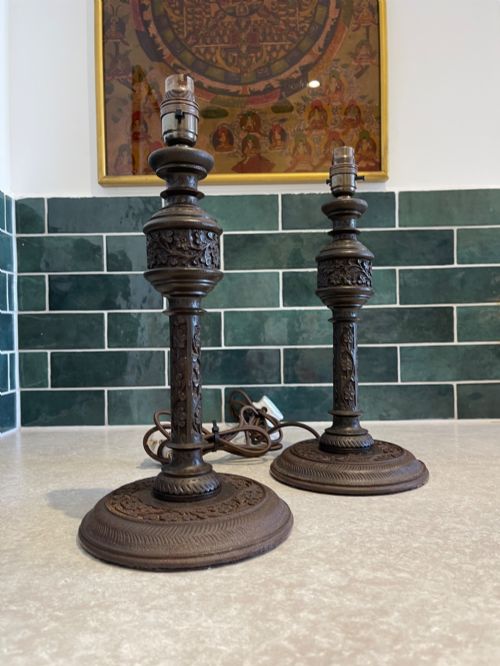


Oriental Carved Wooden Lamp
An oriental carved wooden lamp brings rich hand-carved detail and dense hardwood character into a room.
Oriental Carved Wooden Lamp
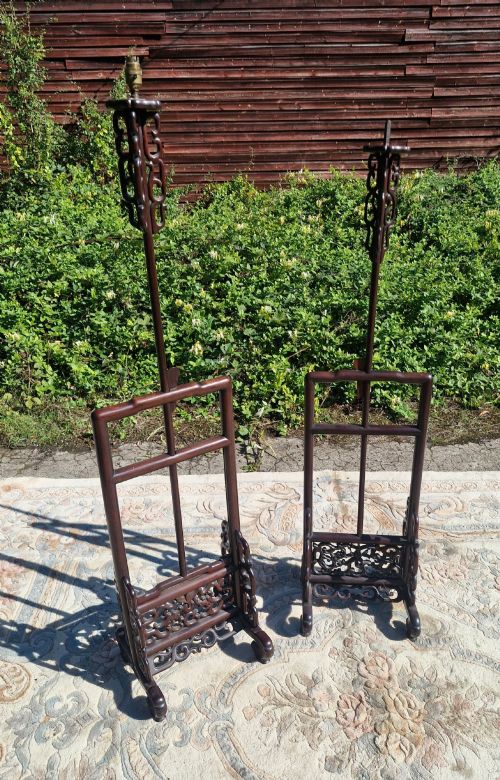
When searching for an oriental carved wooden lamp, you encounter table lamps, floor lamps, and standard lamps fashioned from solid timbers.
The selections span the nineteenth century, nineteen hundred, and nineteen twenty, featuring styles such as Chinese export, Japanese Meiji, Anglo-Indian, and Moorish revival.
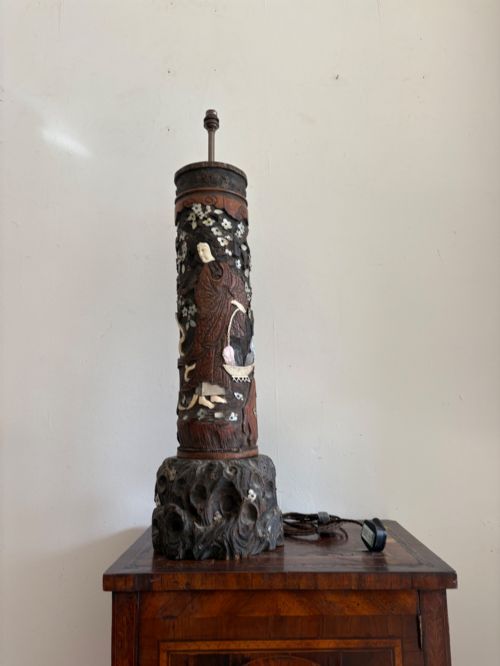
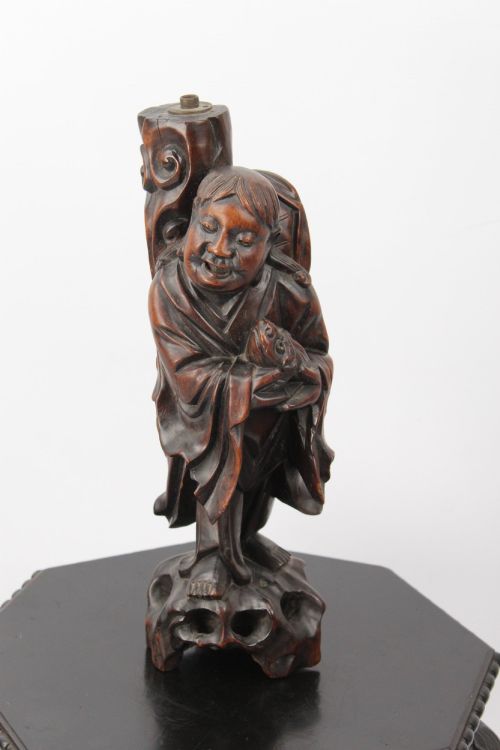
Many items begin life as root wood carvings, brush pots, or vase stands before later conversion into lighting.
How they were made
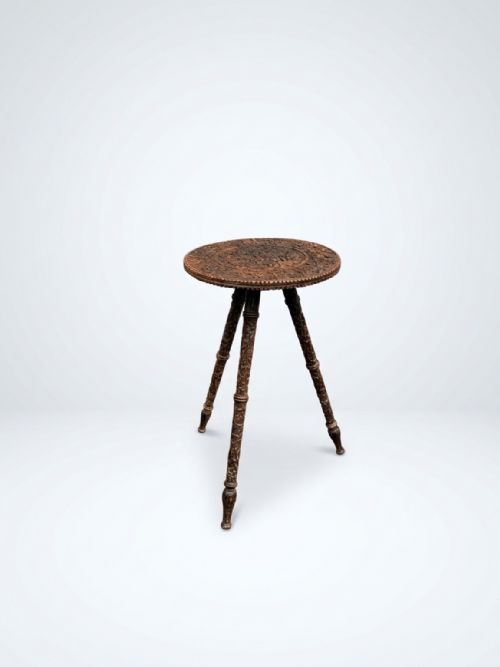
Craftsmen utilise dense timbers including hardwood, teak, padauk, and elm, often carved with deep relief floral motifs, dragons, or geometric patterns.
Makers combine carved wood with brass mounts, marble inserts, or porcelain elements like Famille Verte and Celadon vases.
Wiring and electrical fittings are frequently added during later conversions of earlier vessels and stands.
Listings feature items from the nineteenth century up to nineteen twenty, utilising teak, padauk, hardwood, porcelain, and marble.
What varies in quality
Quality rests in the depth and crispness of the hand carving, particularly on root wood, dragons, and intricate panels.
The choice of material dictates the tier, with dense padauk and heavy hardwoods holding greater substance than softer utility timbers.
Proportion and the integrity of the original form, whether a standard lamp or a converted vase stand, define the standing of the piece.
The Oriental Carved Wooden Lamp Glossary
- Padauk
- A heavy, durable tropical hardwood prized for its deep reddish-brown colour and fine finish.
- Meiji Period
- A Japanese historical era spanning from eighteen sixty-eight to nineteen twelve noted for fine craftsmanship.
- Torchiere
- A tall standing lamp designed to direct light upwards.
- Famille Verte
- A Chinese porcelain palette dominated by green enamels, frequently seen on converted lamp bases.
- Root Wood
- Natural gnarled timber root sculpted by artisans into organic furniture and lamp bases.
Oriental Carved Wooden Lamp: Frequently Asked Questions
Are these lamps converted from older objects?
Many lighting pieces originate from nineteenth-century vases, ginger jars, brush pots, or plant stands that received electrical fittings later in life.
This adaptive history means ceramic bodies and carved wooden stands frequently date earlier than the twentieth-century wiring inside them.
What timbers do these lamps use?
The selection relies heavily on dense exotic timbers such as padauk, teak, elm, and general hardwood.
Carvers also utilise gnarled root wood to create organic textures across standard lamps and table bases.
How do I identify the period?
Dating relies on stylistic markers from the Victorian era, the Meiji period, and nineteen-hundred production methods.
Hand-carved details, regional motifs, and material ageing help distinguish nineteenth-century examples from later nineteen-twenty pieces.
Where do these styles originate?
The designs reflect diverse regional aesthetics including Chinese export, Anglo-Indian, Japanese, Kashmiri, and Moorish revival traditions.
Each region applies distinct carving techniques and decorative themes, from dragons to geometric latticework.