



Oriental Carved Vase
These pieces known as an oriental carved vase bring substantial presence to a room through intricate craftsmanship and lasting materials.
Oriental Carved Vase
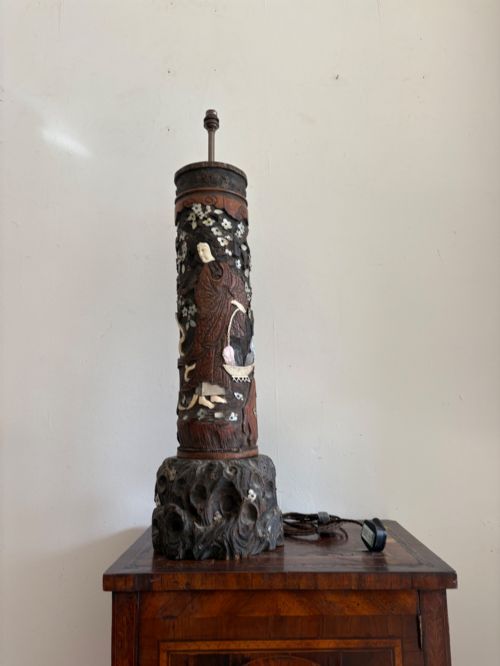
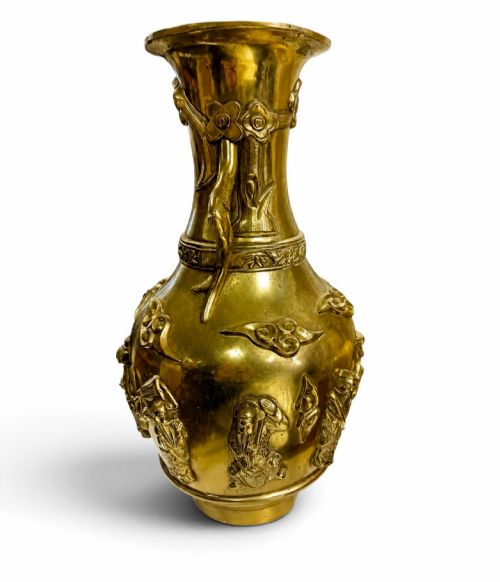
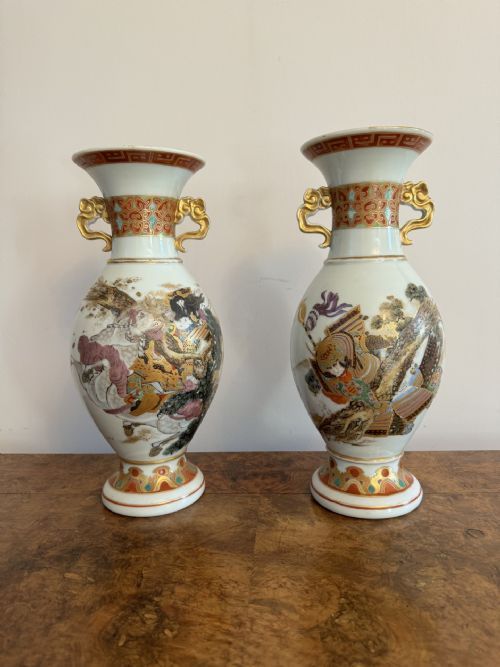
When you search for an oriental carved vase, you encounter a variety of forms spanning the nineteenth and early twentieth centuries. These pieces originate primarily from Chinese and Japanese traditions, taking the shape of baluster urns, vessel forms, and vessels adapted into table lamps.
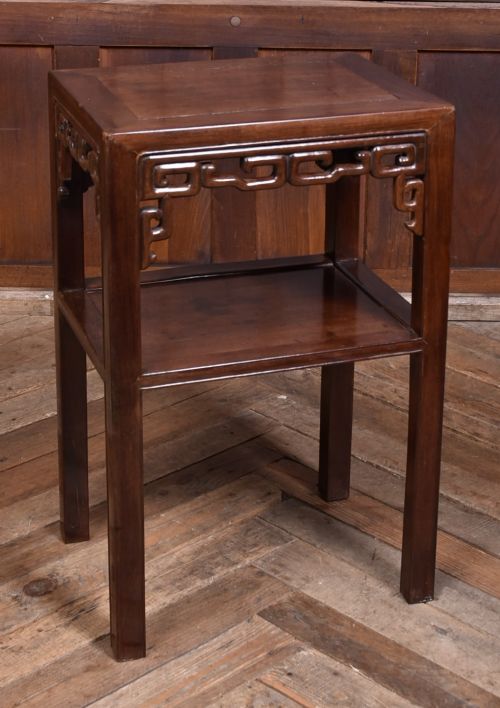
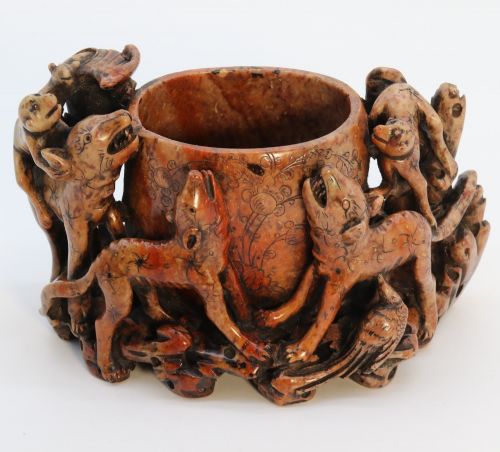
The selection includes related support pieces such as jardiniere stands, plant stands, and brush pots fashioned from hardwood and marble. Makers utilised bronze, porcelain, red clay, cinnabar lacquer, and soapstone to shape these decorative objects.
Examples date from the Victorian and Edwardian eras, reaching back through the Meiji period and Qing Dynasty. Collectors find both single items and matched pairs designed for display.
Materials and methods
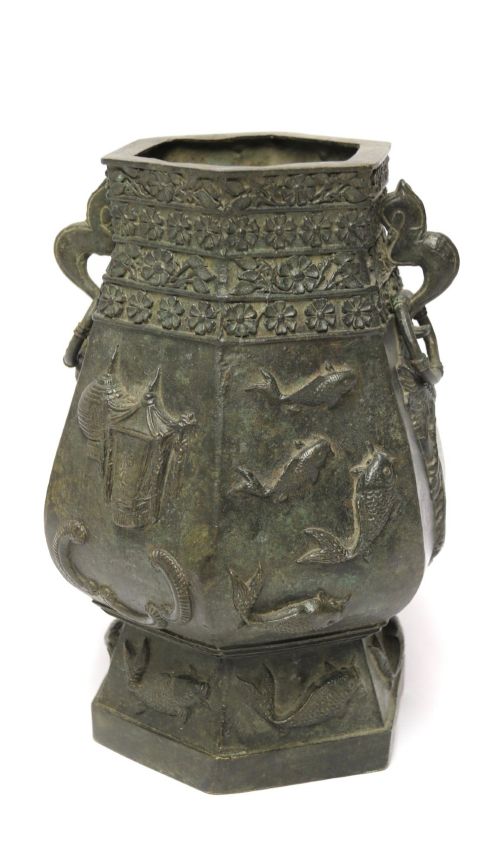
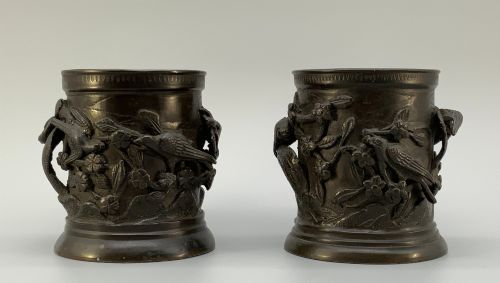
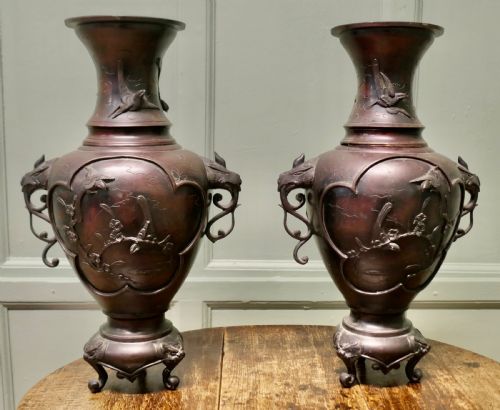
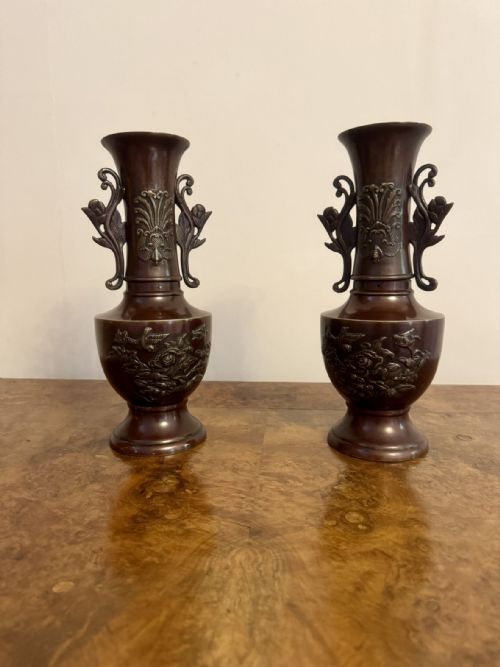
Craftsmen shaped metal pieces using bronze and copper-alloy casting techniques, often adding high-relief chased ornamentation depicting dragons, birds, blossom, and Daoist immortals. Bronze vessels frequently display dark patination and artist signatures.
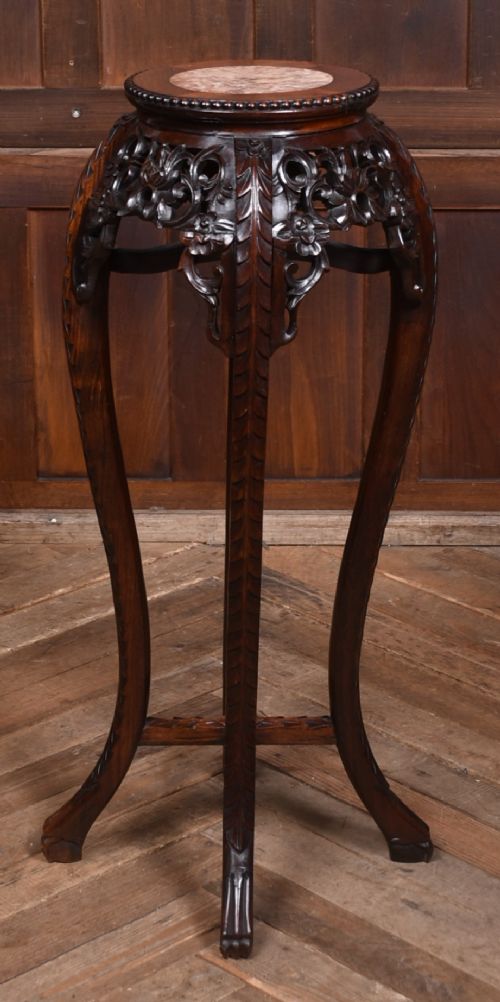
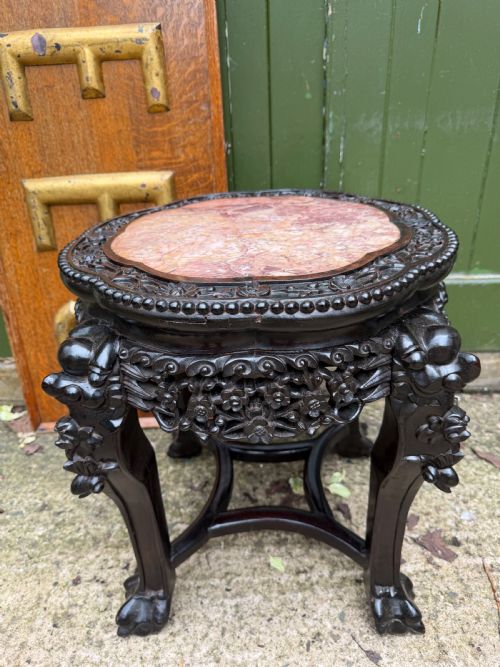
Woodworkers carved dense hardwoods such as hongmu and huali, constructing plant stands and vase tables with inset rouge marble tops. Lacquer workers applied red cinnabar and black paint finishes over wood or porcelain bases.
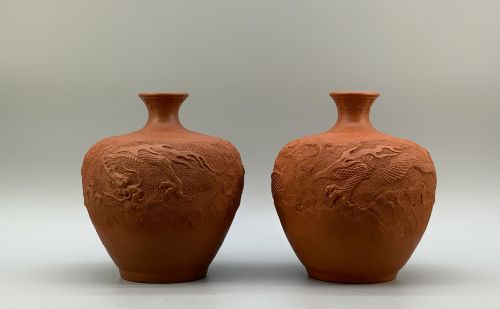
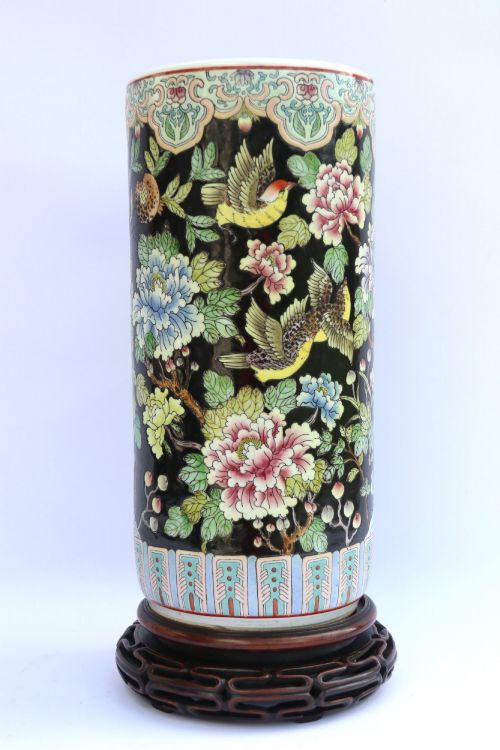
Potters worked with red clay, celadon glaze, and porcelain, producing famille verte and famille noire colour palettes alongside carved soapstone and bamboo brush pots.
The listings span the Victorian and Edwardian eras, alongside the Meiji period and Qing Dynasty.
Judging the work
Quality rests upon the depth and crispness of the carving, whether executed in hardwood, lacquer, or metal. High-grade bronze casting exhibits sharply defined details in scales, feathers, and floral motifs without surface blurring.
The choice of materials dictates the standing of a piece, with dense hardwoods, substantial bronze weight, and well-preserved cinnabar lacquer separating superior examples from simpler items. Original matching stands and intact base marks indicate careful preservation.
The Oriental Carved Vase Glossary
- Meiji Period
- The era in Japanese history spanning from 1868 to 1912, noted for intricate metalwork and decorative bronze production. Pieces from this time often show naturalistic motifs.
- Qing Dynasty
- The final imperial dynasty of China, lasting from 1644 until 1912. Items attributed to this period include carved hardwood stands and porcelain vessels.
- Cinnabar Lacquer
- A technique involving the repeated application of coloured tree sap layers onto a core, which artisans then carve deeply. This process yields relief patterns with rich red tones.
- Baluster
- A vertical architectural form with a rounded lower portion tapering toward the top. Many vases on this page follow this curved profile.
- Jardiniere Stand
- A low or tall support piece designed to hold a plant container or decorative vessel. These stands frequently incorporate inset marble tops within carved hardwood frames.
Oriental Carved Vase: Frequently Asked Questions
How do I date a bronze vase?
Examine the casting method, surface patination, and any signature marks found on the base.
Nineteenth-century examples often display deep relief work and distinct tool marks associated with Meiji or Qing production.
Where were hardwood stands used?
These carved wooden tables placed beneath vases served to elevate the display vessels.
They protected polished furniture surfaces while adding height and decorative balance to a room.
What is cinnabar lacquer?
Cinnabar lacquer consists of multiple layered coats of red resin applied to a wooden core.
Artisans carved intricate scenes directly into the hardened material before finishing the surface.
Are these items waterproof?
Most antique decorative vessels function primarily as ornamental display items rather than utilitarian planters.
Internal linings vary, so direct planting is generally discouraged to protect the historic materials.