


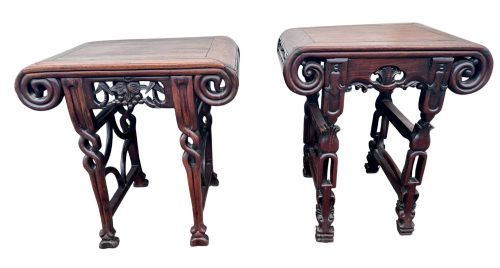

Oriental Carved Plant Pedestal
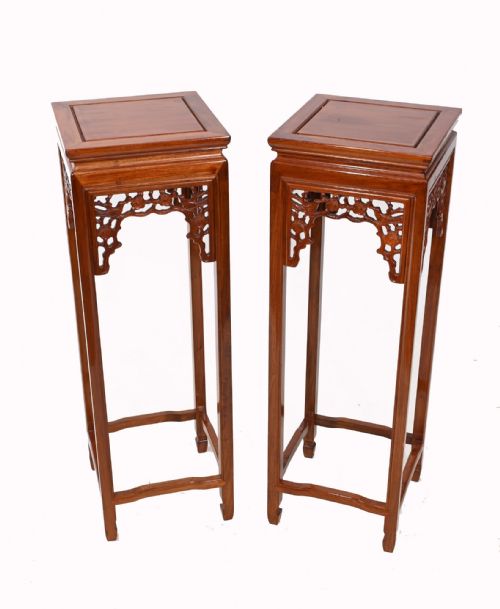
An oriental carved plant pedestal lifts heavy ceramic planters and bronze vessels off the floor to showcase botanical specimens in a room.
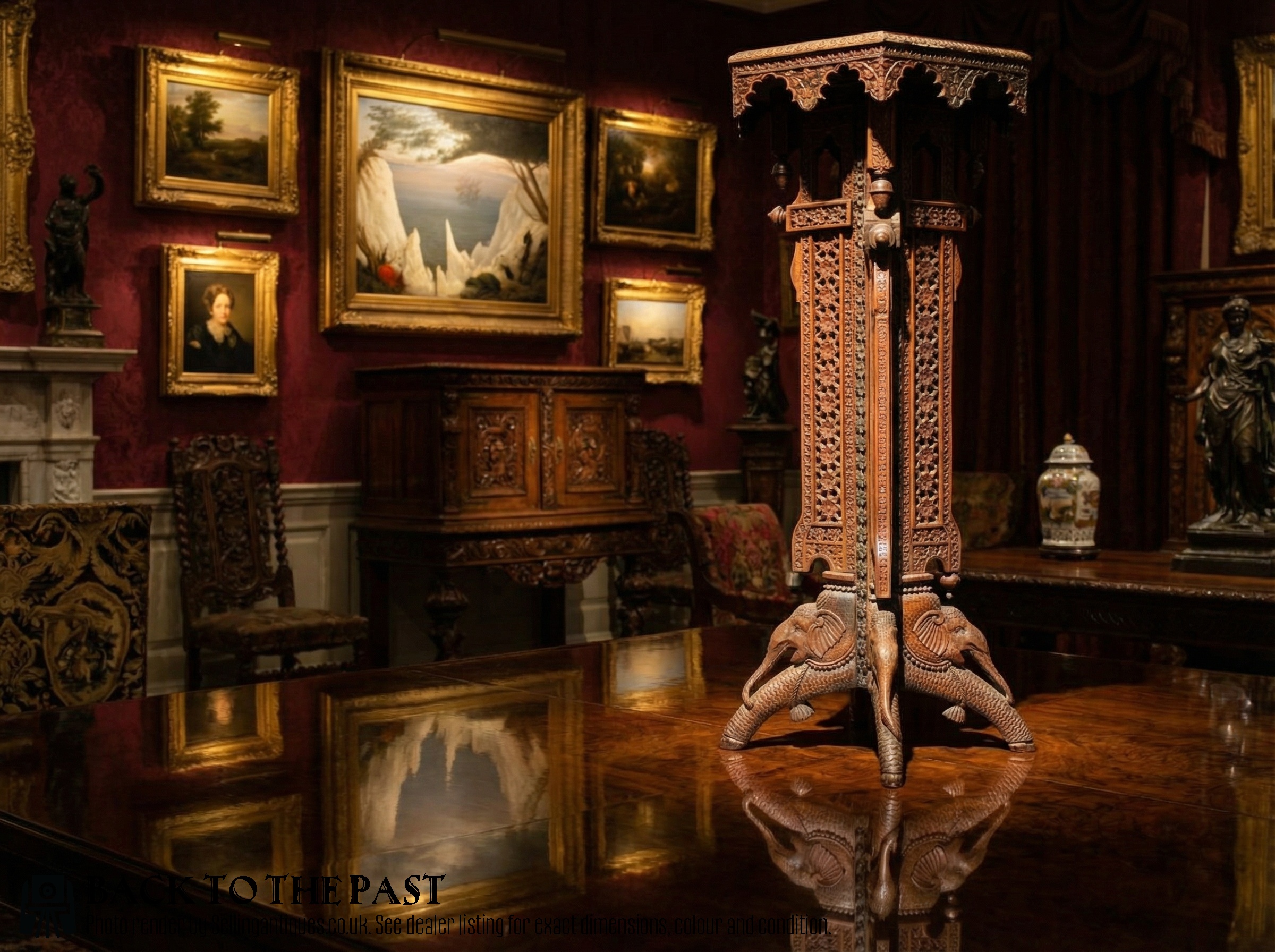
Oriental Carved Plant Pedestal
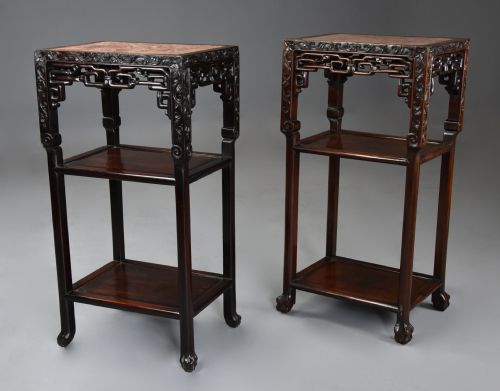
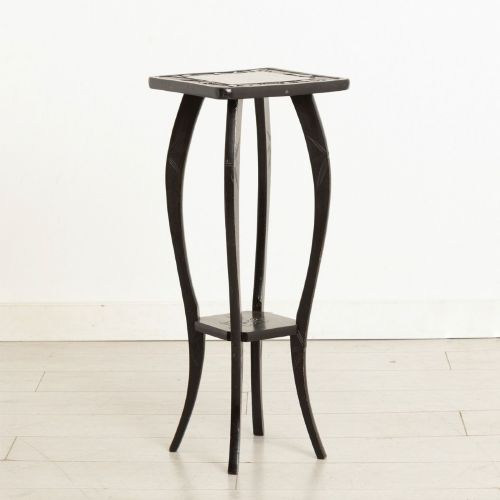
When searching for an oriental carved plant pedestal, buyers encounter elevated display furniture designed to hold jardiniere bowls, flowerpots, and ornamental vases. These pieces serve as functional sculpture within traditional interiors, providing sturdy height to trailing foliage and heavy ceramic planters.
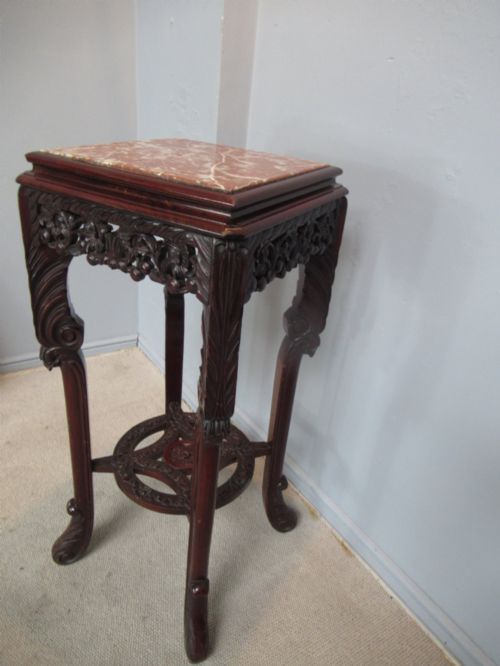
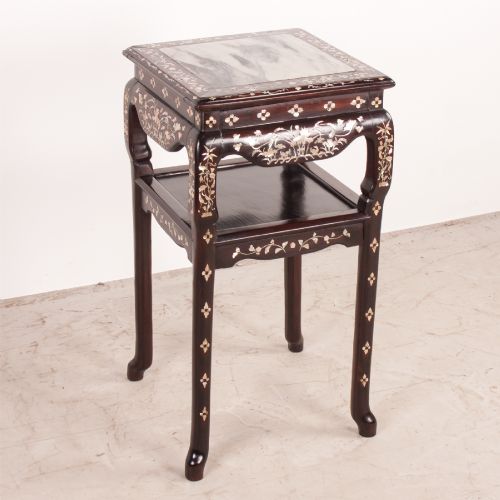
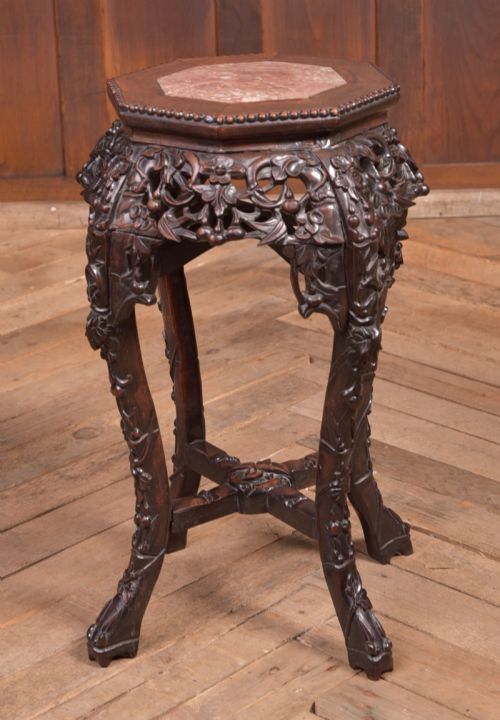
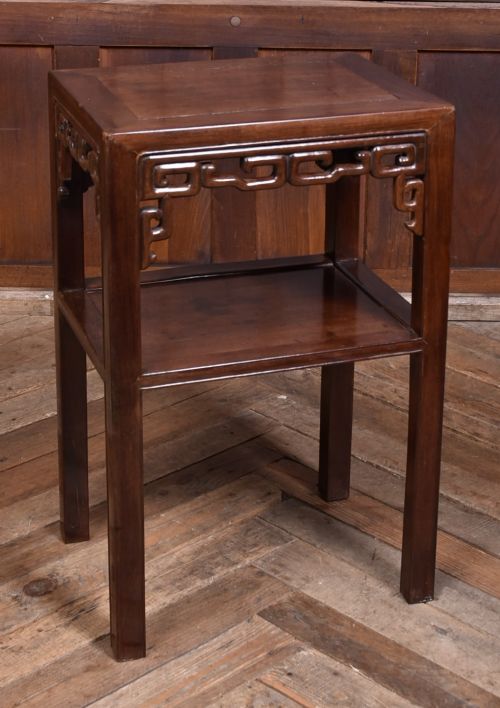
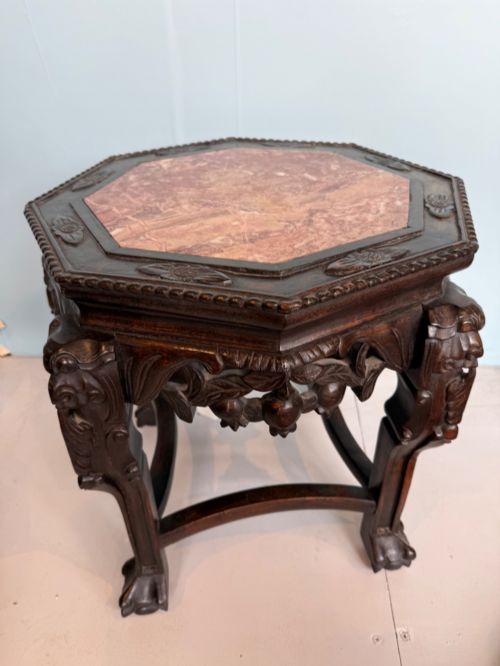
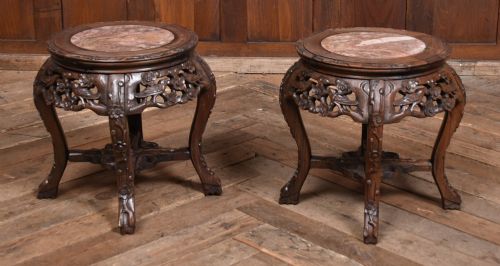
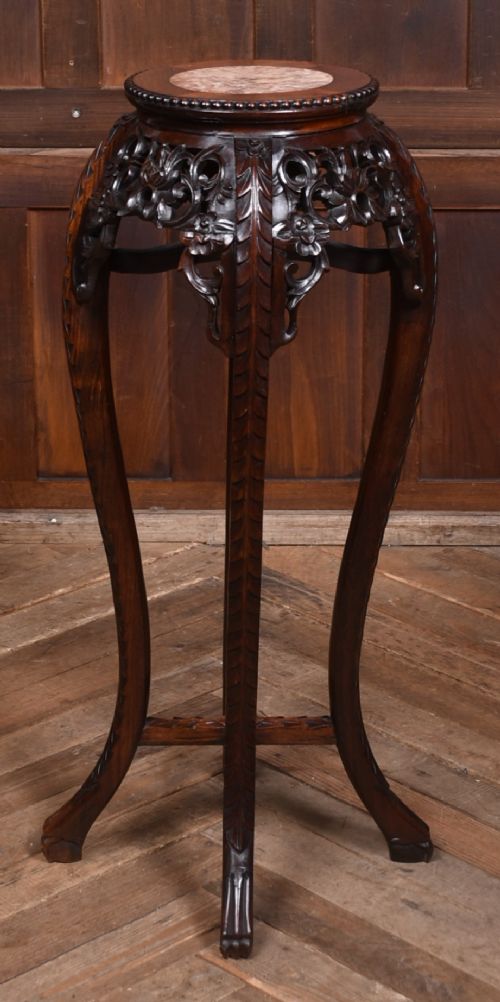
The version most commonly met on this page is the Chinese hardwood stand, often featuring a circular or rectangular top inset with a smooth stone panel. These tables range from low stools to tall torchere columns dating primarily from the nineteenth century and the early decades of the twentieth century.
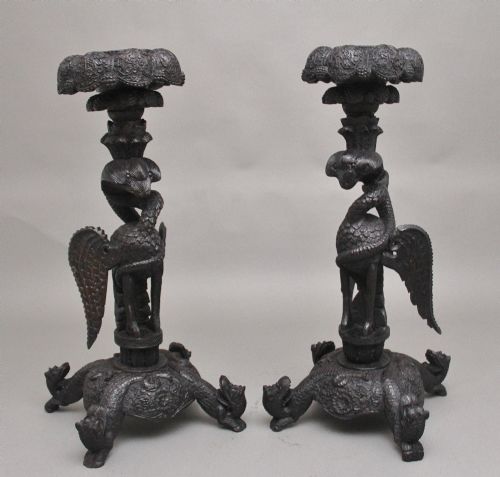
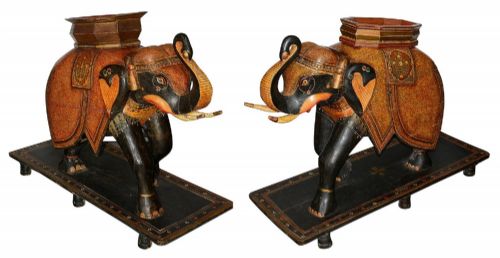
Makers and workshops across East Asia and British colonial territories produced these stands using dense imported timbers that could support substantial weight. Alongside standard plant holders, the selection includes related forms such as occasional tables, vase stands, and sculptural elephant seats.
Materials and construction methods
Carpenters utilised dense, heavy timbers such as padouk, rosewood, and huali hardwood for structural durability and deep relief carving. These woods take a dark polish and resist the weight of large ceramic vessels without flexing.
Many examples incorporate contrasting inlays or surface treatments, utilising smooth marble and rouge stone tops, mother of pearl details, and glossy lacquer finishes. The natural veining of the stone inserts provides a cool, flat counterpoint to the heavily decorated wooden frames below.
Judging the quality of carved stands
The depth and crispness of the chisel work dictate the refinement of a carved plant pedestal, distinguishing mass-produced commercial items from master-carved furniture. Sharp undercut foliage, well-defined dragon motifs, and symmetrical joinery indicate superior workshop production.
The selection of the inset stone panel and the density of the primary timber also separate standard tables from exceptional examples. Heavy, figured rosewood frames paired with unbroken, unblemished marble inserts represent the upper tier of surviving pieces.
Liberty of London
The Oriental Carved Plant Pedestal Glossary
- Jardiniere stand
- A tall piece of furniture specifically designed to support a ceramic flower bowl or plant pot. These stands typically feature elevated tops and sturdy legs to bear heavy loads of soil and water.
- Torchere
- A tall stand or pedestal originally intended to hold a candle or oil lamp, later adapted for displaying decorative vases. They possess slender profiles and elevated platforms.
- Padouk
- A heavy, durable tropical hardwood prized for its deep reddish-brown colour and stability. Craftsmen utilised this dense timber for intricate structural carving.
- Huali
- A traditional Chinese hardwood valued for its rich grain patterns and strength in furniture construction. It accepts detailed hand carving without splitting.
- Ebonised wood
- Timber treated with chemical solutions or dark pigments to imitate the appearance of solid ebony. This finish provides a dark, uniform surface for decorative Japanese and Victorian stands.
Oriental Carved Plant Pedestal: Frequently Asked Questions
What is an oriental carved plant pedestal used for?
These elevated tables support heavy ceramic planters, bronze vases, and trailing plants to bring botanical displays up to eye level within a room.
They function as decorative display furniture, separating precious ceramic pots from damp floors while adding architectural interest to empty corners.
How do I identify a nineteenth-century stand?
Nineteenth-century examples display dense tropical hardwoods, traditional hand-carved joinery, and heavy marble or quartz inserts fitted directly into the wooden frame.
Examining the underside reveals traditional pegged construction and patination accumulated through decades of handling.
Can these stands hold heavy ceramic pots?
Solid hardwood construction and rigid four-leg or cabriole framing provide the structural strength necessary to support heavy porcelain bowls filled with soil.
Dense timbers like rosewood and padouk prevent the frame from warping under sustained vertical pressure.