
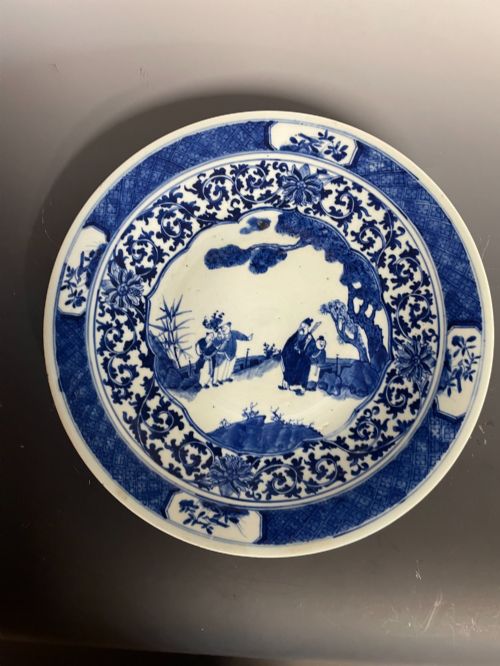
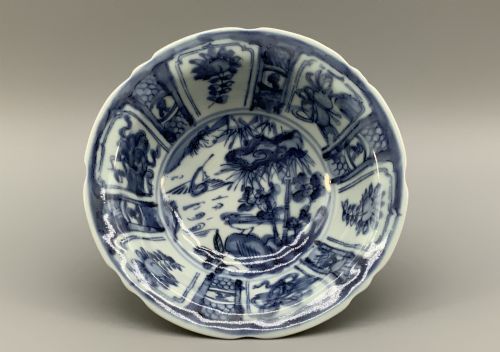
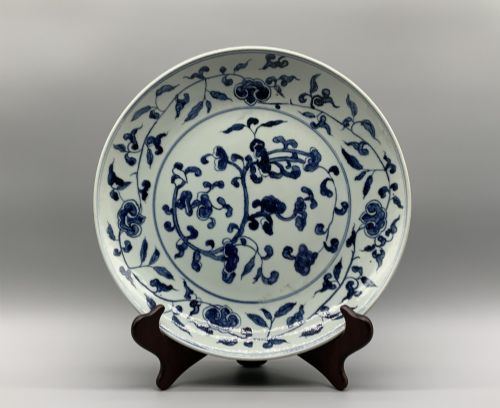
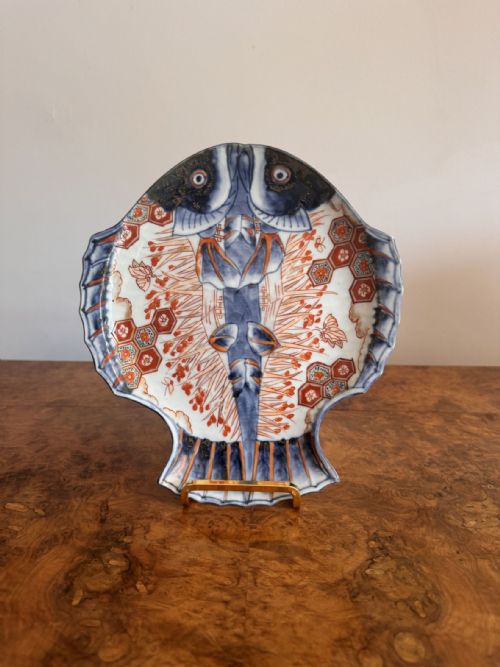



Oriental Blue White Dish
These oriental blue white dish selections bring together centuries of export porcelain and earthenware made for display and dining.
Oriental Blue White Dish
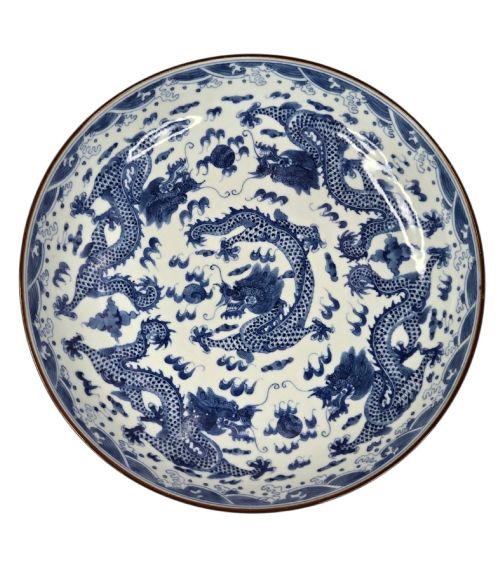
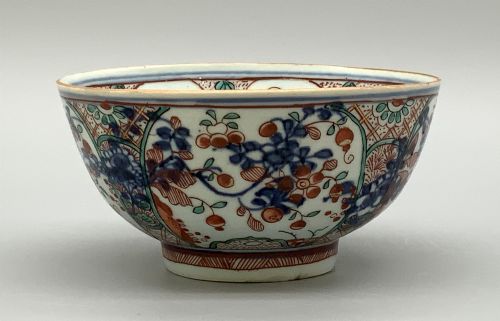
When you search for an oriental blue white dish, you encounter chargers, plates, and bowls originating from Chinese and Japanese kilns. The pieces on this page span from the seventeenth century through the Meiji and Qing dynasties up to nineteen hundred.
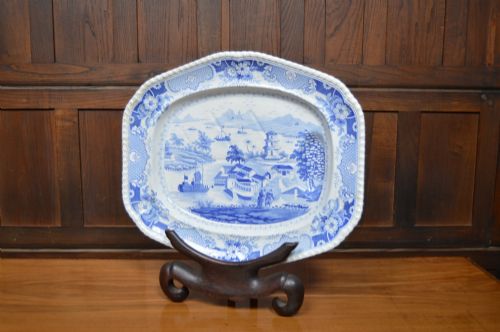
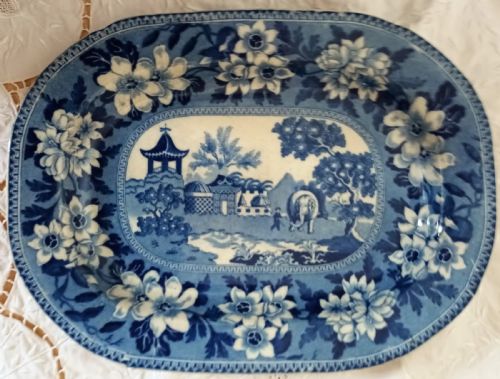
The selection ranges from large decorative chargers and lobed bowls to serving platters and specialised dishes shaped like fish, fans, and octagons. Chinese export porcelain and Japanese Arita wares form the core of what you meet in these listings.
How They Were Made
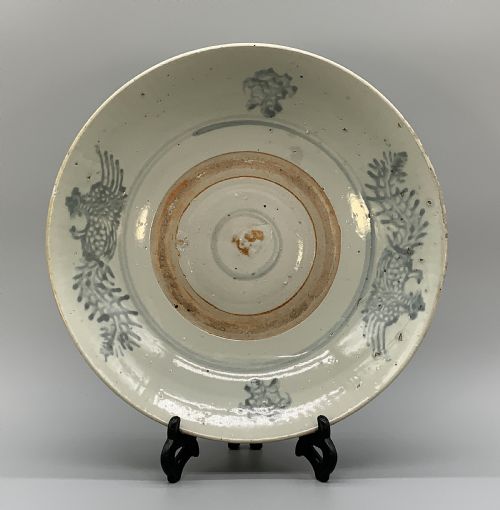
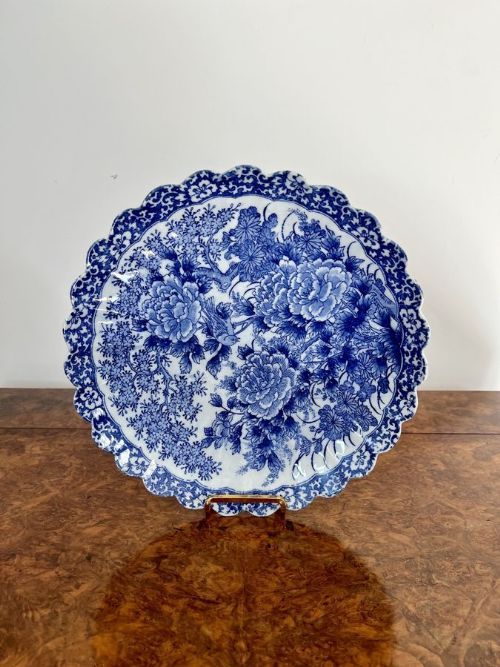
Potters utilised porcelain, ceramic, and earthenware bodies painted with cobalt underglaze to achieve the classic blue and white coloration. Certain pieces integrate enamel or gold leaf over the glaze for added detail.
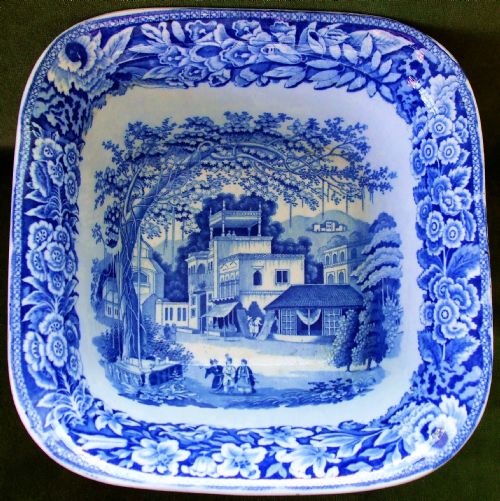
Techniques range from hand-painted cobalt designs depicting dragons, phoenixes, and landscapes to transfer-printed patterns on English pottery bodies.
Several plates dispense with tradition entirely to take the distinct form of a swimming fish.
What Varies in Quality
The nuance of the cobalt brushwork and the clarity of the glaze define the upper tier of these vessels. Painted details such as five-clawed dragons or koi carp show distinct artistic control on superior examples.
The crispness of moulded forms, including scalloped edges, lobed bowls, and fish shapes, separates standard production wares from exceptional decorative pieces.
J.W.R.·John Rogers & Son·J. & R. Riley
The Oriental Blue White Dish Glossary
- Imari
- Japanese porcelain decorated in underglaze blue, iron red, and gold, named after the port from which it was shipped to Europe.
- Charger
- A large decorative plate utilised for serving food or displayed upright on sideboards and walls.
- Underglaze
- A method of decorating pottery beneath a translucent glaze using pigments that withstand high firing temperatures, notably cobalt.
- Swatow
- A category of Chinese trade porcelain produced during the late Ming dynasty, typically characterised by coarse bodies and bold brushwork.
- Transferware
- A pottery decoration technique where an engraved copper plate transfers a printed design onto ceramic before glazing.
Oriental Blue White Dish: Frequently Asked Questions
How do I date an oriental blue white dish?
Examining the potting style, foot rim, and cobalt pigment tone helps establish the period of manufacture. Dynasty marks and reign periods offer additional clues, though these require careful comparison with known examples.
Changes in paste density and glaze texture across centuries provide further indicators for distinguishing seventeenth-century pieces from later Meiji or nineteenth-century items.
Were these dishes meant for dining?
Many large chargers and platters served functional roles at banquets or communal dining tables before transitioning to purely decorative display items. Smaller plates and bowls saw daily use in dining and household service.
Export wares manufactured in China and Japan were frequently packed in large quantities for trade, intended for both practical service and opulent European interior decoration.
How should I display a heavy charger?
Large chargers require robust wall hangers designed specifically to distribute the weight evenly across the rim and base without putting pressure on the porcelain body. Alternatively, sturdy plate stands with a wide base keep heavy chargers secure on flat surfaces.
Direct sunlight and areas prone to vibration should be avoided to protect antique ceramics from accidental slips or glaze fading over time.