





Orange Arita Porcelain Dish
These orange arita porcelain dish examples bring vibrant Japanese Imari artistry into your home with their distinctive hand painted patterns.
Orange Arita Porcelain Dish
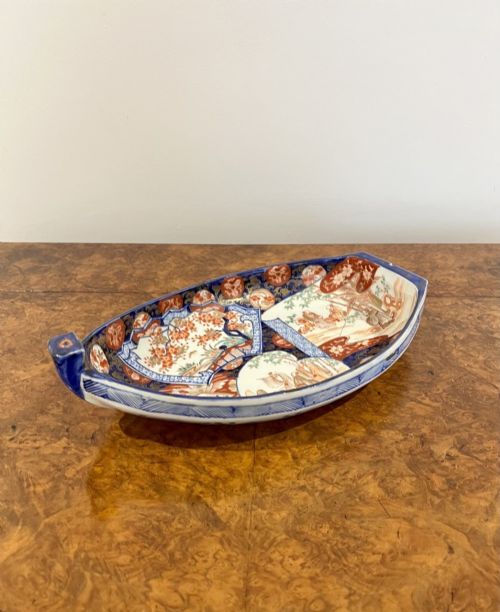
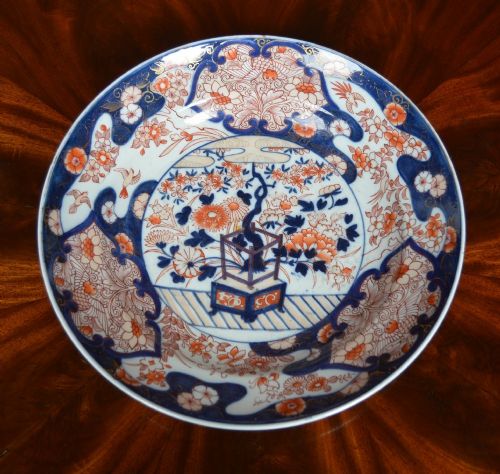
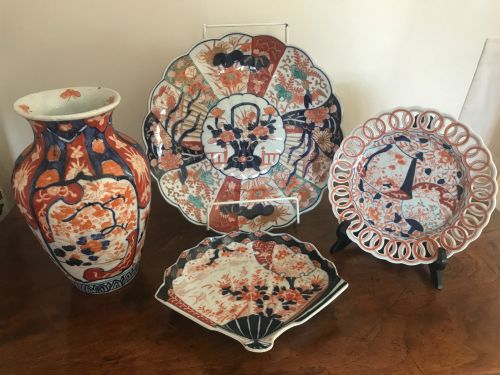
When you search for an orange arita porcelain dish, you encounter decorative plates, bowls, chargers, and platters spanning the nineteenth century, the Meiji period, and the early twentieth century. These ceramic pieces display rich Japanese Imari aesthetics, often featuring shaped edges such as fans, ribbons, and scallops.
The objects on this page largely originate from the late nineteenth century and around nineteen hundred, alongside Victorian era examples. You find individual plates, pairs, and larger collections including chargers and platters suited for wall display or table placement.
How they were made
Makers shaped porcelain clay into forms like hexagonal bowls and scalloped plates before applying ceramic glaze. Artisans then hand painted intricate designs using enamel and gold gilt or gold leaf.
Firing transformed the ceramic glaze and enamel colours into durable finishes. The combination of hand painting and gilding created the characteristic rich palette seen on these chargers and dishes.
Orange Arita Porcelain Dish Retail Price Guide 2026
Typical asking prices for orange arita porcelain dish among the pieces listed under this phrase on Sellingantiques today, from the lower quarter to the upper quarter. They describe what is for sale here now, not the wider market.
Several plates twist convention by adopting fan and ribbon shapes instead of circles.
What varies in quality
Quality rests in the precision of the hand painted details and the complexity of the forms, such as fan shapes, ribbon edges, and hexagonal bowls. Superior examples display careful brushwork in the enamel and precise application of gold leaf or gilt.
Scale and proportion separate standard plates from large chargers and multi piece collections. The clarity of the ceramic glaze and the preservation of the gold gilt over the centuries define the upper tier of these pieces.
The Orange Arita Porcelain Dish Glossary
- Imari
- A style of Japanese porcelain featuring distinctive underglaze blue and overglaze iron red, complemented by gold. This palette creates the dominant orange tones found on these decorative plates and chargers.
- Meiji Period
- The era in Japanese history spanning from eighteen sixty eight to nineteen twelve, associated with many of the hand painted chargers and bowls on this page.
- Charger
- A large decorative plate utilised historically for display or service rather than daily dining. These pieces often anchor a collection.
- Gilt
- A thin layer of gold applied to the surface of the porcelain or ceramic glaze to accentuate specific details of the design.
- Glaze
- A glassy coating fused to the porcelain body through firing to seal the ceramic and provide a smooth surface for enamel painting.
Orange Arita Porcelain Dish: Frequently Asked Questions
What is an orange arita porcelain dish?
An orange arita porcelain dish is a hand painted ceramic plate, bowl, or charger made in Japan using traditional Imari styles and enamel colours. These pieces date from the nineteenth and early twentieth centuries.
They encompass various forms including fan shapes, ribbon plates, and scalloped edges designed for decorative display.
How were these dishes used historically?
Large chargers and plates served primarily as decorative display items in homes rather than functional tableware. Their intricate hand painted enamel and gold gilt designs suited formal interiors.
Smaller bowls and plates functioned within domestic settings or were collected as examples of fine Japanese craftsmanship.
How do I date an antique Japanese Imari piece?
Dating relies on stylistic markers associated with periods such as the Meiji era, Victorian times, or circa nineteen hundred. The combination of ceramic glaze characteristics and hand painted motifs helps establish the production era.
Listings often reference specific decades or broad periods like the nineteenth century based on these visual details.
How should I display a charger or large plate?
Large chargers and wall plates fit securely mounted on walls or supported on sturdy plate stands within a cabinet. Their scale and rich orange enamel work well as focal points in a room.
Pairing matching plates or grouping bowls together creates a balanced display that highlights the varied shapes.