

Open Wooden Shelving
Open wooden shelving offers practical utility and honest display, ranging from simple pine boards to fine mahogany bookcases.
Open Wooden Shelving
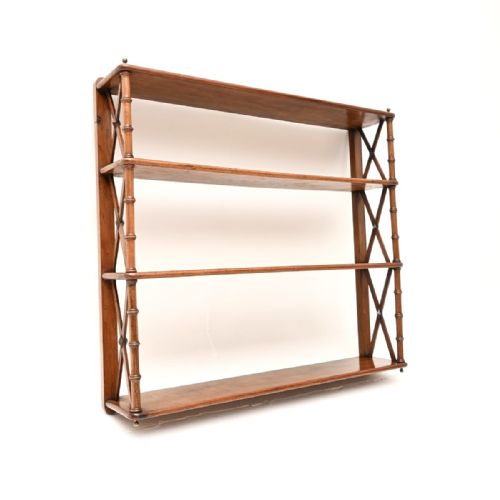
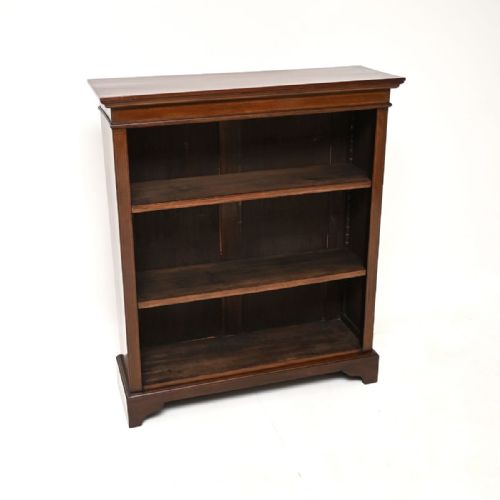
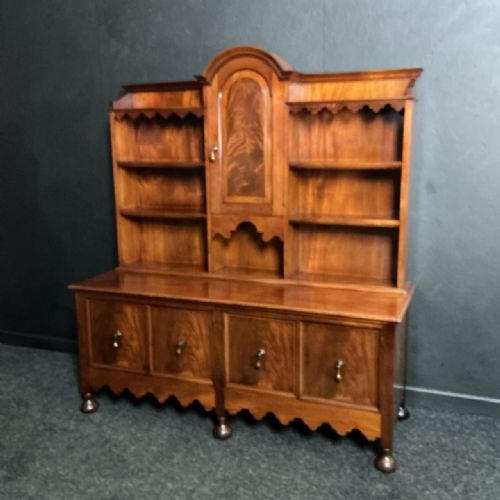
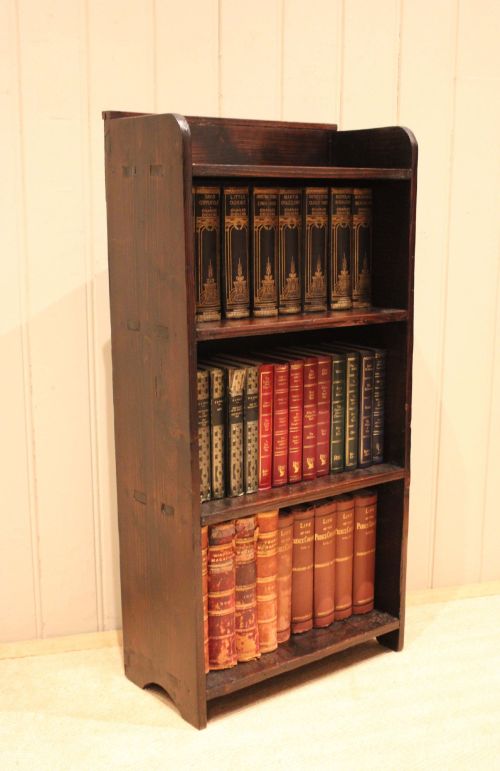
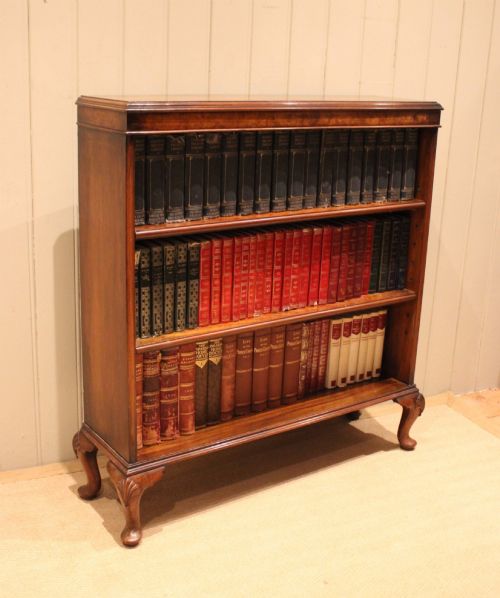
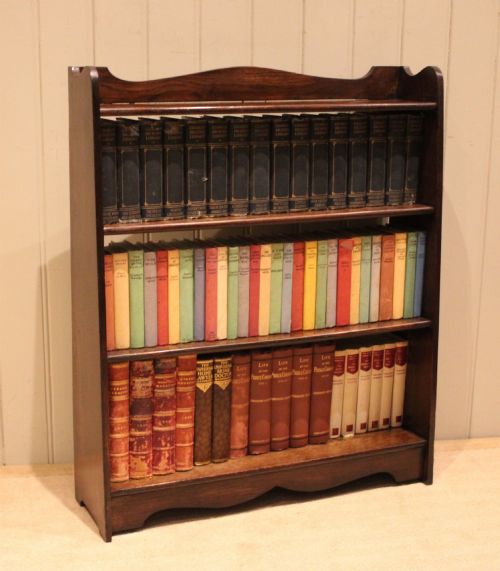
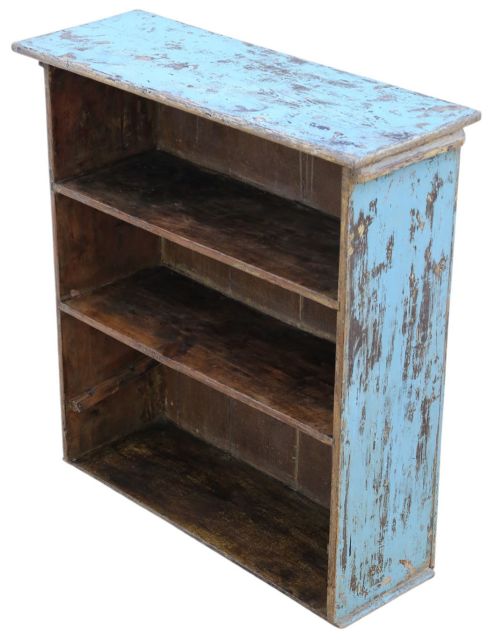
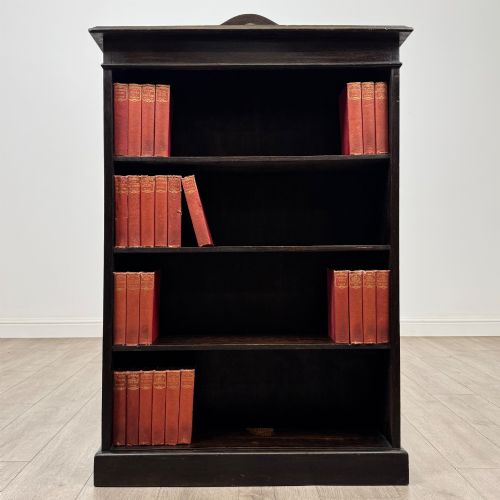
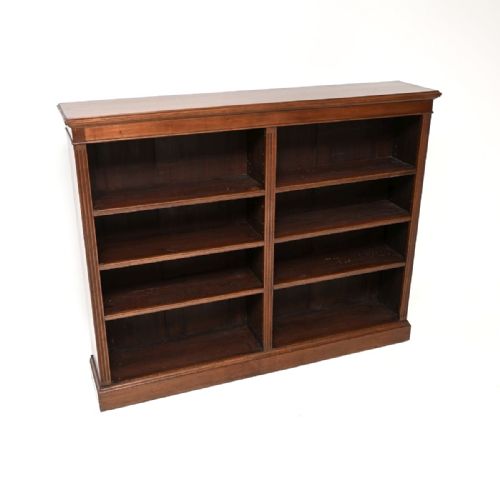
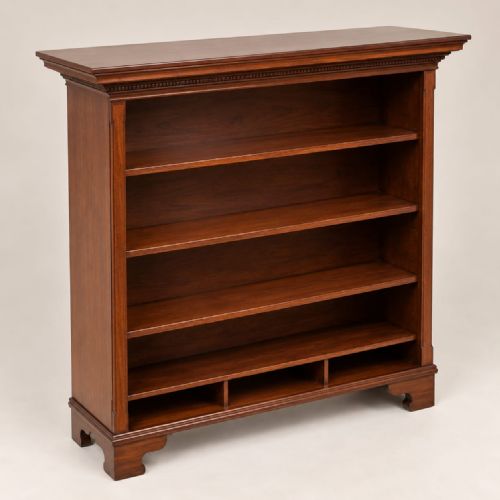
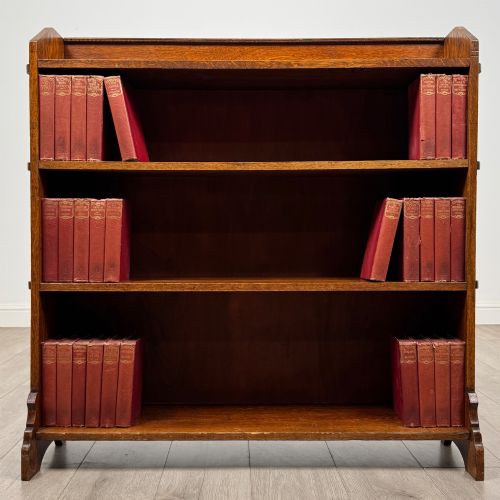
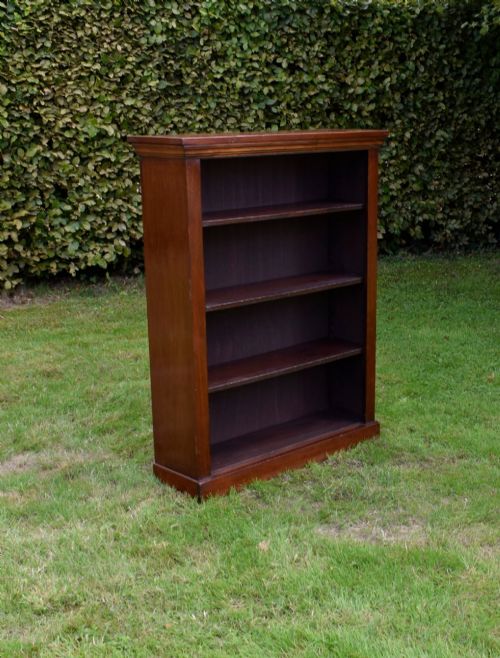
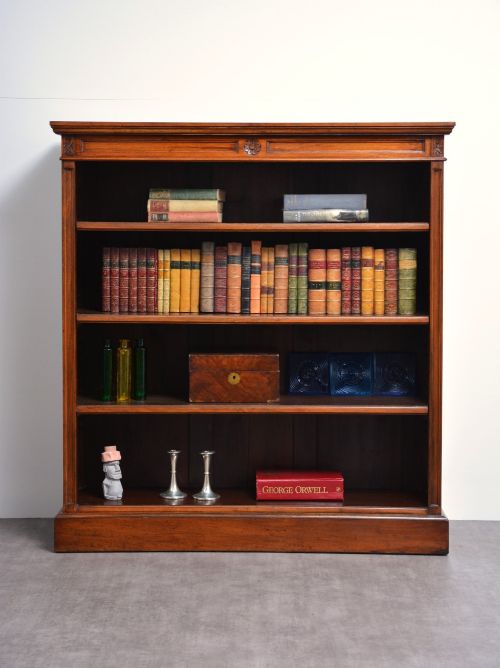
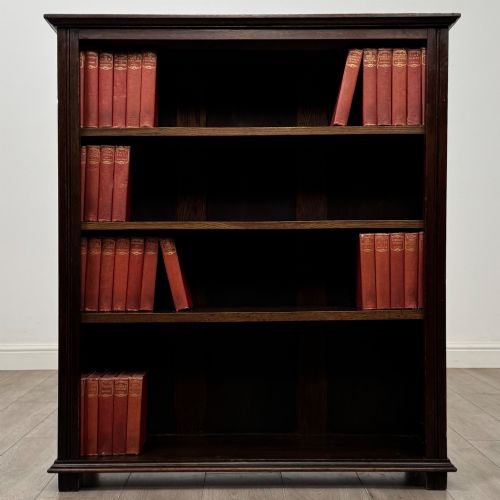
Open wooden shelving brings immediate character to a room, functioning primarily as accessible storage for books and display objects. When you search for open wooden shelving, you encounter various forms including wall shelves, bookcases, and dressers spanning several centuries.
The pieces appearing most frequently range from Victorian and Edwardian examples to early twentieth-century designs. Wall shelves and open bookcases dominate the selection, providing straightforward utility alongside decorative presence.
Originating largely from domestic and institutional settings, these items reflect changing interior tastes from heavy carved oak to lighter inlaid mahogany. Each piece serves the dual purpose of organising space while showcasing collected objects.
Materials and construction
Makers utilised solid timbers such as oak, mahogany, walnut, and pine, selecting each wood for its strength and grain pattern. Burr walnut and ash appear in finer iterations, adding distinct visual texture to the finished furniture.
Construction techniques relied on traditional joinery, sometimes supplemented by brass castors or ormolu mounts on more elaborate examples. Surfaces were finished with polish or paint, preserving the natural qualities of the wood over generations.
Object types span wall shelves, bookcases, dressers, and display units in various wood finishes.
Distinctions in quality
Quality rests upon the choice of timber and the precision of the joinery rather than mere age. Finely figured walnut or mahogany signifies a higher tier of production compared to utility pine.
Proportion and decorative restraint set superior pieces apart. Subtle carved details, intelligent use of adjustable shelving mechanisms, and balanced proportions elevate standard utilitarian storage into accomplished cabinetwork.
JOHNSTONE AND JEANES·Heals
The Open Wooden Shelving Glossary
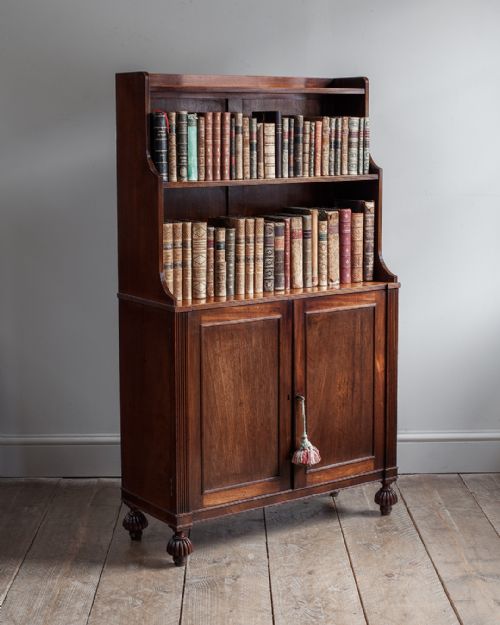
- Waterfall bookcase
- A tiered shelving unit where each successive shelf steps back from the one below it, creating a cascading profile.
- Adjustable shelves
- Shelving supported by movable pins or tracks, allowing the vertical spacing to be altered as needed.
- Ormolu
- Gilded bronze mounts applied to furniture for decorative effect, typically found on higher status pieces.
- Inlay
- A technique where contrasting woods or materials are set into the surface to create decorative patterns.
Open Wooden Shelving: Frequently Asked Questions
How do I style open wooden shelving?
Balance books of varying sizes with decorative objects, ceramics, and framed pictures to create visual interest. Leave some space empty to prevent the shelves from looking cluttered.
Group items by colour or theme to establish a cohesive arrangement that complements the surrounding room.
Are these shelves sturdy enough for heavy books?
Solid hardwood shelves made from oak or mahogany generally handle heavy book collections with ease. Thicker boards resist sagging over time.
Check the method of shelf support, particularly on adjustable systems, to ensure stability under weight.
How do I identify the period of a bookcase?
Examine the timber, construction marks, and overall decorative style to determine the likely era of manufacture. Victorian and Edwardian pieces often display distinct carving or inlay characteristics.
Hardware such as brass castors or screws can also provide clues regarding the date of production.
Can I adjust the shelf heights?
Many traditional bookcases feature adjustable shelves supported by wooden ratchets, metal pins, or side grooves. This allows flexibility for storing taller volumes.
Fixed shelves are typically built into simpler or earlier rustic pieces.