

Open Shelved Bookcase
An open shelved bookcase brings immediate warmth and order to a room, holding centuries of reading in plain sight.
Open Shelved Bookcase
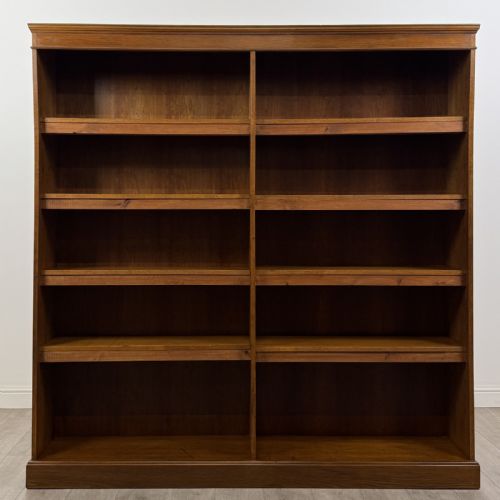
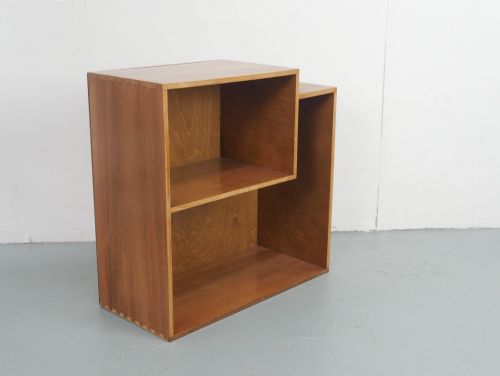
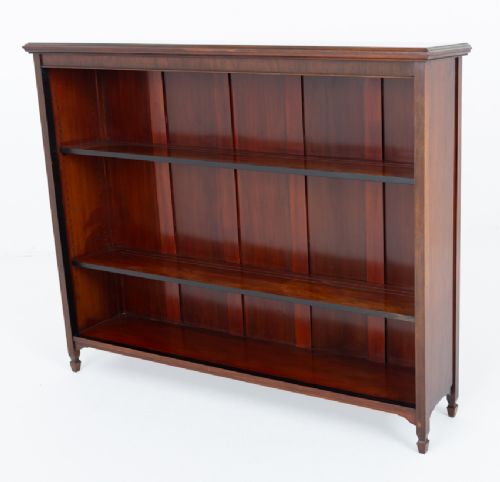
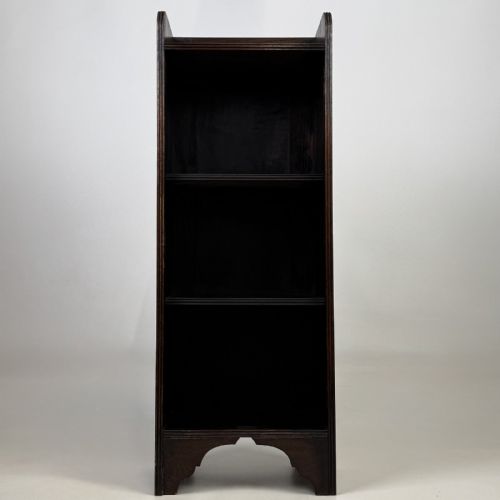
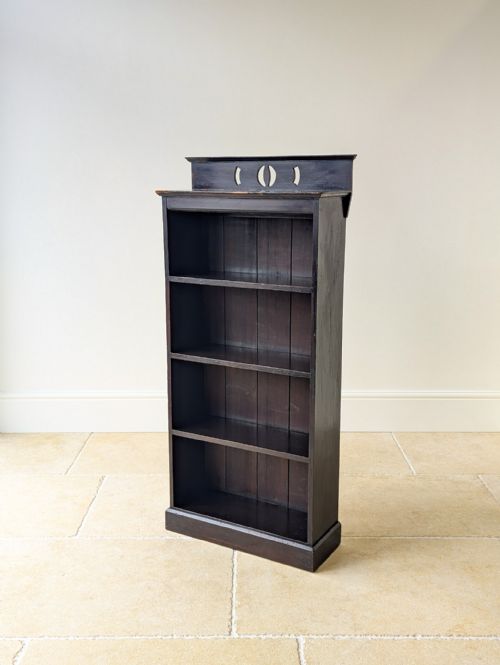
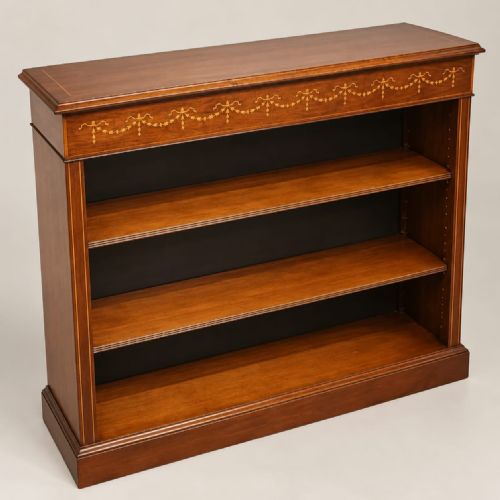
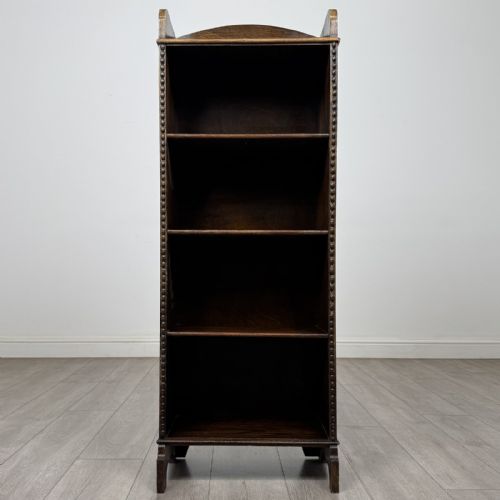
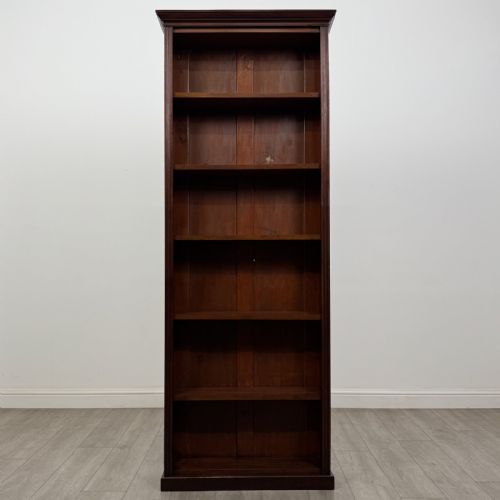
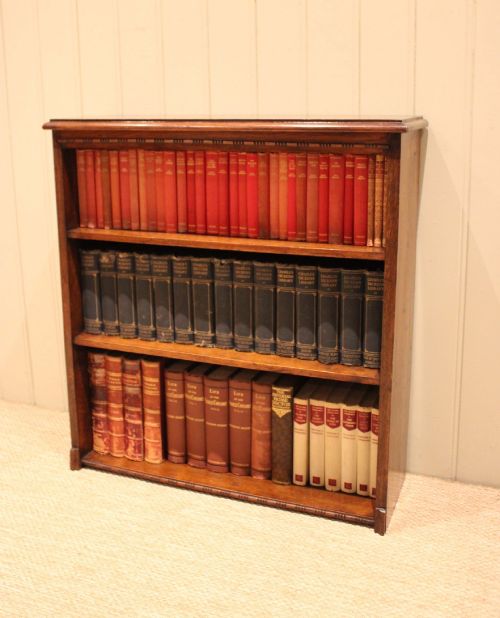
An open shelved bookcase provides accessible storage for volumes and papers without the visual weight of glazed doors. When you search for an open shelved bookcase, you encounter pieces spanning from the mid nineteenth century through the Edwardian years and into the early twentieth century.
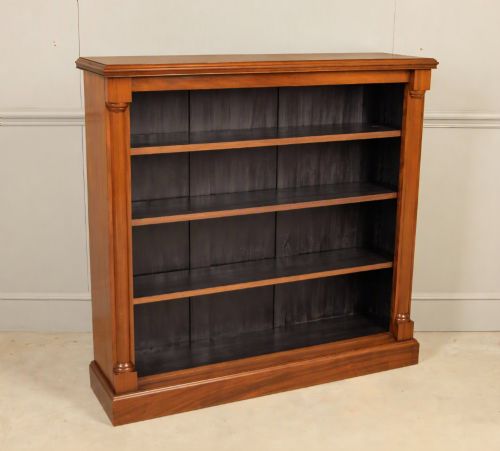
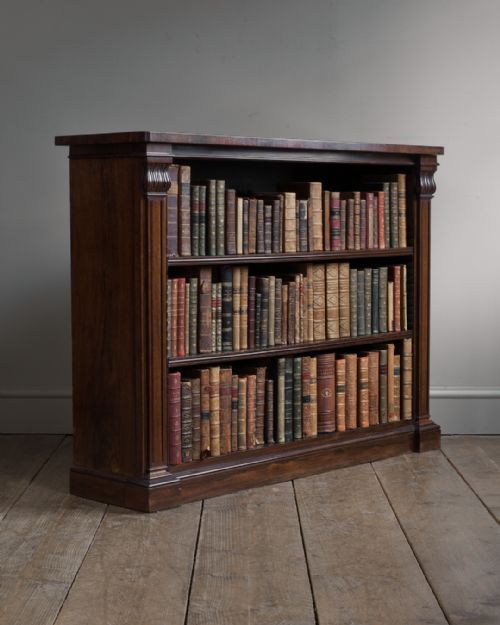
The materials range from rich mahogany and burr walnut to sturdy oak and pine, often finished with details like raised galleries or shaped sides. Many examples follow Victorian or Edwardian proportions, while others draw on earlier Georgian and Regency models or Arts and Crafts principles.
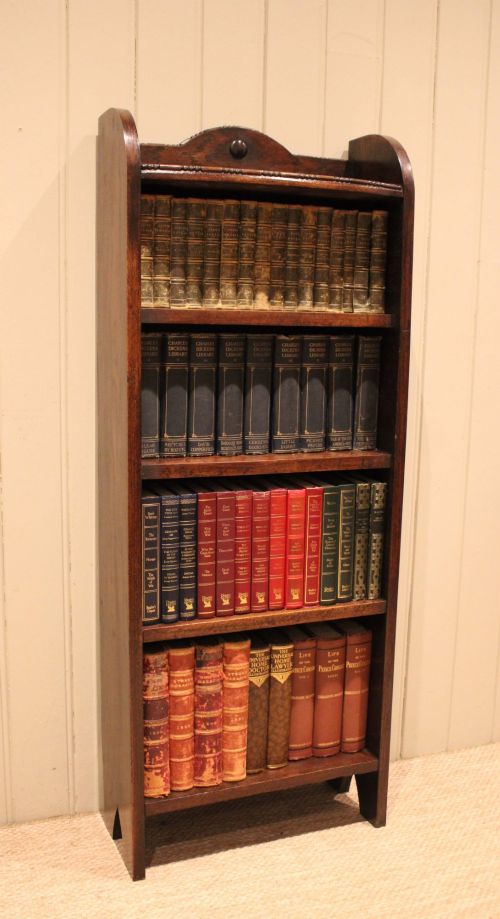
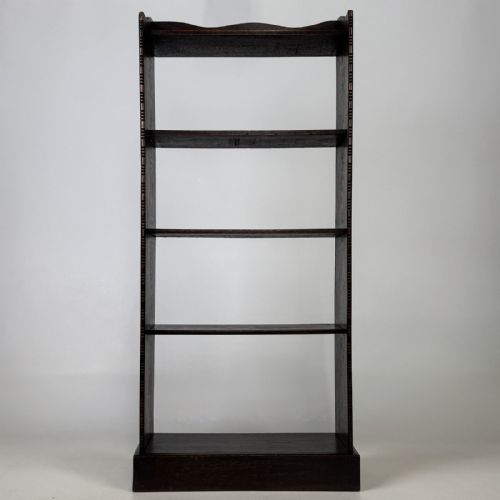
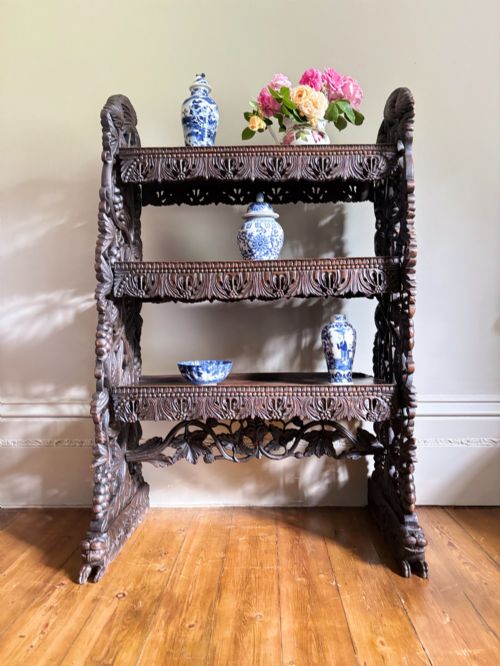
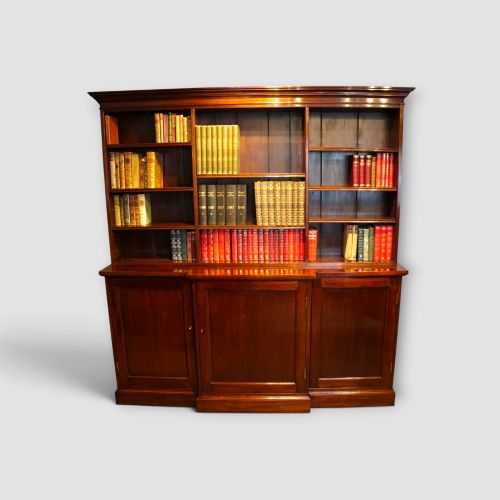
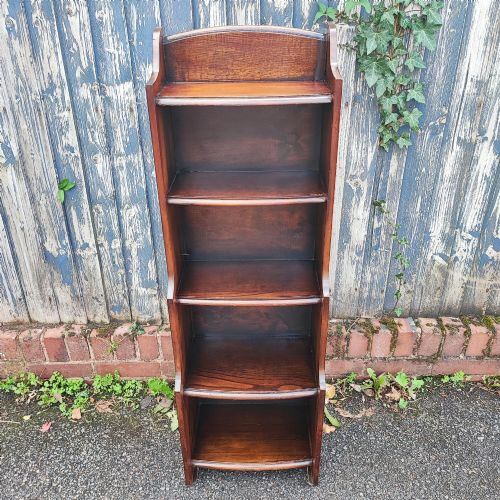
Tall slim formats sit alongside low proportions, breakfront configurations, and waterfall designs. The selection includes dedicated library pieces as well as related forms like whatnots and wall hanging shelves that share the same open character.
How they were made
Cabinet makers constructed these pieces primarily from solid timber and selected veneers, employing mahogany, oak, walnut, and pine depending on the period and workshop. Surfaces often received polish or wax to bring out the natural grain, while decorative accents incorporated satinwood inlay and carved elements.
Structural integrity relied on traditional joinery, sometimes supplemented by pegged joints in Arts and Crafts examples or brass fittings for galleries and adjustable shelves. Cornices, plinth bases, and dentil details were shaped by hand to frame the open tiers.
Open Shelved Bookcase Retail Price Guide 2026
Typical asking prices for open shelved bookcase among the pieces listed under this phrase on Sellingantiques today, from the lower quarter to the upper quarter. They describe what is for sale here now, not the wider market.
Some nineteenth century shelves come equipped with tiny brass galleries just tall enough to keep your daydreams from rolling off the edge.
What varies in quality
The distinction between standard utility items and finer cabinet work lies in the choice of timber and the precision of the joinery. Selected burr walnut or figured mahogany veneers demonstrate a higher grade of manufacture than plain deal or simple pine.
Refined architectural details such as dentil cornices, brass galleries, and carefully fitted adjustable shelves elevate the standing of a piece. The crispness of carved mouldings and the balance of proportions distinguish a workshop piece from basic mass production.
Gillows
The Open Shelved Bookcase Glossary
- Waterfall bookcase
- A tiered piece with receding shelves that step back toward the top, often seen in mahogany or satinwood.
- Raised gallery
- A low decorative railing or upstand running along the top edge of a bookcase or whatnot to secure objects.
- Breakfront
- A cabinet or bookcase whose central section projects forward from the flanking wings.
- Dentil cornice
- A ornamental moulding featuring a repeating series of small rectangular blocks resembling teeth.
- Whatnot
- An open multi shelved piece of freestanding furniture designed for displaying ornaments, books, and small possessions.
Open Shelved Bookcase: Frequently Asked Questions
How do I style an open bookcase?
Mix upright rows of books with horizontal stacks, leaving small gaps to prevent the shelves from looking cluttered. Introduce framed photographs, small sculptures, or ceramics alongside the volumes to break up the mass of paper.
Keep larger, heavier books on the lower tiers to ground the piece visually while placing lighter paperbacks and decorative objects higher up.
Are the shelves usually adjustable?
Many Victorian and later pieces feature adjustable shelving systems supported by wooden pegs, metal ratchets, or traditional track supports. This adaptability allows you to accommodate oversized volumes or tall art folios.
Fixed shelves remain common in earlier vernacular pieces and certain simpler Edwardian designs, so check the internal construction if you need variable heights.
Where should I place my bookcase?
Position your bookcase against an interior wall away from direct sunlight and strong heat sources to protect the timber and bindings from drying out. Adequate clearance from radiators prevents warping in older solid wood and veneered surfaces.
Ensure the floor is reasonably level, and utilise wall fixings for taller, narrower formats to maintain stability and safety in everyday use.
How do I date a wooden bookcase?
Examine the timber species, construction methods, and hardware to gauge the period, noting that Victorian pieces often feature dense mahogany or walnut while Edwardian examples frequently use lighter oak. Characteristic decorative touches such as raised galleries, dentil cornices, or inlay styles offer further clues to the decade of manufacture.
Look at the backboards and drawer linings, where visible, as machine sawn timbers and modern screws point toward the twentieth century while hand planning suggests an earlier origin.