



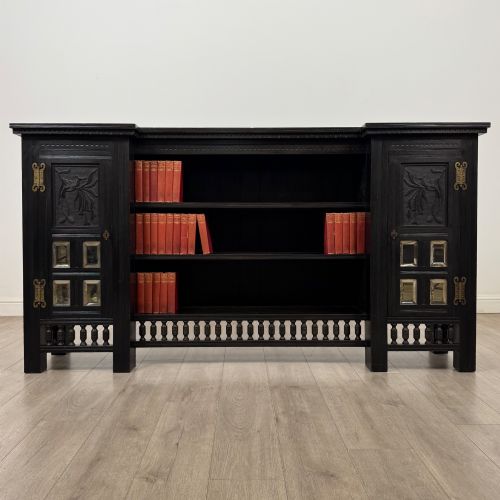
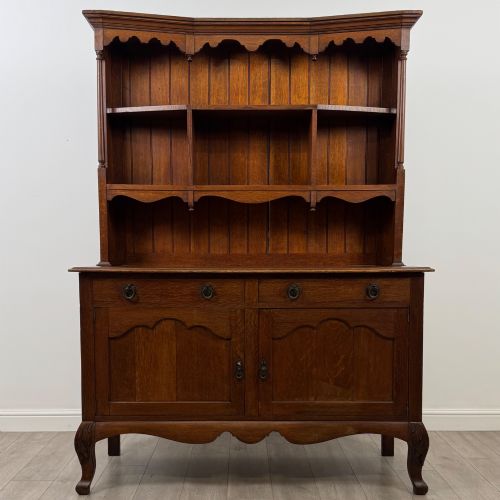
Open Shelf Cupboard
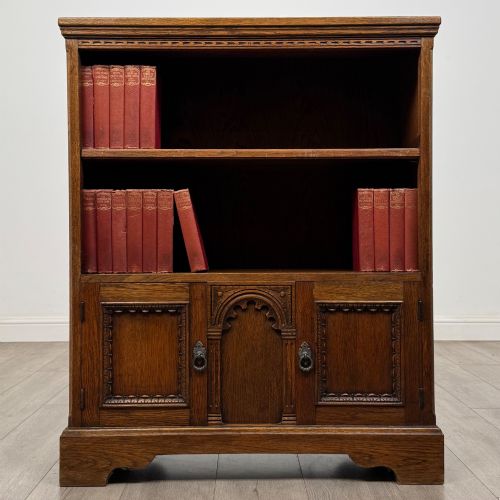
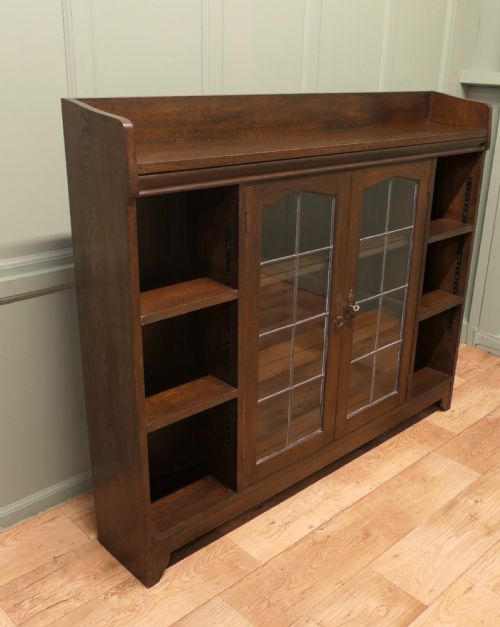
An open shelf cupboard combines upper display space with closed storage, offering a practical solution for books and display.
Open Shelf Cupboard
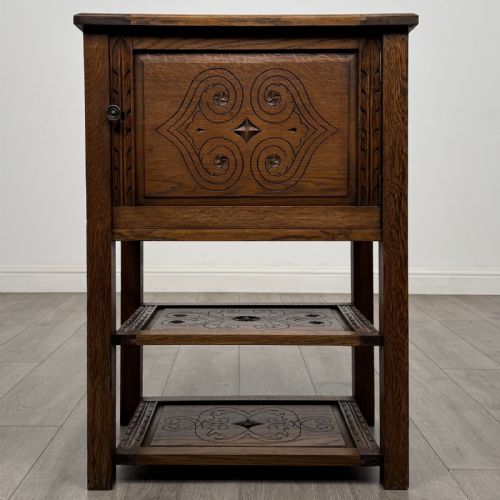
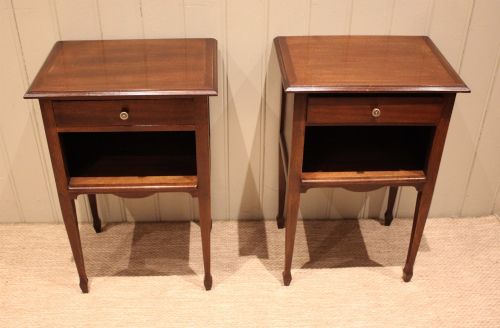
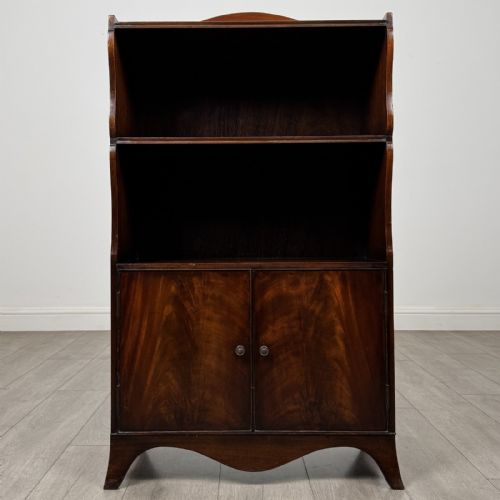
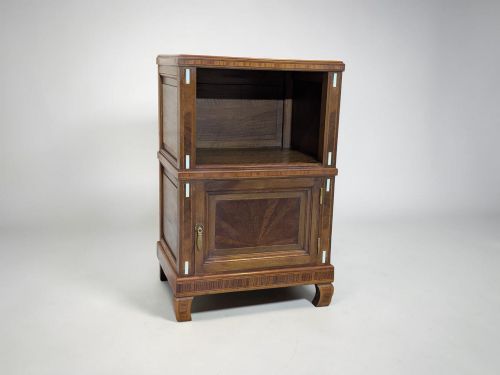
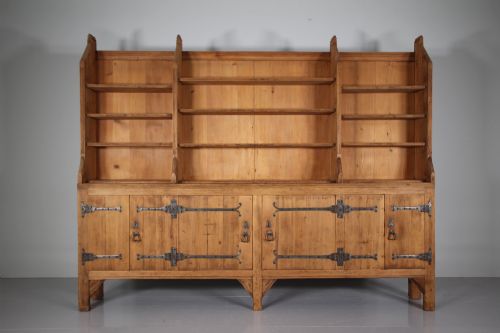
When you search for open shelf cupboard, you encounter a varied selection of hybrid forms that merge accessible display shelving with concealed cabinet storage below or adjacent. The pieces recorded in these archives span multiple centuries, ranging from compact bedside units and corner cabinets to tall bookcases and large kitchen or Welsh dressers.
The most common examples you meet on this page date from the nineteenth and twentieth centuries, utilising traditional timbers like oak, mahogany, and walnut. Makers built these items to serve domestic functions in libraries, bedrooms, and dining spaces, accommodating books, porcelain, and household goods in a single architectural piece of furniture.
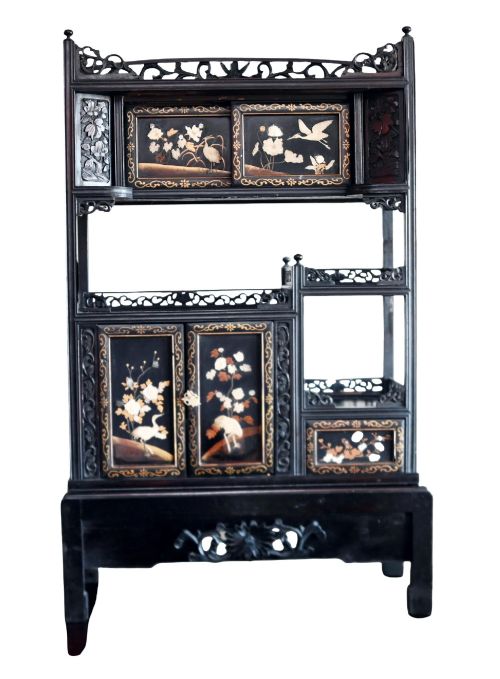
Geographic origins extend beyond British workshops to include French provincial ateliers, Japanese Meiji period studios, and Chinese workshops, introducing diverse aesthetic traditions into the category. Whether you examine a Georgian painted piece, an Edwardian oak cabinet, or an Art Deco bedside table, the fundamental configuration remains consistent: open tiers paired with a secure lower cupboard.
Materials and construction
Cabinetmakers constructed these forms using solid hardwoods and selected veneers, frequently employing oak, mahogany, walnut, and pine depending on the regional tradition and the period. Workshops applied techniques such as flame mahogany or burr walnut veneering to primary surfaces to create dramatic figuration, supported by secondary timbers for internal shelving and backboards.
Surface treatments recorded in the evidence range from traditional wax finishes and original paint to red lacquer and bleached surfaces, reflecting the stylistic preferences of different eras. Structural integrity relied on traditional joinery methods, including dovetailed drawer construction and mortise and tenon frames, ensuring durability across centuries of domestic use.
Open Shelf Cupboard Retail Price Guide 2026
Typical asking prices for open shelf cupboard among the pieces listed under this phrase on Sellingantiques today, from the lower quarter to the upper quarter. They describe what is for sale here now, not the wider market.
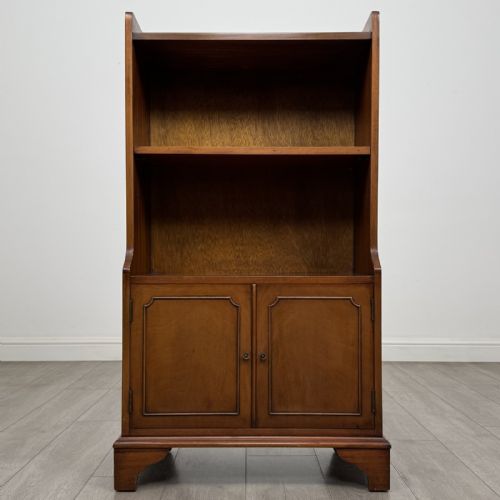
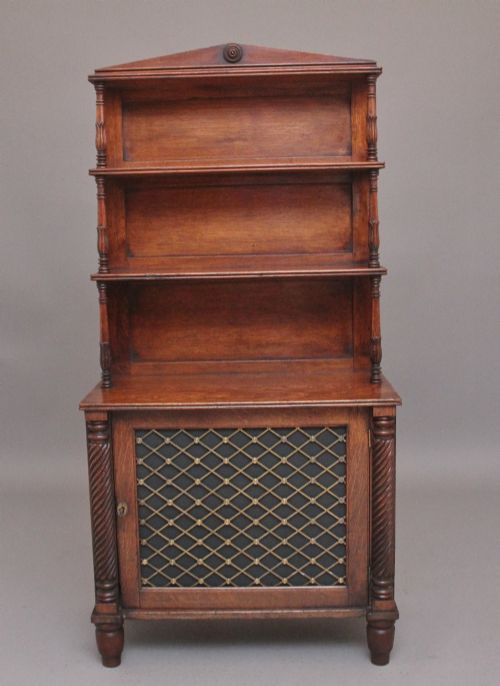
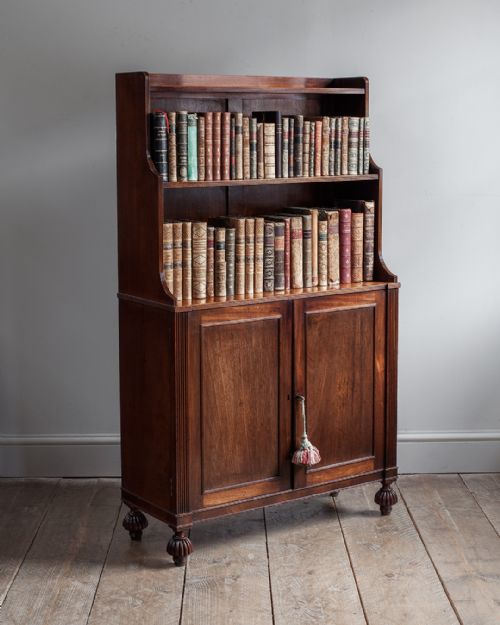
Object types recorded in the inventory include bedside cabinets, waterfall bookcases, corner display units, and Japanese shodana cabinets.
Distinctions in quality
The degree of refinement in timber selection separates standard utilitarian pieces from exceptional workshop productions, particularly in the use of highly figured flame mahogany or burr walnut veneers. Master cabinetmakers balanced proportion and decorative restraint, utilising subtle mouldings and quality brass hardware that enhanced the architectural presence of the cabinet without overwhelming the design.
Originality of surface finish and hardware heavily influences the character of each piece, distinguishing items that retain their early patination from those with later alterations. Workshop attribution also plays a role, where documented makers demonstrate superior execution in internal joinery, drawer linings, and structural detailing.
Gillows·Edwards and Roberts·Heals·Robert Strahan·Maple and Co
The Open Shelf Cupboard Glossary
- Waterfall bookcase
- A tiered set of open shelves that progressively step back from bottom to top, often incorporating a small cupboard base.
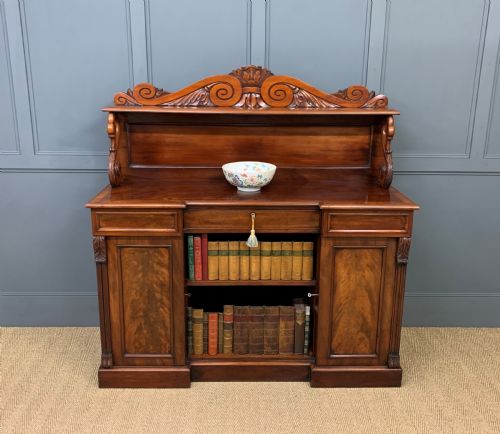
- Chiffonier
- A low sideboard or cabinet developed during the nineteenth century, typically featuring enclosed storage beneath a tier of drawers or open shelving.
- Shodana
- A traditional Japanese cabinet featuring asymmetrical multi-tiered shelving and small cupboards, commonly produced during the Meiji period.
- Breakfront
- A piece of furniture where the central section projects forward from the flanking outer sections, creating visual depth and architectural presence.
- Welsh dresser
- A traditional vernacular form combining plate racks or open upper shelves with a base of drawers and cupboards for kitchen storage.
Open Shelf Cupboard: Frequently Asked Questions
What is an open shelf cupboard?
An open shelf cupboard is a hybrid piece of furniture that combines exposed shelving for display with enclosed cabinet storage.
These units appear across various historical periods, serving functions ranging from bedside storage to larger bookcase and dresser configurations.
How do I date an open shelf cupboard?
Dating relies on identifying period characteristics, construction techniques, and timber choices recorded across different eras.
Georgian and Regency pieces display specific classical proportions, whereas Edwardian and later twentieth-century examples often utilise simpler lines and different secondary woods.
Where were these cupboards used?
These cabinets served multiple domestic rooms, including bedrooms as bedside tables, sitting rooms as bookcases, and dining areas as dressers.
The combination of open display and closed storage made them adaptable for holding books, tableware, and personal items.
What woods are commonly found?
Makers utilised a range of timbers, most frequently oak, mahogany, walnut, and pine, alongside decorative veneers.
Selected pieces also incorporate exotic woods, painted finishes, or lacquer work depending on their regional origin and stylistic period.