
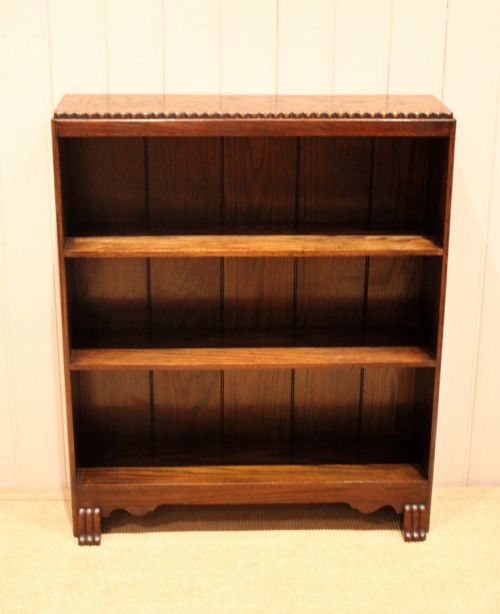


Open Front Display Shelves
Open front display shelves offer accessible storage and display, bringing character and practical timber construction into domestic rooms.
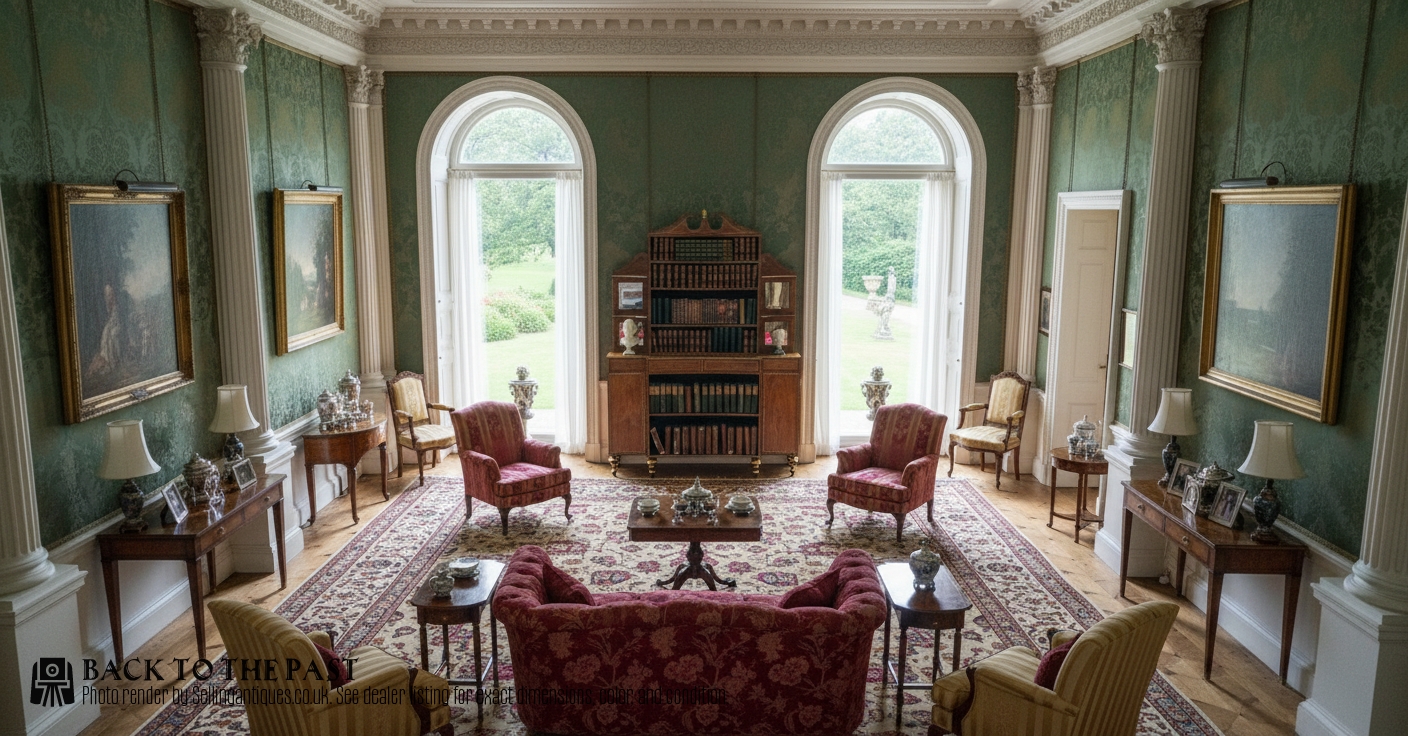
Open Front Display Shelves
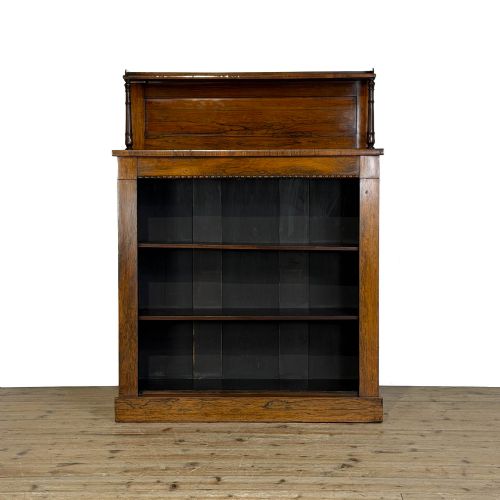
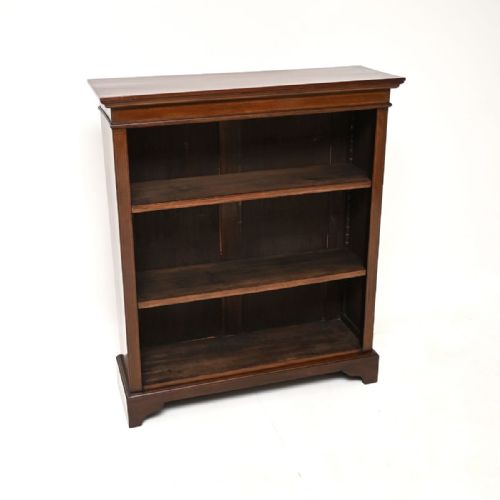
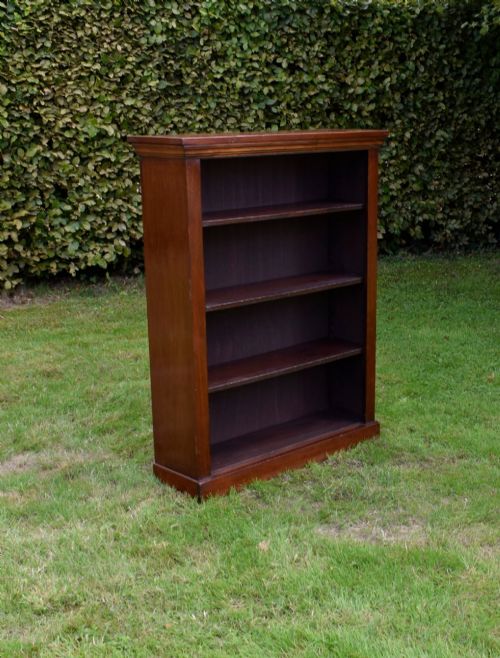
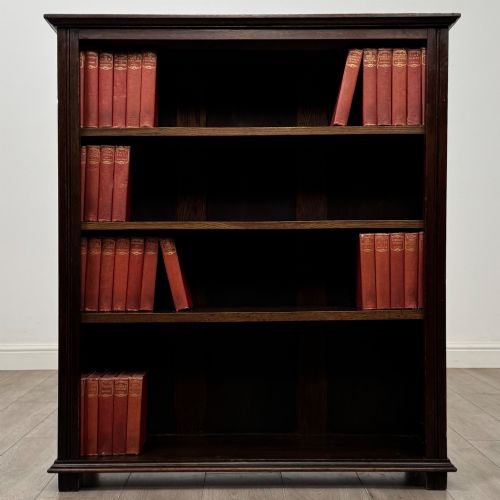
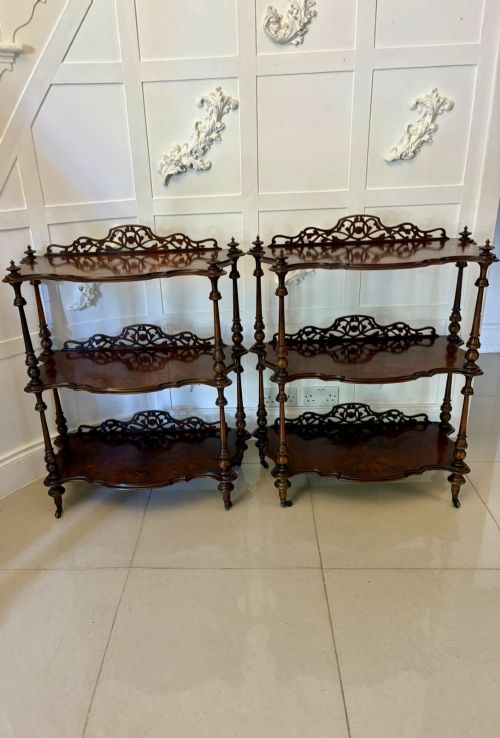
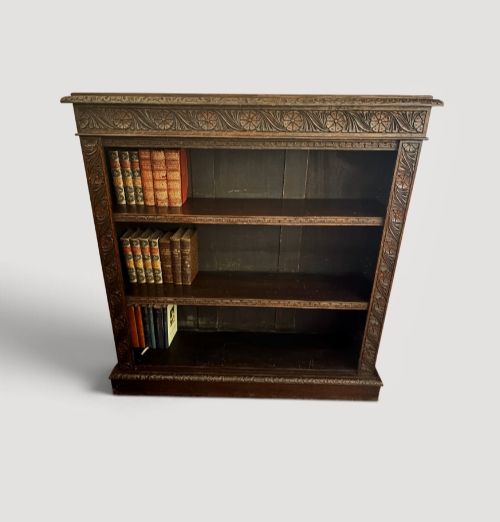
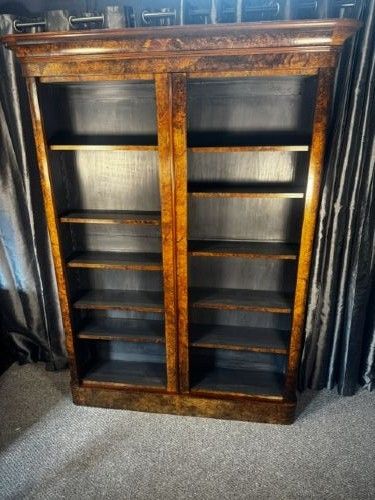
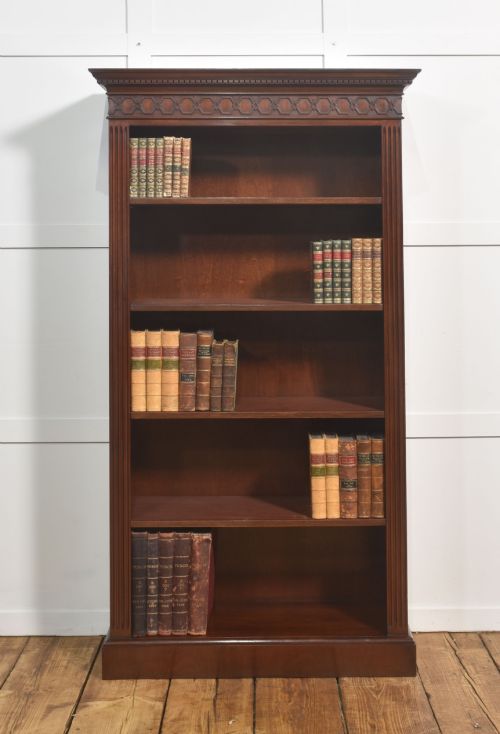
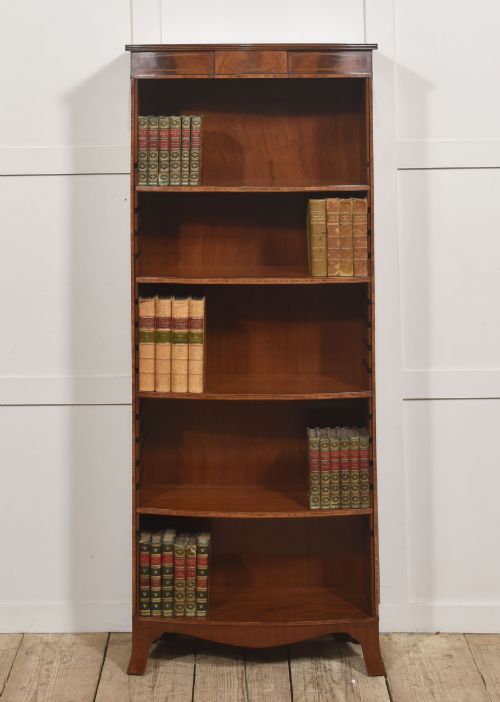
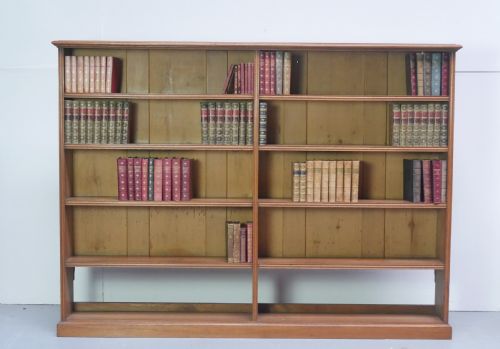
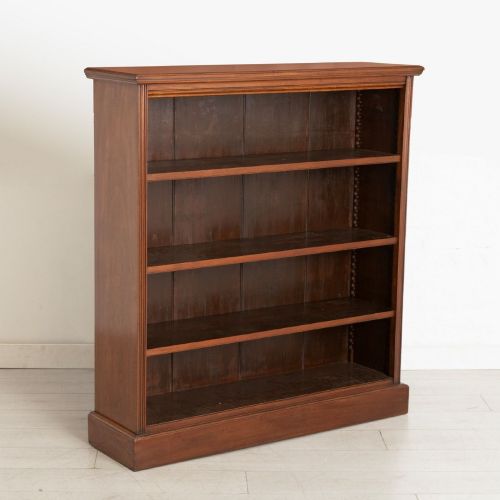
Open front display shelves encompass bookcases, whatnots, and shelving units designed to present books and objects without doors. These pieces serve domestic and study spaces by keeping collections visible and within reach.
Mahogany and oak dominate the selection, alongside walnut, rosewood, pine, and specialised timbers like burr walnut and birdseye maple. Most examples span the Victorian period through the early twentieth century, incorporating Edwardian and Art Deco influences.
Materials and Construction
Cabinetmakers utilised dense hardwoods such as mahogany, oak, and walnut, often applying decorative veneers like burr walnut or birdseye maple to primary surfaces. Inlaid details in contrasting timbers and brass embellishments frequently accent these woods.
Structural integrity relies on traditional joinery, sturdy backboards, and moulded edges. Adjustable shelf mechanisms and carved decorative elements appear on finer examples from the nineteenth and twentieth centuries.
The listings span from the mid-nineteenth century through the Art Deco era, featuring mahogany, oak, walnut, and rosewood.
Distinctions in Quality
Selection of timber grain and veneer figure dictates visual presence, with burr walnut, rosewood, and birdseye maple marking out superior pieces. Fine inlay work and carved mouldings separate standard utility items from more ambitious cabinetmaking.
Construction details such as adjustable shelf tracks, solid timber backs, and balanced proportions define the upper tier of production. Designer attribution or documented provenance further elevates specific pieces above standard workshop output.
The Open Front Display Shelves Glossary
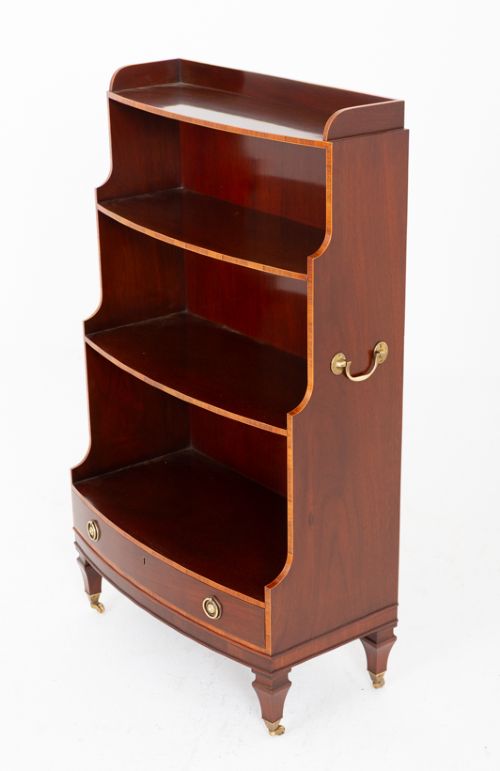
- Waterfall bookcase
- A shelving unit where each tier steps back progressively from bottom to top, creating a cascading profile.
- Whatnot
- A multi-tiered piece of freestanding furniture used for displaying ornaments and small objects.
- Breakfront
- A cabinet or bookcase where the central section projects forward from the flanking outer sections.
- Chiffonier
- A low cabinet, similar to a sideboard, often incorporating open shelving or enclosed storage beneath.
- Birdseye maple
- A figured maple wood showing small, circular markings resembling bird eyes within the grain.
Open Front Display Shelves: Frequently Asked Questions
How do I style open front display shelves?
Arrange books vertically and horizontally alongside decorative objects to create visual balance.
Keep items grouped by colour or scale to maintain a tidy appearance.
Are the shelves adjustable?
Many examples feature adjustable shelves that accommodate volumes of varying heights.
Check individual descriptions to confirm this function.
Which woods are most common?
Mahogany and oak appear most frequently across the listed pieces.
Walnut, rosewood, and pine also feature regularly.
How do I identify the period?
Design motifs, timber choices, and construction methods point toward specific eras like Victorian or Edwardian.
Stylistic cues such as Art Deco mouldings help narrow down the decade of production.