
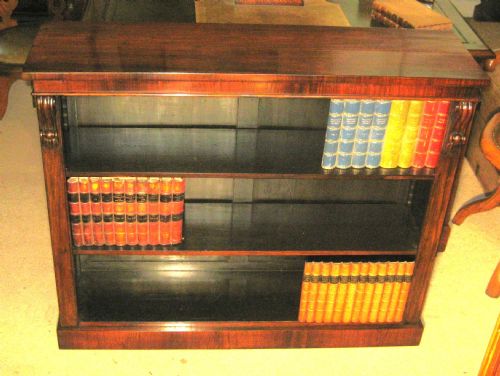
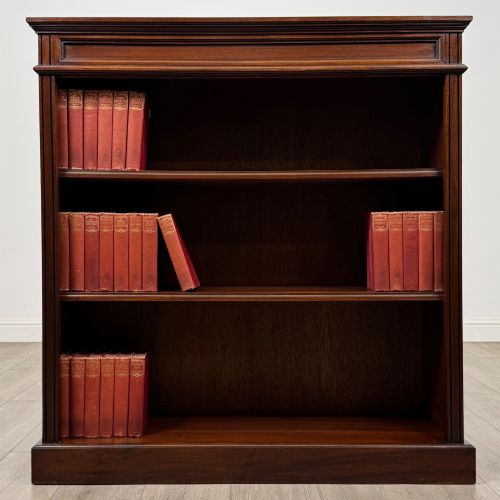
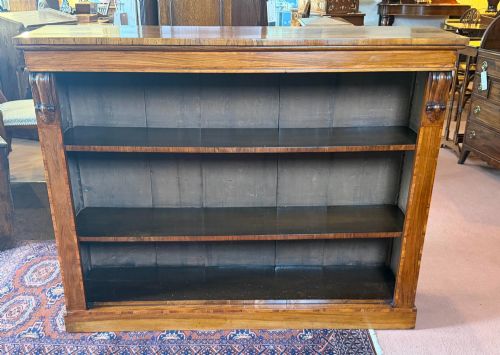
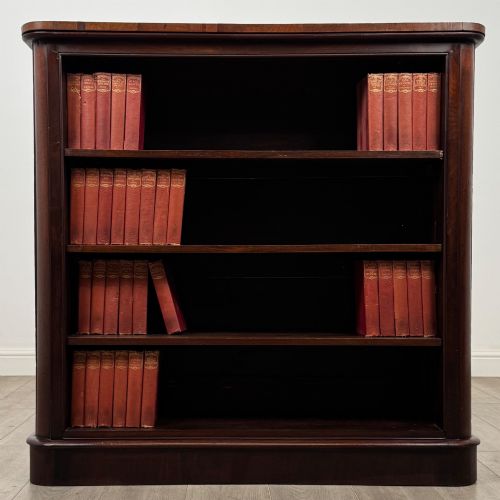


Open Face Bookshelf
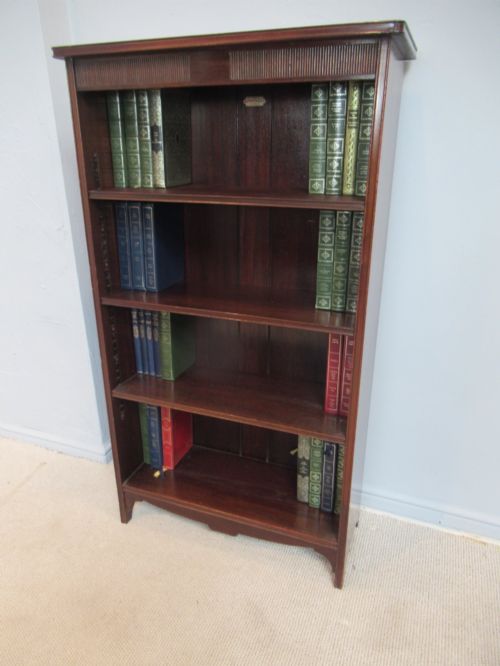
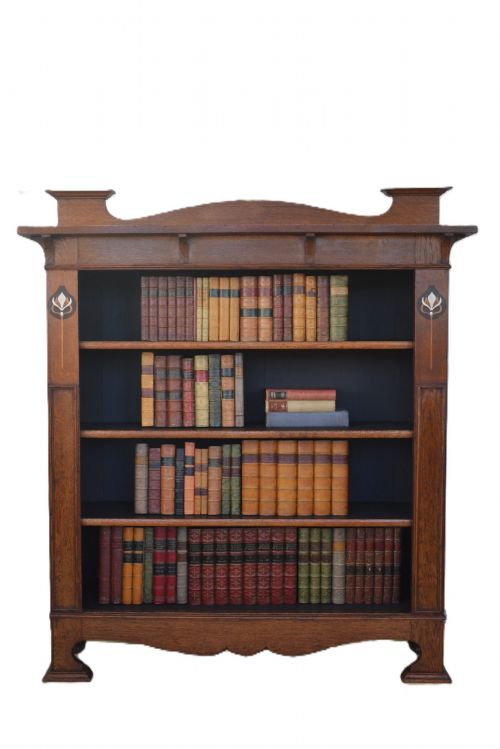
These open face bookshelf items are practical library furniture designed to keep volumes within arm's reach while displaying bindings clearly.
What an open face bookshelf is
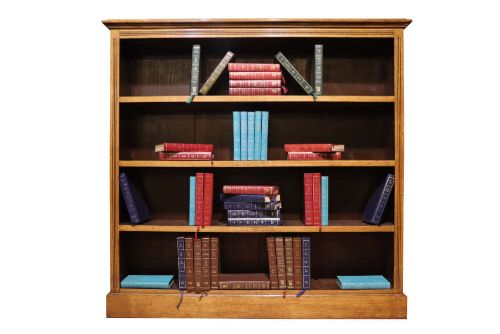
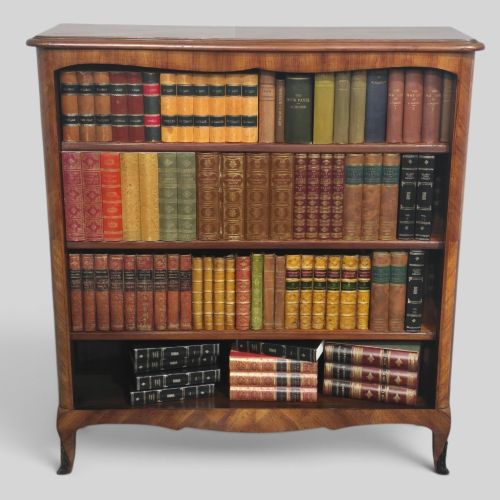
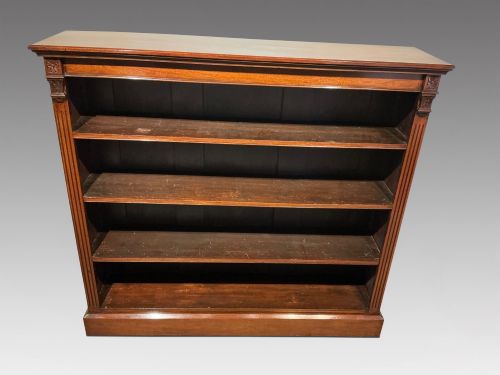
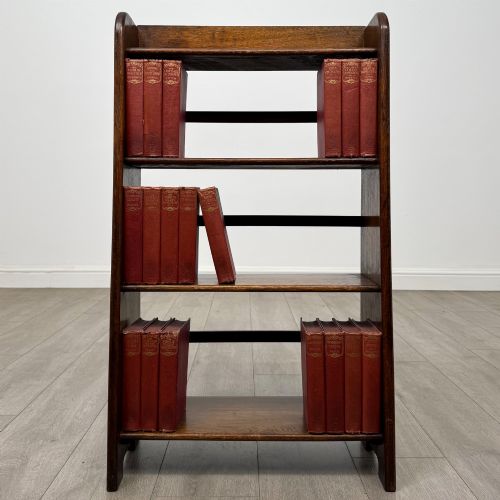
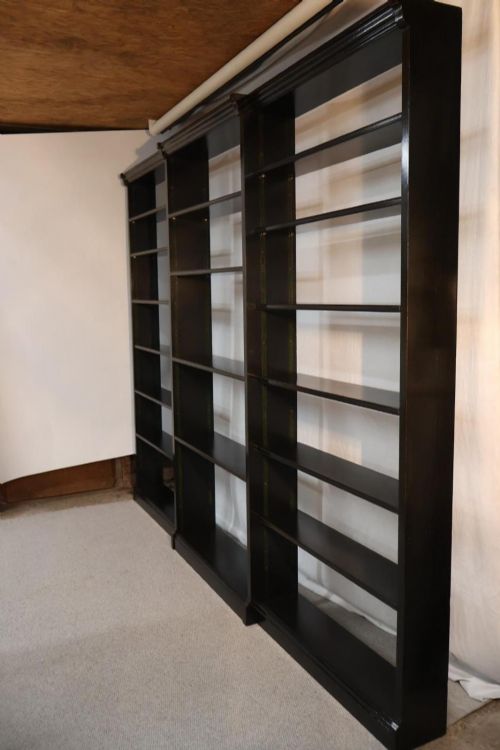
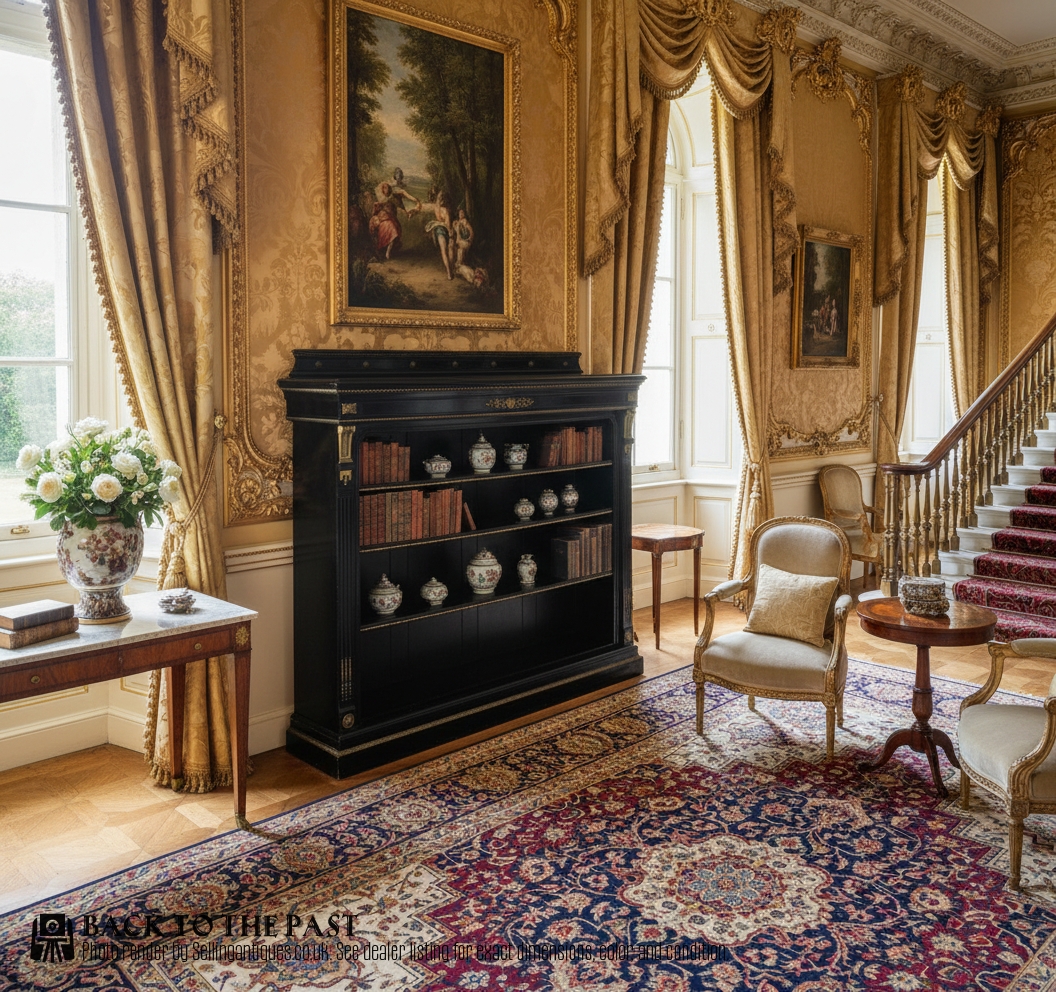
An open face bookshelf presents volumes directly to the room without glass doors or enclosing panels. The form ranges across Victorian, Edwardian, Arts and Crafts, Napoleon III, and Art Deco periods, with dates spanning the mid nineteenth century through to nineteen thirty.
Examples on this page appear in woods such as oak, mahogany, birdseye maple, and ebonised wood. These pieces function primarily as domestic bookcases intended for studies, libraries, and living spaces.
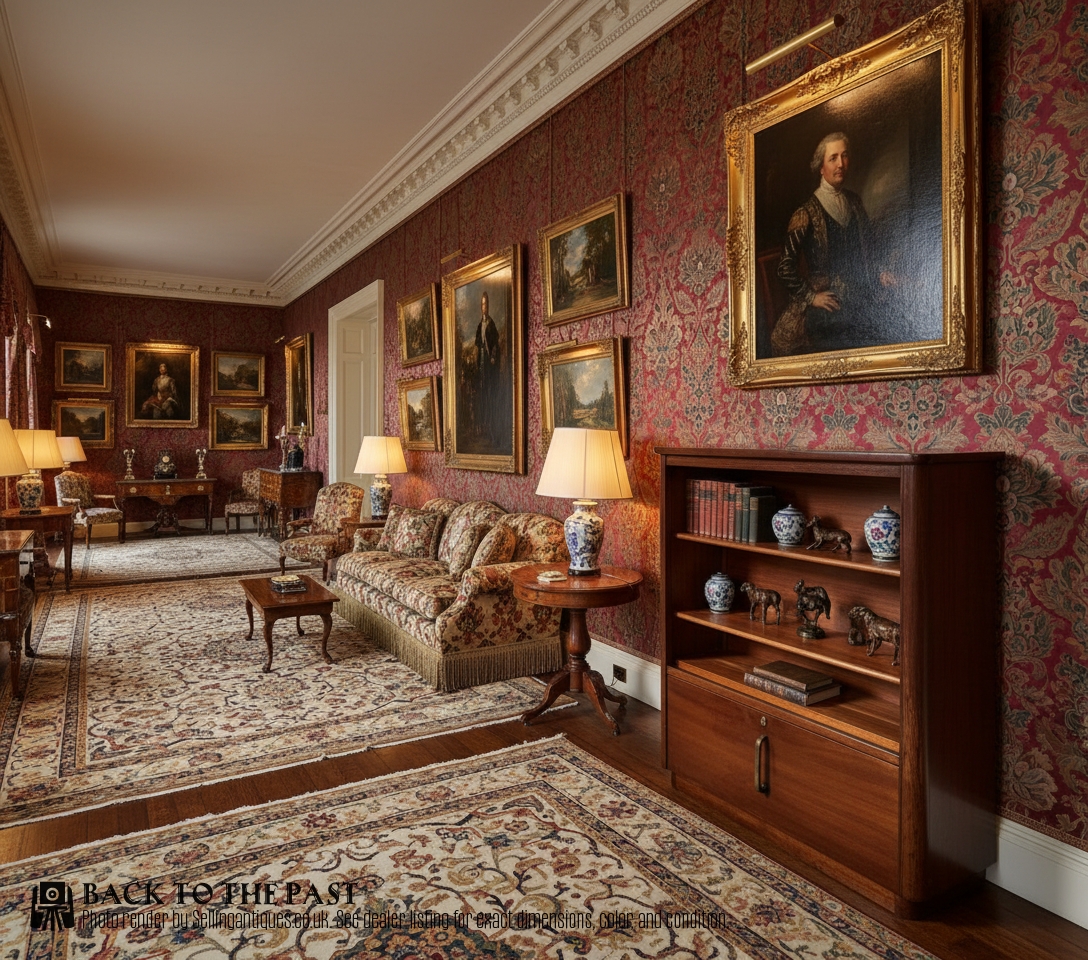
Materials and construction
Cabinet makers utilised hardwoods including mahogany, oak, and birdseye maple to build the primary structures of these bookcases. Secondary elements incorporate brass mountings, leather detailing, and ebonised finishes.
Joinery and surface treatments reflect the specific stylistic periods of manufacture, connecting mid nineteenth century cabinet work with early twentieth century production methods.
Retail Price Guide 2026
Typical UK retail prices for open face bookshelf, calculated from the Sellingantiques database of over a million retail prices indexed since 2003. This retail price guide relies exclusively on Sellingantiques data; no external sources or auction records are used, so the figures do not describe the wider market.
Some maple boards display tiny circular markings that look remarkably like a flock of birds peering out from the timber.
Distinctions in standard
Superior execution shows in the selection of choice timber veneers such as birdseye maple and the integration of quality metalwork like brass mounts. Commissioned pieces designed by architects or produced by established cabinet makers demonstrate higher levels of conception than standard commercial output.
The sophistication of the timber grain, the precision of the joinery, and the integrity of the original materials separate basic utility items from exceptional examples.
Waring and Gillows·Sir Charles Barry
The Open Face Bookshelf Glossary
- Ebonised wood
- Timber treated to imitate the dark, dense appearance of ebony. This finish was frequently utilised during the nineteenth century.
- Birdseye maple
- A figured timber showing small characteristic swirls resembling bird eyes. It appears in decorative cabinet work.
- Brass mountings
- Metal fittings of copper and zinc alloy applied to furniture for structural reinforcement or decoration. These elements often accent ebonised surfaces.
- Arts and Crafts
- A design movement valuing traditional craftsmanship and simple forms. Pieces from this style avoid excessive machine ornamentation.
Frequently Asked Questions
What is an open face bookshelf?
An open face bookshelf is a piece of furniture designed to hold books without doors or glass panels enclosing the front. This format allows immediate access to volumes and displays their spines directly.
Such pieces appear in various timbers and styles across the nineteenth and twentieth centuries, serving as functional storage within domestic rooms.
How do I date an open bookshelf?
Dating relies on observing the timber species, construction methods, and stylistic characteristics present in the piece. Evidence on this page includes Victorian, Edwardian, and Art Deco examples.
Specific design details and hardware, such as brass mountings or ebonised finishes, help place a piece within its proper historical period.
Which woods are used for these bookcases?
Makers constructed these bookcases using traditional hardwoods including mahogany, oak, and birdseye maple. Some examples feature ebonised wood surfaces.
Selection of timber often aligns with the prevailing style of the period, from mid nineteenth century maple to nineteen thirties mahogany.
Were these bookcases designed by architects?
Certain bookcases were specifically designed by architects or notable figures for country houses and estates. Documentation sometimes links particular pieces to specific commissions.
Such provenance distinguishes architect-designed furniture from standard commercial workshop production.