

Open Barley Twist
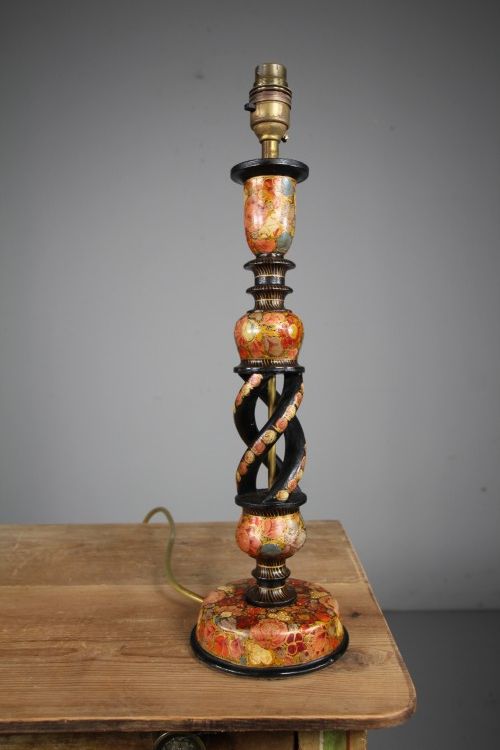
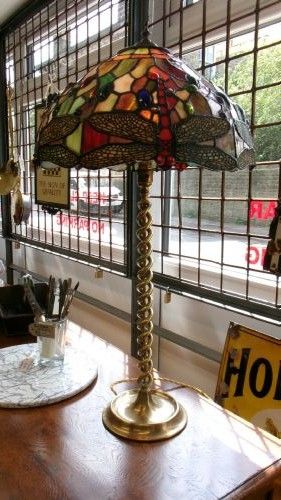
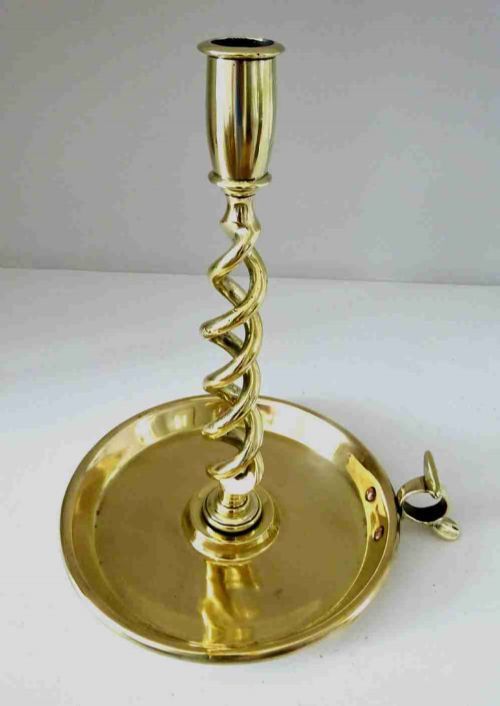
Open barley twist furniture and lighting display helical turned woodwork that lets light straight through the core.
Open Barley Twist
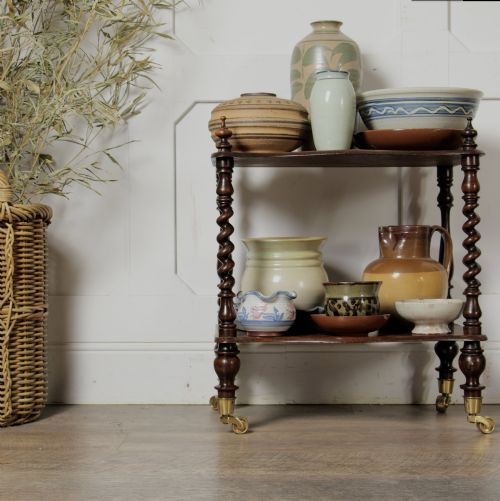
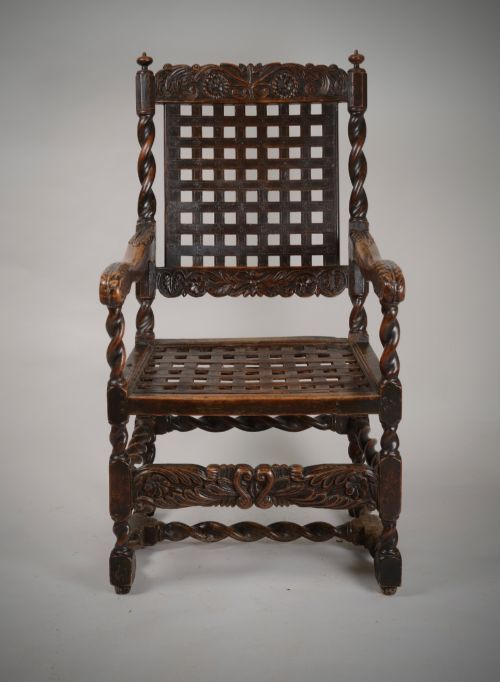
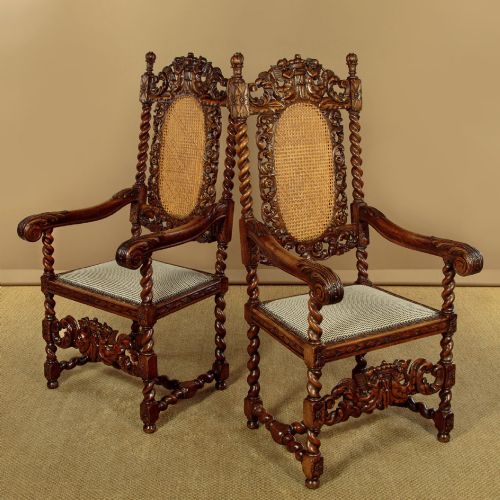
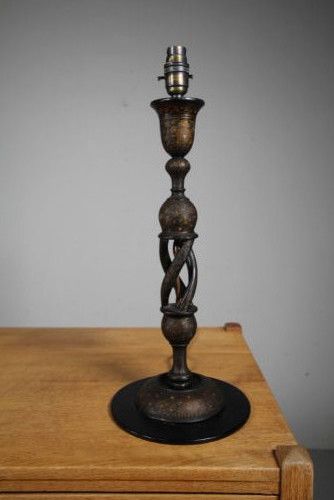
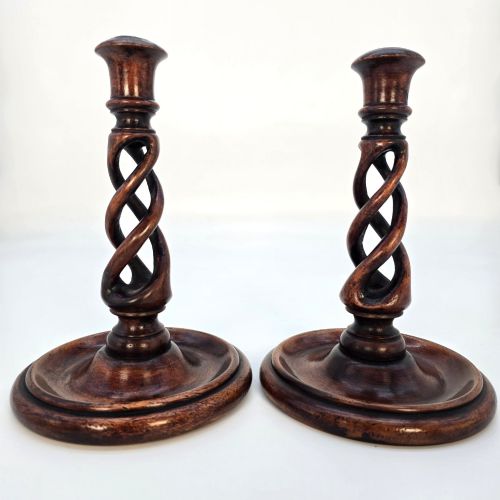
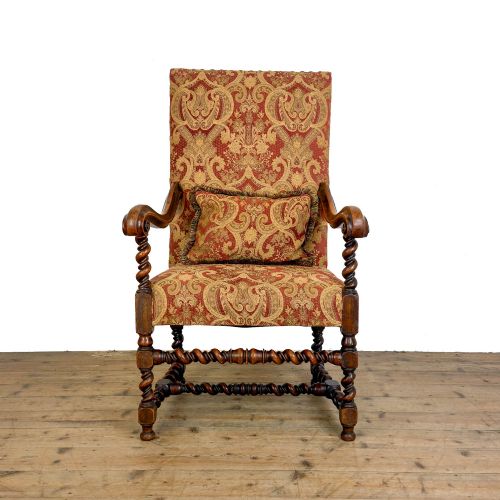
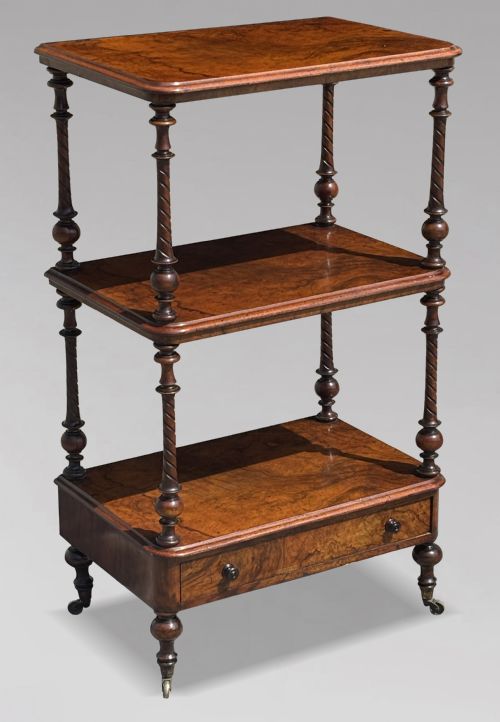
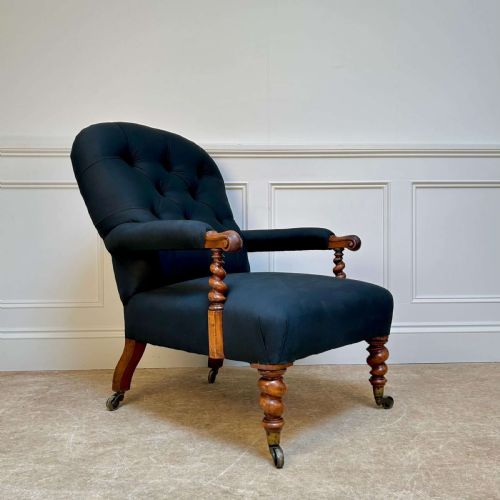
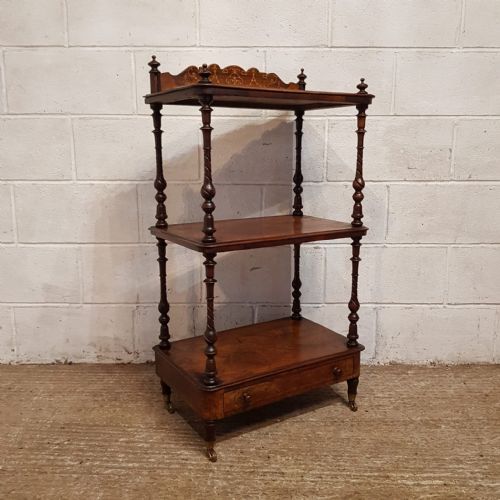
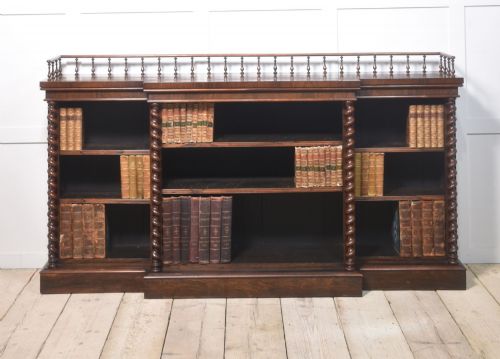
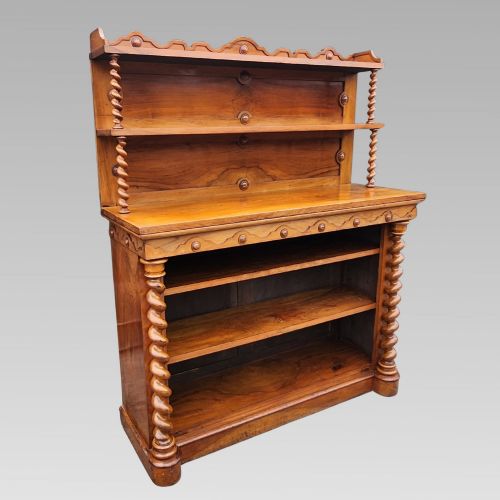
Open barley twist items span seating, shelving and lighting designed with a distinctive spiral column that leaves a clear central void. Buyers seeking open barley twist items encounter sturdy oak candlesticks, tiered mahogany and walnut whatnots, and upholstered armchairs.
The inventory ranges from 17th-century walnut chairs to 20th-century table lamps and display stands. Oak candlesticks appear most frequently in pairs, alongside multi-tier rosewood and burr walnut shelving units.
How they were made
Craftsmen shaped solid timbers like oak, walnut, mahogany, fruitwood, and rosewood into helical columns using hand-turning and carving techniques. Metal pieces utilise cast brass elements, sometimes paired with wooden bases or thistle tops.
Lighting adaptations involve running wiring through or alongside the turned stems. Upholstered seating incorporates fabrics and tapestries fixed to walnut, oak, or mahogany frames.
Listings feature oak, walnut, mahogany, rosewood, fruitwood, and brass across periods spanning from the 17th century to the 1920s.
What varies in quality
Quality shows in the precision and depth of the open channel running through the helical twist. Sharply defined cuts that maintain structural integrity reveal superior workmanship compared to shallow or clumsy grooves.
The choice of timber and secondary materials dictates refinement. Figured burr walnut veneers, solid rosewood, and well-cast brass fittings elevate domestic items like whatnots and candlesticks above standard utility pieces.
Hindley & Sons
The Open Barley Twist Glossary
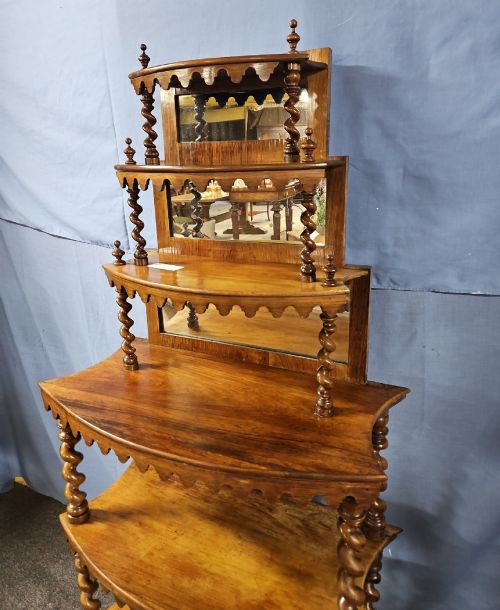
- Whatnot
- A multi-tiered piece of freestanding furniture used for displaying ornaments and books. These shelves frequently incorporate barley twist columns at the corners.
- Etagere
- A set of open shelves for displaying small objects. This French term describes tiered furniture identical in function to the English whatnot.
- Double helix
- A decorative form featuring two intertwining spiral threads. Edwardian table lamps occasionally display this complex twist.
- Demilune
- Shaped like a half-moon or semicircle. Console whatnot tables often utilise this flat-backed curved footprint.
Open Barley Twist: Frequently Asked Questions
What is an open barley twist?
An open barley twist is a spiral turned wooden or metal column where the centre is entirely hollowed out. This allows light and space to pass straight through the gaps in the helix.
Cabinetmakers and turners applied this decorative form to table lamp bases, armchair supports, and the uprights of multi-tiered shelving units.
How do I date a barley twist item?
Dating relies on timber selection, construction methods, and the overarching style of the piece. Seventeenth-century examples typically use solid walnut, while Victorian and Edwardian pieces feature oak, mahogany, or rosewood.
Candlesticks and whatnots from the early twentieth century often combine turned oak shafts with cast brass mounts and thistle tops.
Where were whatnots used in the home?
Whatnots served as versatile display furniture in Victorian and Edwardian reception rooms. Owners placed them in corners or against walls to hold books, ceramics, and decorative objects.
Multi-tiered versions provided graduated shelving that made efficient use of floor space while showcasing prized possessions.
Are vintage table lamps safely wired?
Older lamps frequently require rewiring to meet modern electrical safety standards. Many surviving examples have been updated with contemporary flex and fittings while preserving the original turned base.
Buyers should inspect the internal wiring of any antique lamp before connecting it to a power supply.