

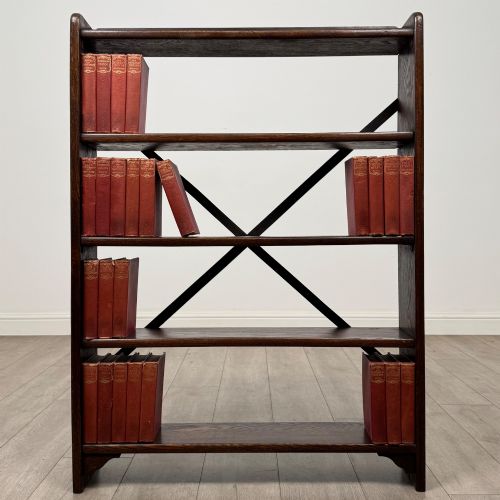
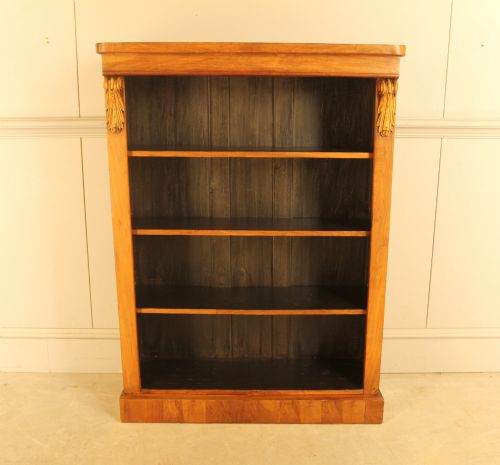
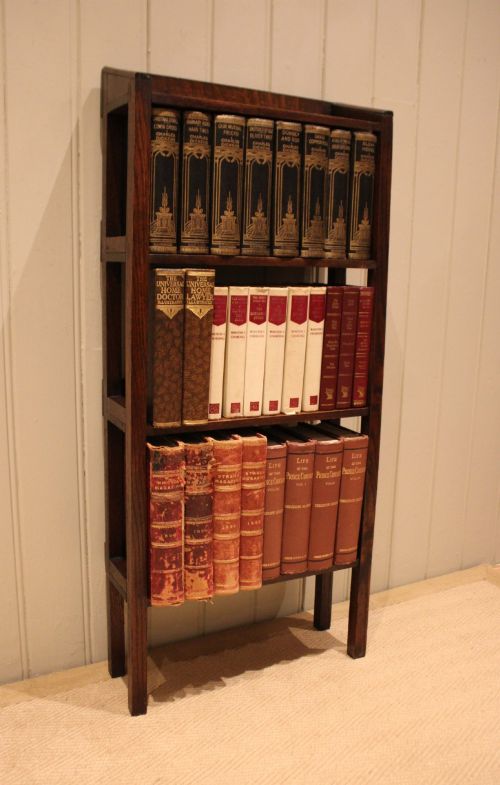
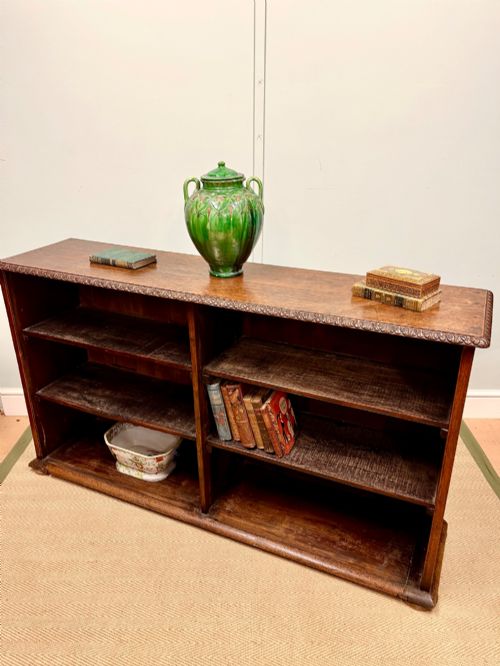
Open Back Bookcase
An open back bookcase offers straightforward display and storage, bringing timber and proportions from the nineteenth and twentieth centuries directly into a room.
Open Back Bookcase
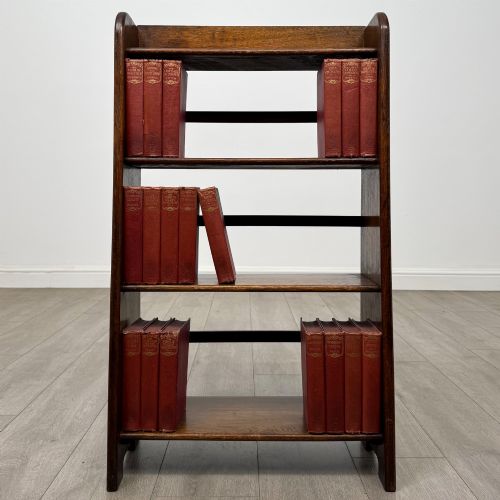
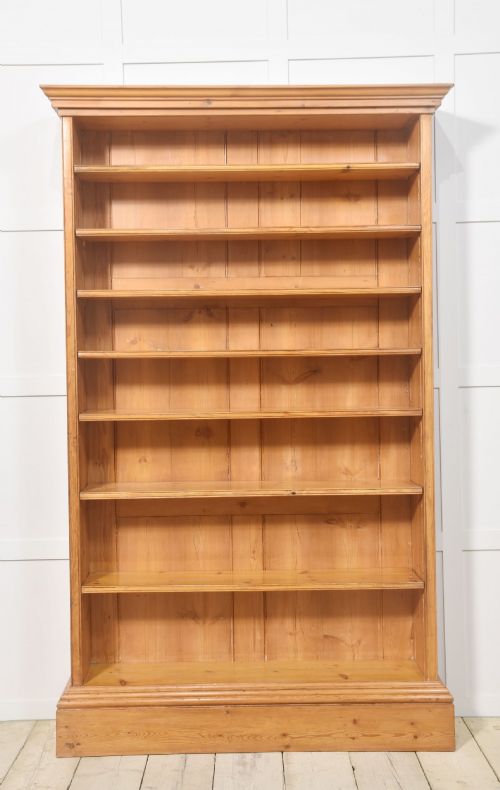
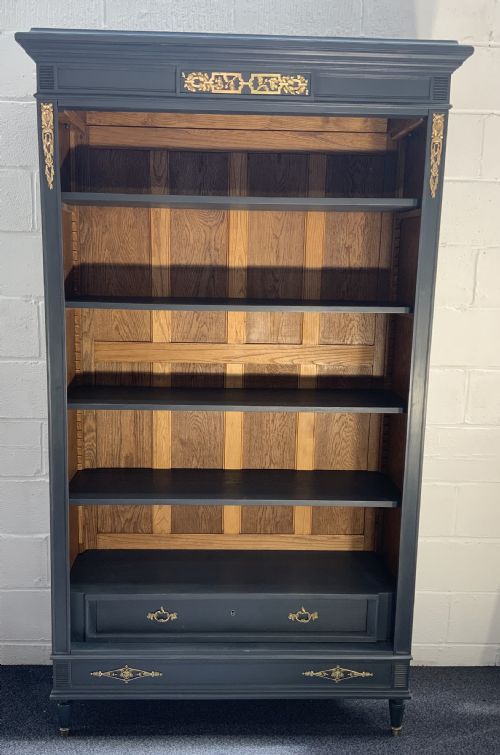
An open back bookcase provides accessible shelving for collections and volumes without the visual weight of solid wooden doors. When you search for an open back bookcase, you encounter pieces designed to stand against walls or act as low dividers within a room.
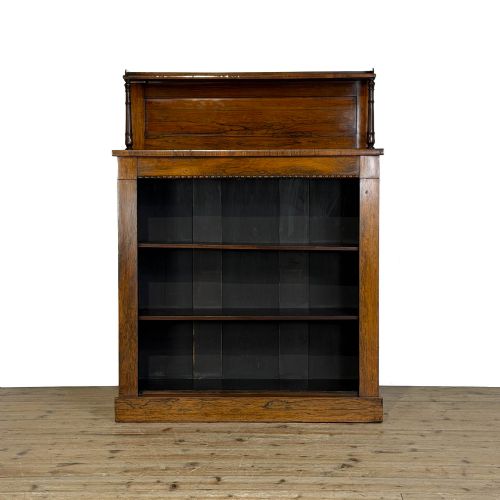
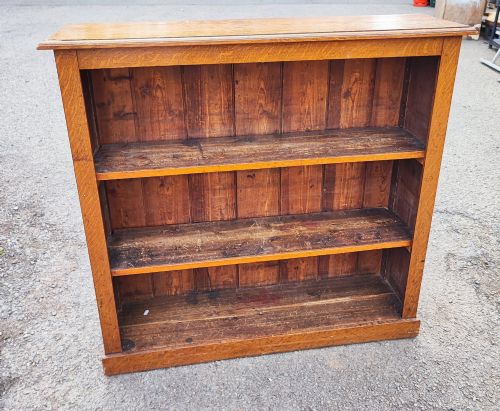
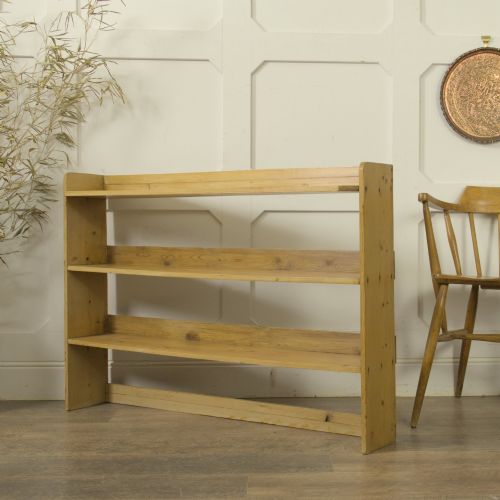
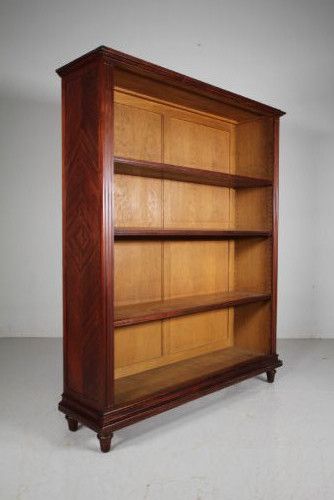
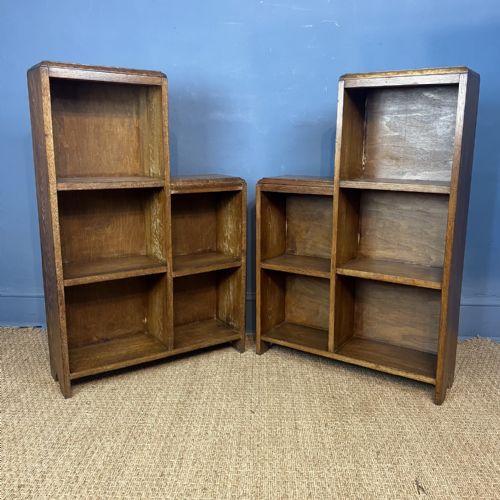
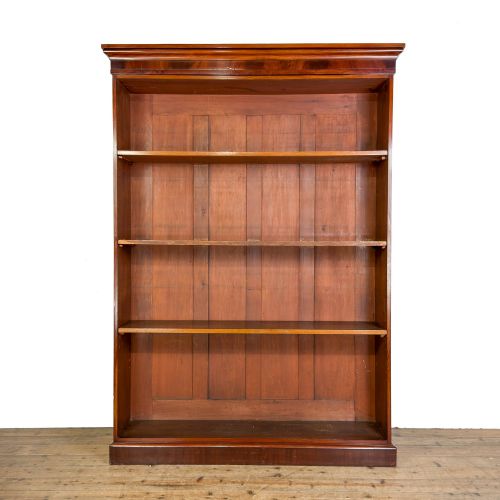
The selections span periods from the Regency era through to the 1930s, encompassing Victorian, Edwardian, and Art Deco designs. These range from substantial mahogany breakfronts and rosewood chiffoniers to rustic pine bookshelves and compact oak wall units.
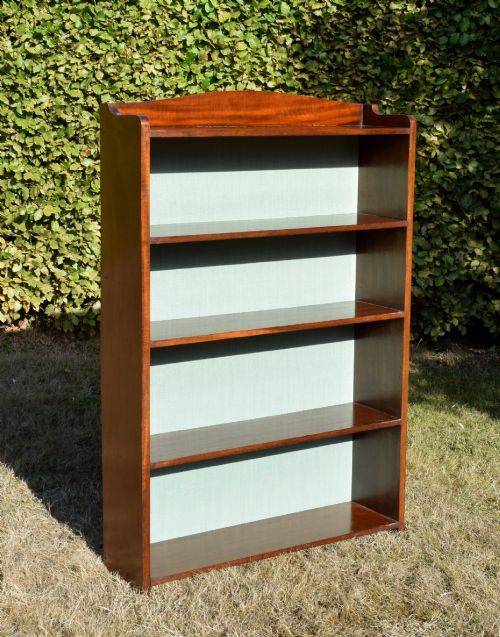
Most examples rely on timber construction with fixed or adjustable shelves, occasionally incorporating brass embellishments, mirror backs, or side cabinets. They serve primarily to house libraries while maintaining an airy feel in domestic interiors.
Assessing Quality and Execution
Superior pieces distinguish themselves through the choice of timber figure, such as well-matched mahogany grains or richly toned rosewood veneers. The handling of mouldings, carved details, and structural bracing separates bespoke workshop output from simpler utilitarian shelving.
Proportion and stability matter immensely in taller bookcases, where weight distribution and timber seasoning prevent warping over decades of use. Finer examples retain original patination on the wood and authentic brass or glass components without later alterations.
Listings feature eighteenth to twentieth century forms in oak, rosewood, walnut, and pine across styles from Regency to Art Deco.
George Edmund Street·Heals
The Open Back Bookcase Glossary
- Breakfront
- A piece of furniture where the central section projects forward from the flanking wings. This architectural arrangement creates depth and shadow on a wall.
- Whatnot
- A set of open shelves supported by slender columns or pillars, used for displaying ornaments and small books. They became popular during the nineteenth century.
- Chiffonier
- A low cabinet featuring shelves or a mirror back, combining storage space with display surfaces. Regency and Victorian examples often incorporate rosewood or mahogany.
- Ebonised
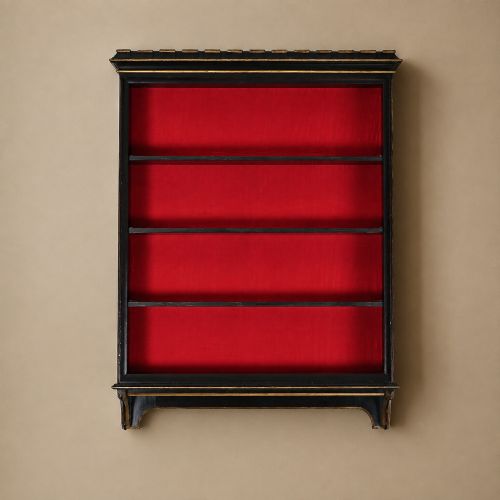
- Wood finished with a dark stain or paint to imitate ebony. This technique appeared frequently on nineteenth century and Art Deco display pieces.
- Barley twist
- A type of turning resembling a spiralling rope, used for table legs and upright supports on shelves. It adds texture and movement to the silhouette.
Open Back Bookcase: Frequently Asked Questions
How do I style an open back bookcase?
Position the piece against a painted wall so the room's colour shows through the empty back. Alternate vertical stacks of books with decorative objects and ceramics to maintain visual balance.
Keep heavier volumes on the lower shelves for physical stability and cleaner lines. Allow some empty space on shelves to preserve the light, open character of the furniture.
Can these bookcases hold heavy books?
Solid hardwood shelves made from oak or mahogany handle heavy volumes without sagging over time. Pine and lighter twentieth century boards suit standard novels and lighter collections.
Check whether the shelves are fixed or adjustable to accommodate varying book heights. Overloading older pine or thin walnut boards can cause permanent bowing.
How do I identify a Victorian open bookcase?
Victorian pieces often feature darker timbers like walnut, rosewood, and mahogany, sometimes with rich grain patterns or inlaid details. Look for construction traits such as hand-cut dovetails and heavier moulded cornices.
Later Victorian examples may show Gothic revival influences, ebonised finishes, or turned spindle galleries. The absence of plywood and the presence of shrinkage cracks in the timber indicate age.
Are Edwardian bookcases different from Victorian ones?
Edwardian bookcases generally display lighter proportions and simpler lines than their Victorian predecessors. Oak and pine appear frequently, sometimes with rustic country finishes or modest brass fittings.
Designers in this period favoured brighter, airier domestic interiors, reducing excessive carving. Utility and straightforward functionality took precedence over heavy ornamentation.