


Opaline Glass Light
An opaline glass light brings a soft, diffused glow to a room through its characteristic milky translucent shade.
Opaline Glass Light
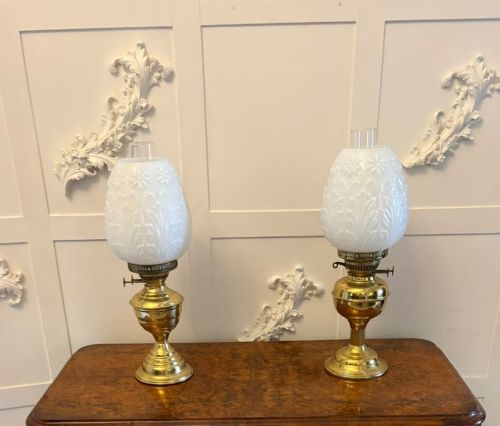
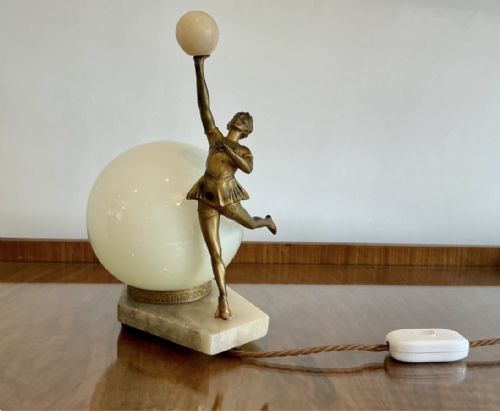
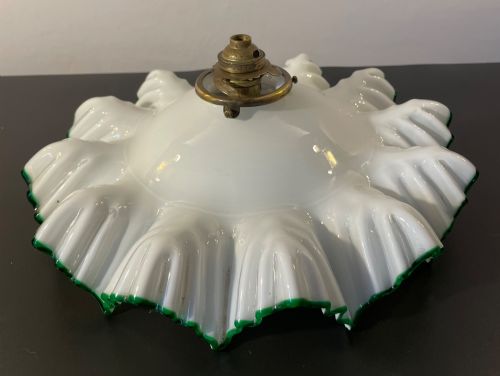
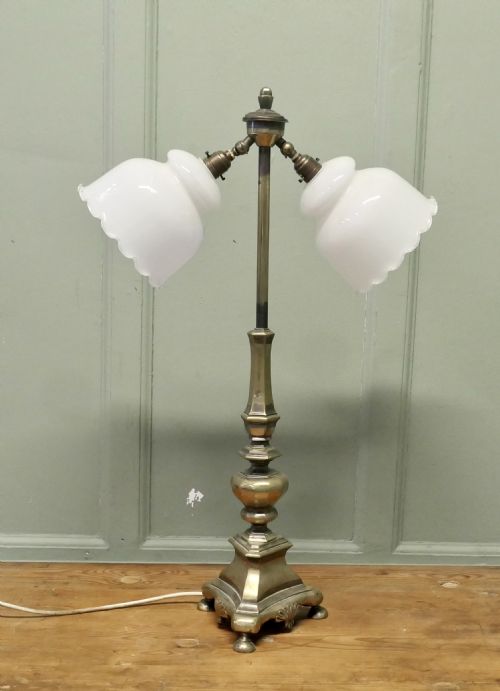
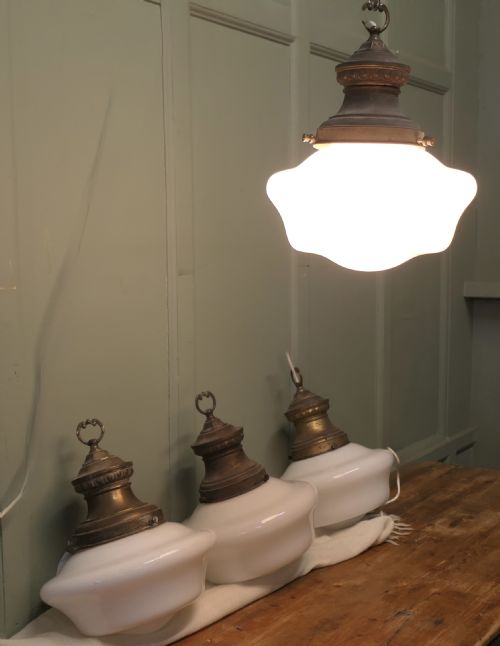
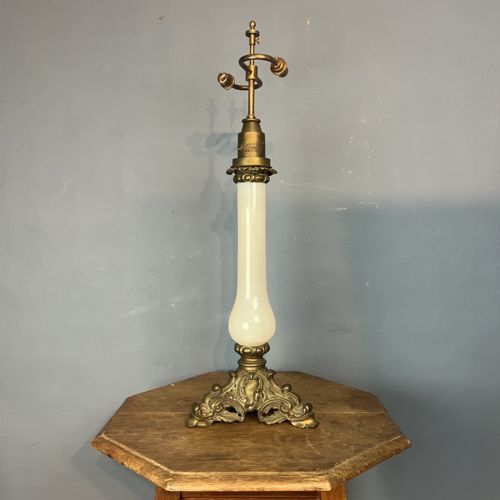
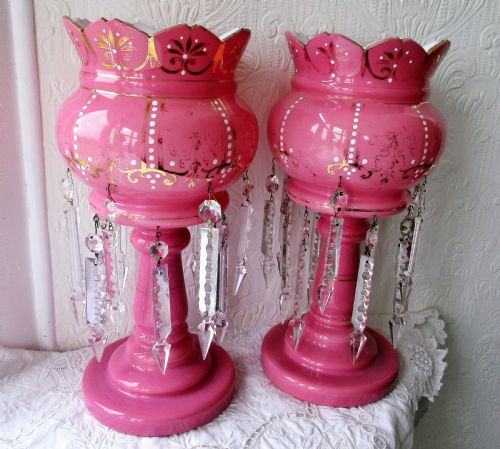
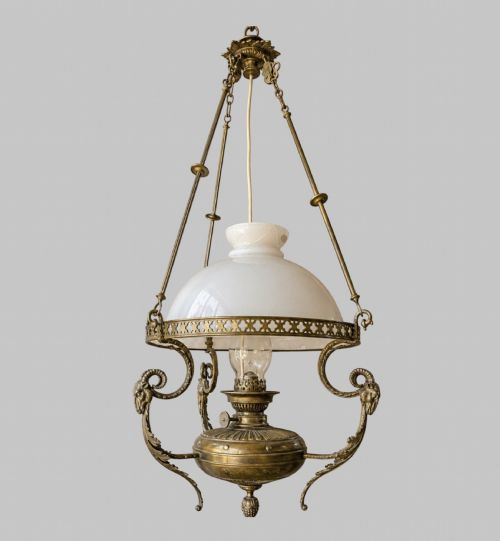
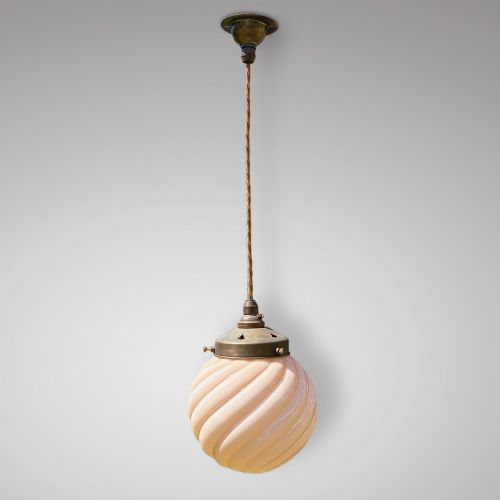
When searching for an opaline glass light, buyers encounter a variety of forms including pendant lights, ceiling lights, table lamps, and oil lamps spanning the Victorian, Edwardian, and Art Deco periods.
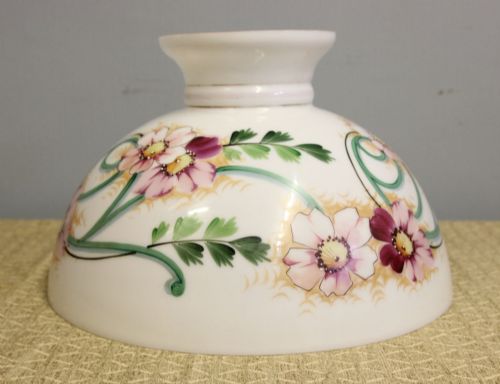
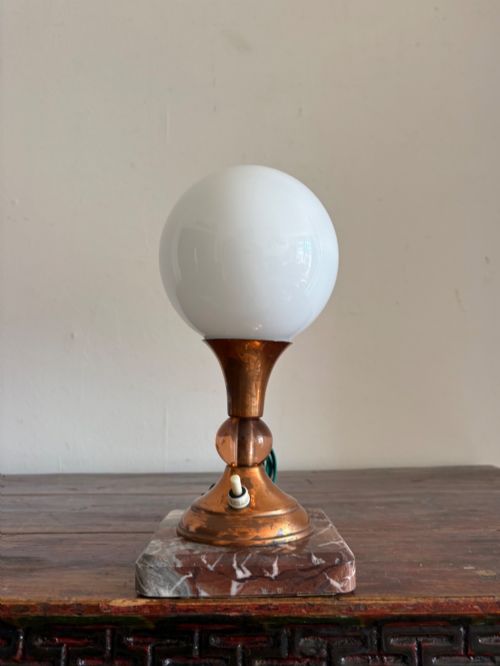
The material appears in distinct shades ranging from traditional milk white to blue and pink, often shaped as globes, cones, or pear-like pendants.
Many examples combine the glass shades with metal mounts in brass, bronze, or chrome, reflecting styles from industrial utilitarian designs to French art deco.
How they were made
Makers produced opaline glass by adding bone ash, arsenic, or tin oxide to the molten batch to create the characteristic opaque, milky appearance that diffuses light evenly.
Metal components such as galleries, chains, and bases utilised brass, copper, bronze, or chrome, frequently matched with marble or porcelain elements.
Assembly often involved specialised burners in earlier oil lamps or fitted galleries to secure the glass shades safely to pendant and ceiling fixtures.
Listings feature opaline glass lights combined with brass, chrome, copper, and marble across Victorian, Edwardian, and Art Deco styles.
What varies in quality
Quality rests in the weight and even density of the opaline glass, alongside the crispness of any moulded or reeded surface detail.
Metalwork execution distinguishes finer examples, where heavy cast brass, gilt bronze, or detailed ormolu mountings demonstrate superior craftsmanship compared to plain utility fittings.
JOSEPH HINKS·Mc Gary·Perry And Co·Wild And Wessel·Moser
The Opaline Glass Light Glossary
- Opaline glass
- A type of semi-opaque glass with a milky appearance, used extensively for lighting to soften glare.
- Gallery
- The metal ring or collar that holds a glass lampshade in place on a pendant or oil lamp.
- Plafonnier
- A ceiling-mounted light fixture with a shallow bowl shade positioned close to the ceiling.
- Lustre
- A decorative glass vase or ornament hung with cut glass prisms, sometimes adapted with lighting elements.
- Hinks burner
- A specific double-wick burner mechanism found on nineteenth-century oil lamps.
Opaline Glass Light: Frequently Asked Questions
What is opaline glass?
Opaline glass is a translucent or opaque white glass developed during the nineteenth century. It diffuses light gently without creating harsh glares.
It was frequently moulded into globes, shades, and vases, often paired with brass or bronze fittings.
How do I date an opaline light?
Dating relies on the mounting hardware, shape, and stylistic markers such as Victorian brass oil lamp mounts or Art Deco chrome galleries. Lighter, geometric forms typically point to the nineteen-thirties.
Earlier nineteenth-century pieces often feature heavier bronze or gilt brass columns and hand-painted details.
Were these originally oil lamps?
Many Victorian and Edwardian examples began as paraffin or oil lamps before later conversion to electricity. These often retain burners, fonts, and heavy metal bases.
Pendant versions from the early twentieth century onwards were predominantly designed for electric suspension.
How do I clean an opaline shade?
Cleaning requires warm soapy water and a soft cloth to remove dust without scratching the glass surface. Avoid harsh abrasives that can damage the exterior finish.
Metal galleries should be cleaned separately according to their specific metal type, such as brass or chrome.