


Opalescent Decorative Bowl
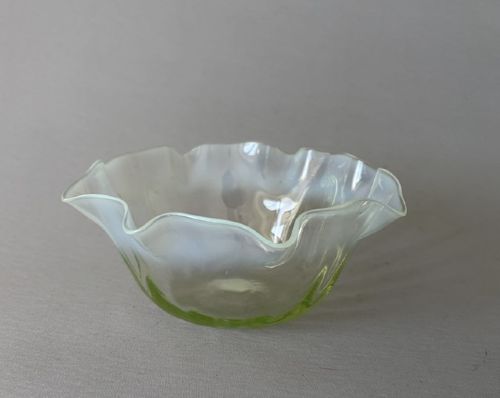
An opalescent decorative bowl catches the light with milky, shifting hues, bringing tactile depth and French glass artistry to a room.
Opalescent Decorative Bowl
When you search for an opalescent decorative bowl, you encounter luminous glassware designed for display rather than utility. These pieces primarily date from the Edwardian period through the 1930s, reflecting Art Nouveau and Art Deco sensibilities.
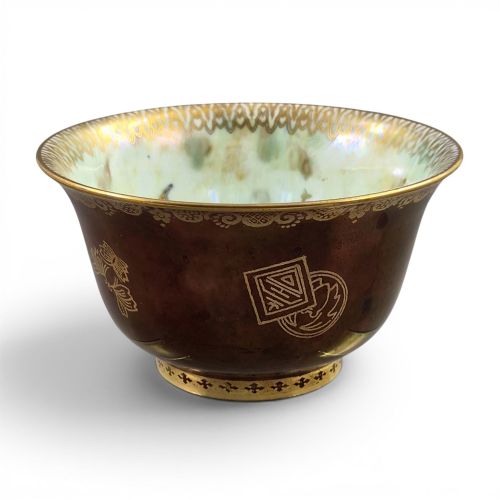
The most common forms on this page are shallow bowls, chargers, and plates moulded in clear glass that catches the light with milky blue or amber highlights. Alongside these glass pieces, you find porcelain items featuring rich glazes and gold leaf.
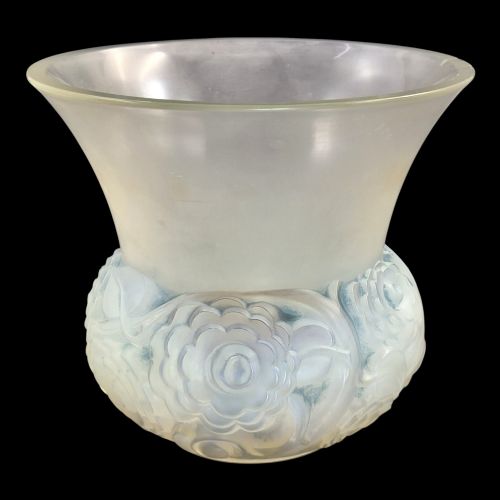
Moulded glass creations dominate the selections, often bearing specific floral or aquatic motifs across their surfaces. Each object showcases the distinctive optical effects achieved by Edwardian and early twentieth-century makers.
Materials and methods
These items rely on opalescent glass, crystal, and porcelain worked through pressing and moulding techniques. Artisans also applied gold leaf and specialist glazes to ceramic surfaces to enhance their decorative impact.
Glass pieces utilise chemical agents within the molten batch to scatter light, creating the characteristic milky translucence that shifts from blue to amber depending on the angle of illumination. Relief decoration is cast directly into the glass through specialised metal moulds.
Materials recorded across the inventory include opalescent glass, crystal, porcelain, glaze, and gold leaf.
Evaluating craftsmanship
Quality in an opalescent decorative bowl rests upon the crispness of the moulded relief and the depth of the optical effect. Finer examples display sharp, well-defined floral or aquatic details rather than softened contours.
The strength and evenness of the milky opalescence across the surface indicate the skill involved in the glass formulation. Pieces with superior clarity in the base metal and vibrant light dispersion command greater visual presence.
Rene Lalique·Sabino·Daisy Makeig-Jones Wedgwood
The Opalescent Decorative Bowl Glossary
- Opalescent glass
- Glass containing agents that cause it to appear milky with blue or amber highlights when lit from the front. This optical quality defines the aesthetic of the category.
- Art Deco
- A design style from the 1920s and 1930s characterised by stylised motifs and geometric symmetry. Many pieces on this page reflect this movement.
- Art Nouveau
- An earlier decorative style favouring flowing, organic lines inspired by natural forms. It appears in the floral patterns of Edwardian pieces.
- Charger
- A large decorative plate or shallow bowl used for display. These items often feature prominent moulded relief around the rim.
Opalescent Decorative Bowl: Frequently Asked Questions
How do I date these bowls?
Dating relies on stylistic markers from the Art Nouveau and Art Deco periods, alongside specific mould designs. Pieces from the 1920s and 1930s often show geometric or stylised naturalism.
Edwardian examples may incorporate detailed lustre glazes and porcelain materials. Examining the moulding techniques also helps place the item within its production era.
Where were these pieces made?
The majority of the glass items originate from French workshops and glasshouses active in the early twentieth century. These manufacturers specialised in moulded art glass.
Other examples include British porcelain produced during the Edwardian era. France and Britain represent the primary geographic origins for these works.
How should I display them?
Place these bowls where natural or artificial light can strike the glass from the front. This illumination activates the milky opalescence and highlights the moulded details.
Keep them on stable surfaces away from heavy traffic areas to protect the glass or porcelain. Proper lighting transforms the optical qualities of the piece.