

Omega Swiss Watch
An omega swiss watch brings precision horology to the wrist, offering mechanical mastery and mid-century elegance that collectors prize.
Omega Swiss Watch
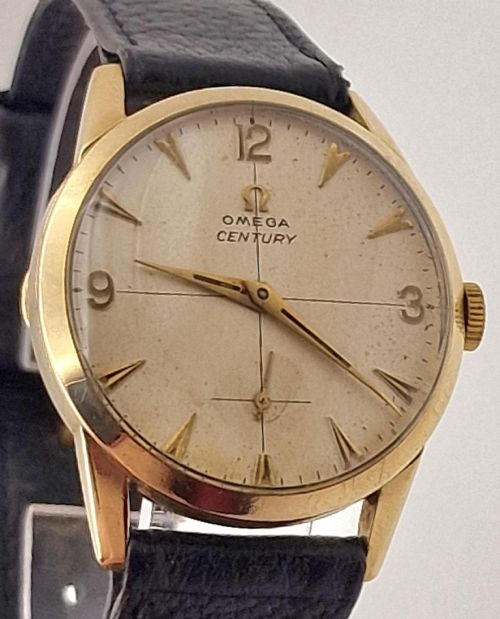
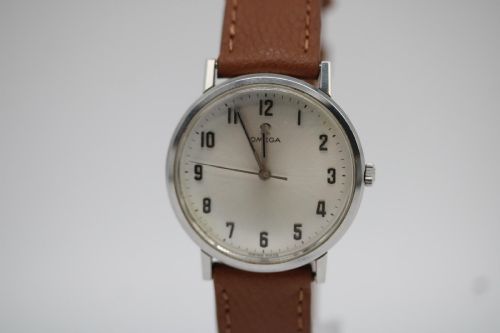
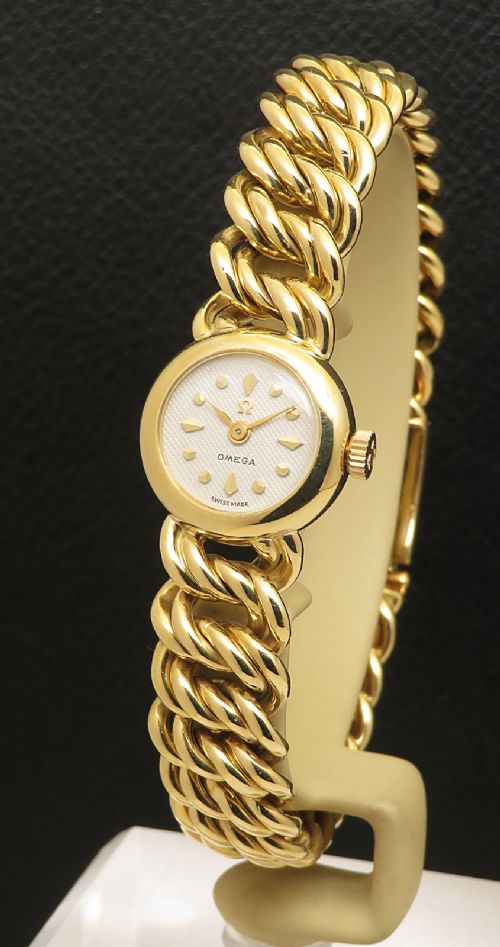
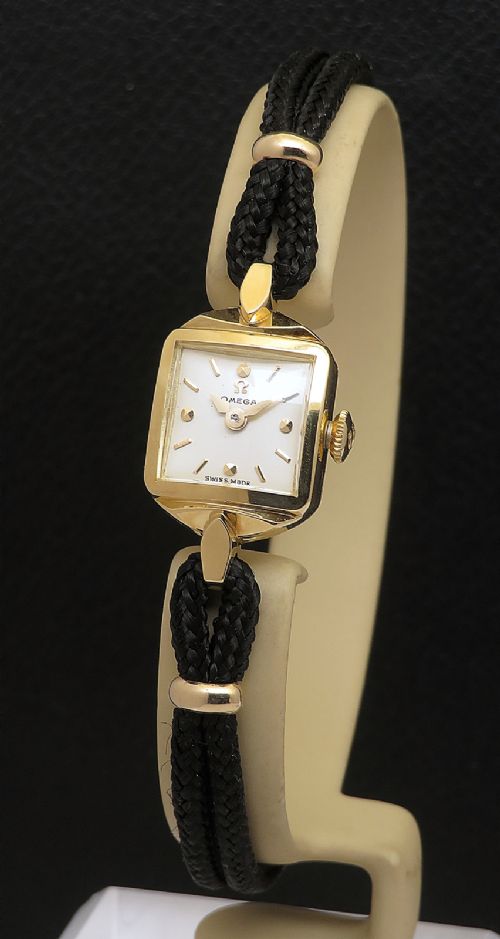
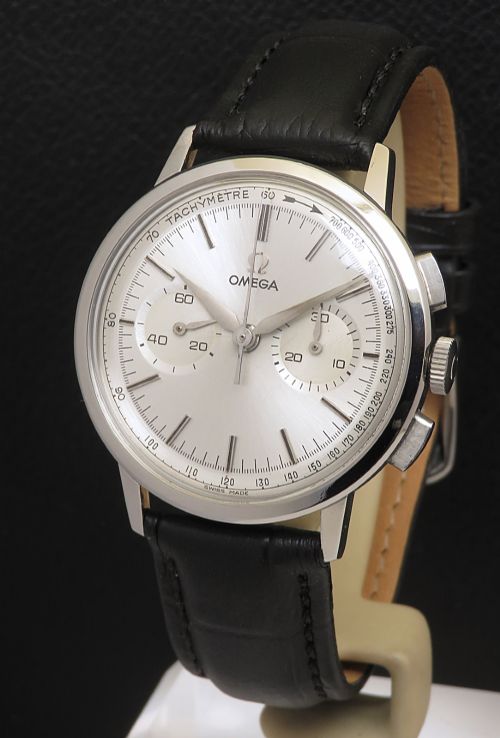
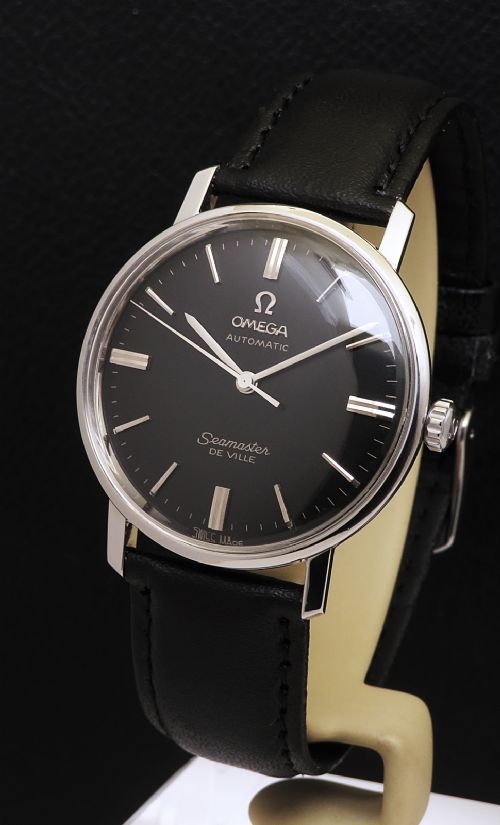
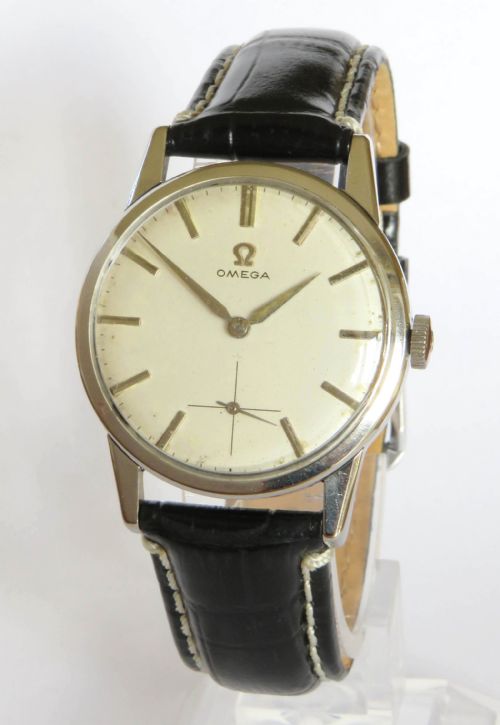
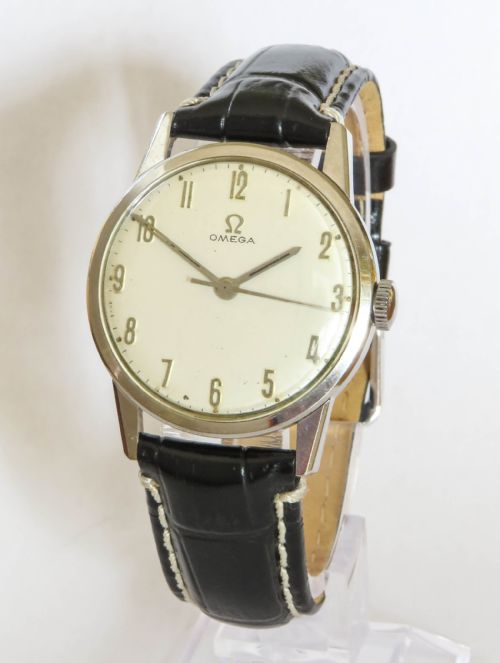
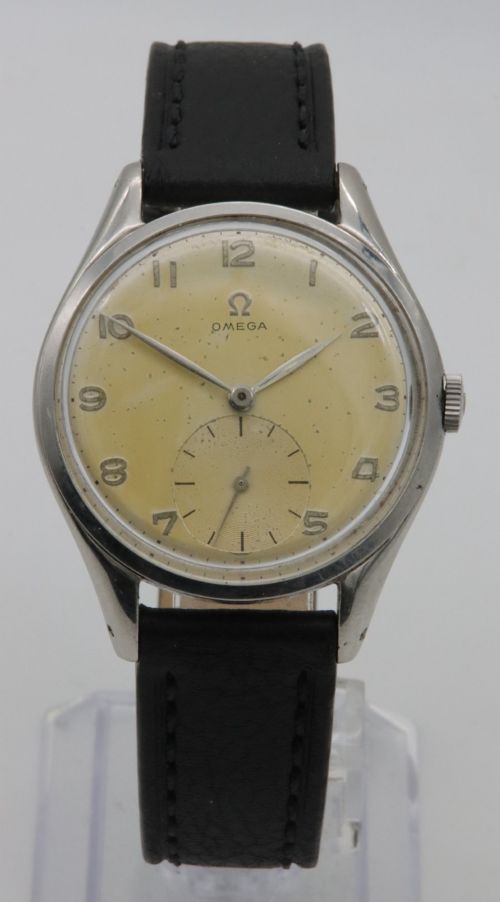
An omega swiss watch encompasses vintage wristwatches, pocket watches, and specialised timepieces spanning the early twentieth century through the nineteen-seventies. Buyers searching this phrase meet robust stainless steel models alongside luxurious gold pieces.
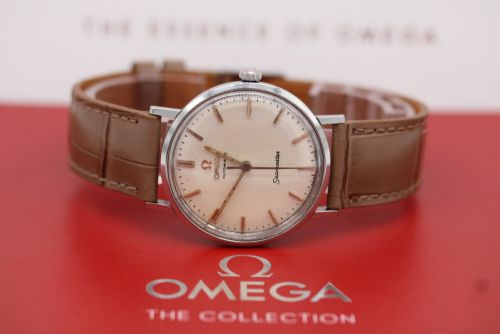
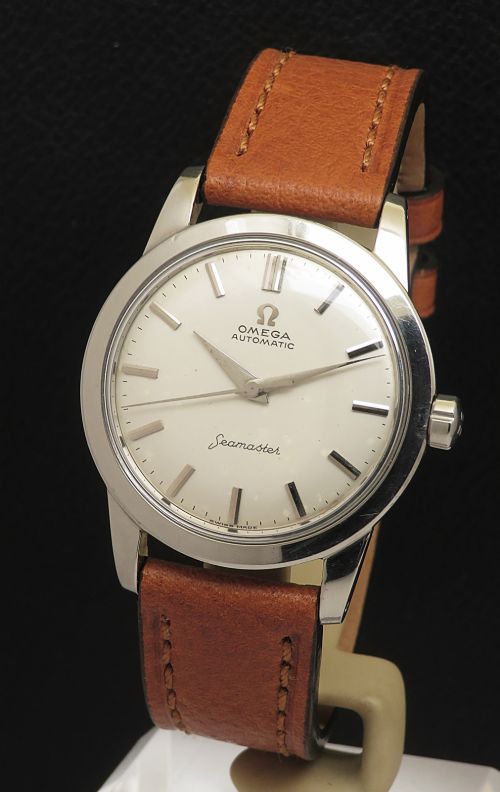
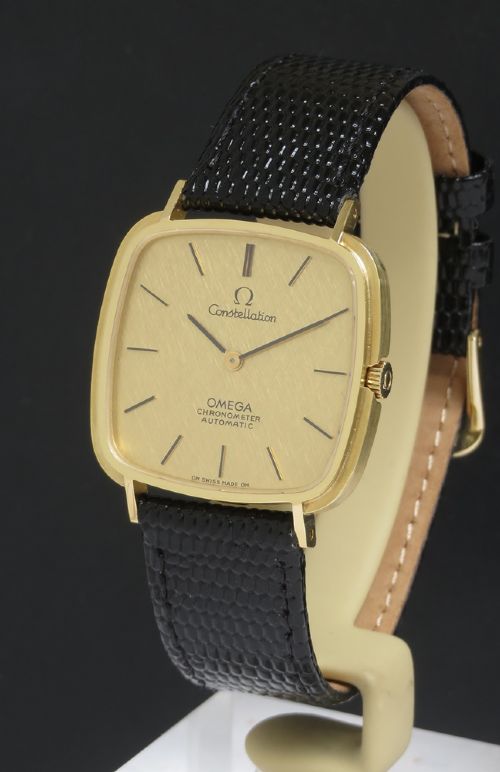
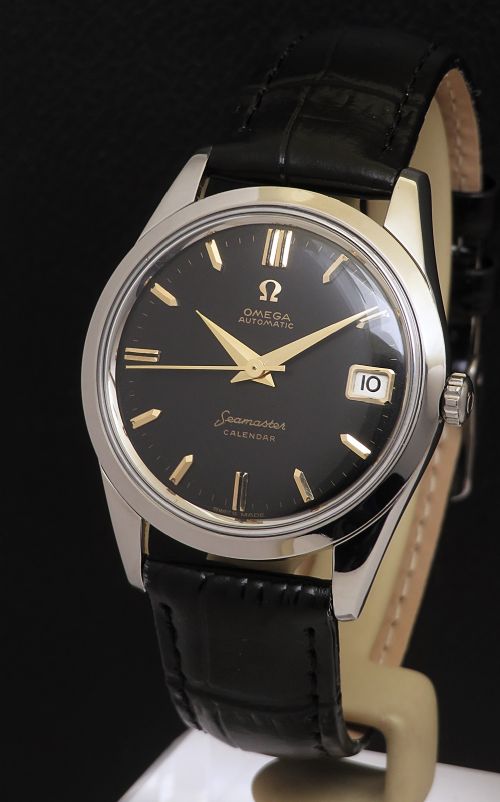
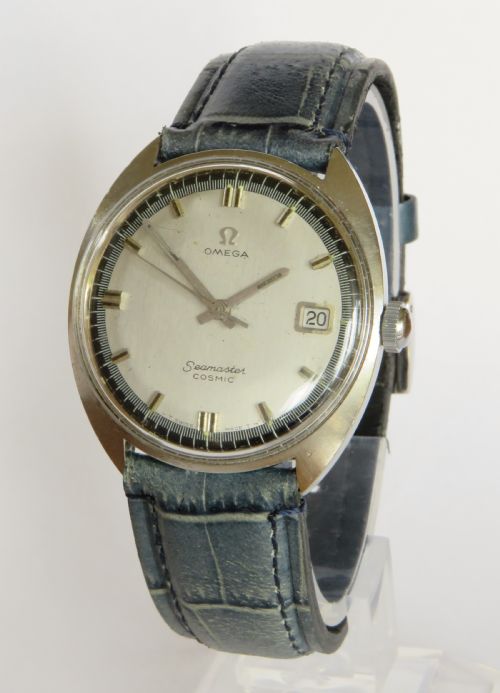
The selections on this page feature iconic lines such as the Seamaster, Constellation, and Genève, alongside dress watches and chronograph variations. These mechanical pieces reflect decades of horological development from Swiss workshops.
Materials and Craftsmanship
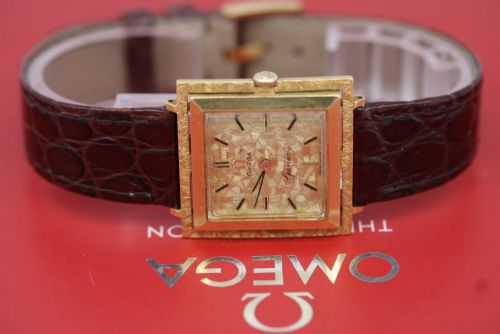
Cases are formed from stainless steel, gold plate, solid 9ct gold, and 18ct yellow gold, paired with glass or acrylic crystals and leather straps. Metalwork often incorporates finely finished components designed to protect the internal movements.
Movements rely on manual wind and automatic mechanisms, sometimes incorporating specific calibres and chronograph complications. Enamel dials and textured finishes complete the construction of these horological instruments.
Omega Swiss Watch Retail Price Guide 2026
Typical asking prices for omega swiss watch among the pieces listed under this phrase on Sellingantiques today, from the lower quarter to the upper quarter. They describe what is for sale here now, not the wider market.
Drivers edition models feature dials turned sideways so motorists could check the time without taking their hands off the steering wheel.
Assessing Horological Quality
Quality rests upon the originality of components, the preservation of the dial, and the mechanical condition of the movement. Examples retaining original boxes, papers, or specific signed calibres stand apart in desirability.
The choice of precious metals, such as heavy 18ct gold cases, elevates certain models above standard steel or gold-plated equivalents. Condition ranges from untouched historical specimens to fully restored examples.
Omega
The Omega Swiss Watch Glossary
- Calibre
- The internal mechanical movement of a watch, designated by a specific factory number. This identifies the particular design and architecture created by the maker.
- Chronometer
- A precision timepiece tested and certified to meet strict accuracy standards over various temperatures and positions. These movements represent higher tiers of horological performance.
- Bumper
- An early automatic winding mechanism where the rotor swings back and forth against springs rather than rotating fully. Collectors find this characteristic movement in mid-century pieces.
- Gold Filled
- A thick layer of gold mechanically bonded to a base metal core, offering greater durability than standard plating. This technique appears frequently on mid-century dress watches.
Omega Swiss Watch: Frequently Asked Questions
What is an Omega Seamaster?
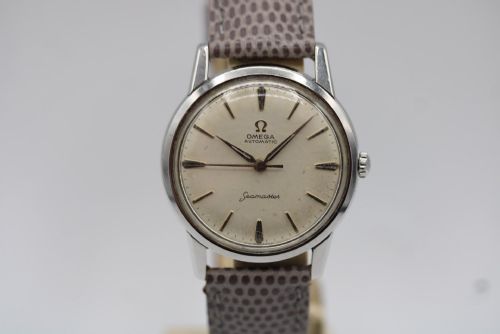
The Seamaster represents a durable line of water-resistant watches introduced by the brand in the mid-twentieth century. These versatile timepieces evolved from robust tool watches into sophisticated everyday wear.
They appear frequently in stainless steel or gold-plated finishes, often housing automatic movements like the calibre 5xx series.
How do manual wind and automatic differ?
Manual wind watches require daily turning of the crown to tension the mainspring and store power. Automatic versions utilise an internal weighted rotor that winds the spring using natural wrist movement.
Both systems power the intricate gear trains that drive the hands across the dial.
Are original boxes and papers important?
Original boxes and accompanying paperwork provide provenance and complete the historical narrative of a vintage timepiece. They offer tangible links to the original purchase date and retail destination.
While not strictly necessary for daily wear, complete sets hold greater interest for dedicated collectors.
How should I care for a vintage watch?
Mechanical timepieces require periodic servicing by a skilled watchmaker to maintain lubrication and accuracy. Avoiding moisture exposure protects older seals and delicate internal components from corrosion.
Store them away from strong magnetic fields and extreme temperature shifts when not on the wrist.