



Olive Green Armchair
An olive green armchair brings rich tone and deep comfort to a room, drawing the eye with its historic upholstery and carved wooden frames.
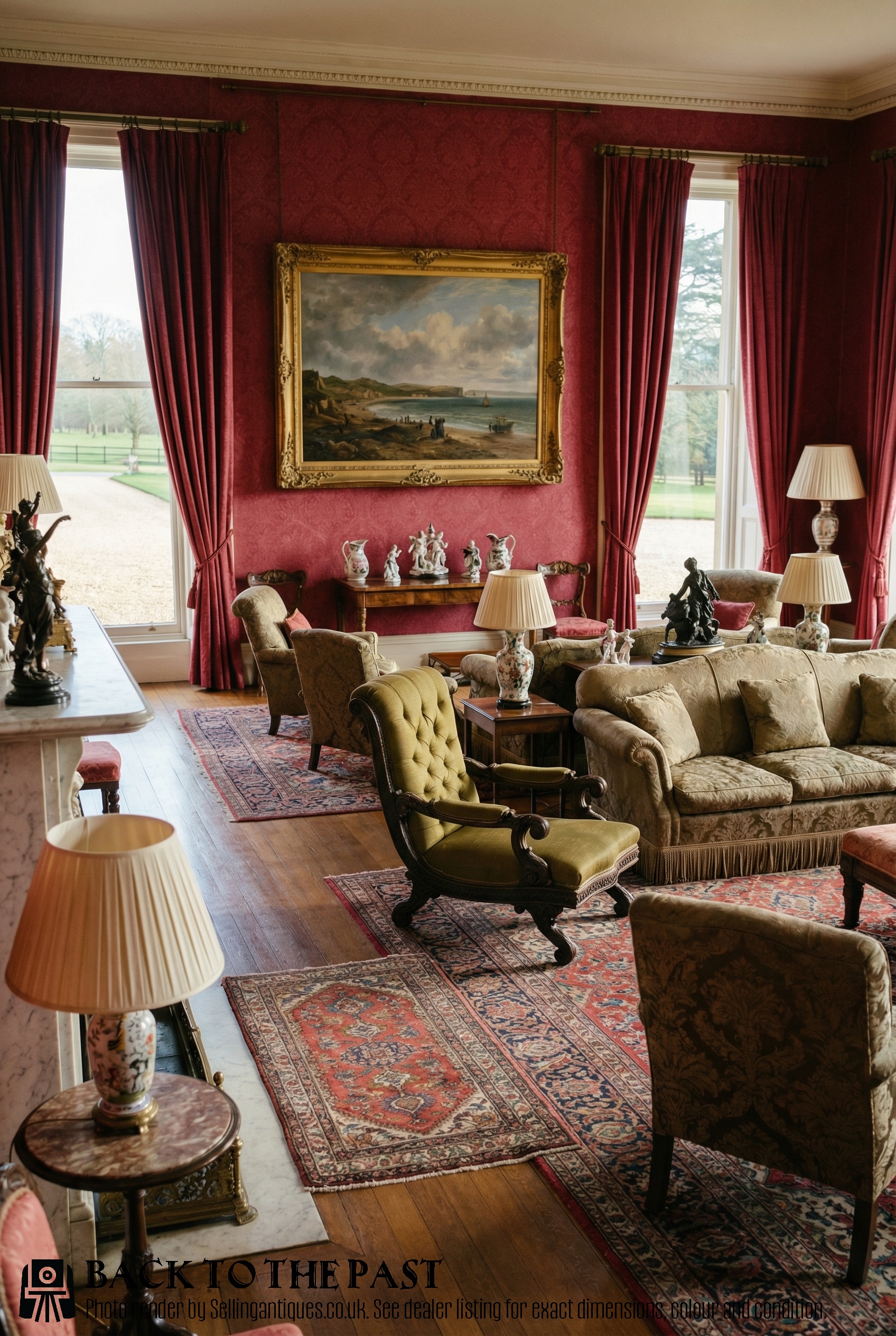
What these pieces are
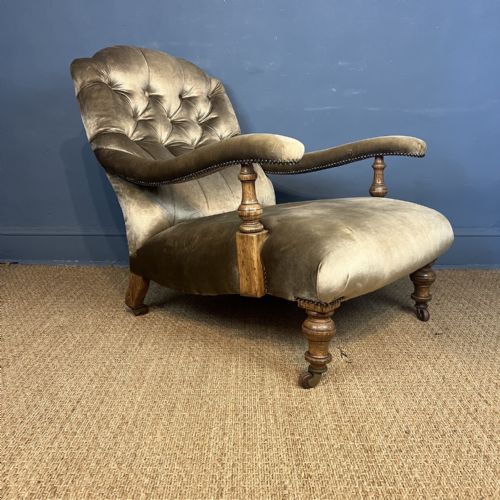
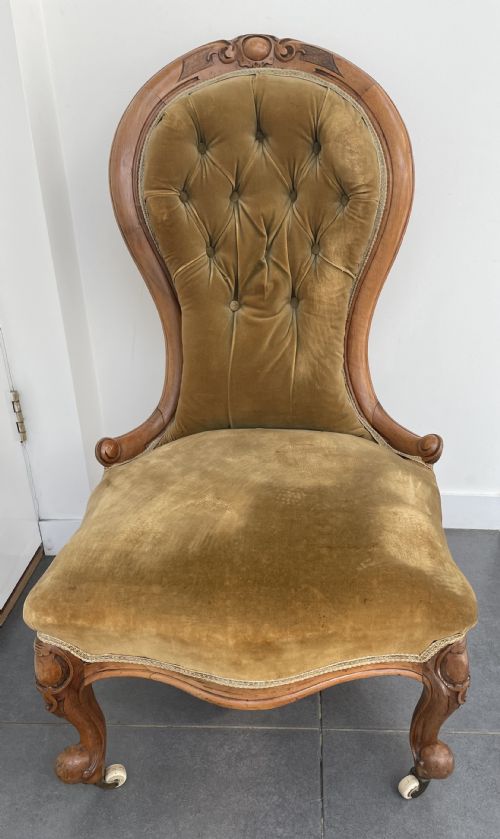
An olive green armchair encompasses nineteenth-century seating upholstered in characteristic dark green tones, often paired with exposed timber framing. The search phrase covers diverse forms from the Victorian period through to later club styles, offering buyers deep seat cushioning and traditional silhouettes.
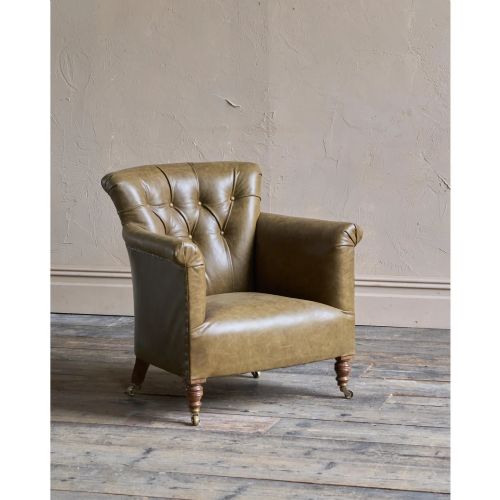
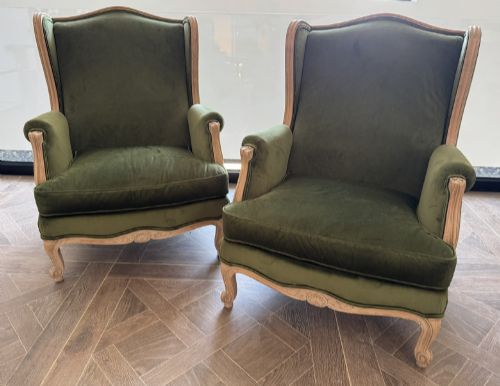
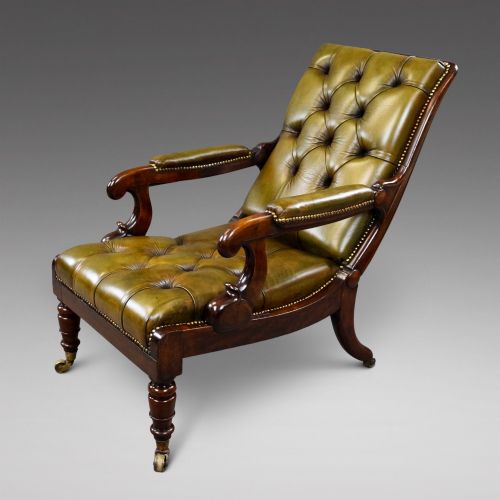
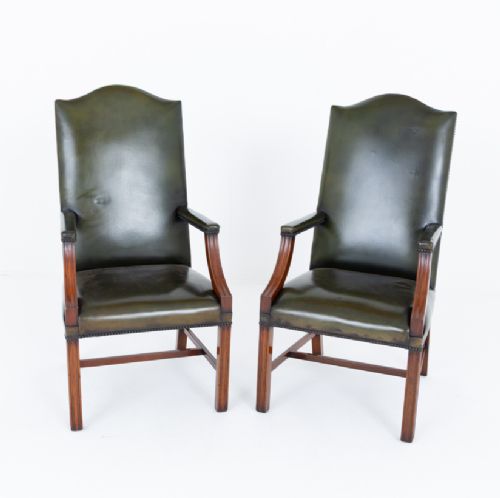
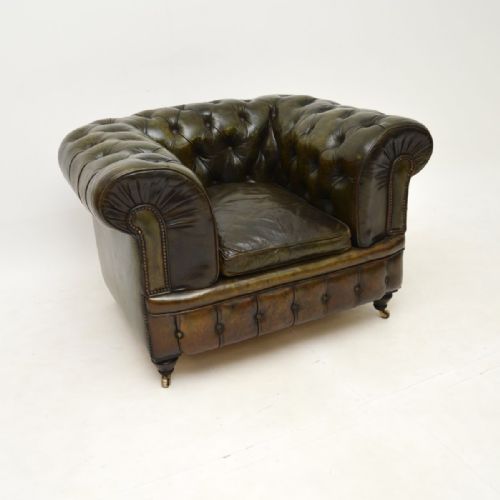
The pieces listed on this page range from early nineteenth-century rosewood and mahogany frames to ornate giltwood Louis XIV style chairs. Earlier archive items demonstrate that this category also includes chesterfield and buttoned wing armchair designs finished in olive green leather or fabric.
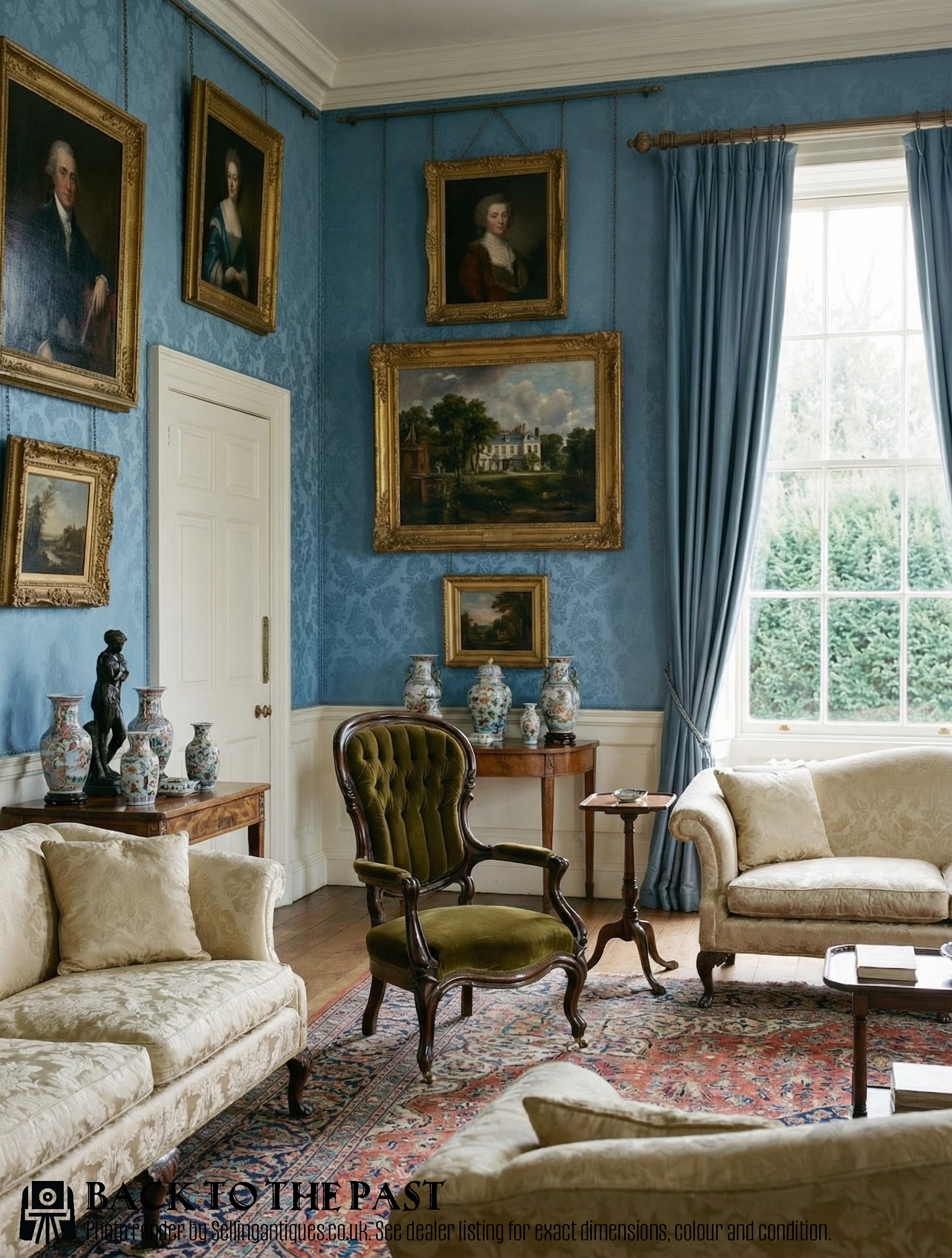
How they were made
Maker workshops utilised dense hardwoods such as mahogany and rosewood, carving structural frames with floral motifs and scrollwork. Giltwood was also employed for more decorative styles, adding a layer of gold leaf over carved wooden bases.
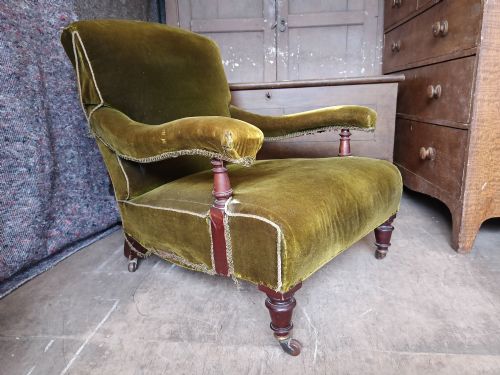
Upholstery techniques combined traditional sprung interiors with durable surface materials like velvet, leather, and woven fabric. Brass castors were frequently fitted to the feet of wooden frames to aid mobility across heavy carpets.
Retail Price Guide 2026
Typical UK retail prices for olive green armchair, calculated from the Sellingantiques database of over a million retail prices indexed since 2003. This retail price guide relies exclusively on Sellingantiques data; no external sources or auction records are used, so the figures do not describe the wider market.
Recorded periods span the nineteenth century, including specific dates such as 1850, 1870, 1880, and the Victorian era.
What varies in quality
Quality reveals itself in the crispness of the hand-carved woodwork and the selection of primary timbers like solid rosewood or mahogany. Finer examples display intricate detailing on the frames and retain original brass castors.
The choice of covering material and the execution of buttoning or stitching dictate the finish at the upper end of the scale. Leather and velvet upholstery show varying degrees of patina and suppleness depending on age and initial grade.
The Olive Green Armchair Glossary
- Rosewood
- A heavy, dense hardwood prized for its dark grain and polished finish. It appears frequently in nineteenth-century chair frames.
- Giltwood
- Wood that has been treated with gold leaf or metallic powder to create a gilded surface. This finish defines decorative revival styles.
- Castor
- A small wheel attached to the legs of furniture to allow easy movement. Brass versions are common on Victorian seating.
- Chesterfield
- A traditional upholstered seating style known for deep buttoning and rolled arms. Leather examples in olive green appear in historical records.
Frequently Asked Questions
What periods do these armchairs come from?
The pieces span the nineteenth century and early twentieth century, taking in the Victorian era and later decades.
Craftsmanship styles range from mid-nineteenth-century rosewood frames to later leather club designs.
What materials were used for the frames?
Makers constructed the structural frames using hardwoods such as mahogany and rosewood, alongside giltwood for decorative styles.
Brass castors were frequently fitted beneath the wooden legs to provide mobility.
How do I identify a Victorian armchair?
Victorian armchairs are identified by carved wooden frames, exposed mahogany or rosewood, and traditional upholstery methods.
Many examples feature decorative woodwork combined with velvet or leather coverings.
What upholstery fabrics are typical?
Upholstery materials recorded include velvet, leather, and general fabric coverings in olive green tones.
Leather buttoning is particularly associated with club and chesterfield forms.