





Olive Ceramic Urns
Olive ceramic urns bring Mediterranean character and tactile history into a room, offering grand scale and rustic presence.
Olive Ceramic Urns
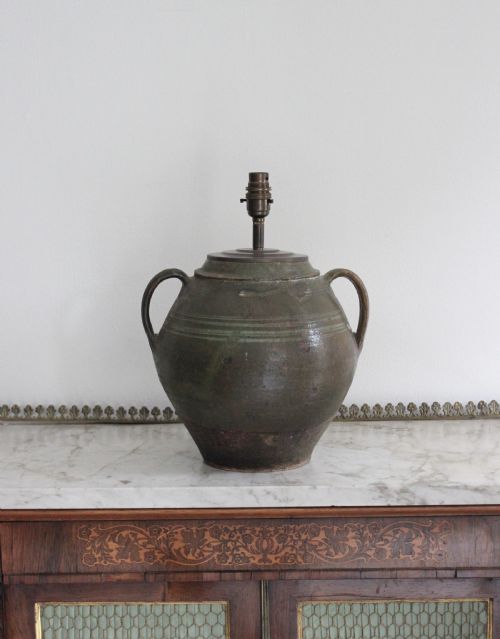
When you search for olive ceramic urns, you encounter robust vessels designed for utility and storage across the Mediterranean and Europe. These pieces span centuries from the eighteenth through to the early twentieth century, taking forms such as oil jars, amphorae, confit jars, and garden planters.
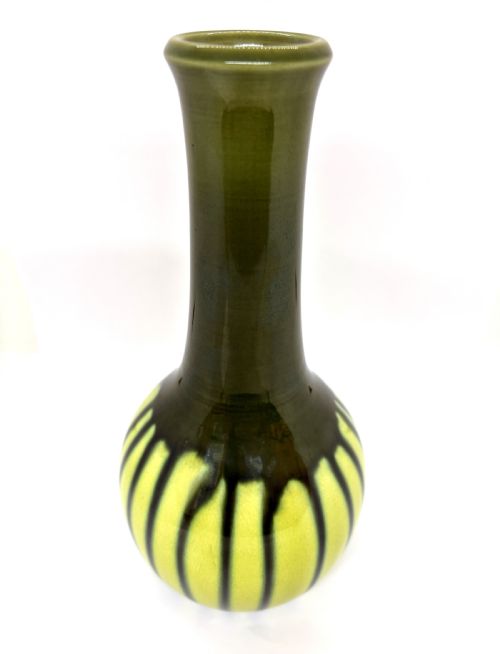
Alongside rustic earthenware, the selection includes refined studio and factory ceramics from the Victorian and Art Nouveau periods. These variations bridge the gap between heavy garden vessels and decorative interior vases.
How they were made
Makers shaped these vessels from clay, terracotta, earthenware, and stoneware, frequently employing traditional throwing and hand-building techniques. Large storage jars often required coil building or sectional throwing to achieve their substantial proportions.
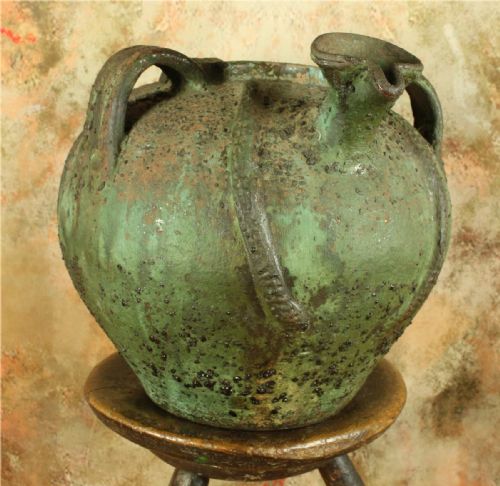
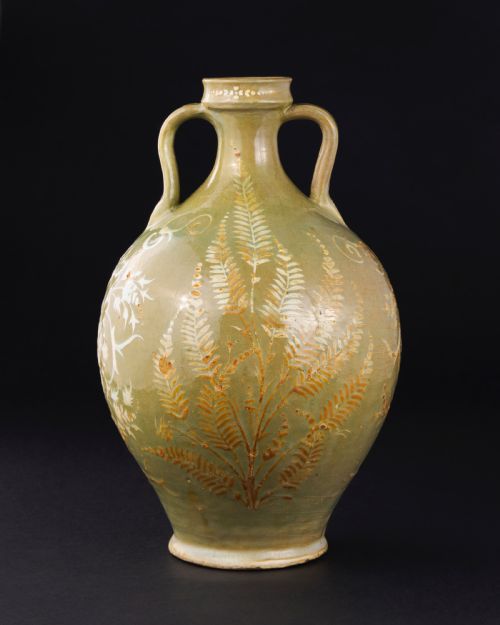
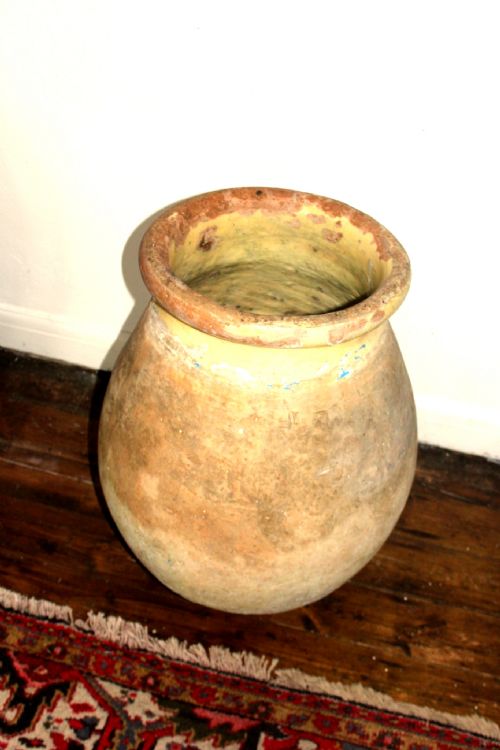
Surfaces frequently display applied glazes, ranging from green lead glazes on French confit pots to celadon finishes on Persian pottery. Many unglazed terracotta and earthenware vessels rely on natural surface variations, painted decoration, and patination acquired through age and exposure.
Olive Ceramic Urns Retail Price Guide 2026
Typical asking prices for olive ceramic urns among the pieces listed under this phrase on Sellingantiques today, from the lower quarter to the upper quarter. They describe what is for sale here now, not the wider market.
Listings span multiple stylistic traditions, ranging from rustic Mediterranean earthenware to refined Art Nouveau and Safavid dynasty ceramics.
What varies in quality
The distinction between ordinary utility vessels and superior examples lies in the harmony of proportion, surface treatment, and maker execution. Finer pieces demonstrate careful control over throwing lines and balanced handle placement, even on massive storage jars.
Glaze depth and consistency elevate standard earthenware into notable decorative works, particularly within Arts and Crafts or Art Nouveau pieces. Furthermore, the character of the aged patina and the integrity of the body determine the overall visual presence of the vessel.
Royal Doulton Lambeth·Burmantoft's Pottery·Ernst Wahliss for Turn Vienna
The Olive Ceramic Urns Glossary
- Terracotta
- A porous, unglazed or slip-coated fired clay that ranges in colour from pale buff to deep reddish-brown. This material was widely favoured for utilitarian storage and garden vessels due to its breathability.
- Amphora
- A two-handled ancient vessel with a pointed base or rounded body, adapted in later centuries for decorative garden and interior use. These vessels typically taper gracefully toward the foot.
- Confit jar
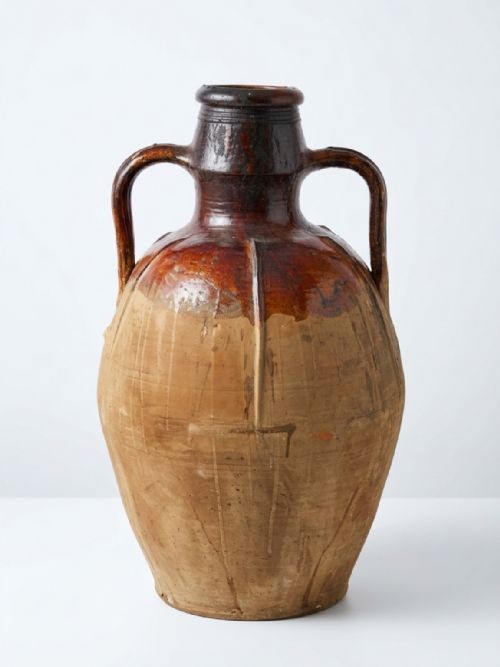
- A traditional French earthenware pot characterised by a glazed upper section and an unglazed lower body. They were originally utilised in rural kitchens for preserving meats and provisions.
- Stoneware
- A dense, vitreous ceramic fired at high temperatures until the clay body non-porous. This material allows for crisp moulding and durable decorative glazes.
- Celadon
- A pale green jade-like glaze applied to pottery, originating in East Asia and later influencing Persian and European ceramics. The subtle tint varies in transparency across the vessel body.
Olive Ceramic Urns: Frequently Asked Questions
What were olive urns used for?
These vessels served primarily as agrarian storage containers for olive oil, wine, water, and preserved foods across Mediterranean households. Their thick walls helped maintain stable internal temperatures for perishable goods.
Over time, many of these utilitarian containers transitioned into decorative garden planters and interior ornaments. Their sturdy construction made them suitable for both indoor display and outdoor courtyard placement.
How do I date an antique terracotta jar?
Dating relies on examining the throwing marks, tool signatures, clay composition, and surface wear patterns. Eighteenth and nineteenth-century pieces often display irregular hand-thrown ridges and distinct potting scars from kiln placement.
Stylistic details such as handle configuration and rim profiles also help narrow down the period. Factory-made pieces from the late nineteenth and early twentieth centuries frequently include impressed registry or model numbers.
Can these pots stay outside in winter?
Porous materials like terracotta and earthenware absorb moisture, which can expand during freezing temperatures and cause cracking. Protected locations or indoor storage during hard frosts help preserve the ceramic body.
Stoneware and glazed vessels generally offer better resistance to frost damage. However, elevated placement on pot feet prevents water pooling at the base during wet weather.
How should I clean an aged pottery surface?
Gentle dusting with a soft brush removes surface debris without disturbing delicate patination or historical pigment. Avoid harsh chemical cleaners that strip away the aged character accumulated over centuries.
For glazed or sturdy stoneware surfaces, warm water and a mild cloth suffice for occasional maintenance. Preserving the dry, weathered texture of historic terracotta maintains its visual authenticity.