





Old Sterling Spoons
Old sterling spoons bring heavy silver and distinct provincial marks straight to the table from Georgian and later British kitchens.
Old Sterling Spoons
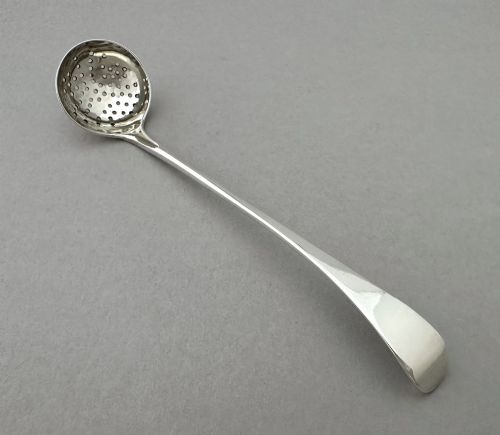
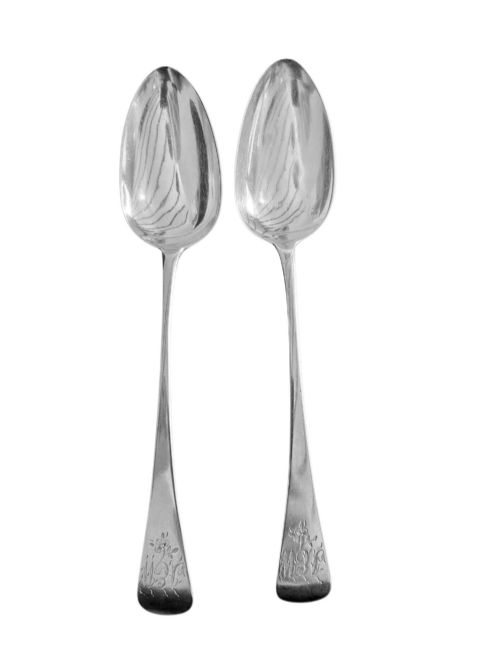
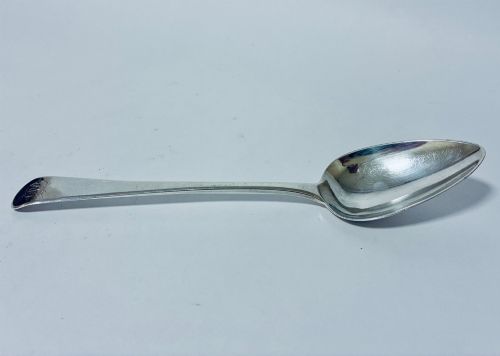
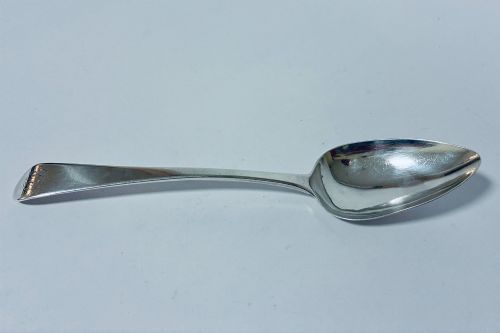
When you search for old sterling spoons, you encounter substantial serving utensils, basting spoons, soup ladles, gravy straining spoons, cheese scoops, and tablespoons. These functional pieces span the eighteenth century, the Georgian era, and the nineteen-thirties, reflecting centuries of dining traditions across London, Exeter, York, Inverness, and Ireland.
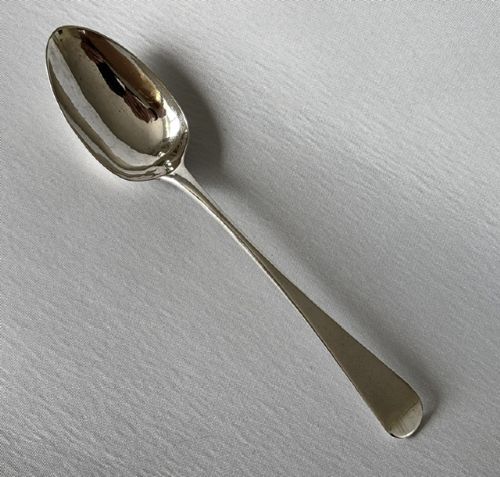
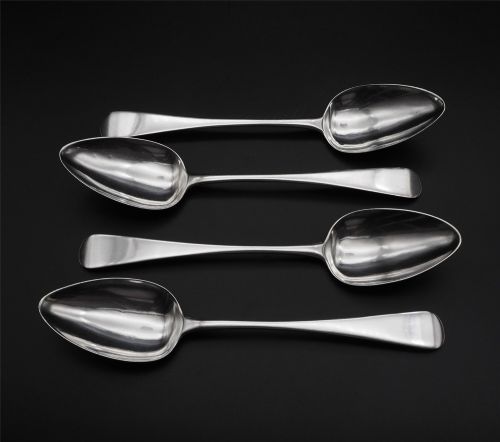
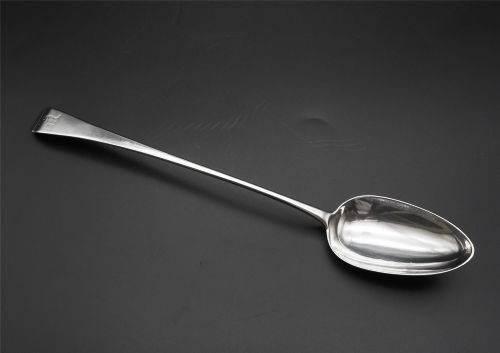
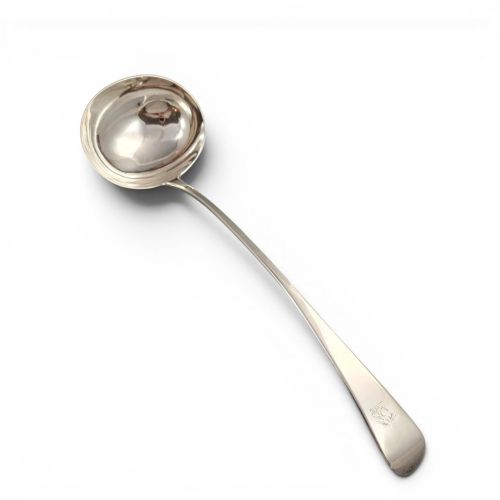
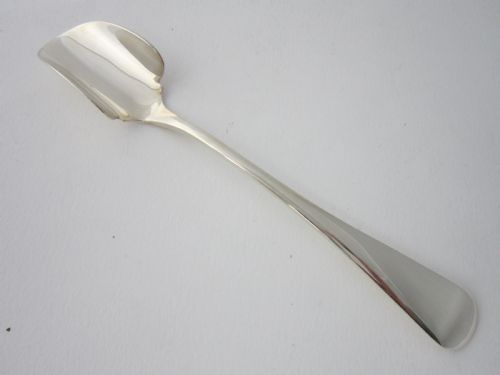
The most common forms on this page are large serving spoons and basting spoons shaped in the Old English pattern, often appearing as matched pairs or small sets. You also meet heavier specialised pieces such as stilton scoops and soup ladles bearing distinct hallmarks from various British provincial assay offices.
Materials and construction
These items are fashioned from sterling silver and solid silver, utilising traditional silversmithing techniques appropriate for heavy table silver. The metal provides the necessary weight and durability for large serving implements and long-handled scoops.
Makers shaped the bowls and handles by hand, applying crisply struck hallmarks, incuse duty marks, and provincial town marks directly into the silver. Handles frequently follow the smooth contours of the Old English pattern, finished with balanced proportions for functional use.
Old Sterling Spoons Retail Price Guide 2026
Typical asking prices for old sterling spoons among the pieces listed under this phrase on Sellingantiques today, from the lower quarter to the upper quarter. They describe what is for sale here now, not the wider market.
Several spoons survived centuries of heavy Sunday roasts simply by being too large to accidentally slide down the scullery drain.
Judging quality in silver spoons
The standard of a spoon rests upon the crispness of its hallmarks and the retention of its original bowl shape without excessive thinning from polishing. Crisp town marks, maker stamps, and duty marks indicate better preservation and clearer historical provenance.
Weight and balance distinguish standard spoons from substantial serving silver and large basting or straining spoons. Pieces retaining their thick original edges and clear pattern definition command greater attention among collectors.
John Lambe·Peter and Jonathan Bateman
The Old Sterling Spoons Glossary
- Sterling silver
- A silver alloy containing 92.5 percent pure silver by mass and 7.5 percent other metals, usually copper. This standard composition provides the strength required for functional cutlery and serving pieces.
- Basting spoon
- A large spoon designed to scoop juices from a roasting pan to spoon over meat. These items often measure significantly longer than standard tablespoons.
- Straining spoon
- A specialised spoon featuring slots or a pierced divider in the bowl to separate liquids from solids during service. They appear in eighteenth-century and Georgian dining arrangements.
- Old English pattern
- A traditional flatware design characterised by a plain, downward-turned handle end with a crisp central ridge. It gained widespread popularity during the Georgian period.
- Incuse duty mark
- A sovereign's head hallmark stamped into the silver in relief below a depressed background rather than raised. This specific tax mark appears on British silver from the late eighteenth century.
Old Sterling Spoons: Frequently Asked Questions
How do I identify a basting spoon?
Basting spoons measure substantially longer than standard tablespoons, typically exceeding twelve inches to reach deep roasting pans.
They often feature generous oval bowls designed to handle large volumes of meat juices during kitchen service.
What is an incuse duty mark?
An incuse duty mark is a sovereign's head profile stamped so that the design sinks below the surface of the silver rather than standing proud.
This specific marking technique was used by the British assay offices during specific periods of the late eighteenth century to indicate tax payment.
How do I use a stilton scoop?
A stilton scoop is designed to extract semicircular portions from large cheeses without damaging the remaining block.
The long, semi-cylindrical blade slides easily through aged cheese to serve neat portions at the table.
Where were provincial silver spoons made?
Provincial silver spoons originated outside London in regional assay offices and towns such as Exeter, York, and Inverness.
Items bearing these regional town marks often display distinctive local maker characteristics that differ from standard capital work.