



Old Sterling Cutlery
Old sterling cutlery brings proper weight and hand-hammered character to the dining table, offering genuine Georgian and later silver forms.
Old Sterling Cutlery
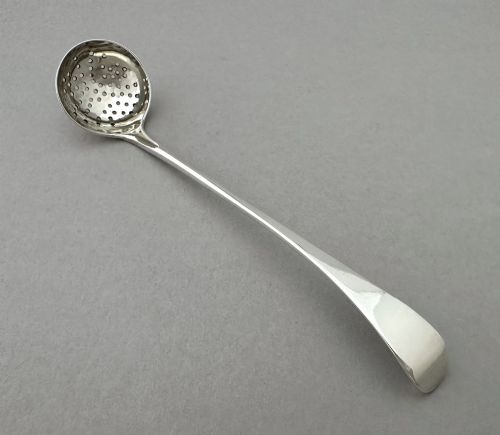
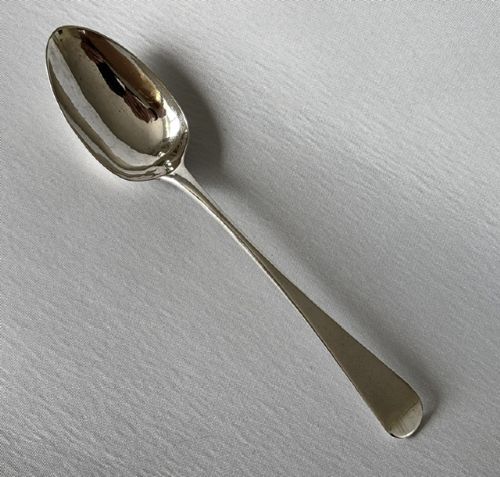
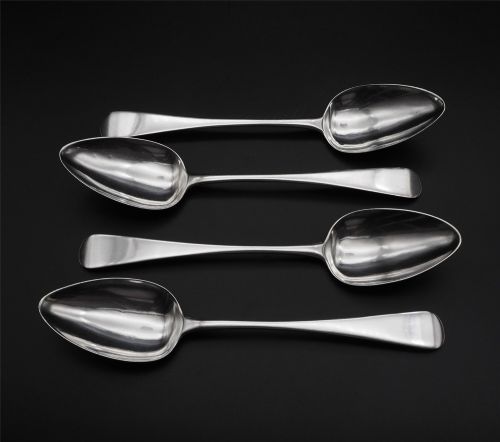
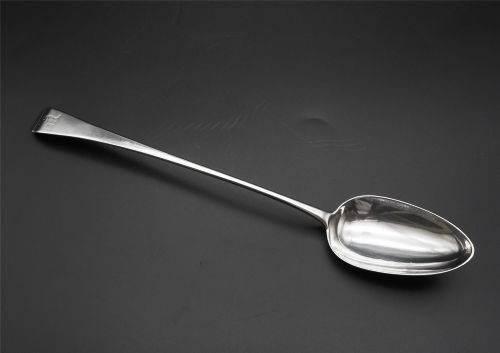
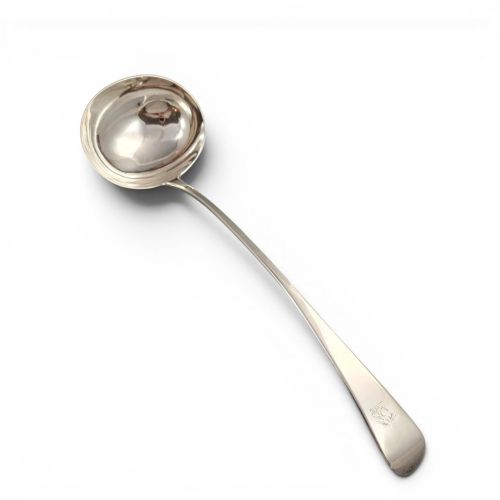
When you search for old sterling cutlery, you are looking at functional silver tableware fashioned primarily during the Georgian and 18th century periods. These items encompass heavy serving spoons, basting spoons, soup ladles, and specialised forks designed for specific dining tasks.
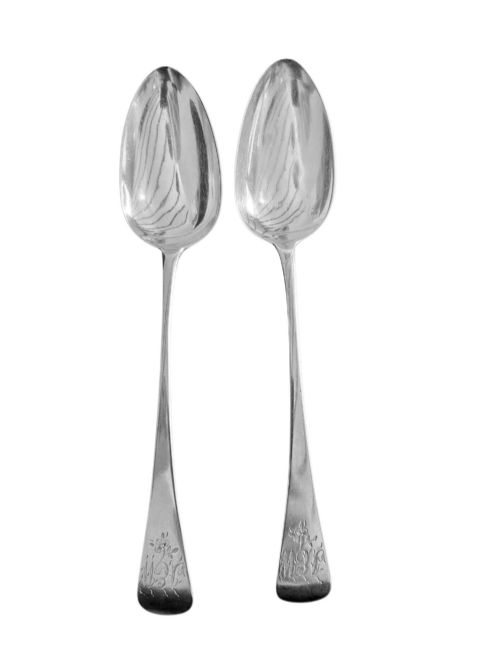
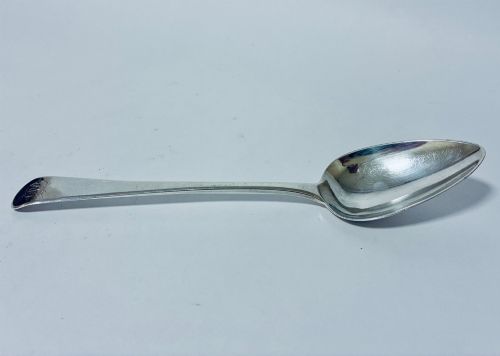
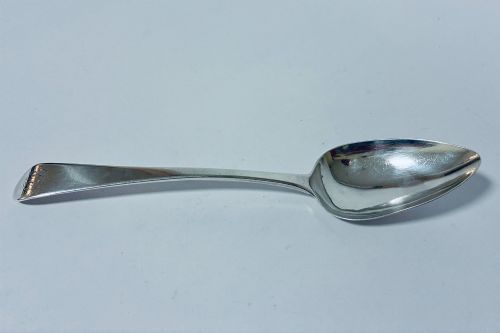
The versions you are most likely to meet on this page include Georgian silver serving spoons and tablespoons, often bearing provincial or London hallmarks. Makers such as John Lambe or Peter & Jonathan Bateman frequently appear among these traditional forms.
Beyond the standard dining spoons, the selection occasionally extends to provincial Scottish and Irish pieces alongside later 1900s serving forks. Each piece reflects the domestic dining habits of its era, constructed from solid silver rather than plated base metals.
Materials and construction
These items are shaped from sterling silver and standard silver, beaten and worked by hand to create durable dining utensils. Silversmiths utilised traditional forging and hammering techniques to achieve the desired balance and thickness in large serving spoons and basting utensils.
Hallmarks stamped directly into the metal record the assay office, the year of production, and the maker's mark. Engraved crests or initials occasionally appear on the terminals, applied by hand to denote the original owner's household.
Old Sterling Cutlery Retail Price Guide 2026
Typical asking prices for old sterling cutlery among the pieces listed under this phrase on Sellingantiques today, from the lower quarter to the upper quarter. They describe what is for sale here now, not the wider market.
Assessing quality and craftsmanship
The distinction between ordinary utility items and finer examples lies in the crispness of the hallmarks and the preservation of the original bowl shape. Heavy gauge silver retains its thickness at the edge of the spoon bowl, whereas worn pieces show thinning from generations of use and cleaning.
Provincial pieces and items by notable makers command attention for their distinct regional engraving styles and scarcity. The clarity of London, Exeter, Irish, or Scottish provincial assay marks directly influences the historical interest of the cutlery.
John Lambe·Peter and Jonathan Bateman·Alvin
The Old Sterling Cutlery Glossary
- Sterling silver
- A silver alloy containing 92.5 percent pure silver and 7.5 percent other metals, usually copper, to add strength. This standard has been used for centuries to ensure durability in household silver.
- Hallmark
- A series of official marks stamped on precious metal items to guarantee their purity and origin. These typically include the maker's mark, the assay office mark, and a date letter.
- Basting spoon
- A large spoon historically used in the kitchen or at the table for spooning juices over roasting meat. They are among the longest spoons found in antique silver collections.
- Old English pattern
- A traditional 18th century flatware design featuring a rounded end that turns down and a sharp mid-rib on the stem. It remains one of the most recognisable patterns from the Georgian era.
Old Sterling Cutlery: Frequently Asked Questions
What is old sterling cutlery?
Old sterling cutlery consists of solid silver utensils made predominantly during the 18th and early 19th centuries. These pieces include serving spoons, basting spoons, and ladles used in historic dining rooms.
Unlike modern flatware, these items were handmade by silversmiths and often bear provincial or London hallmarks indicating their exact origin and date of manufacture.
How do I date antique silver spoons?
Dating antique silver relies on the stamped hallmarks found on the reverse of the stem or handle. These marks include specific date letters, sovereign duty marks, and maker's initials.
Reference books match these punch marks to specific assay offices and years, allowing collectors to pinpoint the exact period of production.
Can I use old sterling cutlery daily?
Many people enjoy using antique silver for everyday dining, as solid silver is durable and designed for practical use. Regular handling and gentle washing help maintain a soft, historic patina on the metal.
Hand washing with mild soap is essential, avoiding modern dishwashers that can damage the surface and obscure delicate hallmarks.
What distinguishes provincial silver?
Provincial silver was created outside the main London assay office, in towns and cities such as Exeter, Inverness, or Dublin. These items often feature unique maker marks and regional stylistic variations.
Collectors prize provincial cutlery for its relative scarcity and the local character imparted by regional silversmiths working outside the capital.