



Old Silver Flatware
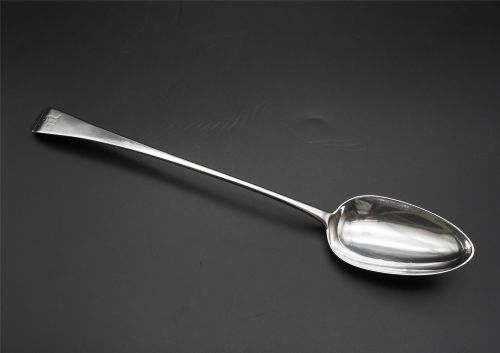
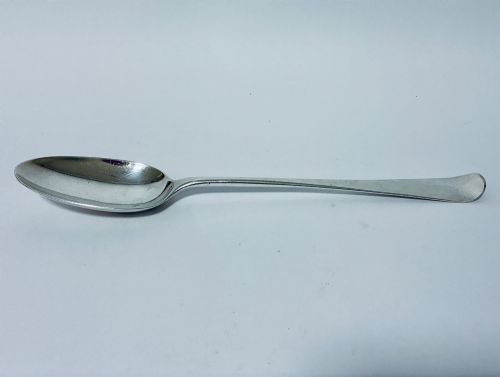
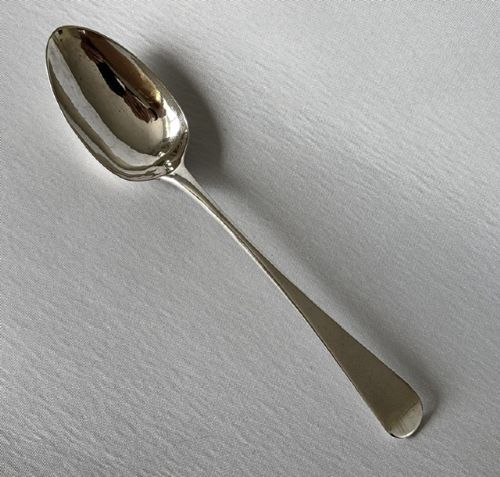
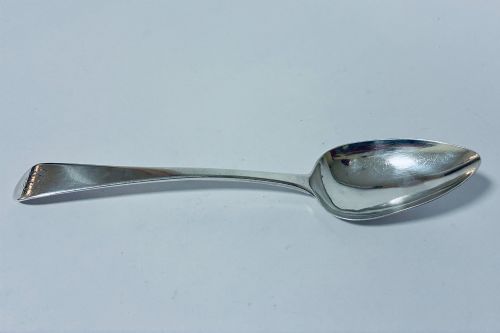
Old silver flatware brings the weight and bright gleam of the eighteenth and early twentieth centuries straight to the dining table.
Old Silver Flatware
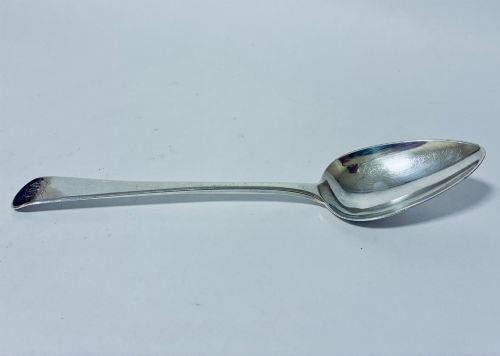
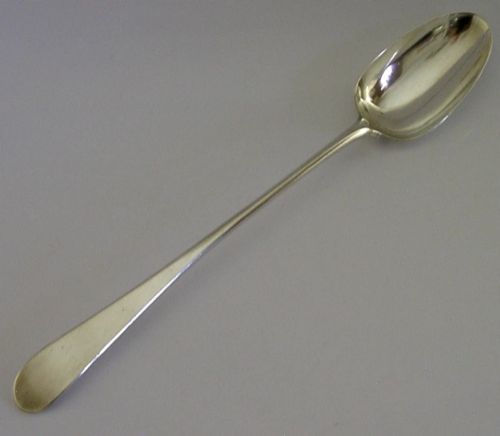
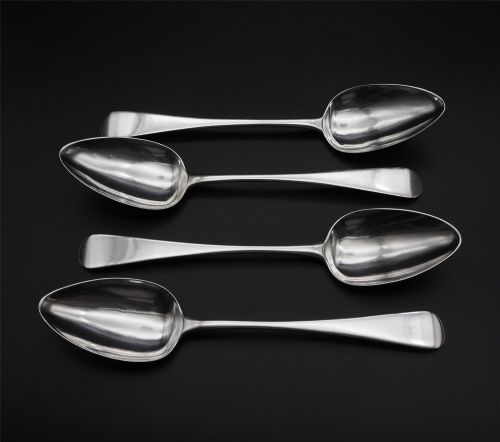
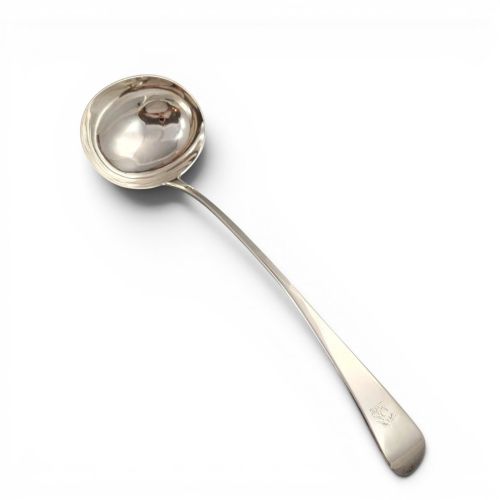
Old silver flatware comprises functional dining implements fashioned entirely from sterling silver across several distinct historic periods. Buyers browsing this selection most frequently encounter eighteenth-century Georgian serving spoons, basting spoons, and soup ladles alongside later George V and George VI pieces.
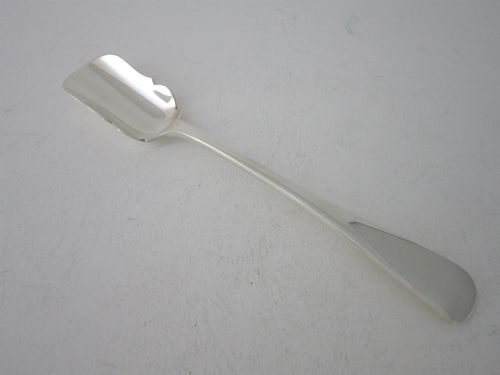
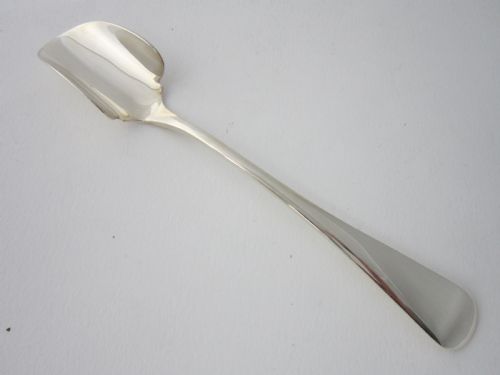
The assortment spans from large serving pieces down to specialised tools such as Stilton scoops, cheese scoops, and sardine forks. These utensils reflect formal dining traditions where silver formed an essential part of the table service.
Origin points range from London and Exeter to provincial assay offices like York, as well as Irish workshops and American manufacturers. The pieces bridge formal dining service and practical utility for modern collectors.
How they were made
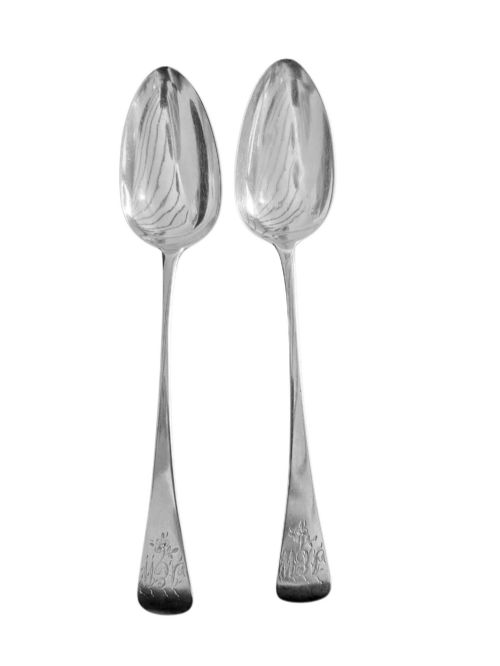
Old silver flatware is formed from solid sterling silver, shaped through traditional smithing and casting techniques before receiving hand-engraved details or punch marks. Makers applied patterns such as the Old English design directly to the metal handles.
Assay offices struck hallmark punches onto the sterling silver to denote the year of creation, the maker's mark, and the city of origin. These physical stamps provide an immutable record of the production method and material standard.
Old Silver Flatware Retail Price Guide 2026
Typical asking prices for old silver flatware among the pieces listed under this phrase on Sellingantiques today, from the lower quarter to the upper quarter. They describe what is for sale here now, not the wider market.
A solitary sardine fork waits patiently to rescue fish from the tin.
What varies in quality
The distinction in old silver flatware rests upon the clarity of the maker's punches, the crispness of the pattern work, and the preservation of the original bowl shape after decades of use. Deeper strike marks and robust gauge silver separate standard examples from finer items.
Regional variation and specific historical patterns also influence the character of the piece. London and provincial assay marks carry distinct weights of interest depending on the silversmith involved.
John Lambe·Peter & Jonathan Bateman·Alvin
The Old Silver Flatware Glossary
- Sterling silver
- A silver alloy containing 92.5 percent pure silver and 7.5 percent other metals, usually copper, to add durability. This standard forms the base material for all pieces in this collection.
- Hallmark
- A series of official marks stamped into silver items by an assay office. These symbols confirm the metal standard, the year of manufacture, and the identity of the maker.
- Old English pattern
- A traditional eighteenth-century flatware handle design featuring a plain, rounded end with a gentle downward curve. It remains a staple of Georgian silver service.
- Basting spoon
- A large utensil originally used for spooning juices over roasting meat. These items often measure significantly longer than standard table spoons.
- Stilton scoop
- A specialised tubular or half-cylinder utensil designed for digging into hard cheeses. They frequently feature turned bone or sterling silver handles.
Old Silver Flatware: Frequently Asked Questions
How do I clean old silver flatware?
Wash the silver gently in warm soapy water using a soft cloth and dry immediately with a lint-free towel. Avoid harsh abrasive dips that strip the natural surface oxidation.
Store the items in a dry, tarnish-resistant wrap or lined box to maintain the finish between uses.
Can I use old silver flatware daily?
These sterling silver utensils were built for practical dining and handle everyday use well if washed by hand promptly after meals. Regular use actually helps maintain a pleasant, soft lustre across the metal.
Keep them out of modern electric dishwashers to protect the original hallmarks and handle geometry.
What is an incuse duty mark?
An incuse duty mark is a specific monarch's head stamped into the silver in a depressed relief rather than a raised outline. This tax stamp was applied during specific periods to prove the silver duty had been paid.
Finding this mark helps narrow down the exact decade of manufacture for Georgian pieces.
Why are some spoons so large?
Large basting and serving spoons were designed for communal service dishes rather than individual dining places. Historic dining habits involved passing heavy meat and soup portions from central vessels.
These oversized utensils served functional roles in large household kitchens and formal dining rooms.