





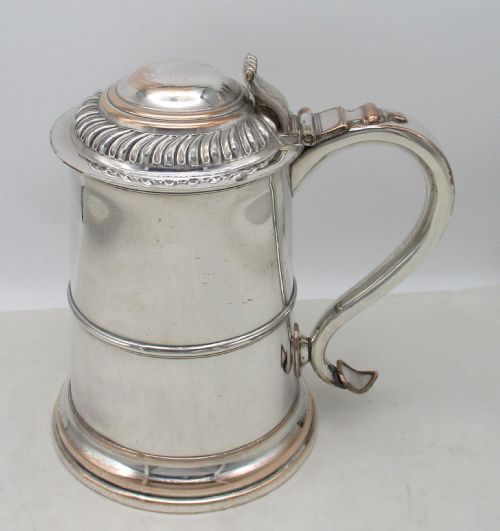


Old Sheffield Plated Mug
An old sheffield plated mug brings heavy metal fusion and Georgian heft to the table, offering drinking vessels crafted before electroplating changed the trade.
Old Sheffield Plated Mug
Every old sheffield plated mug listed on this page belongs to the Georgian and Regency periods, spanning the eighteenth and nineteenth centuries. Buyers searching for an old sheffield plated mug encounter robust drinking vessels categorized across listings as tankards, barware, and mugs.
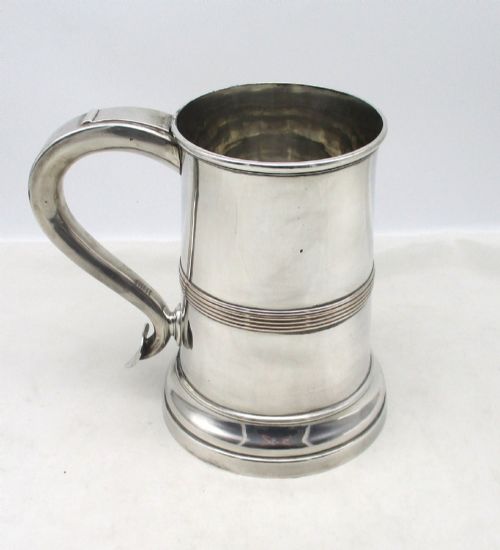
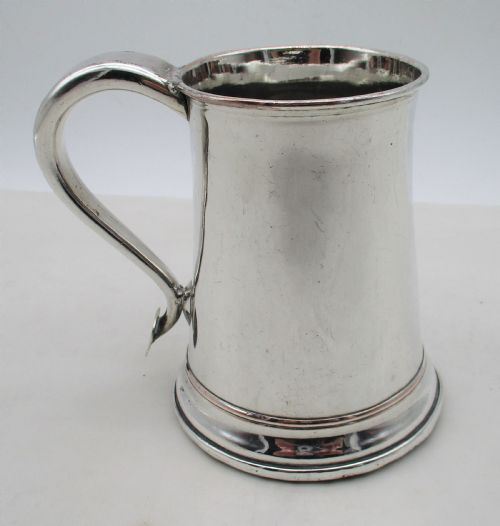
The selections range from small child's tankards to large quart tankards, with several lidded examples among them. These pieces represent the domestic drinking culture of late eighteenth- and early nineteenth-century England.
Most pieces date to the eighteenth century or around eighteen hundred, capturing the height of the fused-plate technique before nineteenth-century innovations took over. A buyer is most likely to meet pint and quart tankards carrying the hallmarks of Georgian craftsmanship.
Materials and technique
An old sheffield plated mug is made through the process of fusing a thin sheet of silver to a thicker copper core under heat, a method discovered in Sheffield. This technique sandwiching silver and copper allowed makers to produce items that looked entirely silver without the solid metal cost.
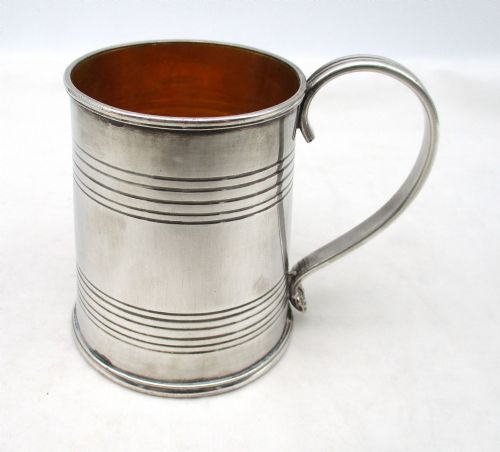
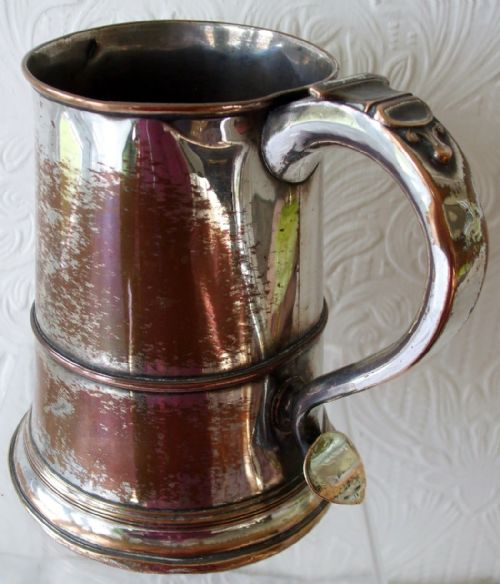
Certain examples feature gold gilt interiors, known as gilding, which protected the metal from acidic drinks and added a rich internal colour. The visible edges often reveal the underlying copper core where the fused silver sheet meets the base or rim.
Old Sheffield Plated Mug Retail Price Guide 2026
Typical asking prices for old sheffield plated mug among the pieces listed under this phrase on Sellingantiques today, from the lower quarter to the upper quarter. They describe what is for sale here now, not the wider market.
Listings span the eighteenth century and the year eighteen hundred, featuring copper, silver, and gold gilt materials.
Quality and proportion
The quality of an old sheffield plated mug rests in the preservation of the fused silver layer over the copper substrate. Pieces with minimal bleed of the copper edge show careful initial construction and subsequent handling.
Proportion and scale distinguish the domestic pint and quart tankards from smaller child's versions, where heavier gauge metal and crisper handle soldering separate standard domestic ware from finer workshop production.
Richard Morton
The Old Sheffield Plated Mug Glossary
- Old Sheffield Plate
- A composite material made by fusing a sheet of silver to a copper ingot, invented in the eighteenth century before electroplating replaced the method.
- Quart Tankard
- A large drinking vessel holding a quart of liquid, frequently fitted with a handle and sometimes a hinged lid.
- Gilding
- A thin layer of gold applied to the interior of the vessel to prevent metallic taste and protect the metal.
- Regency
- An architectural and decorative style period spanning the early nineteenth century, noted for classical restraint and clean lines.
- Georgian
- The period covering the reigns of the first four Georges, characterised by robust proportions and enduring domestic forms.
Old Sheffield Plated Mug: Frequently Asked Questions
How do I clean an old sheffield plated mug?
Clean these pieces gently with a soft cloth and mild silver polish, avoiding harsh abrasives that wear through the thin silver layer.
Because the underlying copper can show if scrubbed too hard, preservation of the remaining silver surface is the primary goal during maintenance.
Were these mugs used for ale?
Georgian households utilised these sturdy tankards primarily for serving ale, beer, and cider at the table.
The larger quart and pint sizes made them practical vessels for communal drinking and daily meals in substantial homes.
How can I tell an eighteenth-century piece from a nineteenth-century one?
Eighteenth-century examples often display heavier mounts and distinctive soldered handle joints characteristic of early fused-plate workshops.
Nineteenth-century items, including those around eighteen hundred, shift slightly in handle profile and body proportions while retaining the copper core.
Why do some mugs have lids?
Lidded tankards helped keep insects and debris out of drinks when consumed outdoors or in communal taverns and dining rooms.
The hinged lids required precise metalwork to fit the top rim of the fused-plate body securely.
Can I still drink from an old sheffield plated mug?
While structurally sound, historical metal drinkware is generally collected for display rather than daily beverage consumption today.
Gilded interiors offered some protection against tarnish and taste transfer, but modern use risks accelerating wear on the antique surface.