


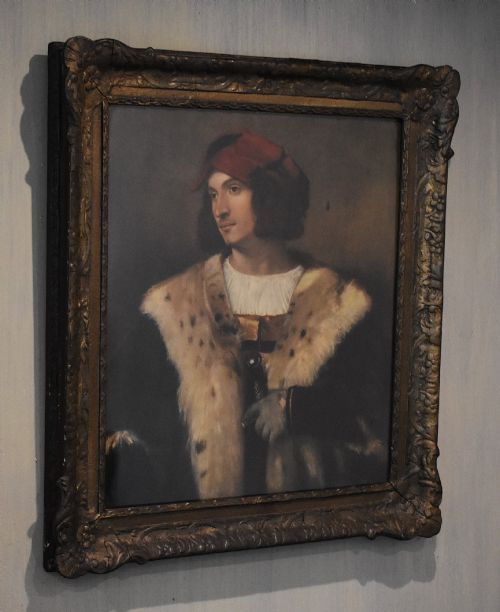
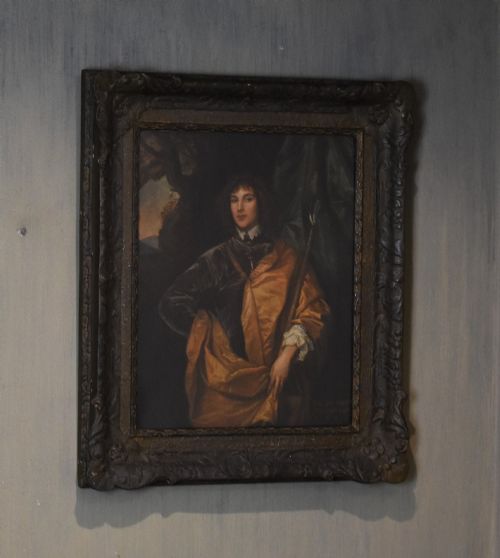

Old Print Art
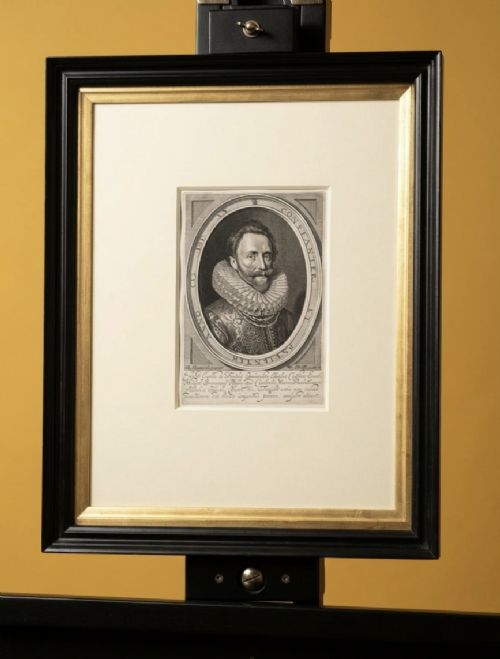
Old print art brings centuries of cartography, classical etching and portraiture into a room through ink on paper held within period frames.
Old Print Art
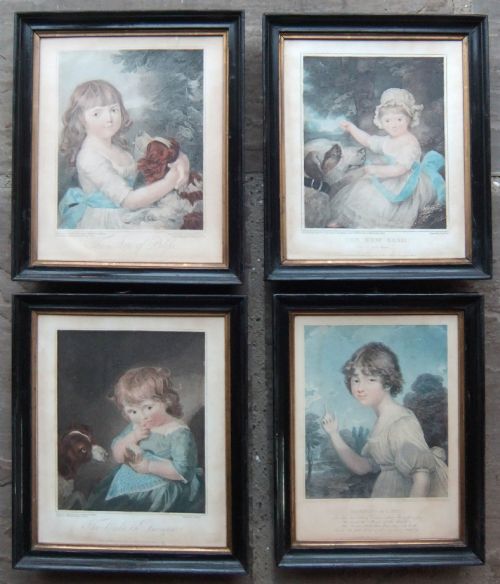
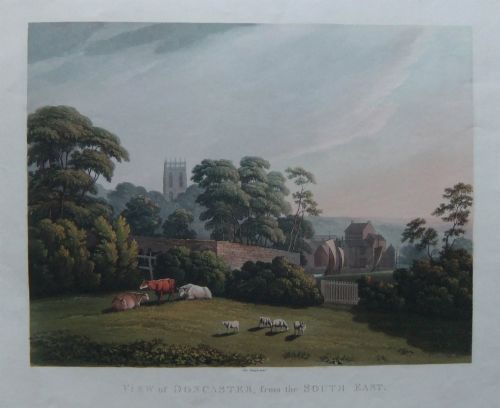
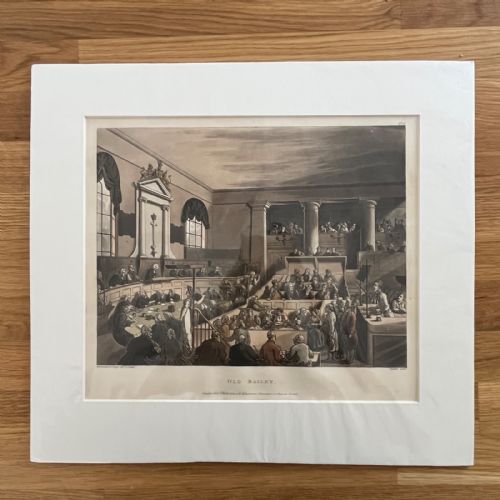
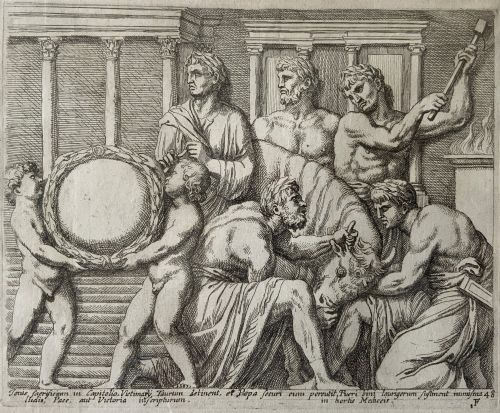
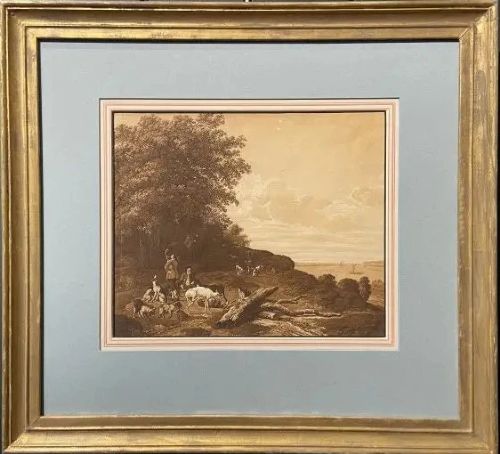
Most pieces on this page originate from the seventeenth and eighteenth centuries, alongside nineteenth-century sporting scenes and topographical views. Subjects range from classical antiquity and religious iconography to portraits, animal studies and detailed cartography.
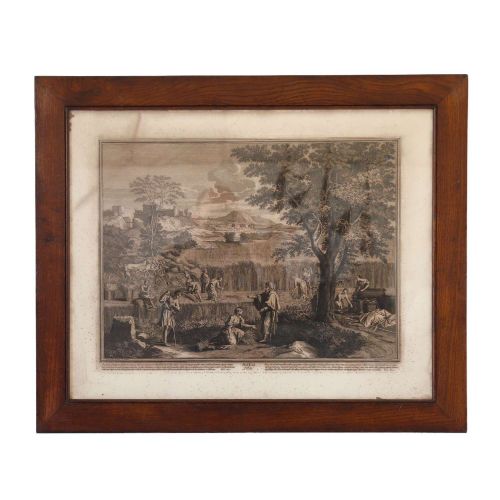
Framed artworks dominate the offering, often preserved behind glass within wooden, gilt wood or gilded wood frames. These compositions deliver historic narrative and decorative presence directly to interior spaces.
Materials and Techniques
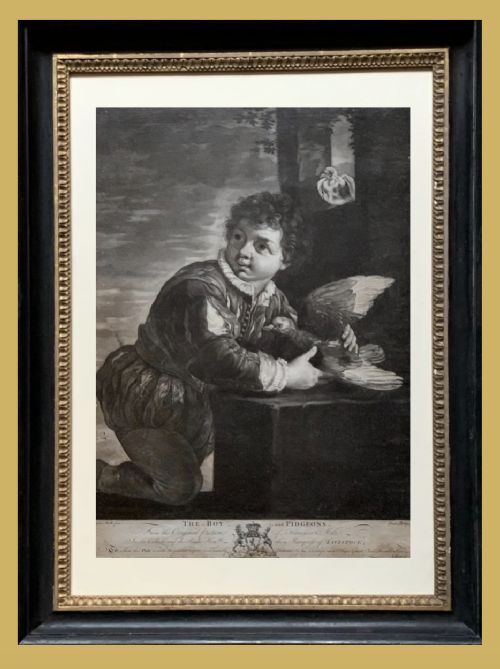
These works rely on paper surfaces imprinted with ink through traditional printmaking methods such as etching, engraving and mezzotint. Master craftsmen translated paintings and drawings onto metal plates to produce these detailed impressions.
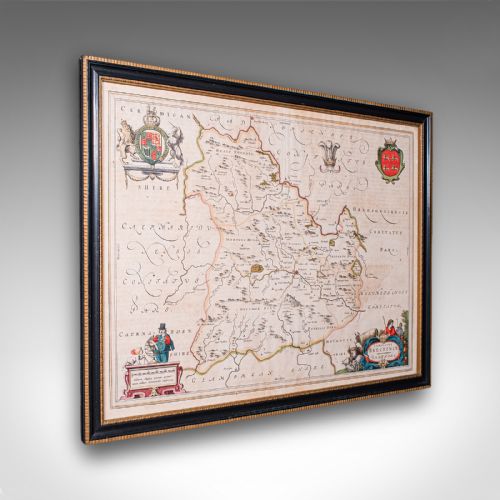
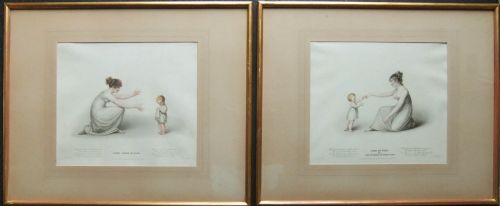
Many items incorporate watercolour additions applied by hand over the printed lines to enrich the visual depth. Gold leaf and gilt wood feature prominently in the construction of the protective frames enclosing the paper works.
Old Print Art Retail Price Guide 2026
Typical asking prices for old print art among the pieces listed under this phrase on Sellingantiques today, from the lower quarter to the upper quarter. They describe what is for sale here now, not the wider market.
Listings span periods from the 17th century through the Edwardian era, incorporating materials such as paper, ink, gold leaf and gilt wood.
Evaluating Quality
Quality rests upon the crispness of the ink impression and the fidelity of the plate transfer from the original artist to the printmaker. Early impressions pulled directly from freshly etched metal plates show sharper lines than later reprints.
The integrity of the original framing contributes substantially to the overall character of the piece. Gilded wood and glass frontages that survive from the period of creation elevate the historical cohesion of the artwork.
Joan Blaeu·François Perrier·John Boydell·John Smith·Robert Sayer·John Cary·Claes Jansz Visscher
The Old Print Art Glossary
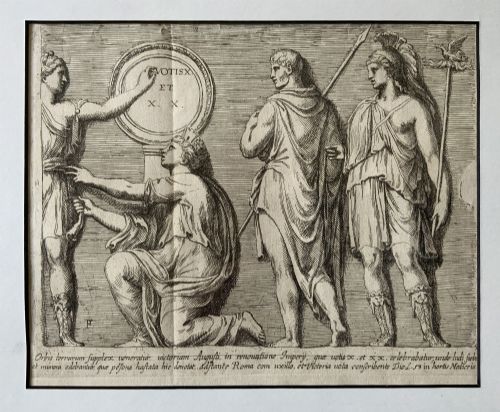
- Etching
- A printmaking technique where lines are bitten into a metal plate with acid before being inked and pressed onto paper. This process allows for fine, fluid detail comparable to a freehand drawing.
- Mezzotint
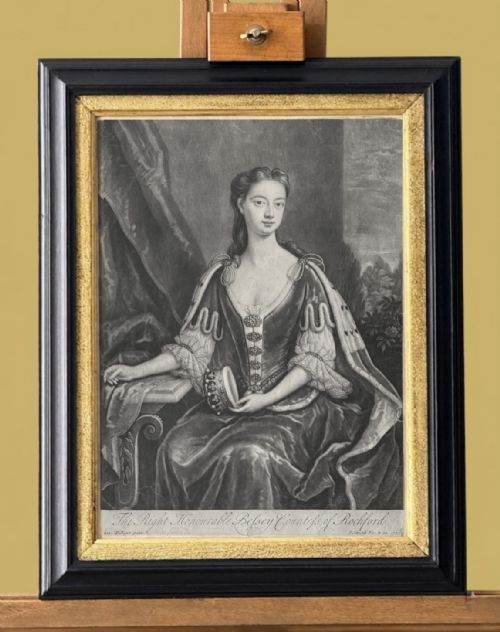
- A tonal printmaking method that works from dark to light by roughening a metal plate to hold ink. It produces rich gradations of shadow and smooth mid-tones without using traditional line work.
- Engraving
- A method of cutting design lines directly into a hard metal plate using a sharp steel tool called a burin. The resulting prints exhibit clean, precise geometric lines and sharp contours.
- Cartography
- The science and art of making maps, represented here through antique engraved maps adorned with historical regional boundaries. These documents record geographical knowledge from centuries past.
- Old Master
- A term describing a European artist of high skill working before the nineteenth century, or a print executed after their work. Such pieces carry the composition and style of canonical painters.
Old Print Art: Frequently Asked Questions
How should I hang old print art?
Protect these paper works from direct sunlight to prevent the ink and any applied watercolour from fading over time. Maintain stable room humidity to safeguard both the historical paper and its surrounding wooden frame.
Secure the frame using appropriate wall fixings matched to the weight of the wood and glass. Group pieces with similar tonal qualities together to create a balanced display.
What is the difference between an etching and an engraving?
An etching utilises acid to bite lines into a metal plate, resulting in a freer, more fluid drawn quality. An engraving relies on a sharp tool pushed directly into the metal to cut crisp, precise lines.
Both techniques produced the historical wall art seen across these listings. Examining the line under magnification reveals the characteristic depth of each method.
Are these pieces original period works?
The listings comprise works printed during the periods stated, ranging from seventeenth-century cartography to nineteenth-century sporting prints. Each piece reflects the printing technology and paper standards of its specific era.
Original frames frequently accompany the art, preserving the historical context of the object. Documentation within the titles notes the specific centuries and makers associated with each item.
How do I identify a mezzotint?
A mezzotint displays rich, velvety dark areas and subtle tonal gradations rather than fine outlines. This effect comes from roughening the metal plate entirely before smoothing areas to lighten the tone.
Printers used this technique extensively for portraits and dramatic scenes during the seventeenth and eighteenth centuries. The resulting velvety texture sets it apart from standard line engravings.