




Old Metal Plates
These old metal plates and related silver-fused vessels offer durable elegance for the dining table and sideboard.
Old Metal Plates
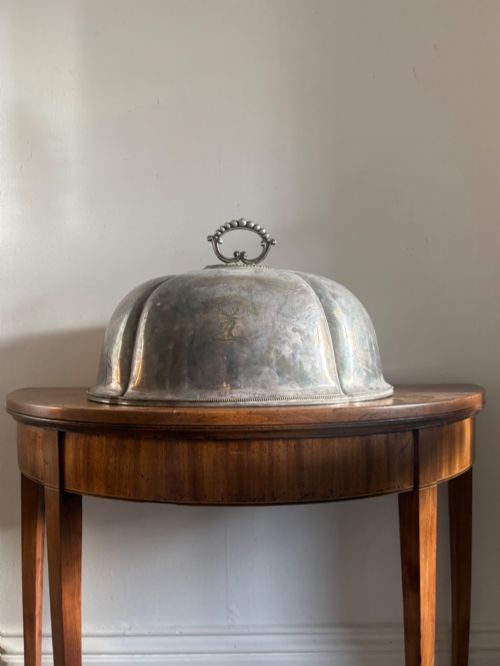
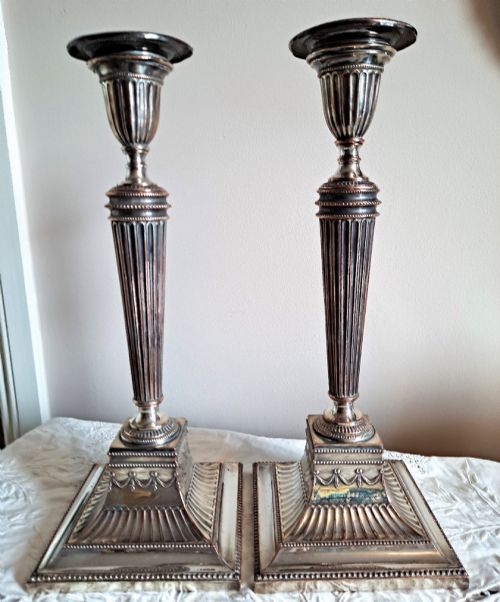
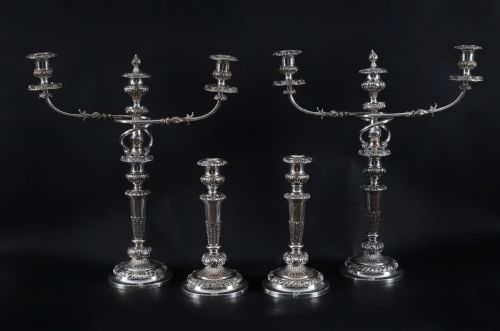
When you search for old metal plates, you uncover a selection of historic domestic metalware centered heavily on Old Sheffield Plate alongside related copper, silver, and wood pieces. The domestic vessels span the eighteenth and nineteenth centuries, taking the form of tankards, trays, salvers, candelabra, and wine coolers.
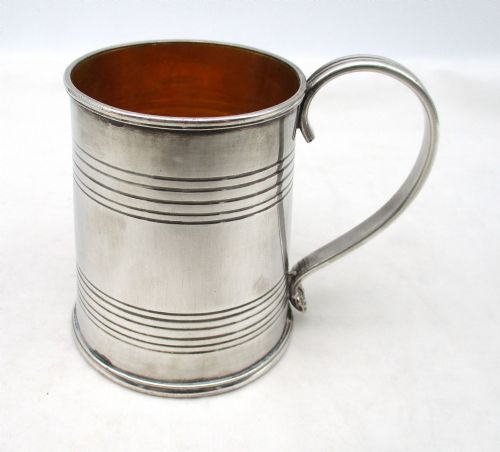
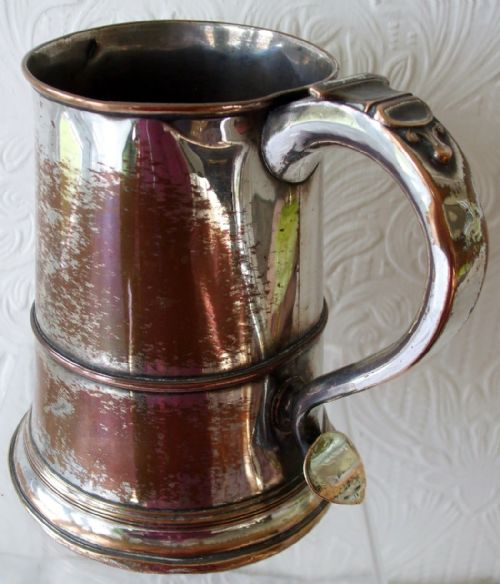
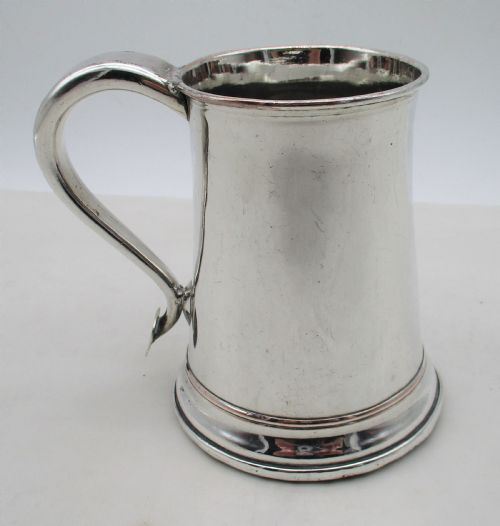
The most common forms on this page are sturdy drinking vessels and serving items, from pint tankards and quart tankards to tea pots and card trays. These items originated in Georgian, Regency, and Victorian workshops, reflecting the utilitarian and social dining habits of their eras.
Materials and Techniques
Makers produced Old Sheffield Plate by fusing a thin sheet of silver to a thicker copper core under heat, then rolling the combined metals into workable sheets. This technique allowed artisans to create substantial serving pieces and drinking vessels that combined the appearance of solid silver with the structural rigidity of copper.
Details such as wirework baskets, applied coats of arms, and gilding show additional metalworking skills. Artisans shaped handles, rims, and decorative mounts separately before attaching them to the main body of tankards, urns, and trays.
Old Metal Plates Retail Price Guide 2026
Typical asking prices for old metal plates among the pieces listed under this phrase on Sellingantiques today, from the lower quarter to the upper quarter. They describe what is for sale here now, not the wider market.
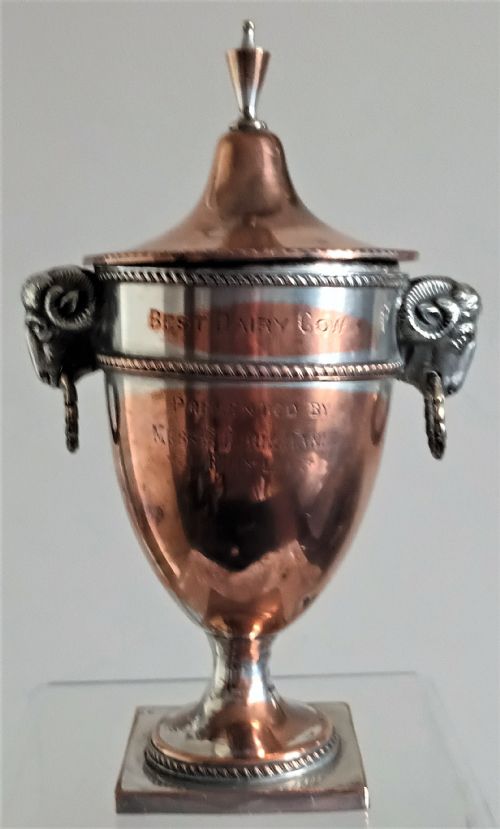
Even a miniature chestnut urn needed sturdy metal to keep roasted snacks warm on the Georgian dining table.
Assessing Quality
Quality rests in the crispness of applied decorative borders, the integrity of the fused metal layers, and the retention of original silver surfaces over the copper core. Pieces showing clear maker stamps, crisp armorial engravings, or balanced proportions sit at the upper end of the range.
Design complexity also separates standard items from finer examples, such as multi-piece candelabra suites, miniature chestnut urns, and wirework baskets. The presence of matched sets or specialised serving forms indicates higher workshop ambition.
Richard Morton·Padley Parkin·Blagden, Hodgson And Co
The Old Metal Plates Glossary
- Old Sheffield Plate
- An early composite material made by fusing silver and copper together, creating sheets used for tableware before electroplating emerged.
- Salver
- A flat metal plate or tray used for serving drinks or presenting items, typically supported on small feet.
- Tankard
- A tall, cylindrical drinking vessel with a single handle, frequently fitted with a hinged lid during the eighteenth and nineteenth centuries.
- Mazarine
- A flat draining plate or insert placed inside a dish to keep food elevated from its juices.
- Candelabra
- A branched candlestick holding multiple lights, often produced in large suites during the Georgian and Regency periods.
Old Metal Plates: Frequently Asked Questions
What is Old Sheffield Plate?
Old Sheffield Plate is a fused metal material created by heating a layer of silver onto a copper base. This technique preceded modern electroplating and produced durable domestic items.
Items made this way display a rich depth of metal, though older pieces may reveal faint traces of the underlying copper along high-wear edges.
How do I date these pieces?
Dating relies on stylistic clues such as neoclassical wirework, rococo revival scrolls, and Georgian proportions. Makers' marks and inscribed dates also help establish the era of production.
Examining the construction methods, such as how handles and feet are attached, provides further context for the decade of manufacture.
Were these items meant for daily use?
Many of these metal vessels served practical functions in wealthy households, from pouring tea and holding wine to serving beer and communal drinks. Tankards, chalices, and coffee pots were built for active dining and entertaining.
Over time, these utilitarian objects transitioned from active service into decorative collection pieces displayed on sideboards and tables.
How should I clean old metal plates?
Careful maintenance involves gentle cleaning with appropriate silver or copper care products to preserve the remaining metal layers. Avoid harsh abrasives that could wear through the thin fused silver surface.
Regular, soft dusting keeps the metal stable and maintains the natural lustre acquired over centuries of existence.