


Old Canvas Artwork
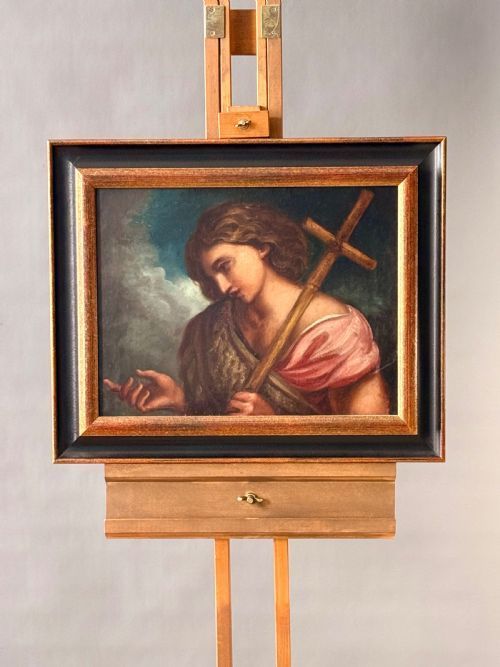
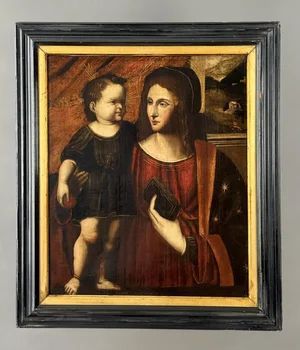
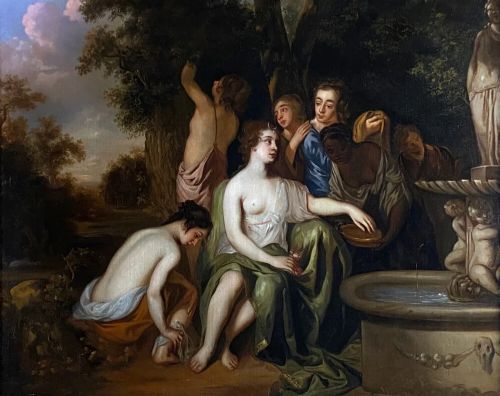
Old canvas artwork gathers centuries of oil paintings, portraits, and biblical scenes rendered on woven grounds.
Old Canvas Artwork
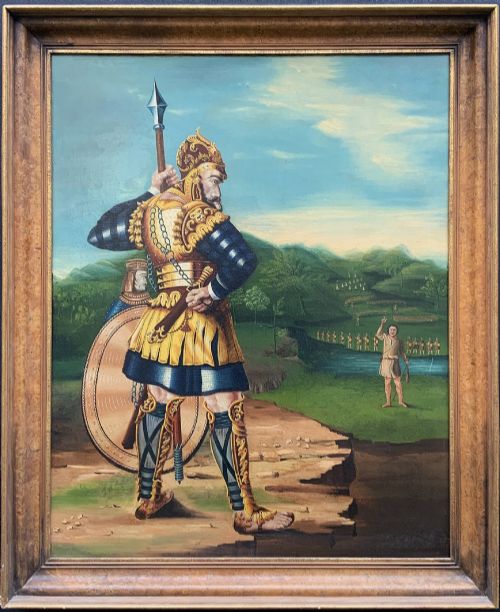
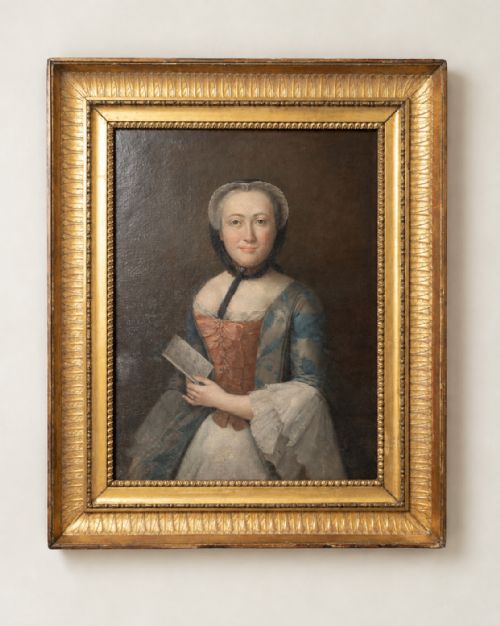
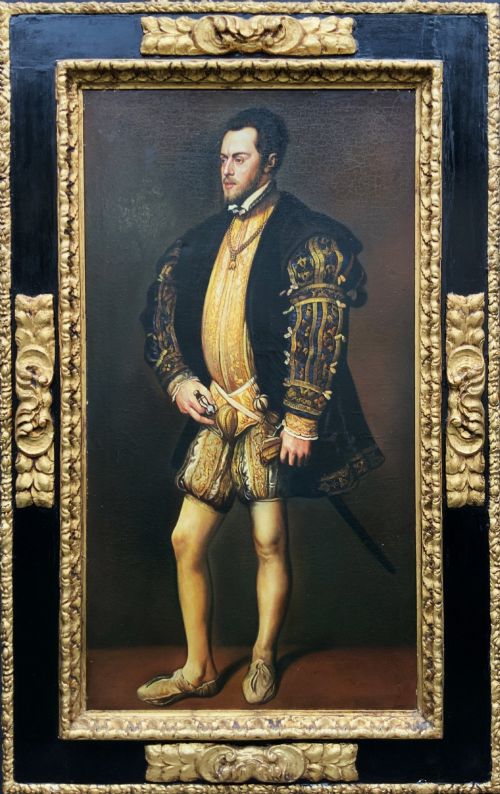
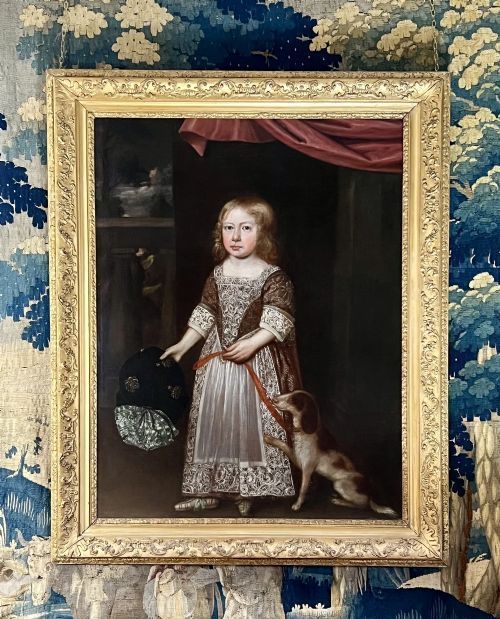
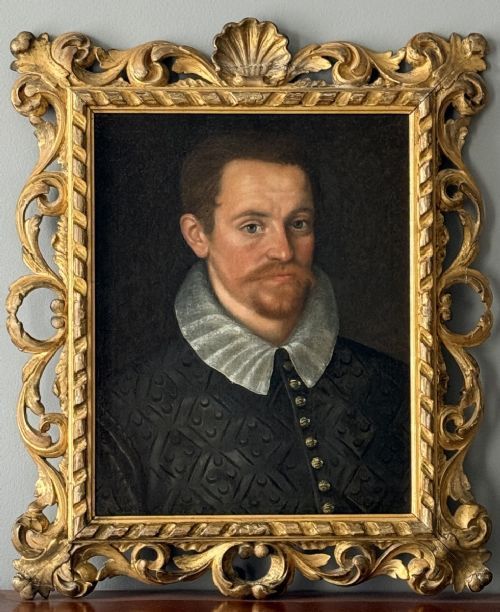
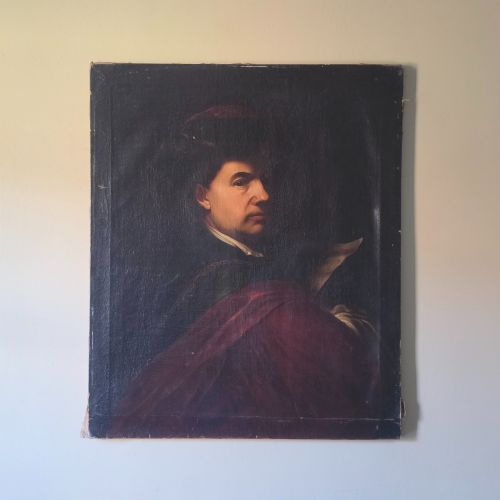
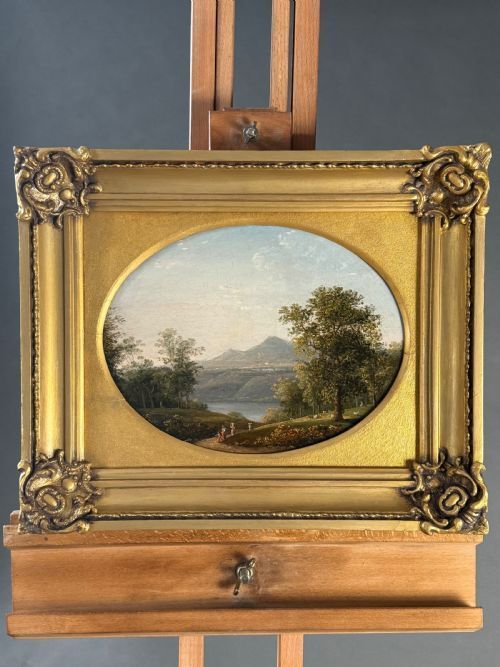
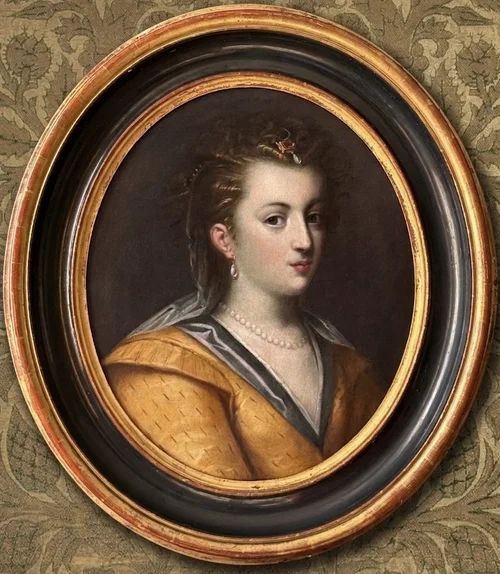
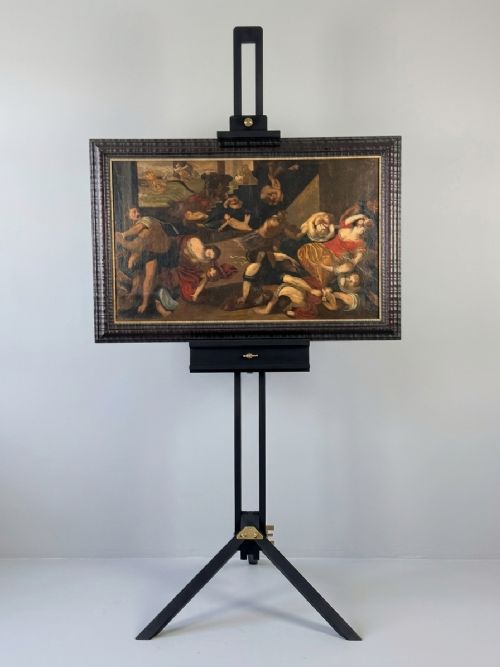
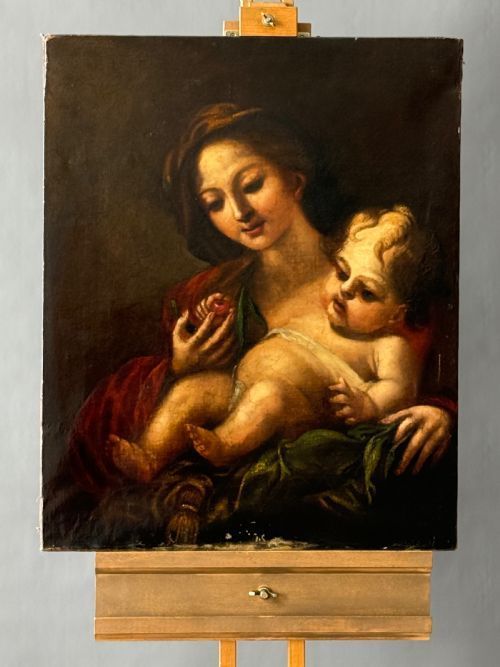
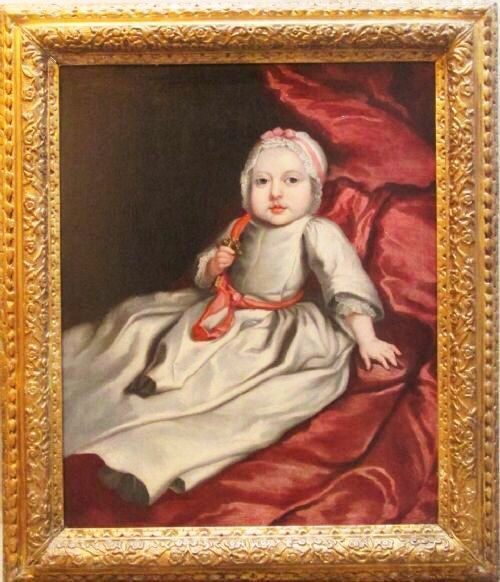
When searching for old canvas artwork, collectors encounter oil paintings spanning from the sixteenth century through the mid twentieth century. Portrait paintings dominate the selection, depicting noblewomen, gentlemen in ruffs, judges, children, and composers alongside religious narratives and landscapes.
The pieces on this page originate from diverse European schools, including Italian, Flemish, Dutch, and English workshops. Forms range from intimate cabinet portraits to large biblical and mythological canvases framed in period giltwood.
Works appear from named masters, studio circles, and anonymous regional hands. Each piece retains the physical evidence of its era through craquelure, stretcher marks, and historical framing.
Materials and Technique
Painters applied oil paint directly to stretched woven canvas grounds, often supported by heavy wooden stretchers. Grounds were prepared with gesso or priming layers to seal the textile before brushwork began.
Pigments mixed with drying oils built up complex compositions through translucent glazes and opaque impasto. Frames constructed from wood and finished with gold leaf or giltwood completed the physical structure.
Old Canvas Artwork Retail Price Guide 2026
Typical asking prices for old canvas artwork among the pieces listed under this phrase on Sellingantiques today, from the lower quarter to the upper quarter. They describe what is for sale here now, not the wider market.
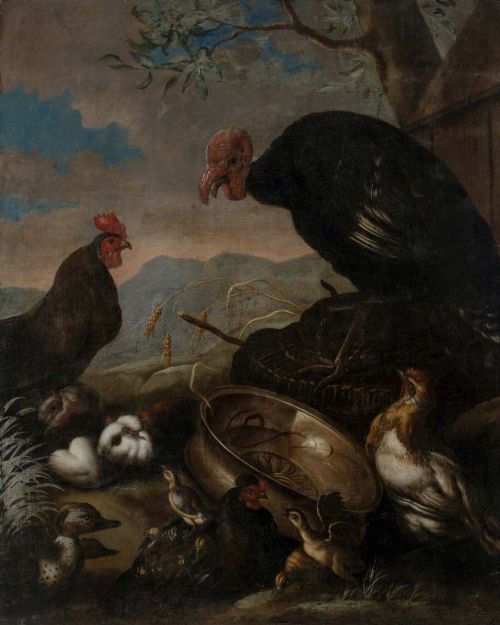
Several canvases record early domestic life by depicting racing pigeons, perched fowl, and pet dogs sitting quietly beside noble sitters.
Assessing Quality
Quality rests upon the skill of the brushwork, the anatomical accuracy of figures, and the psychological depth captured in portraiture. Works by central masters or accomplished studio circles display confident handling of light and fabric textures.
Condition plays a central role in valuation, specifically the stability of the original canvas and the extent of historical overpaint. The integrity of the ground layer and the survival of the original or period frame elevate the standing of a piece.
Jacob Philipp Hackert·Sir Peter Lely·Joshua Reynolds·David Teniers·Rembrandt van Rijn
The Old Canvas Artwork Glossary
- Craquelure
- The fine network of cracking that develops across an aged oil paint film as it hardens over decades. This natural fracturing helps authenticate older canvases.
- Impasto
- Paint applied thickly to a canvas so that it stands proud of the surface and retains brush or knife texture. Artists utilised this technique to catch light on fabrics or water.
- Glaze
- A thin, transparent layer of oil paint laid over a lighter underpainting to impart depth and luminous colour. Renaissance and Baroque masters relied on multiple glazes for flesh tones.
- Stretcher
- The wooden frame holding the canvas taut at the rear. Older stretchers often feature mortise and tenon joints fastened with wooden pegs rather than metal nails.
- Provenance
- The documented history of ownership belonging to an artwork. A clear lineage supports attribution and historical context.
Old Canvas Artwork: Frequently Asked Questions
How do I date an old canvas?
Dating relies on inspecting the preparation of the canvas, the construction of the wooden stretcher frame, and the style of the pigments. Nail types and textile weaves also provide reliable clues regarding the century of creation.
Examination under ultraviolet light reveals later touch-ups and helps distinguish original pigment from restoration work. Combined with stylistic traits of costume and hair, these physical markers establish a credible chronology.
What is a studio or circle attribution?
Attributions such as circle, follower, or studio indicate that a painting emerged from an artist's immediate sphere rather than their own hand. These works date from the same period and reflect the dominant master's technique.
Workshops produced multiple versions of popular compositions to satisfy patrons. Consequently, these pieces offer high technical merit and period authenticity without carrying the direct signature of the primary master.
How should I care for oil on canvas?
Paintings on canvas require stable indoor environments away from direct sunlight and dramatic fluctuations in humidity. Excessive heat causes the wooden stretcher and canvas to warp, placing stress on the brittle oil layer.
Dust accumulation should be managed gently using a soft, dry brush without applying moisture or chemical cleaning agents. Professional conservators should handle any structural repairs or surface cleaning.
Why do old portraits show dark clothing?
Dark doublets, robes, and dresses reflected the high cost of black and deep brown dyes during earlier centuries. Sitters chose these garments to project wealth, sobriety, and social standing.
Over time, certain dark pigments containing asphaltum or bitumen have darkened further due to chemical ageing. This process occasionally flattens shadow details that were once clearly visible to contemporary viewers.