

Oil Painting with Dog
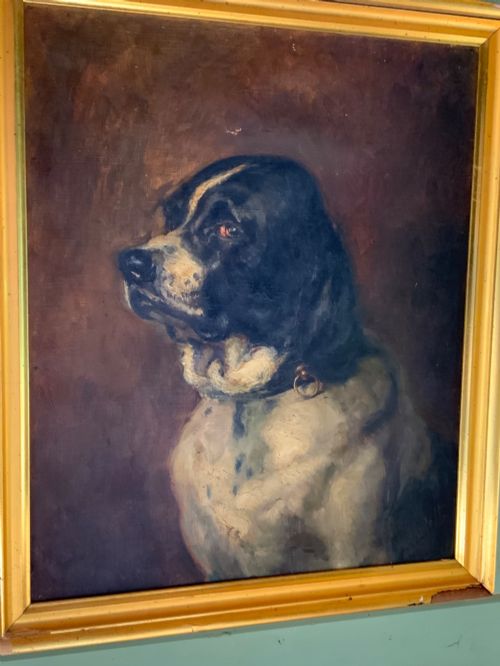
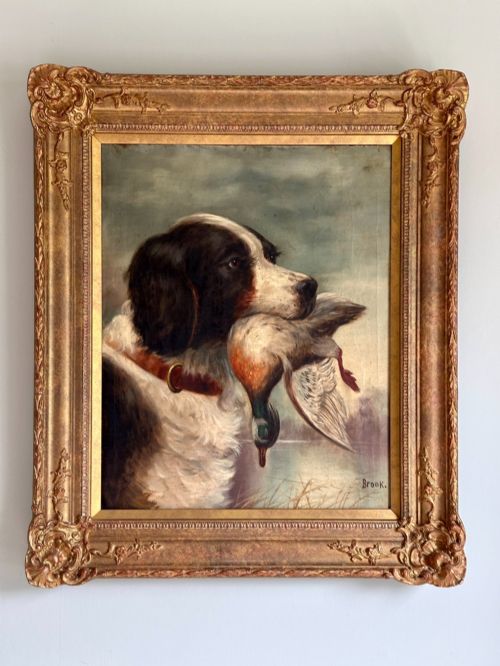
An oil painting with dog records the companionship, sport or status of earlier centuries through the direct brushwork of British and European artists.
Oil Painting with Dog
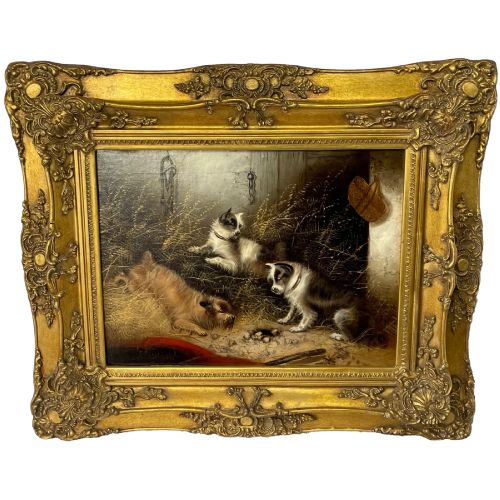
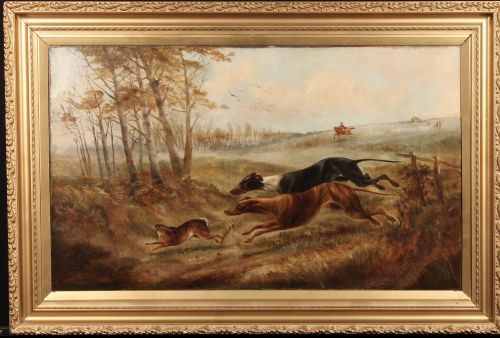
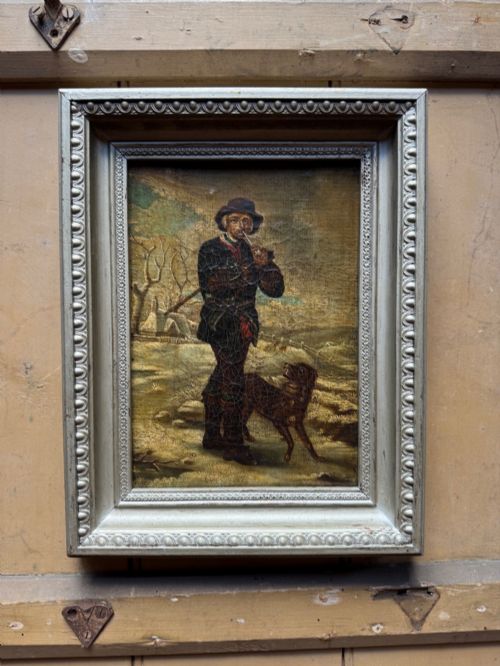
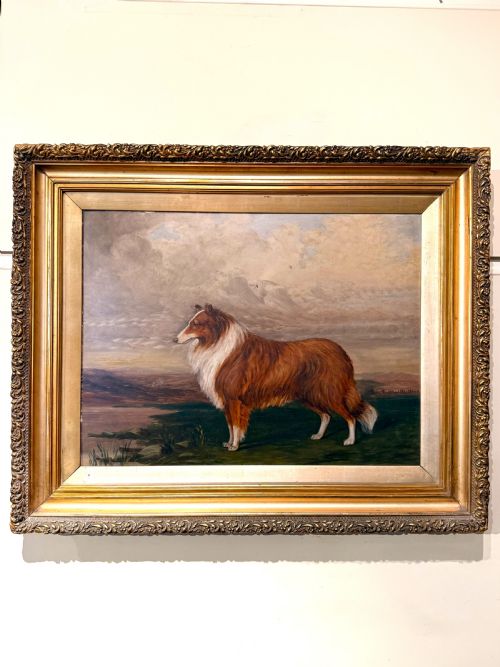
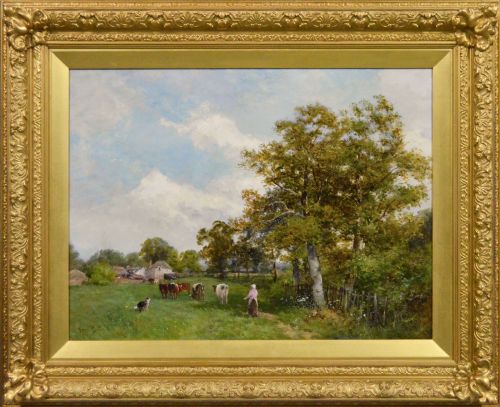
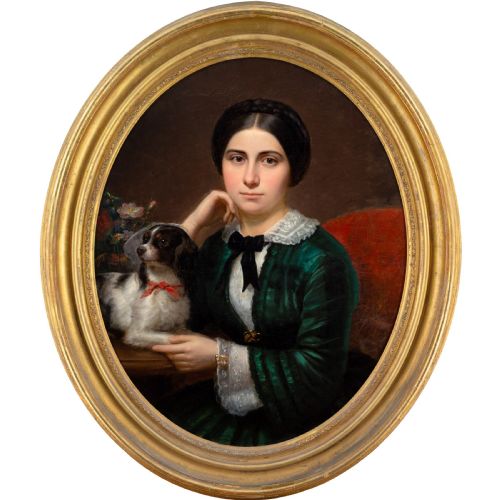
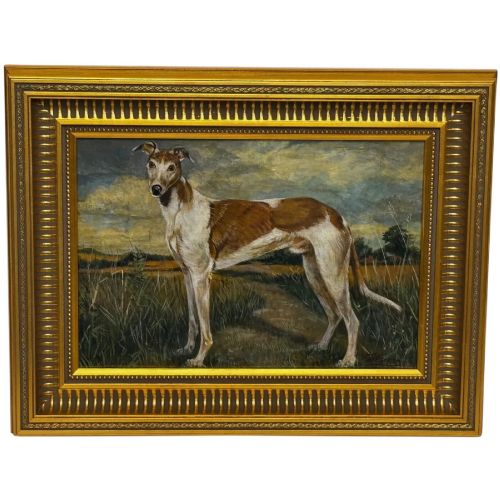
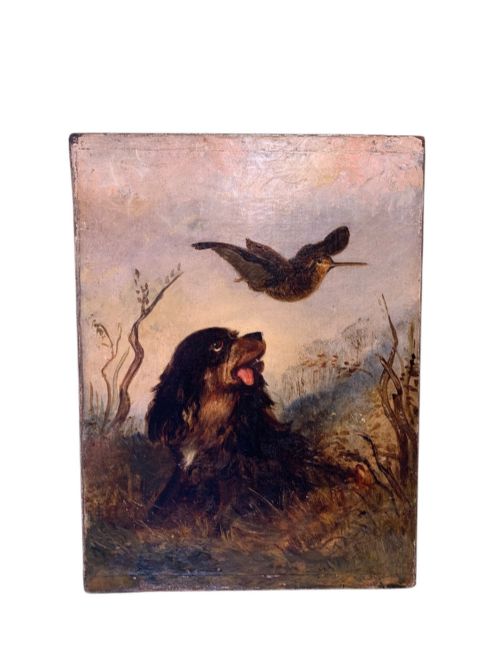
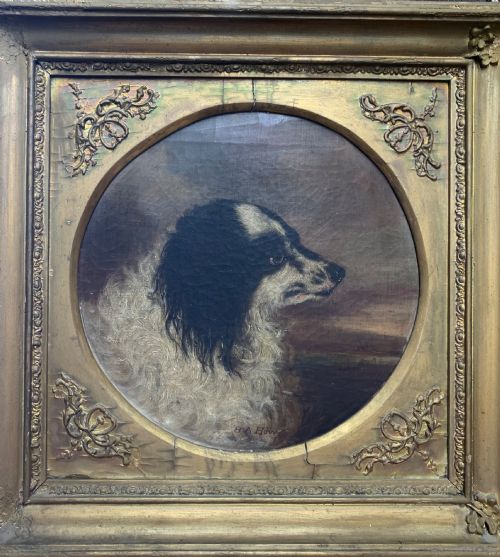
An oil painting with dog encompasses portraiture, sporting art and genre scenes spanning from the seventeenth century through the Edwardian period. Buyers encounter formal aristocratic commissions alongside charming provincial works and naive folk art.
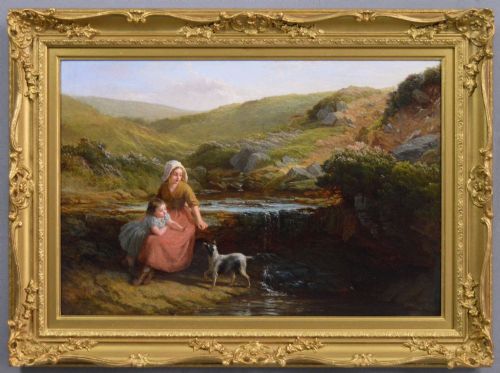
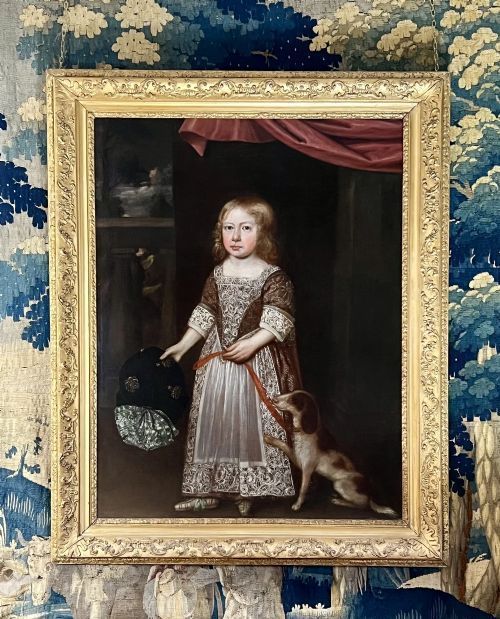
Subjects range from gun dogs and spaniels in expansive landscapes to children and elegant ladies accompanied by their pets inside domestic settings. The canine companion often anchors the composition, reflecting the social standing or daily life of the human subjects.
How They Were Made
These works rely primarily on oil paint applied to stretched canvas or wooden panels, supported by traditional timber stretchers. Painters built the image through layered pigments, utilising the natural tooth of the fabric or the smooth surface of wood to render fur, fabrics and foliage.
Many historical pieces retain their original or period frames constructed from gilded wood or giltwood, which protect the outer edges of the canvas and complement the tones within the paint layer.
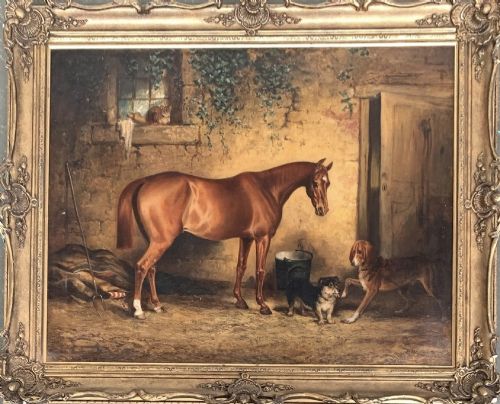
Dogs share canvas space with unexpected companions including guinea pigs, pigs, donkeys and even a peregrine falcon.
What Varies in Quality
Quality rests upon the artist's command of anatomy, expression and light, particularly in the rendering of the animal and its interaction with human subjects. Master practitioners capture the alert posture of a hound or the soft texture of a spaniel with fluid precision.
The sophistication of the surrounding landscape or interior setting also marks the tier of the piece, distinguishing finely detailed academic compositions from simpler naive interpretations.
Samuel Raven·John Horsburgh·John Alfred Wheeler·Mary Beale·J Cecil Bradshaw·Paul Jones·Henri Schouten·Sydney Kendrick·John Constable·Thomas Beach·Richard Waitt·George Cole·Charles Bilger Spalding·Frank Owen Salisbury·George Romney·Richard Buckner·Thomas Blinks·Charles Hunt Jnr·Dean Wolstenholme·Francis Alleyne·Daniel Mytens·Sir Peter Lely·David W Haddon·Augustus S Boult·Fedor Van Kregten
The Oil Painting with Dog Glossary
- Canvas
- A heavy woven fabric stretched across a wooden frame to serve as a foundation for oil paint. This textile support underpins the majority of historical works in this category.
- Giltwood
- Timber carved and coated with a thin layer of gold leaf or metallic powder. Frames made from this material frequently accompany formal nineteenth-century portraits.
- Genre painting
- A pictorial representation of everyday life, domestic interiors or rural scenes involving ordinary people and animals. These works capture common activities rather than formal historical events.
- Naive art
- A style produced by artists without formal academic training, characterised by flattened perspective and direct simplification of form. Such pieces possess a distinct rustic charm.
- Sporting art
- A specialised genre dedicated to equestrian subjects, hunting parties, shooting scenes and working dogs. These paintings document rural pursuits and valued working animals of the landed classes.
Oil Painting with Dog: Frequently Asked Questions
What periods do these paintings cover?
The works span multiple centuries, beginning with seventeenth-century portraits and extending through Georgian, Victorian and Edwardian eras. Each period brings distinct clothing styles, framing methods and compositional approaches.
Earlier pieces often feature darker palettes and formal poses, while later nineteenth-century examples display greater freedom in brushwork and brighter outdoor lighting.
How can I identify the dog breed in a painting?
Artists often depicted specific working or companion types such as spaniels, terriers, hounds and gun dogs. Examining the ear shape, coat length and bodily proportions reveals how historical breeds compare to modern standards.
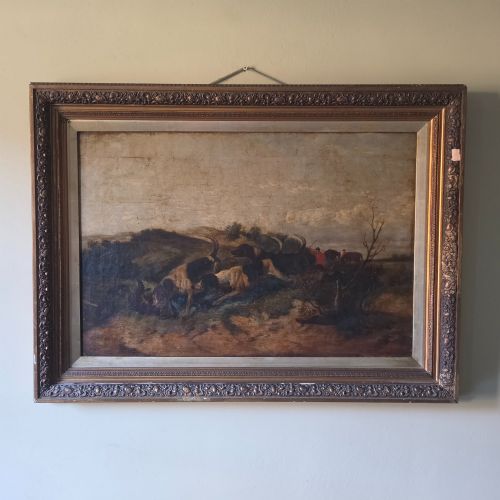
Sporting works usually show specialised hunting dogs in action, whereas portraits highlight pampered lapdogs sitting beside their owners.
Where should I hang an oil painting with a dog?
These historical artworks suit traditional living spaces, libraries or studies where their warm oil pigments and timber frames can be appreciated up close. Placing them away from direct sunlight protects the canvas and paint layers from fading.
Pairing a portrait with period furniture creates a cohesive interior that mirrors the domestic settings the subjects originally inhabited.
What is the difference between a portrait and a genre scene?
A portrait focuses specifically on an individual person, often accompanied by a named pet to signal status or affection. Genre scenes instead depict anonymous figures and animals engaged in daily labour or leisure.
Both categories utilise oil on canvas, but portraits generally emphasise likeness and identity, while genre works tell a broader story of rural or domestic life.