
Oil Painting Fruit Still Life
An oil painting fruit still life brings centuries of domestic abundance and artistic mastery directly onto your walls.
Oil Painting Fruit Still Life
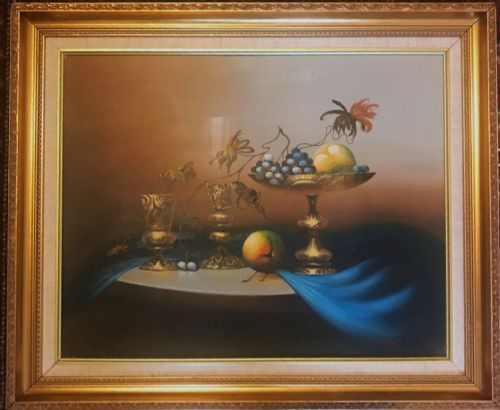
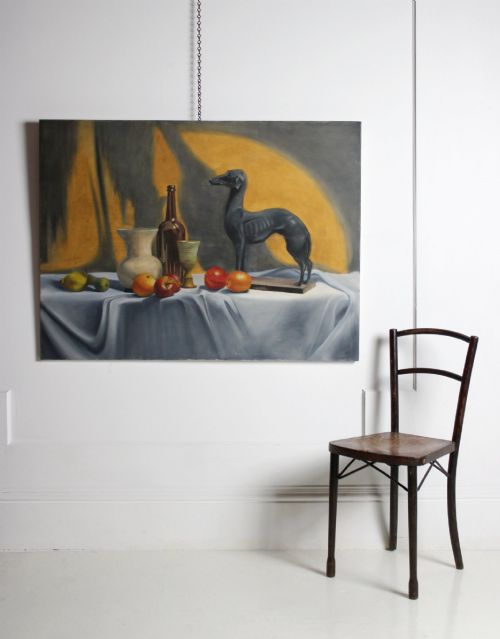
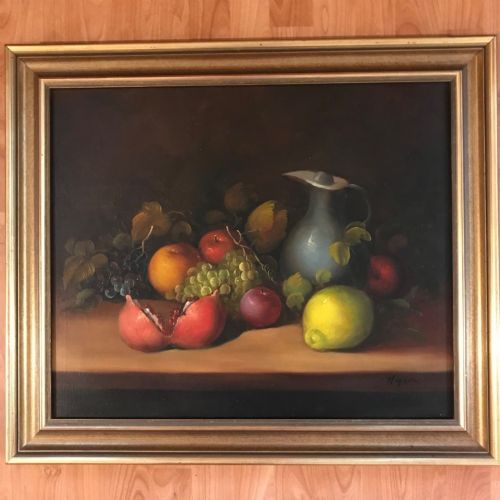
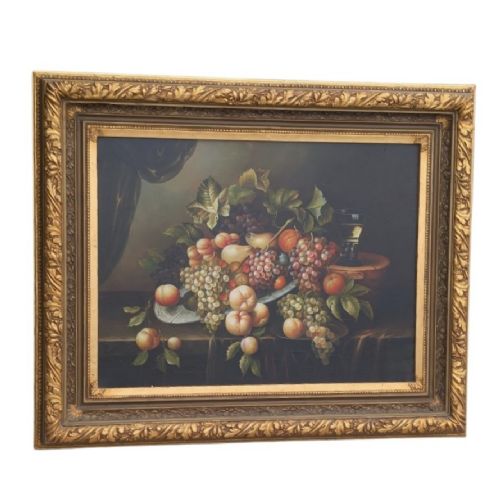
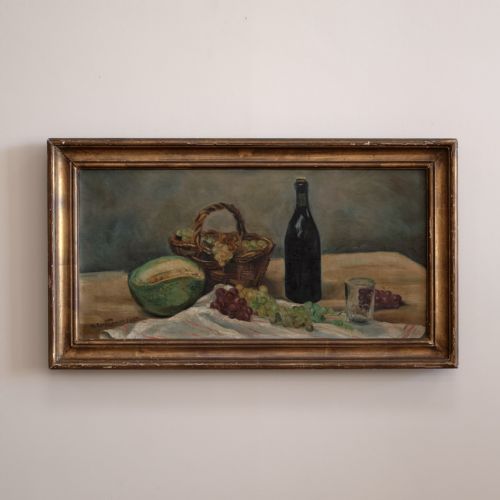
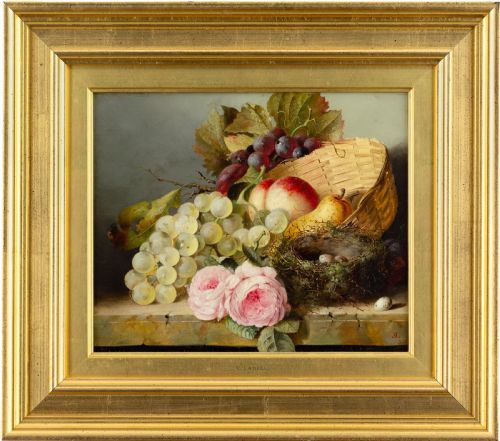
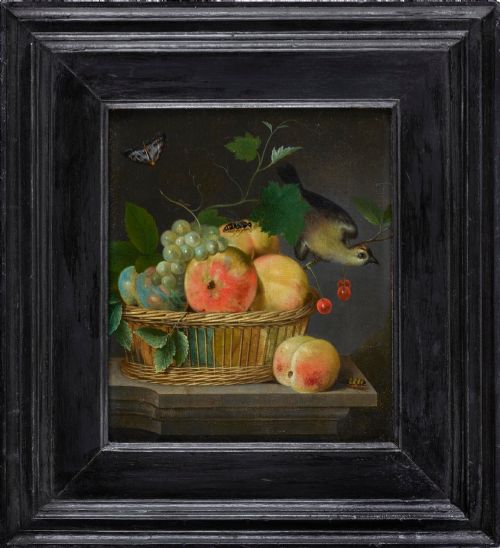
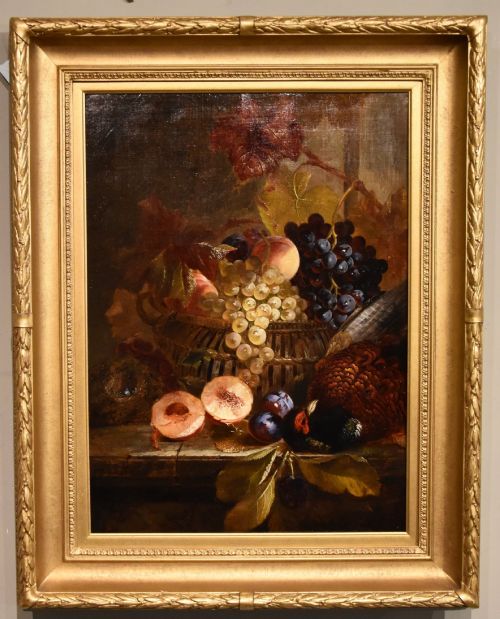
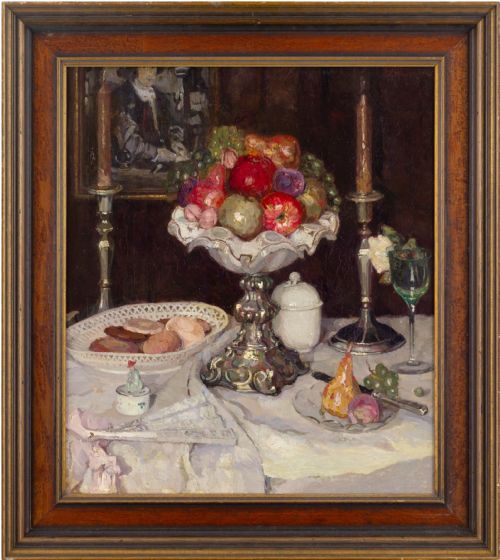
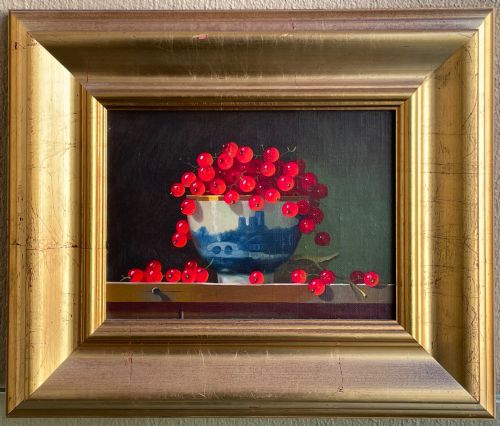
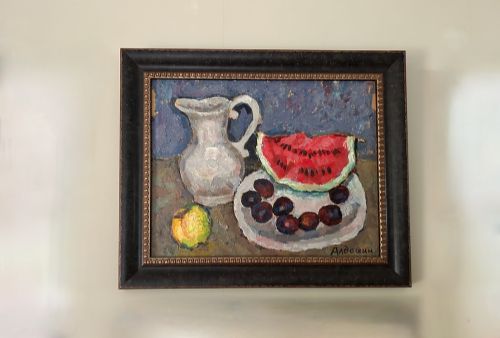
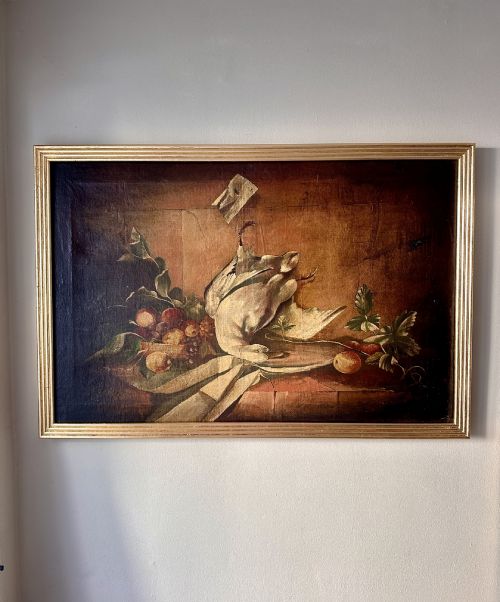
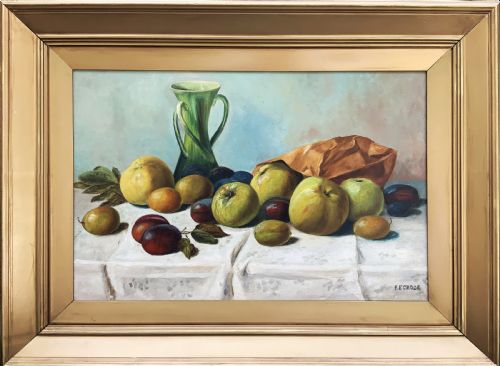
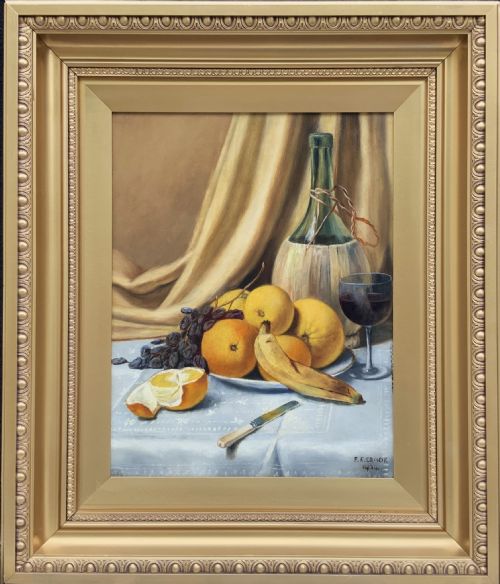
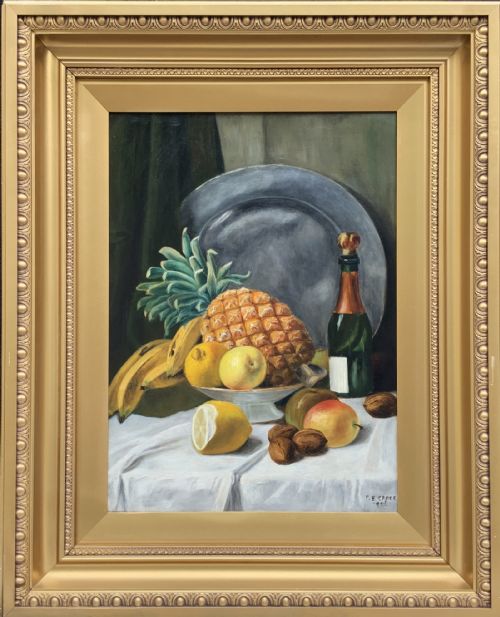
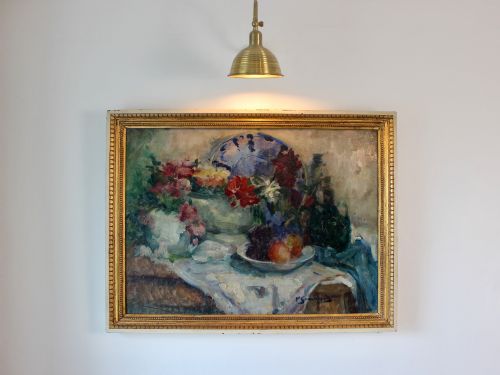
An oil painting fruit still life captures arranged subjects like apples, grapes, baskets, and pitchers on canvas, wood panels, or card. These works range from tightly rendered nineteenth-century classical compositions to mid-twentieth-century abstracted and impressionist studies.
Most pieces encountered here originate from the nineteenth and early twentieth centuries, featuring British, Dutch, French, and Spanish schools. Painters often integrated flowers, glassware, and tableware alongside the central fruit motifs.
Collectors find variations stretching from intimate cabinet studies of peaches and plums to large banquet scenes designed for dining rooms.
How They Were Made
Artists built these works primarily using oil paint applied to stretched canvas, prepared wood panels, or sturdy card supports. The slow-drying nature of oil allowed painters to blend rich tones and achieve realistic textures on fruit skins and woven baskets.
Many works retain their original gilt, giltwood, or solid wood frames, which often feature ornate decorative mouldings characteristic of their period of origin.
Listings feature works spanning from the seventeenth century through the mid-twentieth century, executed in oil on canvas, wood panel, and card.
What Varies in Quality
Quality rests upon the artist's ability to render light, shadow, and tactile depth across organic surfaces like grapes, pomegranates, and foliage. Master hands achieve convincing volume and luminosity through layered brushwork rather than flat application.
The sophistication of the composition and the preservation of the original paint surface and period frame heavily influence the standing of an individual canvas.
Edward Ladell·Gaspar Peeter Verbruggen·William Henry Ward·Else Preußner·Ian Parker·Vladimir Aldoshin·Victor Simonin·Evelyn Chester·Henri Joseph Pauwels·Edward Duffield·Vincent Clare·Bela Balogh·Thomas Hooper·Maud Frances Eyston Sumner·George Clare·Edouard Fleury·Horace Mann Livens
The Oil Painting Fruit Still Life Glossary
- Giltwood
- Wood carved and covered with a thin layer of gold leaf or metallic gilt powder. This material frequently frames nineteenth-century still life canvases.
- Impasto
- Paint applied thickly to a canvas, standing out in relief from the surface. This technique appears in impressionist and mid-century interpretations of fruit subjects.
- Panel
- A flat piece of wood used as a rigid painting support instead of stretched canvas. Panels are common in earlier European still life traditions.
- Still Life
- A work of art depicting mostly inanimate subject matter, typically commonplace objects which may be either natural or man-made. Fruit compositions form a major sub-genre within this category.
Oil Painting Fruit Still Life: Frequently Asked Questions
How do I date an oil painting fruit still life?
Dating relies on examining the canvas support, the style of the brushwork, and the framing materials. Pigment analysis and stretcher bar construction also offer clues to the decade of creation.
Nineteenth-century works typically display tight academic realism, while mid-century pieces lean towards looser brushstrokes and abstracted forms.
Where should I hang a fruit still life?
These works traditionally hang in dining rooms, kitchens, or breakfast spaces where their subject matter complements the surroundings. They suit both traditional period interiors and clean contemporary walls.
Avoid placing them in direct sunlight to protect the oil pigments and vulnerable wooden frames.
What is the difference between canvas and panel paintings?
Canvas paintings utilise woven fabric stretched over a wooden frame, offering slight flexibility and a textured weave beneath the paint layers. Wood panels provide a completely rigid surface that resists punctures.
Panels often indicate earlier European works or deliberate choices by artists seeking a perfectly smooth ground.
Why do many still lifes feature game and flowers?
Classical and Victorian painters combined fruit with game birds, fish, and floral arrangements to demonstrate technical skill across diverse textures. These layered compositions represented domestic wealth, seasonal abundance, and the passage of time.
Including items like wine glasses and pottery added narrative depth to the tabletop arrangement.