

Oil Paint Male Portrait
An oil paint male portrait captures the likeness of a gentleman from past centuries through rich pigments applied to canvas or wood.
Oil Paint Male Portrait
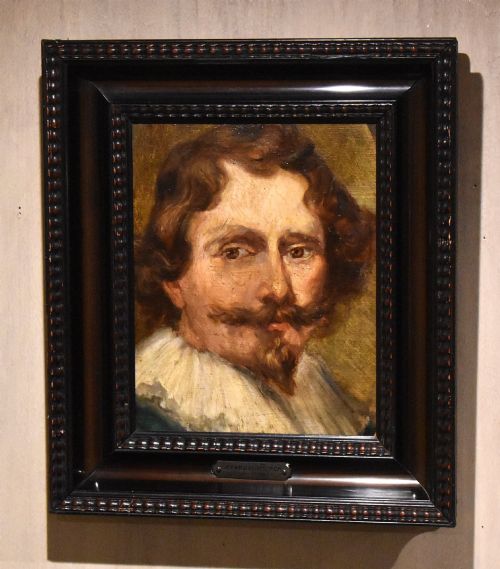
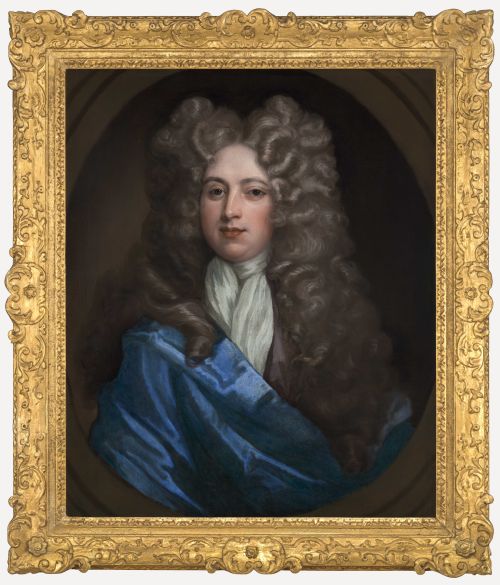
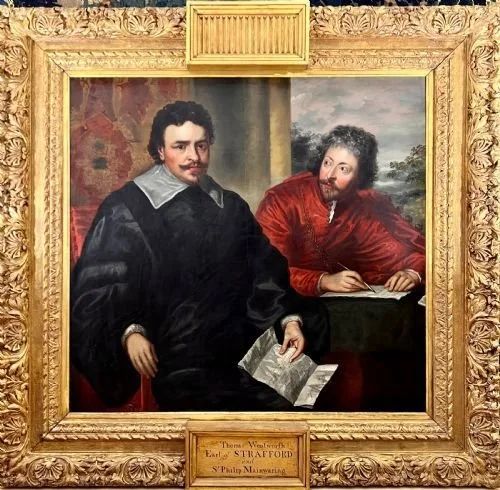
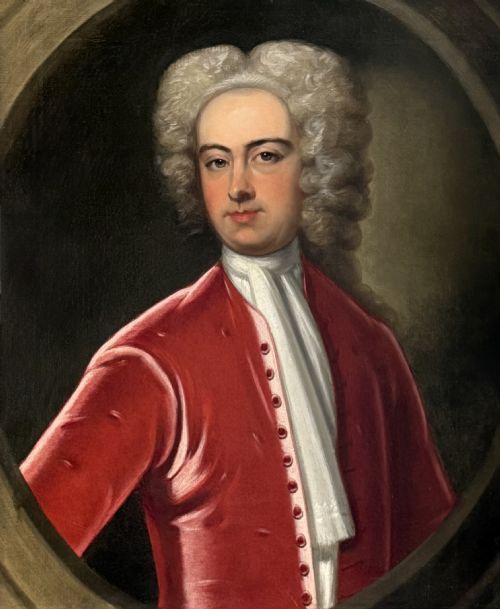
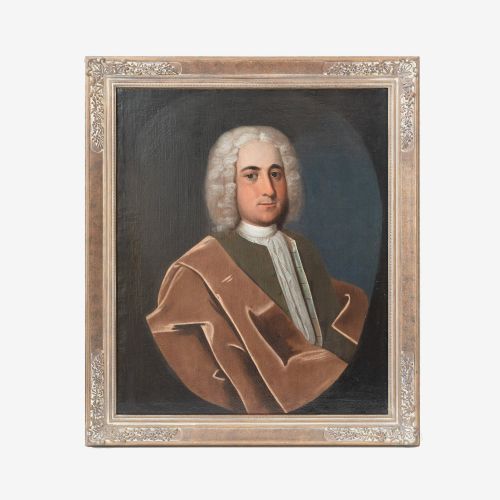
When you search for an oil paint male portrait, you encounter depictions of gentlemen, scholars, and nobles originating from the seventeenth, eighteenth, and nineteenth centuries. These works range from formal studio commissions to intimate character studies executed in varied European schools.
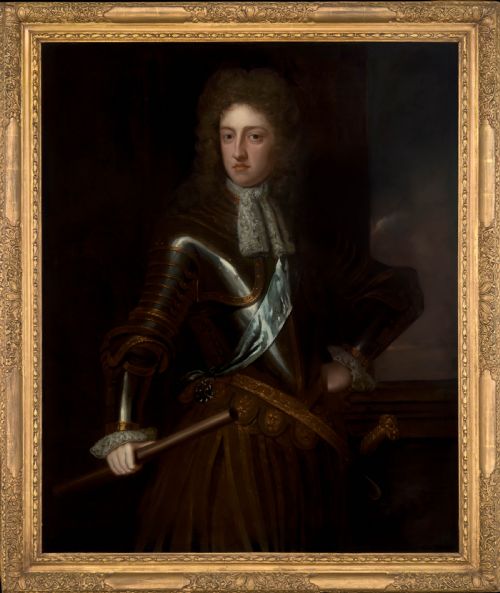
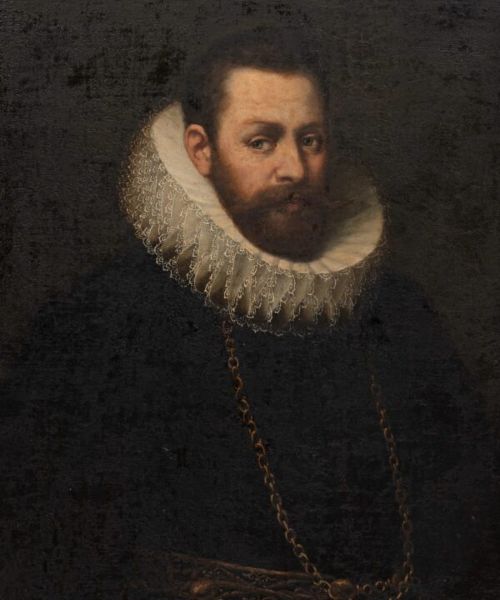
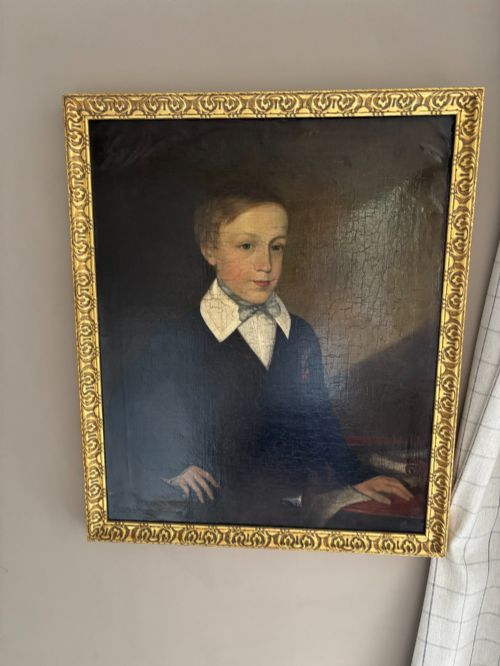
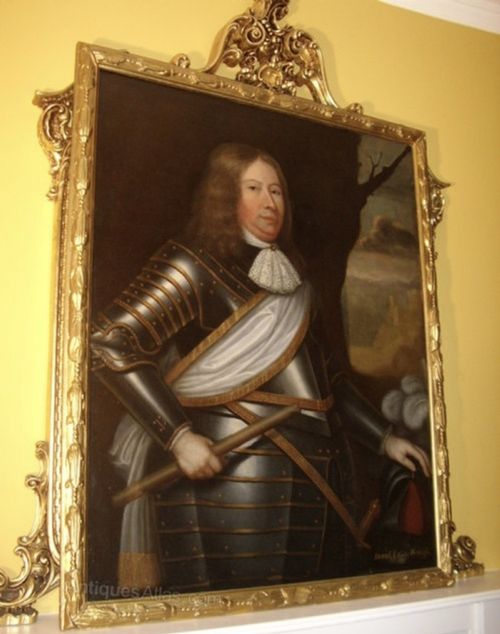
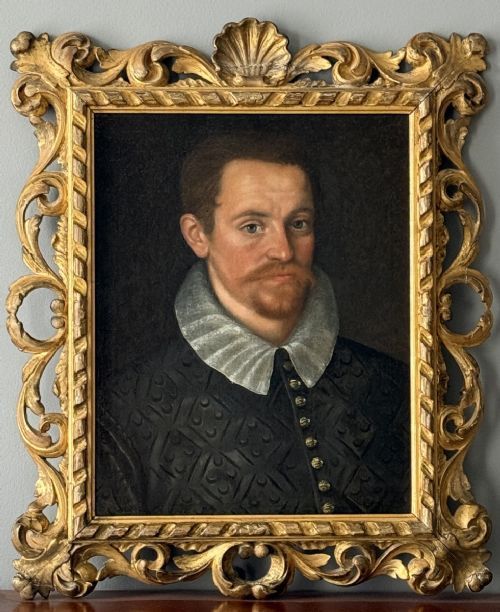
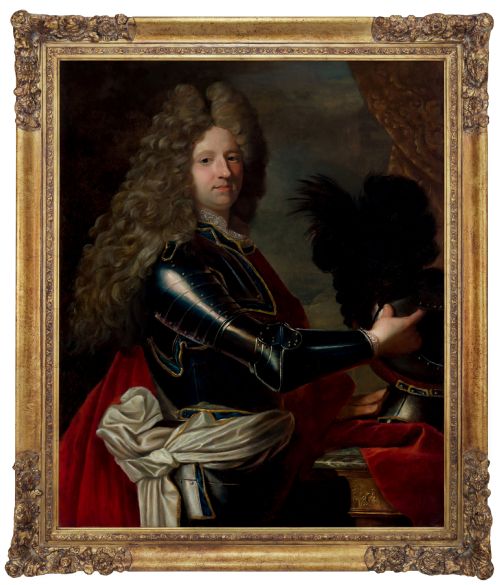
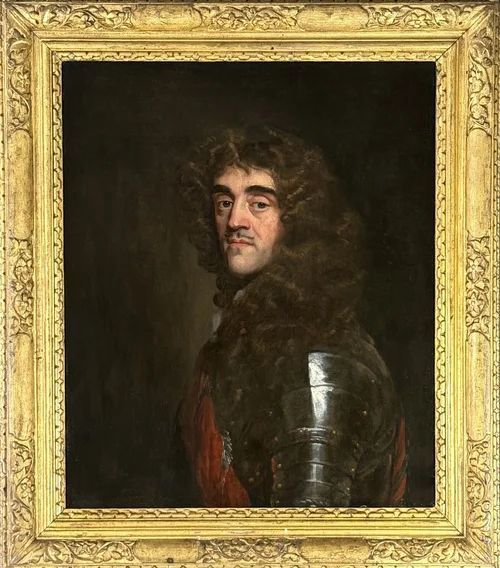
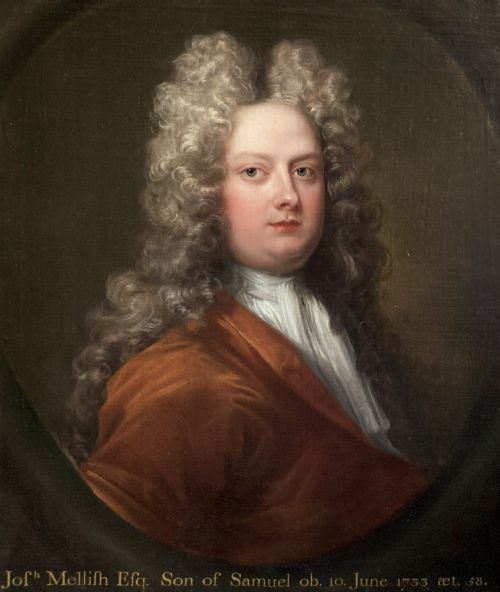
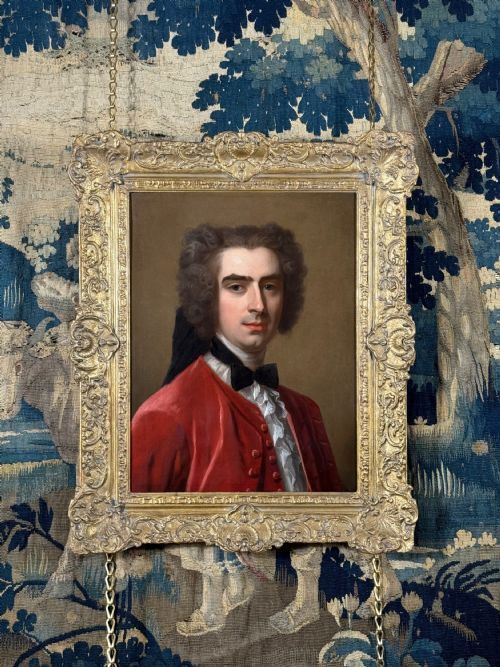
The versions most frequently met on this page are oil on canvas paintings spanning the Georgian, Regency, and Victorian eras. Subjects often appear in period attire such as periwigs, doublets, or scarlet jackets, reflecting the fashion of their specific decade.
Representations span British, Dutch, German, and Scottish schools, capturing notable historical figures alongside anonymous sitters. Each piece provides a direct visual link to the portraiture conventions of its respective century.
Materials and Construction
Paintings in this category rely primarily on oil paint applied to stretched canvas or wooden panels, utilising the slow-drying nature of oil to build depth and luminosity. Artists layered translucent glazes over opaque underpaintings to achieve realistic flesh tones and fabric textures.
Many historical examples retain their original wooden frames, occasionally enhanced with giltwood or gold leaf detailing. The physical support often shows age through craquelure and canvas weave, documenting the traditional methods of historic workshops.
Listings feature works from seventeenth-century Dutch and German schools alongside eighteenth-century British portraiture on canvas.
Distinctions in Execution
Quality in these works rests upon the precision of the brushwork and the psychological depth captured in the sitter's expression. Master painters and established studio circles achieved a lifelike presence through subtle handling of light and shadow.
The sophistication of the composition and the accurate rendering of costume details separate exceptional examples from standard provincial output. Superior condition and well-documented provenance further elevate the standing of a canvas.
Charles Jervas·Jean Baptiste Van Loo·Sir Godfrey Kneller·Thomas Murray·Sir Joshua Reynolds
The Oil Paint Male Portrait Glossary
- Oil on Canvas
- A traditional painting medium where pigmented oil is suspended in a drying oil and applied to a woven fabric support stretched across a wooden frame.
- Studio of
- A designation indicating that a work was produced by assistants or pupils under the direct supervision of a master artist.
- Giltwood
- Wood carved and treated with a thin layer of gold leaf or gold paint, frequently used for decorative antique frames.
- Periwig
- A voluminous man's wig fashionable in European high society during the seventeenth and early eighteenth centuries, commonly seen in formal portraits.
- Craquelure
- A fine network of microscopic cracks appearing across the surface of aged oil paint and varnish, serving as an indicator of age.
Oil Paint Male Portrait: Frequently Asked Questions
How do I identify the sitter in a portrait?
Sitters are sometimes identified by contemporary inscriptions on the canvas, stretcher bars, or frame plaques detailing names, titles, or dates.
In many instances, heraldic crests, clothing styles, or specific props offer clues to the individual's social standing and identity.
What is the difference between studio work and an original piece?
Works attributed to the studio of a master were executed by trained assistants following the principal artist's compositional methods and supervision.
Such pieces share stylistic traits with the primary master but generally carry different attribution markers in historical records.
How should I hang an oil portrait at home?
These paintings require stable interior environments away from direct sunlight and excessive humidity changes to preserve the integrity of the canvas and paint layers.
Pairing the artwork with a period-appropriate giltwood frame enhances the visual presentation within a traditional or contemporary room.
What periods are most common for these portraits?
The selection spans multiple centuries, with significant representation from the seventeenth and eighteenth centuries featuring formal attire like ruffs and periwigs.
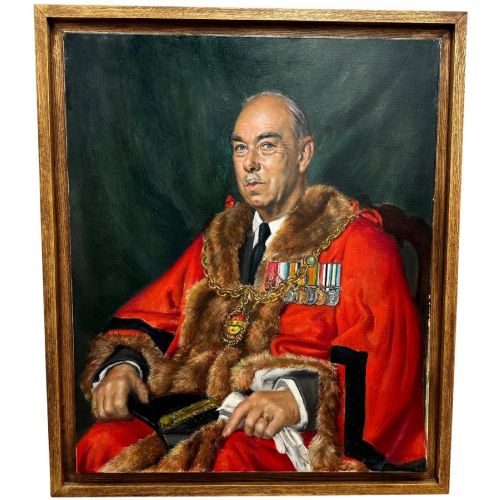
Later nineteenth-century and Regency examples introduce softer lighting and more relaxed postures characteristic of Romantic and Realist movements.