
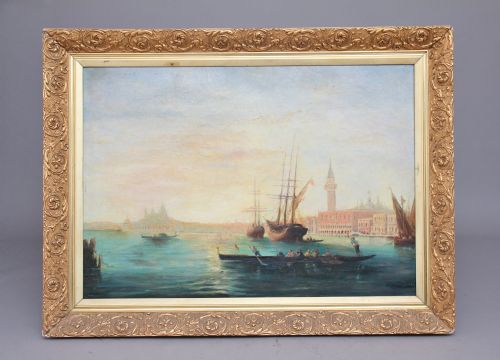

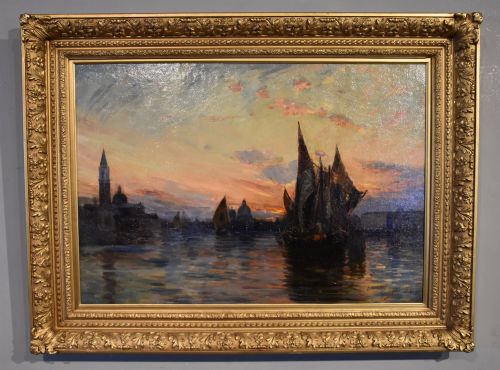


Oil on Canvas Venice
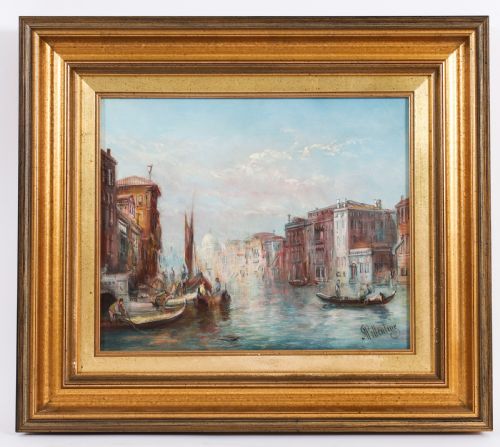
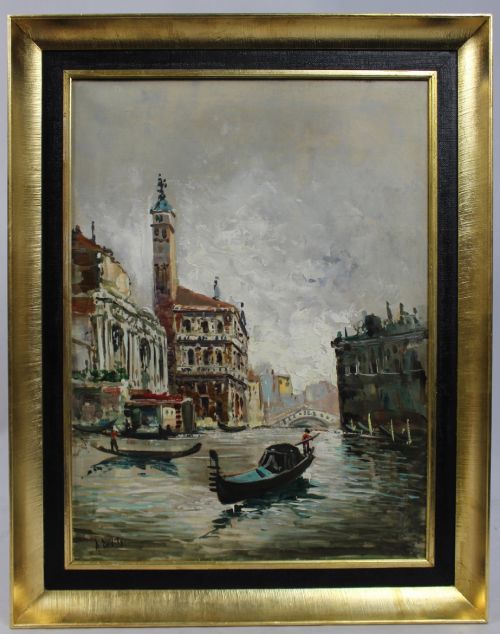
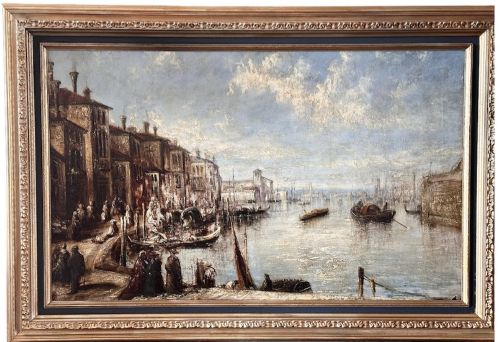
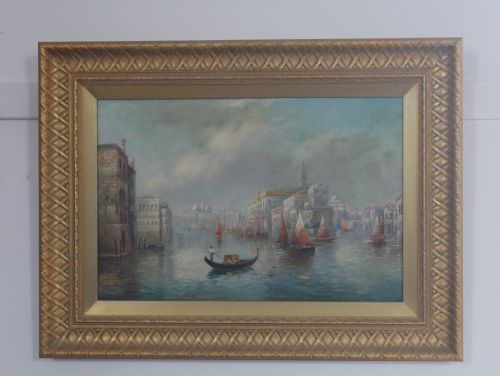
Oil on canvas venice works capture the enduring allure of the floating city through textured brushwork and atmospheric light.
Oil on Canvas Venice
When you search for oil on canvas venice, you encounter centuries of artistic fascination with the lagoons, palazzos, and canals of the Italian city. The majority of pieces on this page originate from the nineteenth century and the mid-twentieth century, capturing either romanticized architectural vistas or impressionistic treatments of light on water.
Subjects range widely from bustling views of the Grand Canal and the Doge's Palace to quiet corners near the Rialto Bridge and depictions of gondoliers. Artists frequently returned to specific landmarks such as the Santa Maria della Salute and the Dogana, rendering them in distinct styles varying from traditional realism to expressive impressionism.
Materials and construction
The works rely upon oil paint applied to stretched canvas surfaces, utilising the medium's capacity for rich colour blending and luminous depth to render the characteristic hazy light of the Venetian lagoon. Artists built up these compositions through layered brushstrokes, capturing the interplay of sun and mist upon terracotta buildings and open water.
Many surviving examples retain their period frames constructed from wood, frequently featuring giltwood or carved and pierced ornamentation that complements the warm tones of the oil paintings within.
Several canvases capture gondoliers navigating the narrow waterways, occasionally caught mid-song beneath the shadow of the Bridge of Sighs.
Factors of artistic merit
Quality in these townscapes rests upon the artist's handling of atmospheric perspective and light, which separates routine topographical records from compelling works of art. Superior examples demonstrate confident brushwork and a sophisticated grasp of colour harmony when depicting the reflective surfaces of water and stone.
The strength of the composition and the precision with which architectural elements integrate with the natural expanse of the lagoon further distinguish finer pieces. Works bearing firm attribution to established painters or carrying distinctive provenance command greater interest among collectors.
Alfred Pollentine·Jane Vivian·Antoine Bouvard Senior·Francis Moltino·Antonio DeVity
The Oil on Canvas Venice Glossary
- Canvas
- A closely woven fabric stretched across a wooden frame to serve as a durable support for oil paint. This material has remained a preferred medium for artists since the Renaissance.
- Giltwood
- Wood that has been coated with a thin layer of gold leaf or gold paint. Frames finished in this manner frequently accompany nineteenth-century oil paintings.
- Lagoon
- The shallow body of water surrounding Venice, characterised by specific tidal light conditions. Painters often depicted its atmospheric mists and reflective expanses.
- Townscape
- A genre of painting focused primarily on urban views, architecture, and street scenes. These works document the historic streetscapes and canals of Venice.
Oil on Canvas Venice: Frequently Asked Questions
How do I date a Venetian oil painting?
Dating typically relies on stylistic indicators, canvas preparation techniques, and the framing materials associated with the period. Nineteenth-century works often favour crisp architectural topography, whereas mid-century examples lean towards looser impressionistic interpretations.
Signatures, inscriptions on the reverse, and historical records regarding the artist provide further chronological markers. Comparing the handling of light and water with dated pieces in the archive helps narrow down the decade of creation.
Where were these paintings displayed?
Historically, these canvases hung in domestic drawing rooms, galleries, and stately homes across Britain and Europe. They served as cherished mementos of the Grand Tour or as sophisticated decorative statements for urban residences.
Today, they suit a variety of interior settings, adding historic depth and a sense of travel to traditional and contemporary spaces alike.
What subjects are most common?
The grand thoroughfares and civic monuments of the city dominate the visual record, with the Grand Canal appearing with notable frequency. Artists repeatedly returned to specific vantage points near St Mark's Square, the Rialto Bridge, and the Dogana.
Quiet backwater canals featuring moored gondolas and atmospheric renderings of the misty lagoon also form a significant portion of the available imagery.
How should I care for an oil painting?
Preserving these works requires stable environmental conditions away from direct sunlight, excessive humidity, and rapid temperature fluctuations. Maintaining a consistent indoor climate prevents the canvas from slackening and protects the oil paint from cracking.
Dusting should be performed gently with a soft, dry brush, avoiding any moisture or chemical cleaning agents that might damage the delicate surface layer.