


Grand Tour Style Artwork
Grand tour style artwork captures the classical sights and landscapes of Italy, offering buyers a lasting connection to historic European travel.
Grand Tour Style Artwork
Grand tour style artwork encompasses oil paintings, landscapes, and marble sculptures created to commemorate travels through historic European centres. Pieces span periods from the seventeenth century through to the twentieth century, reflecting enduring artistic traditions.
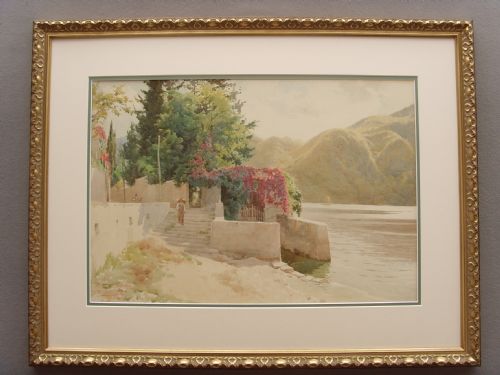
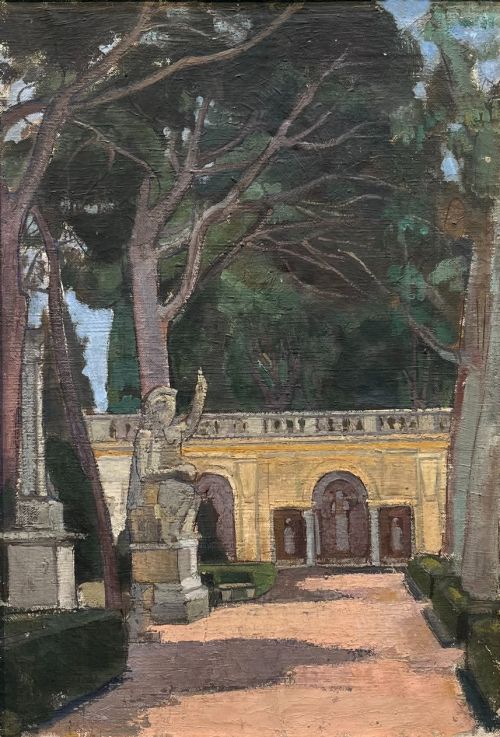
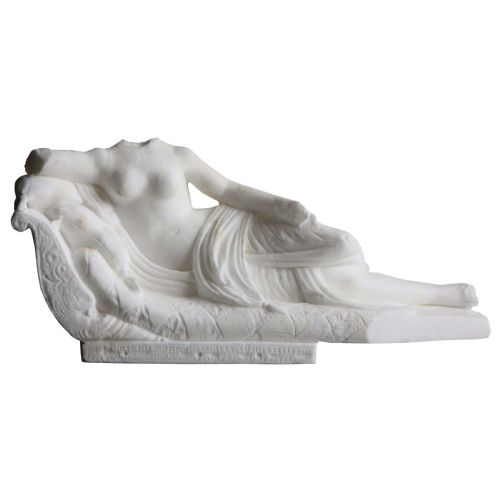
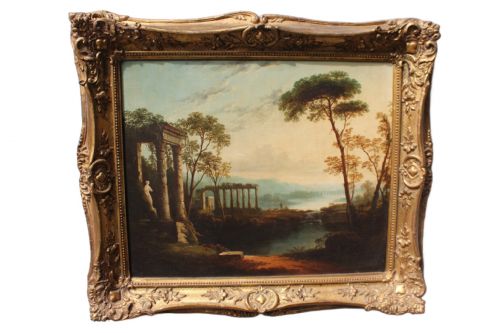
Buyers will encounter oil on canvas works depicting Venetian scenes, Roman gardens, and coastal views of Sorrento alongside neoclassical sculpture. These items bring classical architecture and Mediterranean light into modern interiors.
Materials and methods
Sculptors shaped Carrara marble to produce classical figures and portrait busts inspired by ancient models. Timber forms the structural base for panel works and supports various framed paintings.
Grand tour travellers sometimes packed collapsible sketching stools so they could capture Italian light before dinner.
Assessing quality
The refinement of brushwork and the handling of atmospheric light distinguish finer painted landscapes from simpler decorative versions. Depth in architectural rendering and subtlety in the depiction of figures elevate individual canvases.
Sculptural execution relies upon the precision of the carved marble and the fidelity to classical proportions found in works after established sculptors. The preservation of the original gilt wood framing also contributes to the standing of a piece.
Jane Vivian·Alfred Pollentine·Thomas Jones
The Grand Tour Style Artwork Glossary
- Capriccio
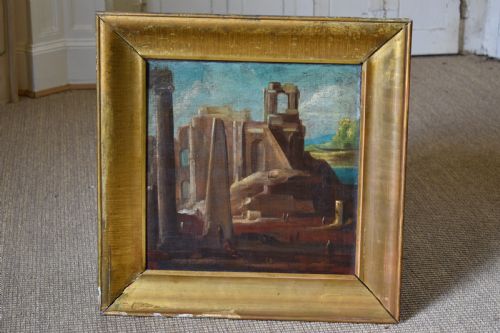
- An architectural fantasy placing fictional or real buildings into a picturesque landscape setting. This style allowed artists to rearrange classical ruins for dramatic effect.
- Carrara marble
- A type of white or blue grey marble quarried in the city of Carrara in Tuscany, prized by sculptors for its uniform grain. It was the preferred medium for neoclassical statuary.
- Gilt wood
- Wood that has been covered with a thin layer of gold leaf or gold paint to provide a decorative metallic surface. It frames many traditional European oil paintings.
- Neoclassical
- A Western cultural movement drawing inspiration from the art and culture of classical antiquity. This aesthetic heavily influences nineteenth century grand tour paintings and sculptures.
- Italianate classical
- An artistic style celebrating the scenery, light, and architectural ruins of Italy. It appears frequently in landscape paintings produced for travellers.
Grand Tour Style Artwork: Frequently Asked Questions
What is grand tour style artwork?
Grand tour style artwork comprises paintings and sculptures collected by travellers exploring the cultural sites of Europe, particularly Italy. These pieces typically depict classical ruins, Mediterranean landscapes, and Venetian scenes.
Created across several centuries, the works reflect the enduring appeal of classical antiquity and Italian scenery. They range from oil paintings on canvas to carved Carrara marble sculptures.
How were these paintings displayed?
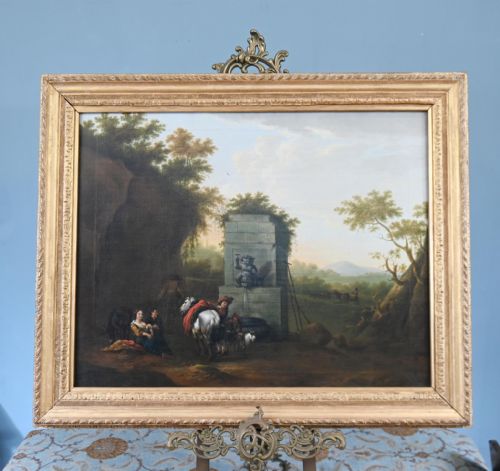
Historically, travellers hung these oil paintings in their homes to document their journeys and signal their classical education. Gilt wood frames were often chosen to complement the formal decor of period rooms.
Today, these artworks function similarly, adding historic character and academic interest to domestic interiors. They suit studies, libraries, and principal reception rooms alike.
What subjects appear in these paintings?
Common subjects include extensive Italianate landscapes, views of Rome and Venice, and coastal scenes around Sorrento. Artists also painted portraits of Roman noblewomen and mythological figures such as Maenads.
Many works reference earlier masters or depict specific historic gardens and palaces. Architectural capriccios combining real and imagined ruins also feature prominently.
How do I care for marble sculptures?
Carrara marble sculptures require gentle dusting with a soft, dry cloth to prevent the accumulation of particles on carved surfaces. Avoid using household cleaning liquids or abrasive materials that might damage the stone.
Keep marble pieces away from direct heat sources and sudden temperature fluctuations. Proper placement ensures the longevity of the polished surface.