

Occasional Centre Table
An occasional centre table brings freestanding elegance to a room, offering a versatile surface designed to be viewed from all sides.
Occasional Centre Table
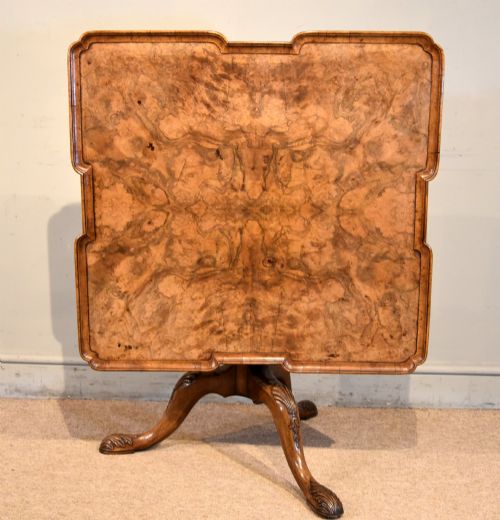
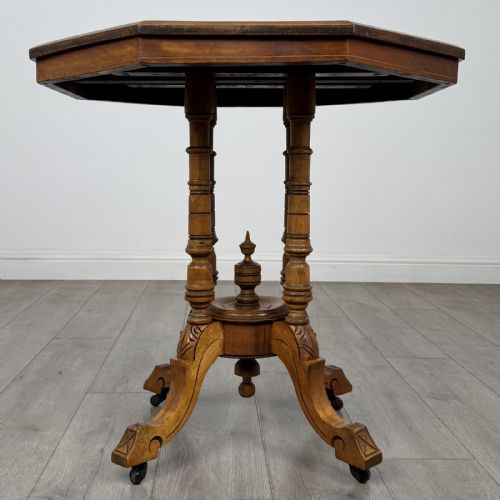
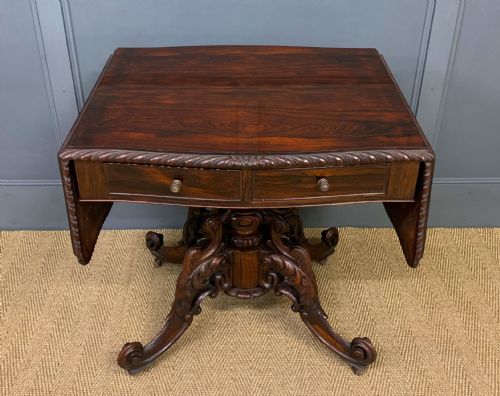
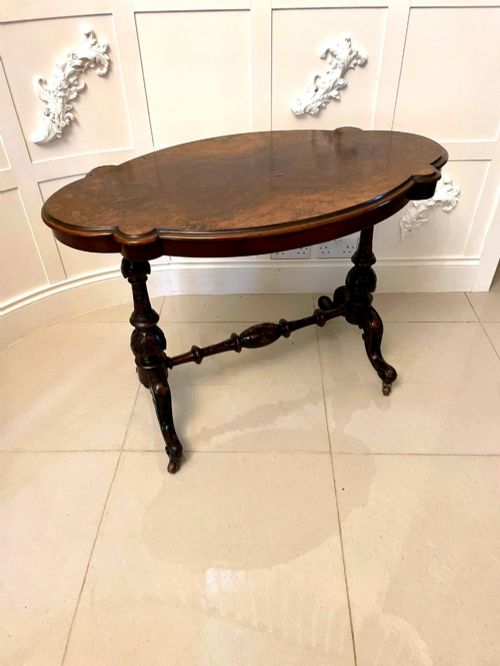
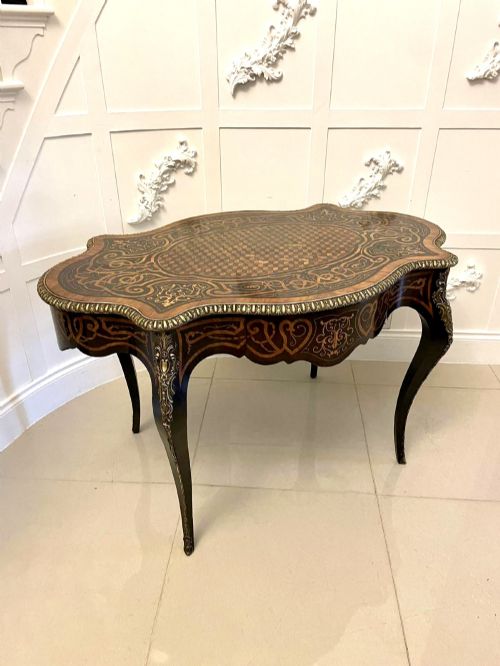
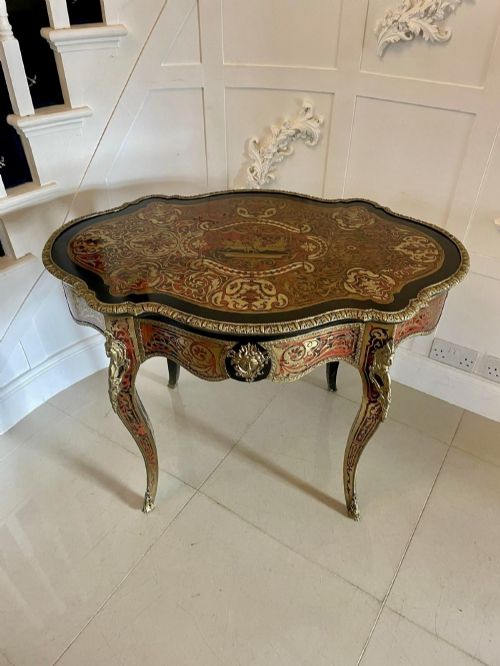
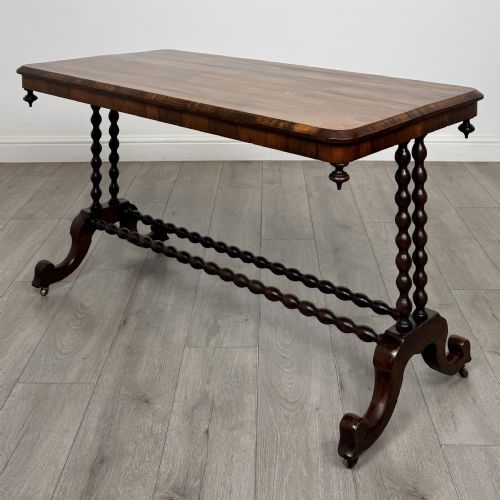
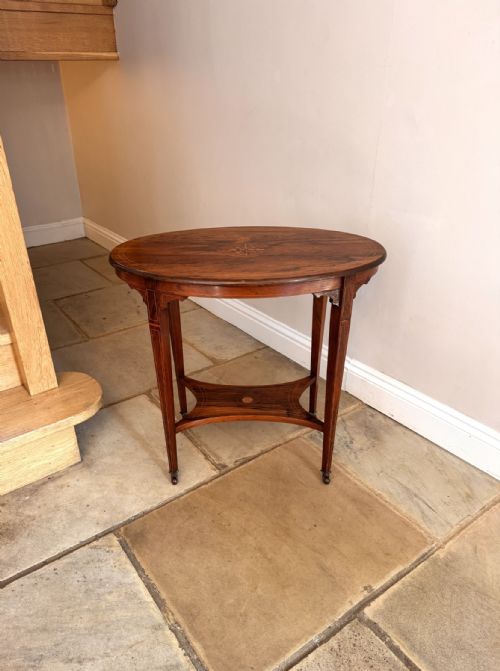
When you search for an occasional centre table, you examine freestanding pieces intended to sit in the middle of a room rather than against a wall. The selections span the nineteenth century, the Edwardian era, and the early twentieth century, incorporating Victorian, Regency, and Louis XV revival designs.
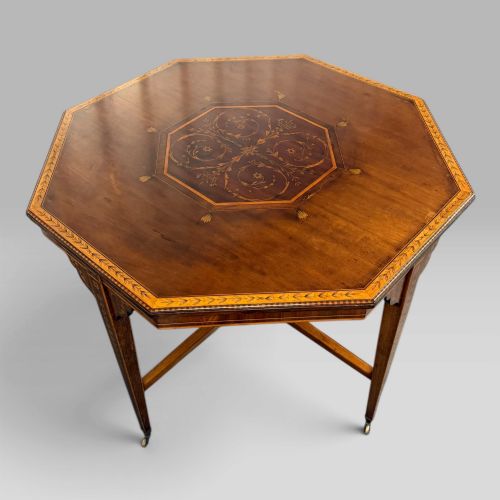
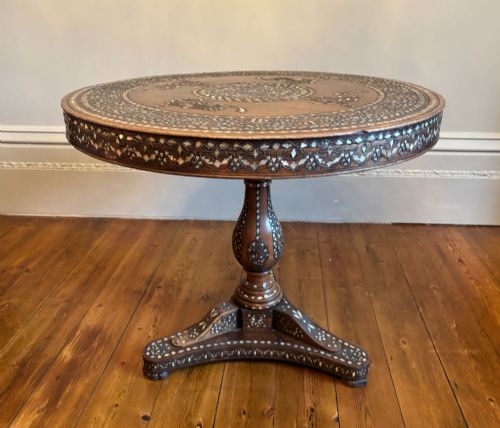
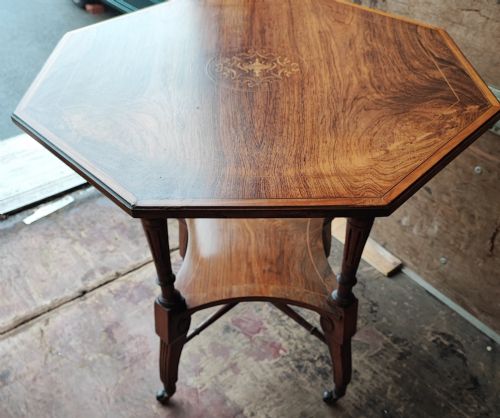
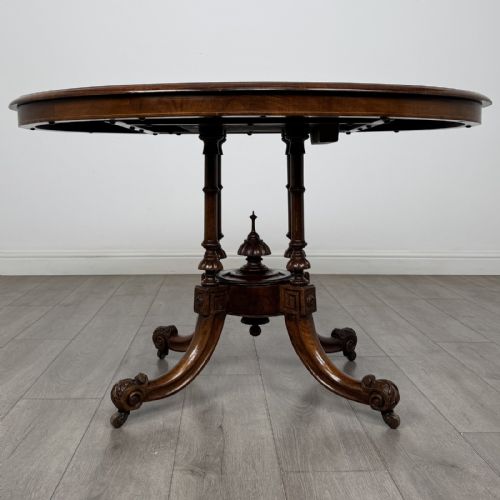
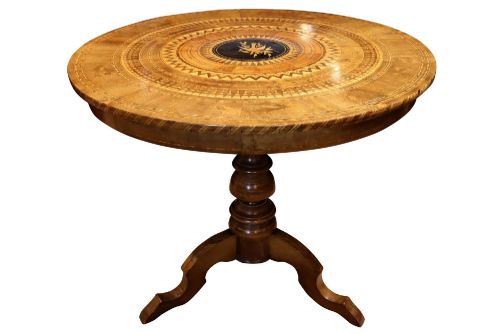
Most examples function as centre tables, lamp tables, or occasional tables, taking round, oval, octagonal, or rectangular forms. Walnut, mahogany, and rosewood predominate, frequently enhanced by marquetry, parquetry, or marble tops.
Materials and construction
Cabinet makers utilised dense hardwoods such as mahogany, walnut, and rosewood as the primary structural foundations. Decorative veneers including burr walnut, burr birch, and satinwood added distinct grain patterns to table tops.
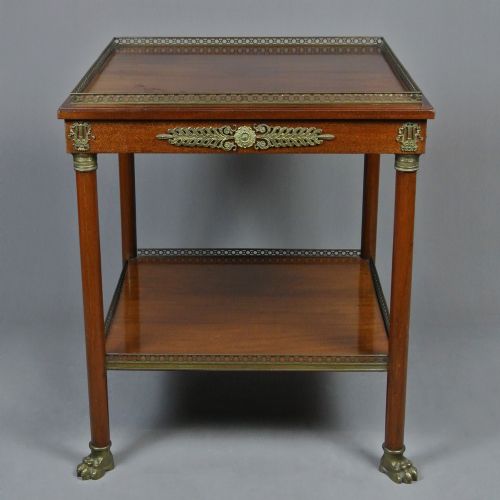
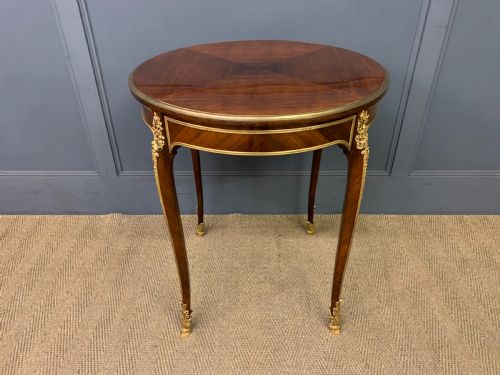
Mounts of ormolu, gilt bronze, and brass decorated many French and English pieces, while inlay work featured intricate parquetry and marquetry. Marble tops in varieties such as Breccia Medicea provided durable and decorative surfaces.
Occasional Centre Table Retail Price Guide 2026
Typical asking prices for occasional centre table among the pieces listed under this phrase on Sellingantiques today, from the lower quarter to the upper quarter. They describe what is for sale here now, not the wider market.
Several tables roll about on original castors, prepared for sudden redecorating whims.
Assessing quality and execution
The standard of an occasional centre table rests upon the precision of its timber selection and the complexity of its surface decoration. Finely figured burr walnut and detailed floral marquetry distinguish superior pieces from simpler utilitarian items.
Construction details such as freestanding finishing on all sides, the integration of castors, and the crispness of carved wooden or cast ormolu mounts separate standard workshop production from master cabinet work.
Francois Linke·Edward’s And Robert’s
The Occasional Centre Table Glossary
- Marquetry
- Decorative woodwork where pieces of veneer are fitted into a design on a solid ground. This technique creates complex floral or geometric patterns across table tops.
- Parquetry
- Geometric mosaic woodwork used for repeating patterns on furniture surfaces. It frequently appears alongside marquetry on Victorian and continental tables.
- Ormolu
- Gilt bronze mounts applied to furniture for decorative effect. It is commonly found on French revival pieces.
- Galleried shelf
- A raised edge or small rail fitted to a lower shelf or table top. This feature prevents items from sliding off the surface.
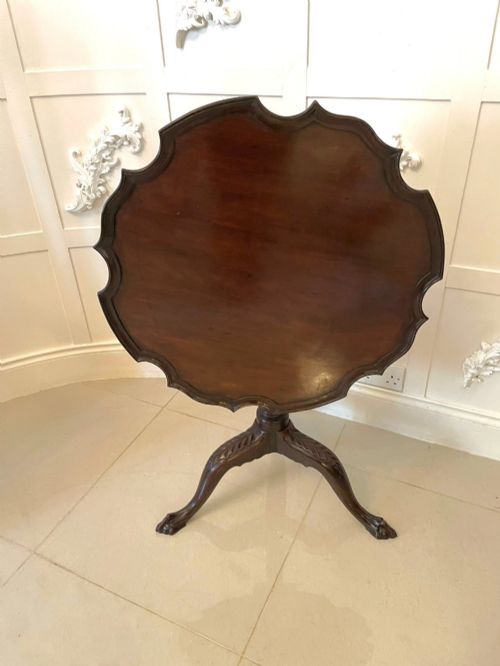
- Pie crust edge
- A carved, scalloped raised border shaped around the perimeter of a round table top. It is typically associated with mahogany tables.
Occasional Centre Table: Frequently Asked Questions
What is an occasional centre table?
An occasional centre table is a freestanding piece designed to be viewed from all sides in the middle of a room. It provides a versatile surface for lamps, books, or decorative objects.
These tables vary in form from round lamp tables to large oval centre tables. They function independently of walls, often anchoring a seating arrangement or filling an open hallway.
How do I date a centre table?
Dating a centre table involves examining the primary timbers, construction methods, and stylistic revival influences. Nineteenth-century examples often feature solid mahogany or burr walnut with hand-cut veneers.
Specific periods display distinct characteristics, such as Regency rosewood with brass inlay or Victorian walnut with detailed marquetry. Hardware like original castors also provides clues to the manufacturing era.
Where should I place a centre table?
A centre table belongs in an open space where it can be approached from multiple directions. Common placements include the middle of a drawing room, a spacious hallway, or a large antechamber.
Because these tables are finished on all sides, they should not be pushed against a wall. Allowing clearance around the piece highlights its freestanding design and decorative grain.
What is the difference between a centre table and a side table?
A centre table is finished on all sides because it is built to stand in the open space of a room. A side table is traditionally constructed to sit flat against a wall.
Centre tables often feature all-around decoration such as symmetrical marquetry or mouldings. Side tables may have a plain back or simpler finishing on the side facing the wall.