

Oak X Frame Chair
An oak x frame chair brings structural drama to a room through intersecting supports.
Oak X Frame Chair
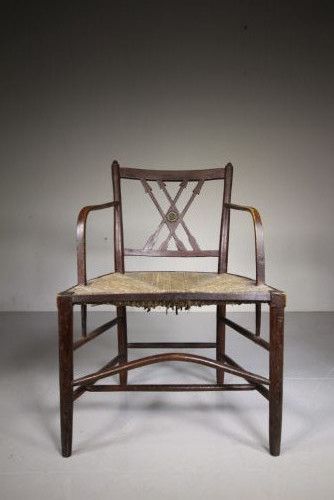
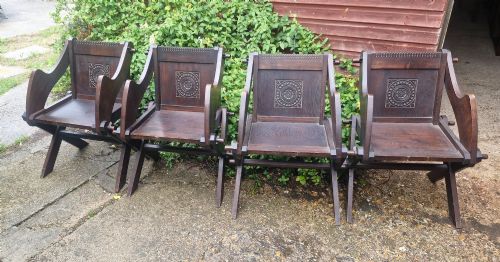
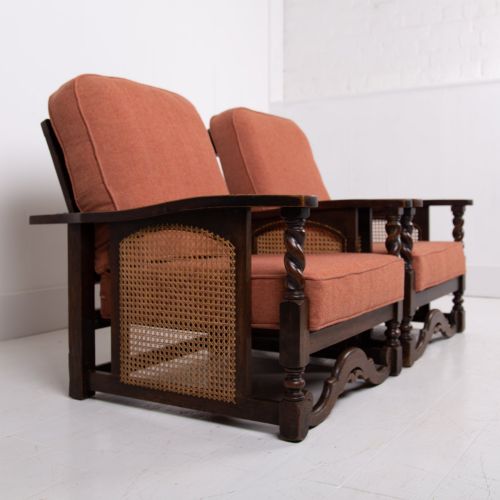
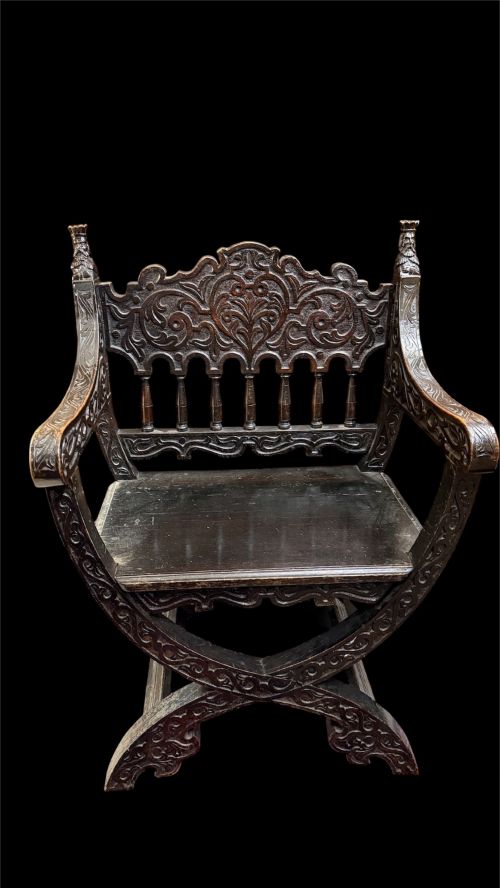
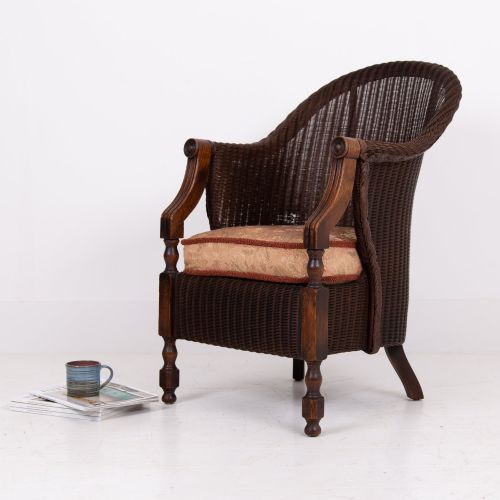
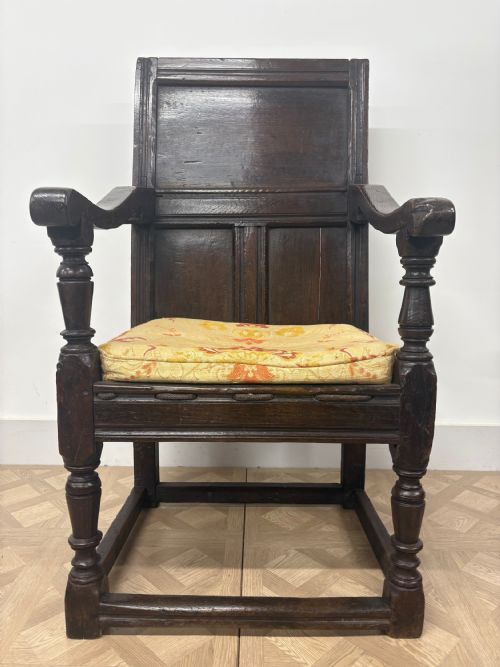
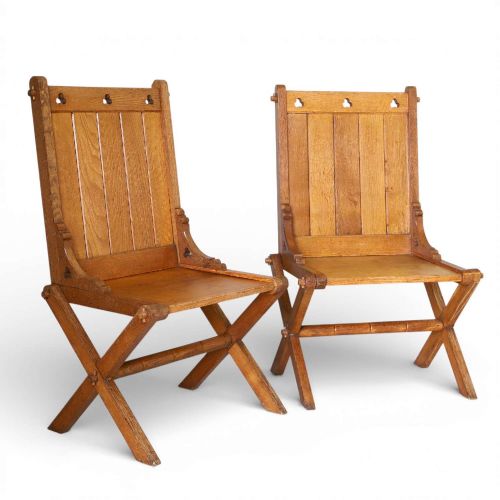
When searching for an oak x frame chair, buyers encounter seating defined by intersecting stretcher supports forming a distinct cross shape beneath the seat. The examples appearing here span periods from the nineteenth century into the twentieth century, taking forms such as library armchairs, refectory dining sets, and Gothic revival thrones.
The aesthetic vocabulary encompasses Victorian, Edwardian, Arts and Crafts, and Renaissance Revival movements, often displaying trefoil carvings, leather upholstery, or velvet cushions. While many pieces date to the Victorian era or early nineteen hundreds, earlier manifestations draw upon seventeenth-century Jacobean or medieval precedents.
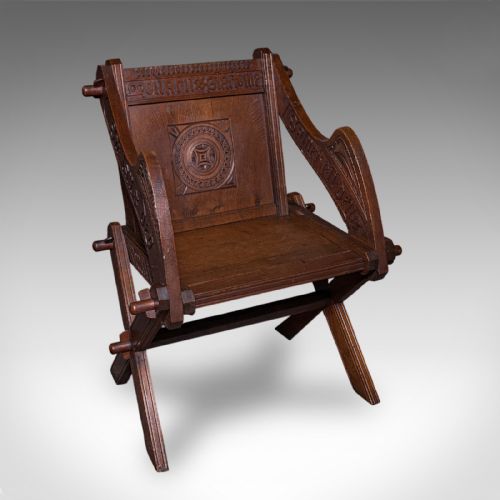
Armchairs and side chairs dominate the selections, alongside specific regional interpretations like the Glastonbury chair or the Curule Dante form. Buyers find both single statement pieces and matched sets intended for dining rooms or studies.
Materials and construction
Solid oak provides the primary structural framework for these seats, frequently worked into heavy turned members, carved panels, or steam-bent curves. Workshops utilised traditional joinery alongside metal brackets or casters where mobility was required.
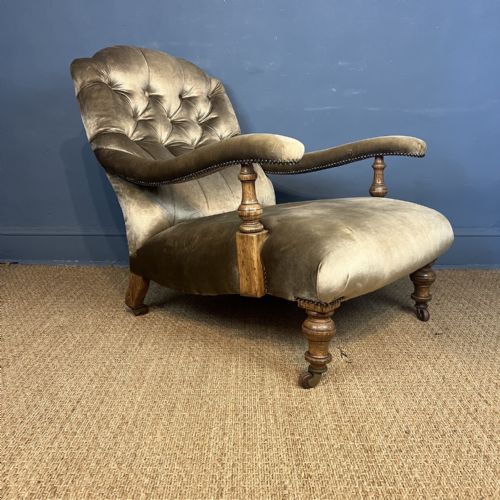
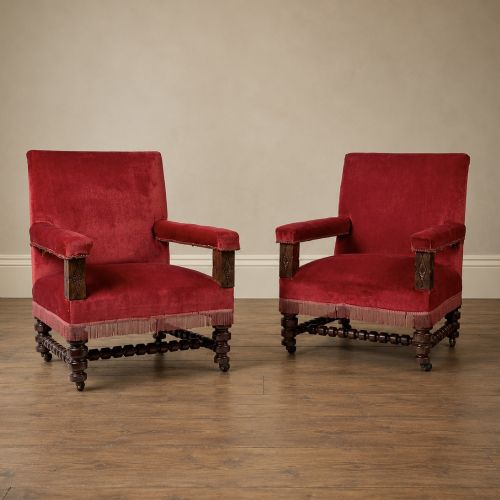
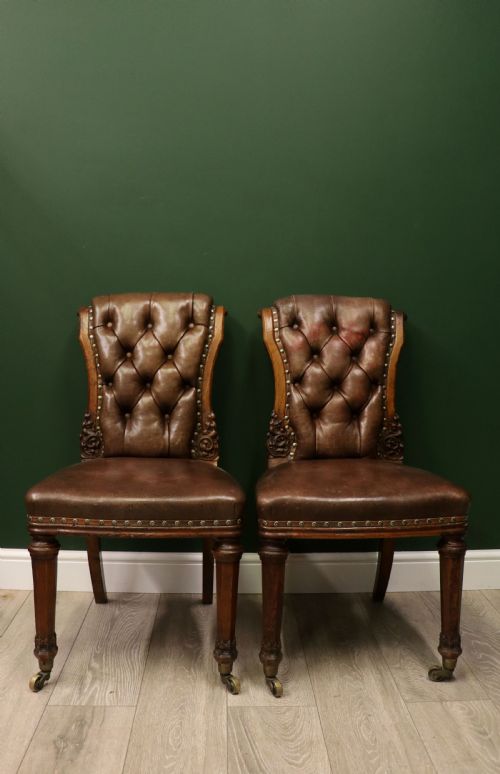
Upholstery materials range from plain leather and hide to plush red velvet, ice blue-grey textiles, and woven rush seats. Brass studs, decorative nailheads, and intricate wood carving finish the structural elements.
Oak X Frame Chair Retail Price Guide 2026
Typical asking prices for oak x frame chair among the pieces listed under this phrase on Sellingantiques today, from the lower quarter to the upper quarter. They describe what is for sale here now, not the wider market.
Listings feature oak alongside leather, brass, rush, and velvet, spanning Victorian, Edwardian, Arts and Crafts, and Renaissance Revival styles.
Assessing quality in framing and upholstery
Quality reveals itself in the geometric precision of the intersecting frame timbers and the depth of the carved ornamentation. Finer examples display tight joinery where the cross members intersect, maintaining structural integrity under weight without excessive modern reinforcement.
The standard of secondary materials further differentiates the range, from simple rush seating to deeply padded leather or velvet upholstery finished with hand-tacked detailing. Maker attribution, such as work originating from Gillows of Lancaster, elevates the standing of an individual piece.
Gillows of Lancaster
The Oak X Frame Chair Glossary
- X-frame
- A chair construction utilising two intersecting diagonal members beneath the seat to form an X shape. This ancient form provides robust structural support and dramatic visual lines.
- Glastonbury chair
- A type of wooden armchair with a panel back and an X-form understructure, often associated with Gothic Revival design. These pieces frequently feature ecclesiastical motifs or inscriptions.
- Curule
- A classical form of X-frame furniture derived from ancient Roman magistrate seats. In later revival pieces, it denotes folding or cross-legged structural bases.
- Rush seat
- A seating surface woven from dried marsh plants stretched across a wooden frame. This technique appears frequently on country and Arts and Crafts dining chairs.
- Trefoil
- A three-lobed decorative carving resembling a clover leaf. It occurs commonly as an architectural detail in Gothic Revival woodwork.
Oak X Frame Chair: Frequently Asked Questions
How were x frame chairs used historically?
These seats served as ceremonial thrones, scholarly desk chairs, and heavy dining seating across various centuries. Their imposing structural silhouette made them suitable for studies, libraries, and formal reception rooms.
Over time, vernacular adaptations also found a place in domestic parlours and garden rooms, balancing architectural presence with functional seating.
Are these chairs comfortable for daily seating?
Comfort depends heavily on the specific period style and whether the piece incorporates padded upholstery. Versions with leather or velvet cushions and upholstered backs provide a softer sit.
Conversely, solid timber Gothic throne variants and plain wooden cross-frame chairs prioritize rigid posture and visual impact over deep lounging.
How do I distinguish Victorian Gothic Revival from earlier periods?
Victorian Gothic Revival pieces often display machine-assisted precision, specific trefoil cutouts, and uniform oak patination applied during the nineteenth-century revival craze. They frequently reference medieval forms rather than originating in them.
Actual seventeenth-century or earlier examples show hand- Hewn tool marks, pegged joinery shrinkage, and distinct surface wear consistent with centuries of handling.
How do I care for antique oak and leather furniture?
Maintain solid oak frames by applying quality beeswax periodically to nourish the timber and preserve the natural grain. Avoid placing the furniture near direct heat sources that might cause the wood to split.
Treat leather upholstery with appropriate specialist leather conditioners to prevent cracking while keeping textiles free from prolonged direct sunlight.