





Oak Wooden Throne Chair
An oak wooden throne chair carries centuries of heavy timber and carved ceremony into a modern room.
Oak Wooden Throne Chair
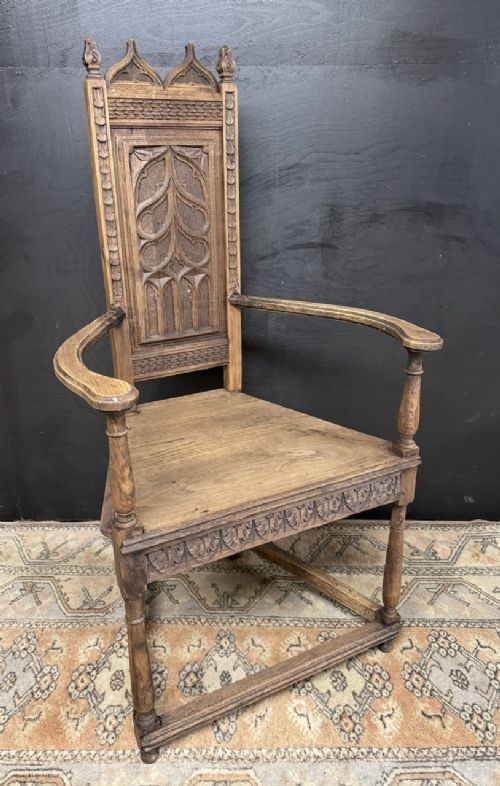
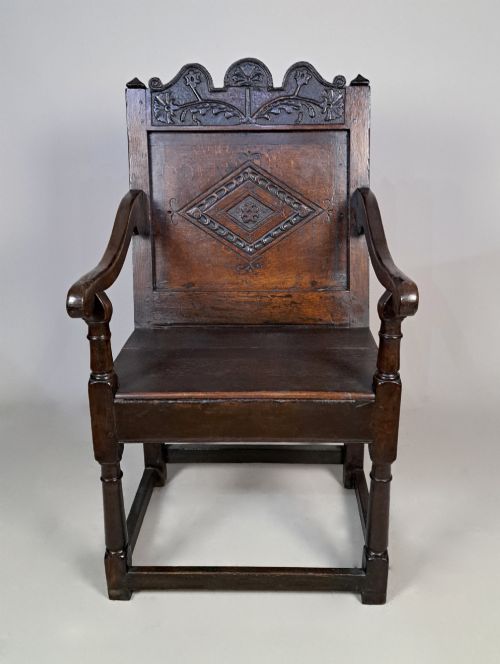
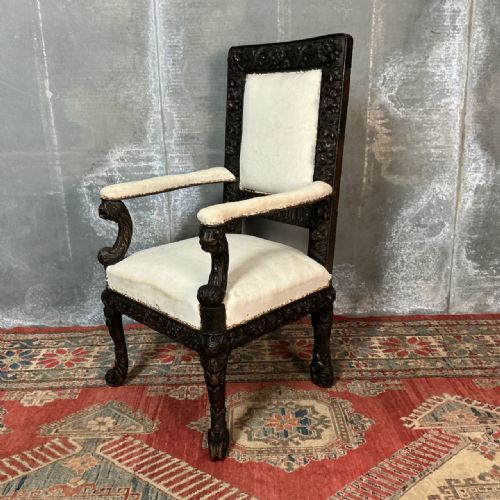
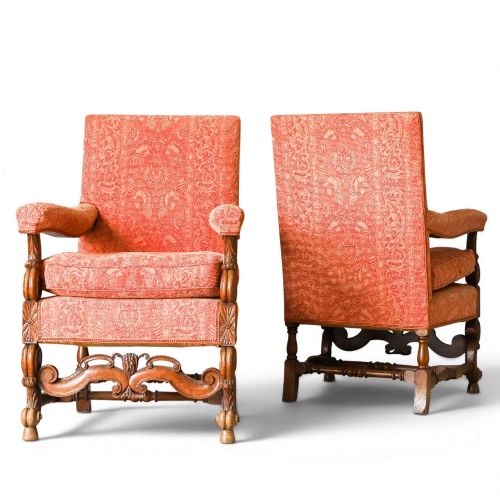
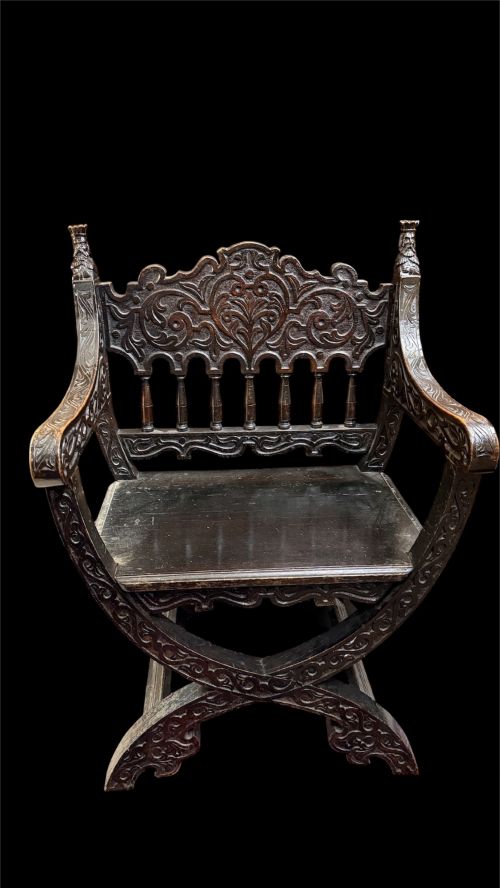
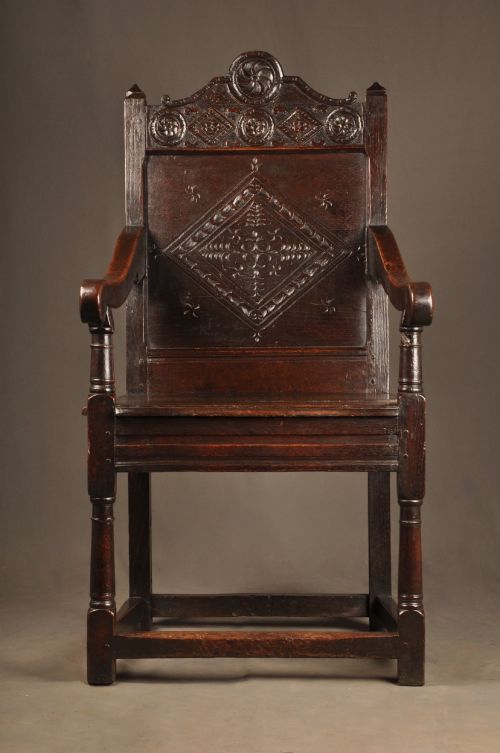
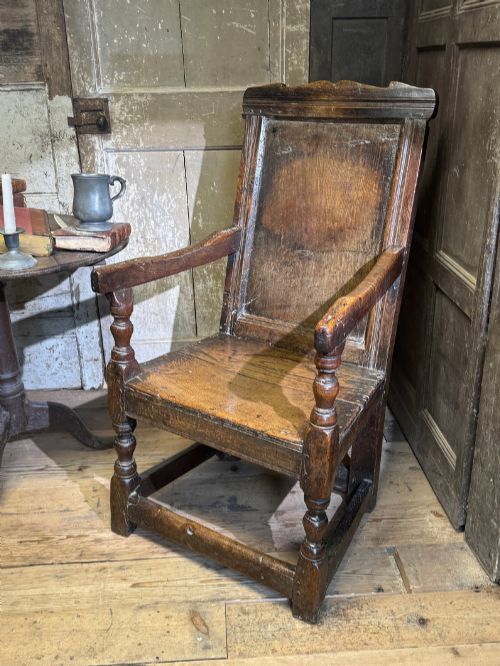
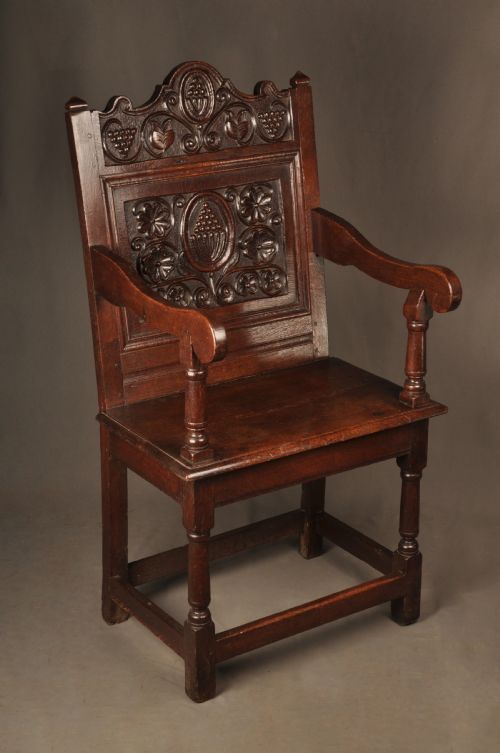
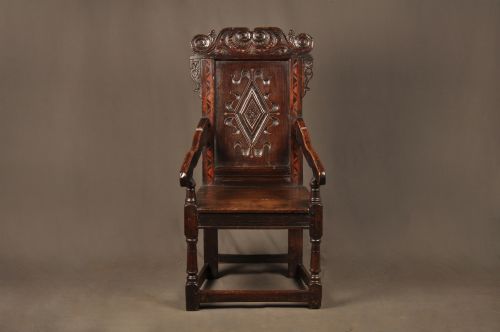
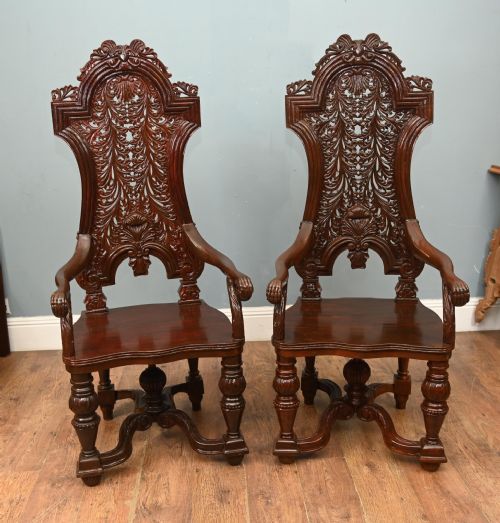
When someone searches for an oak wooden throne chair, they are looking at high-backed seating built from sturdy timber, often featuring panelled backs, substantial armrests and carved details. The most common forms met here are wainscot armchairs and revival pieces spanning from the seventeenth century through to the nineteenth century, taking in Gothic, Jacobean and Renaissance styles.
Originating largely from English, Welsh, Scottish and French workshops, these seats function as commanding focal points in a hall or study. Many examples display regional characteristics such as Yorkshire or Lancashire framing, alongside later Victorian interpretations of earlier domestic seating forms.
Judging quality in heavy seating
The distinction between ordinary seating and superior work lies in the crispness of the hand carving and the integrity of the timber framing. Crisp relief work on the crest rails and arm terminals indicates a skilled hand, whereas soft, blurred edges suggest mass production or heavy subsequent sanding.
Structural honesty and original joinery elevate a piece above altered examples that rely on replacement panels or mismatched components. The weight of the timber and the depth of the colour achieved through natural ageing rather than artificial staining determine the lasting presence of the object.
Oak Wooden Throne Chair Retail Price Guide 2026
Typical asking prices for oak wooden throne chair among the pieces listed under this phrase on Sellingantiques today, from the lower quarter to the upper quarter. They describe what is for sale here now, not the wider market.
Apprentice pieces occasionally appear in the record, representing miniature masterworks carved by trainees to prove their competence in wood.
The Oak Wooden Throne Chair Glossary
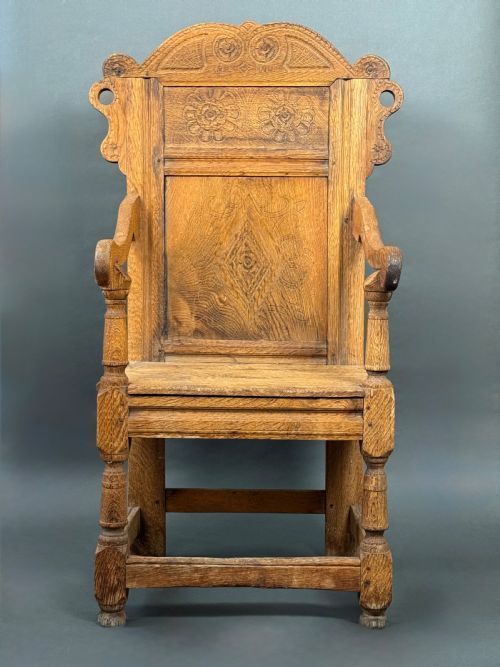
- Wainscot chair
- A heavy wooden armchair constructed primarily from oak panel work, popular in domestic interiors during the sixteenth and seventeenth centuries. These seats sit low and feature solid backs designed to shield the occupant from drafts.
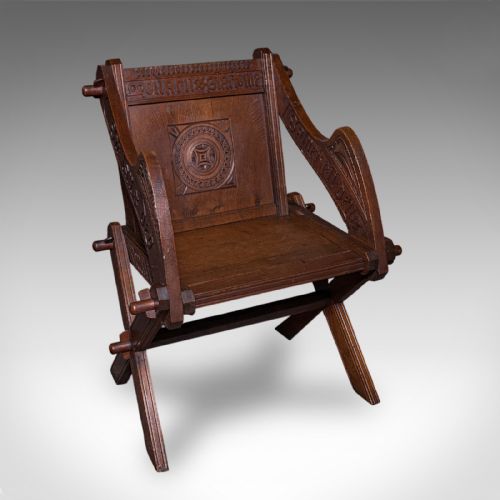
- Glastonbury chair
- A folding armchair design with intersecting X-shaped legs and a sloping panel back, revived during the Victorian period from medieval prototypes. The form allows the chair to be dismantled or folded flat.
- Turner's chair
- A round-backed seating form constructed from turned wooden spindles and triangular seats, also known as a Saxon chair. These rely entirely on turned components rather than flat panels.
- Revival style
- A nineteenth-century artistic movement that recreated historical aesthetics, including Gothic, Jacobean and Carolean designs. Makers utilised older forms while incorporating contemporary manufacturing techniques.
- Carolean style
- An English design aesthetic spanning the reign of Charles II, characterised by rich baroque carving, scrolling woodwork and cane panels. Furniture from this movement emphasises ornate symmetry and grandeur.
Oak Wooden Throne Chair: Frequently Asked Questions
How do I spot a true seventeenth-century chair?
Examine the construction methods beneath the seat and along the back panels for hand-cut joints, wooden pegs, and timber shrinkage patterns consistent with age. Tool marks left by adzes and hand chisels provide strong indicators of period manufacture.
Compare the timber colour and wear patterns around the armrests and footings with known examples from the same region. Variations in style revival periods often introduce machine-cut elements that distinguish later copies from older work.
Where should I place a heavy wooden chair?
Position these substantial pieces against a solid wall or within a spacious hallway where the high back and carved details can be appreciated without cluttering the floor plan. Keeping them away from direct heat sources prevents the dense timber from drying and splitting.
Pair the chair with a simple reading lamp or leave it freestanding to emphasise its architectural silhouette. The commanding scale makes it a natural focal point for libraries or large living spaces.
How do I care for antique oak timber?
Apply a microcrystalline wax sparingly to nourish the dry wood and maintain a soft sheen without building up a sticky residue. Buff the surface gently with a soft cloth to preserve the natural grain and historic colour.
Maintain a stable room humidity to protect the joinery from loosening as the ambient temperature shifts through the seasons. Avoid harsh chemical cleaners that strip the historic finish accumulated on the surface.
What is the difference between a wainscot and a hall chair?
A wainscot chair is a heavy, enclosed armchair featuring a solid panelled back and armrests designed for domestic comfort and authority. These pieces are meant for long periods of sitting by the hearth or at a table.
A hall chair is typically lighter, often without arms, and designed for brief use in an entranceway. These side chairs frequently carry carved crests or painted family crests to greet visitors.