

Oak Wood Cabinet
An oak wood cabinet brings solid timber utility and dependable storage into a room, holding books, china, or household linen with quiet strength.
Oak Wood Cabinet
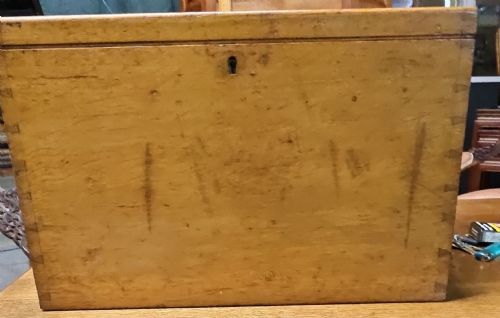
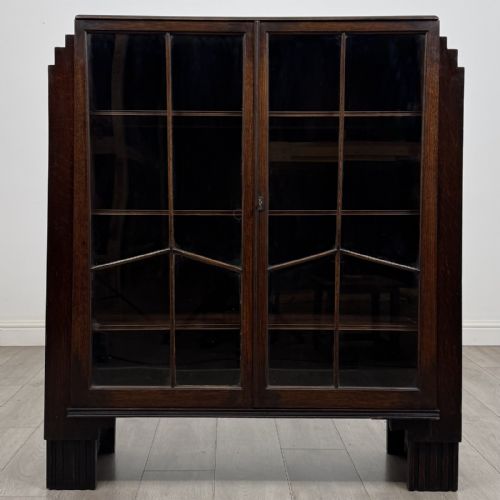
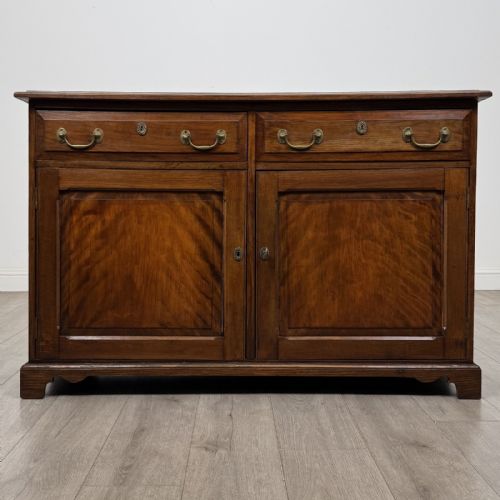
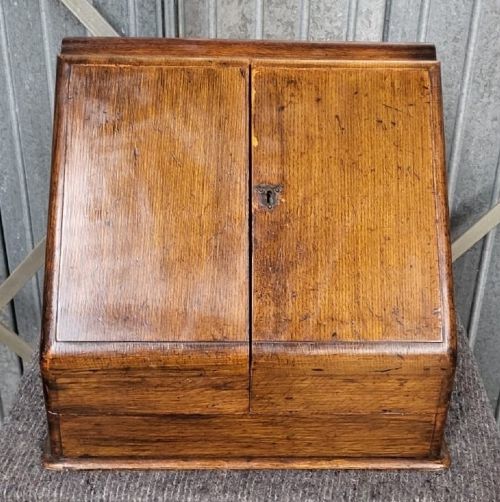
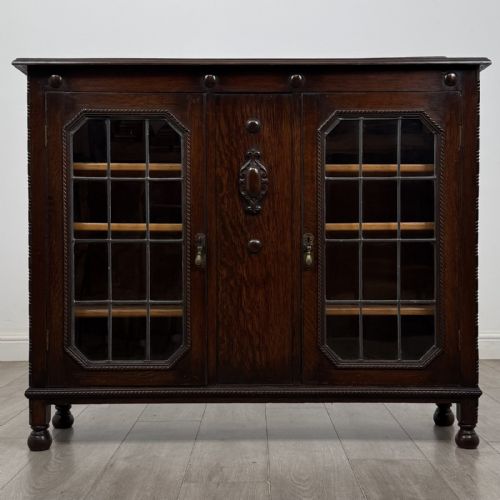
An oak wood cabinet encompasses a broad family of storage furniture built primarily from sturdy timber, ranging from compact wall-hanging cupboards to expansive sideboards and glazed display cases. When searching for an oak wood cabinet, buyers encounter diverse forms shaped by shifting domestic needs across multiple centuries.
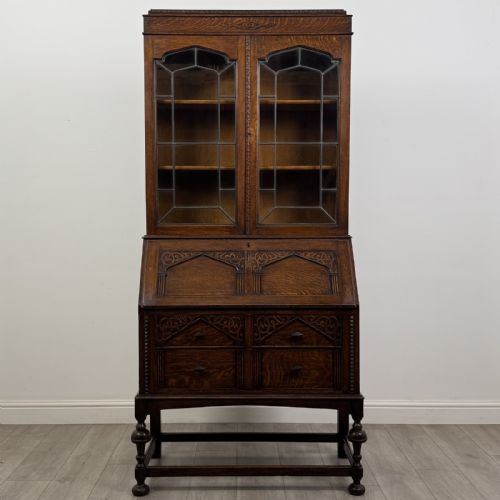
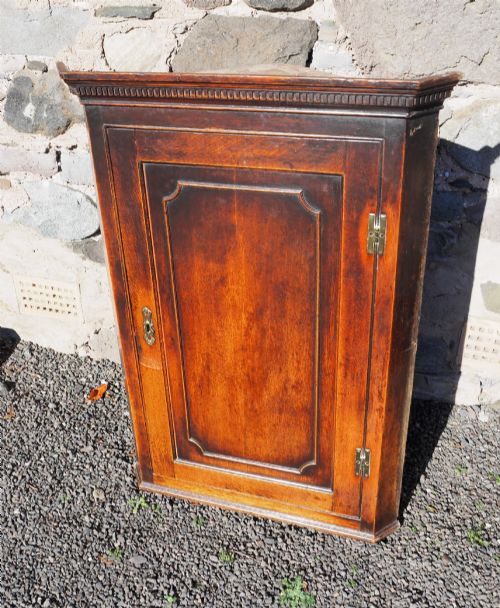
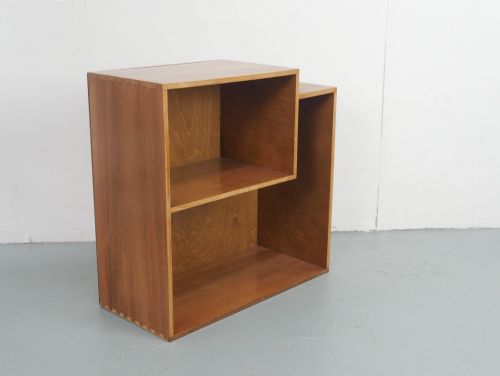
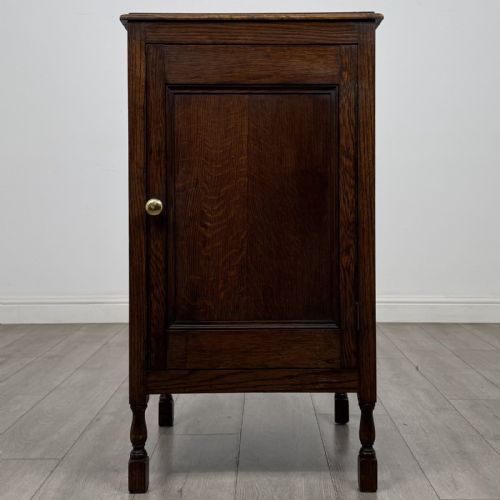
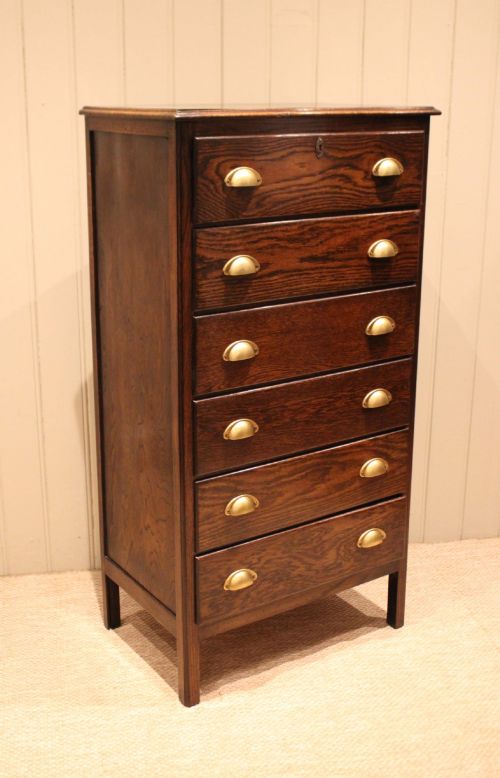
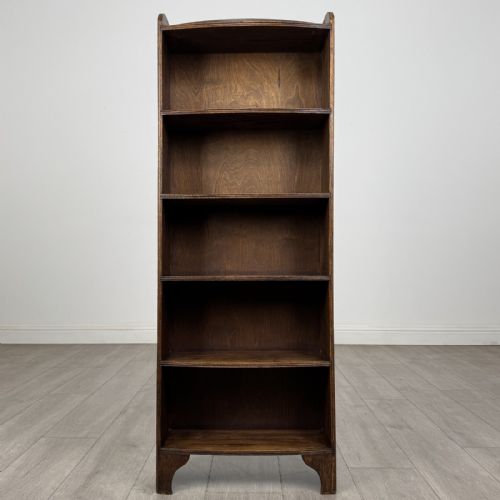
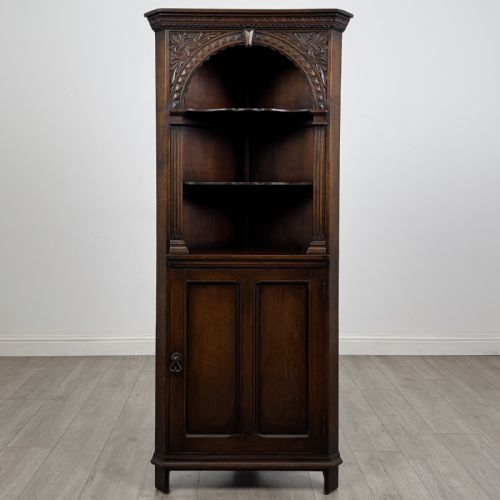
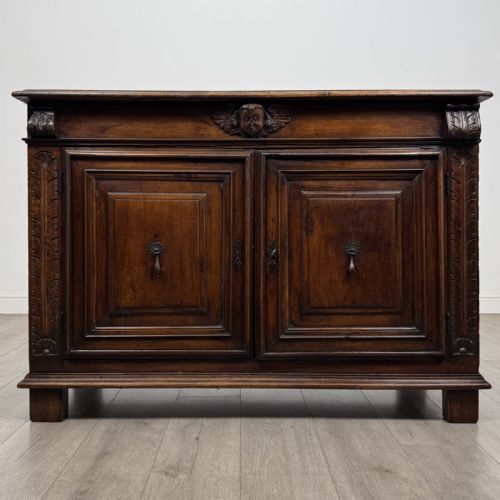
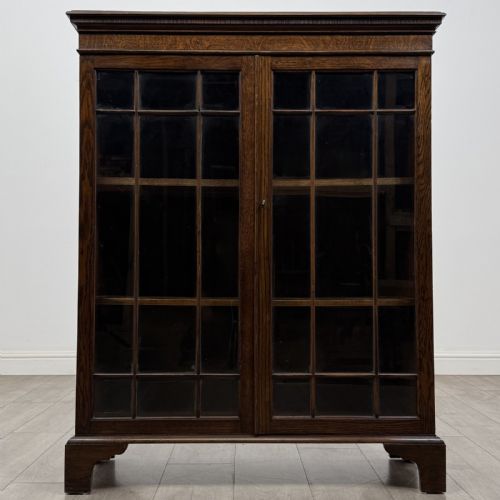
The selection on this page relies heavily on early twentieth-century and Edwardian interpretations, alongside robust Victorian examples and earlier seventeenth-century foundations. These pieces take many functional shapes, including fitted bureaux, open bookcases, music cabinets, and narrow cupboards equipped with brass H hinges or turned legs.
What varies in quality
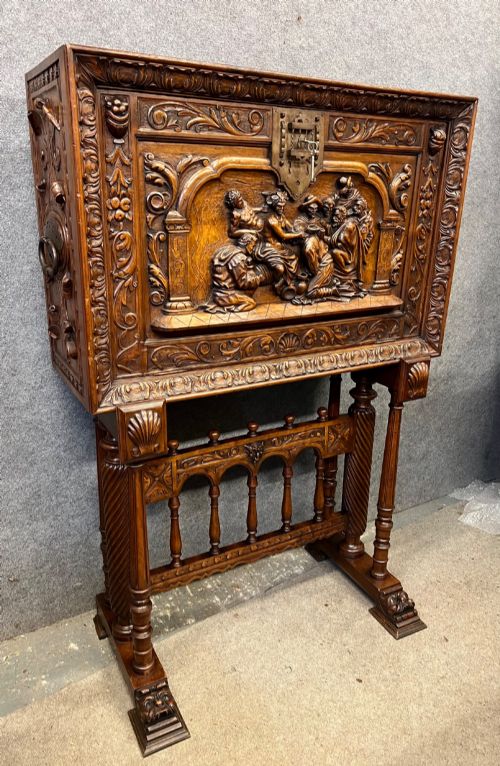
Quality rests primarily on the selection of timber and the precision of the joinery, distinguishing straightforward utilitarian storage from ambitious decorative commissions. Dense grain patterns, well-figured pollard oak sections, and deeply carved panels indicate higher workshop standards.
The integrity of the structural frame, smooth operation of drawers and doors, and original hardware such as brass hinges further separate standard production items from exceptional cabinet-work. Subtleties in proportion and decorative restraint mark out pieces designed by skilled hands.
Oak Wood Cabinet Retail Price Guide 2026
Typical asking prices for oak wood cabinet among the pieces listed under this phrase on Sellingantiques today, from the lower quarter to the upper quarter. They describe what is for sale here now, not the wider market.
Listings feature robust oak timber complemented by glass, brass, iron, and pine across multiple centuries of cabinet-making.
John Moyr Smith·Gunn Furniture·GM Elwood for JS Henry·Charles Dudouyt
The Oak Wood Cabinet Glossary
- Bureau bookcase
- A writing cabinet featuring a sloping fall-front desk combined with upper shelving or glazed storage doors. This dual-purpose form became popular in Georgian and Edwardian homes.
- Dentil cornice
- A decorative architectural moulding featuring a series of small, evenly spaced rectangular blocks projecting beneath the top edge of a cabinet.
- Purdonium
- A specialised domestic cabinet designed specifically to store household coal beside a fireplace, often featuring a sloping front lid and an interior metal liner.
- Stretcher base
- A system of horizontal wooden bars connecting the lower legs of a cabinet or sideboard to provide structural rigidity and visual weight.
- Pollard oak
- Timber harvested from trees that have been pollarded, producing a highly figured, swirling grain pattern prized for decorative veneers on high-end furniture.
Oak Wood Cabinet: Frequently Asked Questions
What periods do these cabinets come from?
The available pieces span several centuries, with a strong representation of Edwardian and early twentieth-century domestic furniture alongside Victorian and seventeenth-century examples.
Earlier items tend to feature heavier carved motifs and rustic joinery, whereas later Edwardian and 1920s versions often adopt lighter proportions or revivalist styling.
How were these cabinets used originally?
These pieces served varied domestic functions, ranging from the display of fine china and books in reception rooms to practical linen storage and writing tasks in studies.
Specialised forms like music cabinets, purdoniums, and bureau bookcases fulfilled very specific household routines during the Victorian and Edwardian eras.
How should I care for an antique oak cabinet?
Maintain the timber by keeping the cabinet away from direct heat sources and sudden humidity changes that can cause the solid wood to warp or split.
Apply a traditional beeswax polish occasionally to nourish the grain and protect the surface finish without building up heavy silicone residues.
How do I distinguish revival styles from original periods?
Revival styles, such as Jacobean or Gothic Revival, borrow decorative vocabulary like strapwork and pointed arches while retaining the construction methods of their actual manufacturing date.
Examine the secondary woods inside drawers, the type of screws or fixings used, and overall wear patterns to determine whether a piece is seventeenth-century work or a later nineteenth-century interpretation.