
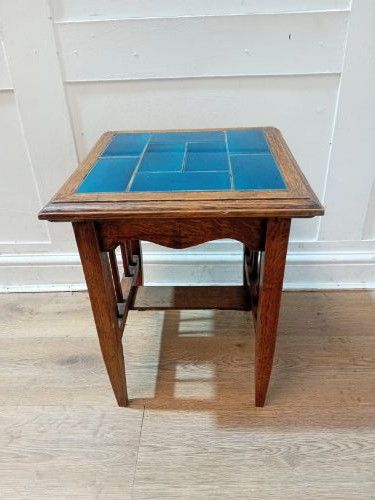


Oak Tiled Top Table
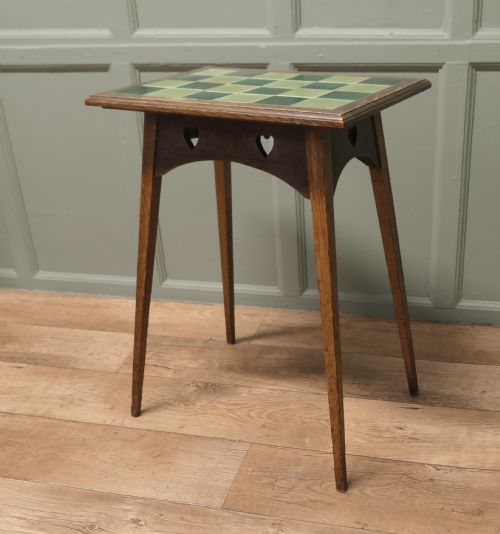
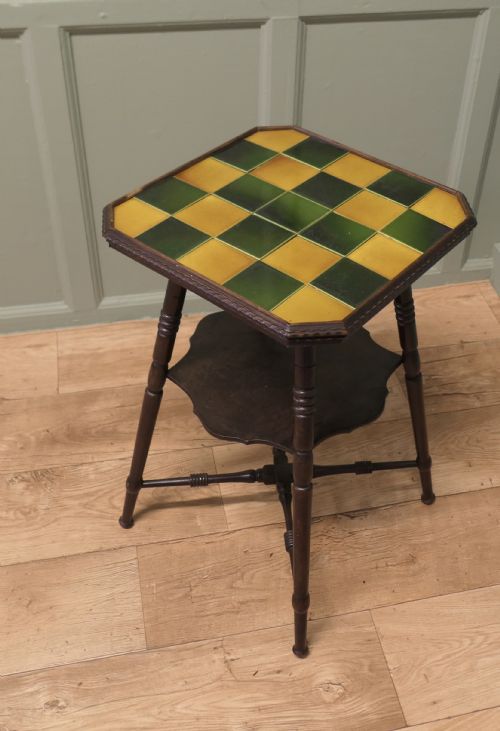
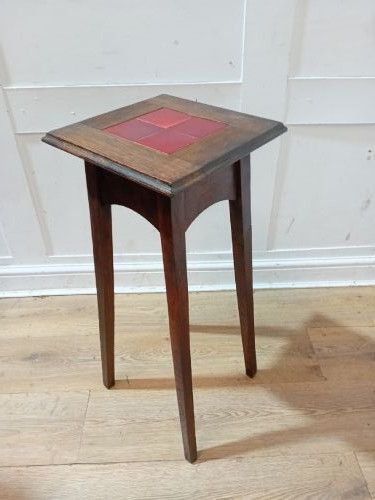
An oak tiled top table brings the tactile richness of glazed ceramics straight into the timber grain of a domestic interior.
Oak Tiled Top Table
An oak tiled top table combines sturdy timber frames with inset decorative ceramics, often emerging in forms like side tables, occasional tables, and plant stands. The versions most commonly encountered on this page date from the late nineteenth century through to the early decades of the twentieth century. These pieces frequently manifest under Arts and Crafts, Art Nouveau, and Aesthetic Movement influences, reflecting the design priorities of those periods.
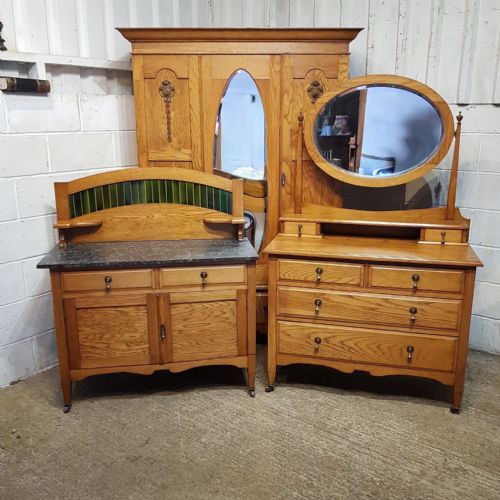
Makers and designers working in this idiom ranged from major retail houses to provincial cabinet makers, utilising the tiled surface to create practical areas resistant to heat or moisture. Alongside dedicated occasional tables, buyers frequently encounter related forms such as washstands, bedroom cabinets, and jardiniere stands sharing the same material vocabulary. The integration of ceramic panels into timber furniture remains the defining characteristic uniting these diverse household objects.
Materials and construction methods
The primary structural timber across these pieces is oak, selected for its durability and prominent grain pattern, which frames the inset ceramic elements. These ceramics typically appear as glazed tiles, occasionally supplemented by marble or mosaic surfaces depending on the specific stylistic context. Cabinet makers secured the tiles within rebated wooden tops, sometimes augmenting the design with brass fittings or glass components.
Joinery techniques align with the workshop practices of the late nineteenth and early twentieth centuries, supporting both utilitarian function and decorative expression. The decorative tiles themselves often display floral or geometric motifs characteristic of the Arts and Crafts and Art Nouveau movements, fired with rich glazes that contrast against the warm tone of the surrounding oak.
Some tables feature heart-carved woodwork, proving that even Victorian cabinet makers were not immune to a bit of romantic sentiment.
Distinguishing quality in construction and design
The distinction between standard production and finer examples rests upon the integration of the ceramic panels and the refinement of the timber framework. Superior pieces demonstrate precise joinery where the oak frame meets the tiled surface without awkward gaps or misalignment, often featuring hand-carved details or distinctive heart motifs.
The artistic merit of the tiles themselves plays a significant role in establishing the character of the piece, particularly where individual design movements influence the overall composition. Cohesion between the timber frame and the chosen ceramic or mosaic elements determines how successfully the table resolves its dual material nature.
Liberty London·Shapland and Petter·Baillie Scott
The Oak Tiled Top Table Glossary
- Arts and Crafts
- A design movement promoting handcraftsmanship and traditional materials, heavily influencing early twentieth-century furniture production. It prioritized utility and simple construction over excessive ornamentation.
- Art Nouveau
- An international style of art and architecture characterised by intricate linear designs and flowing organic motifs inspired by natural forms. This aesthetic frequently appeared in the glazed tile patterns inset into tables.
- Aesthetic Movement
- A late nineteenth-century movement that emphasised aesthetic values over moral or narrative themes in literature and fine art, extending into domestic decoration. Furniture from this period often utilised exposed timber and decorative tilework.
- Jardiniere stand
- A tall support designed to hold a plant container or flower pot within a domestic interior. These stands frequently employed tiled surfaces to protect the timber from moisture.
- Rebate
- A recess or groove cut into the edge of a piece of timber to receive another component, such as a ceramic tile. This technique ensured a flush surface across the top of the table.
Oak Tiled Top Table: Frequently Asked Questions
What rooms suit an oak tiled top table?
These tables adapt easily to living spaces, hallways, and bedrooms, serving as practical surfaces for daily use. Their compact occasional formats allow them to function effectively beside seating or as display stands.
The integration of a ceramic surface provides natural resistance to water and heat, making these pieces particularly useful for plants, drinks, or lamps.
How do I care for the tiled surface?
Cleaning requires only a soft, damp cloth to remove dust from the glazed tiles and the surrounding wooden frame. Avoid harsh chemical cleaners that might damage the historic glaze or dry out the timber.
Periodic application of appropriate wax helps maintain the condition of the oak without affecting the inset ceramic panels.
How do I distinguish Arts and Crafts examples?
Arts and Crafts pieces typically display visible construction methods, plain oak timber, and motifs inspired by nature or traditional craftsmanship. The tiles often feature hand-painted or tube-lined floral designs characteristic of the period.
Comparing the overall weight, joinery detail, and tile style against known period examples helps clarify the origin of the piece.
Were these tables used in bedrooms?
Many tiled top pieces were produced as components of bedroom suites, washstands, or bedside cabinets rather than solely as standalone living room furniture. The ceramic surface offered a hygienic, easily cleaned area for washing implements and toiletries.
These bedroom pieces share identical construction materials and stylistic traits with occasional tables from the same eras.