
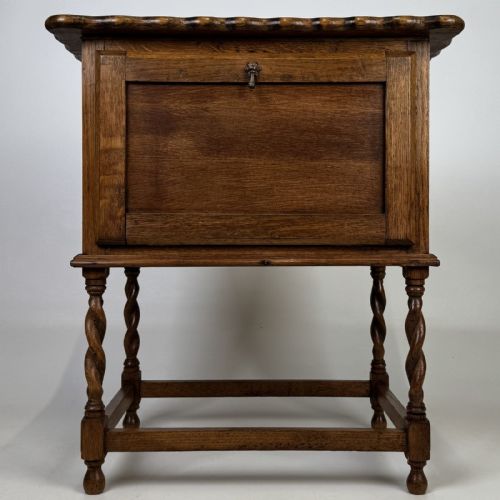
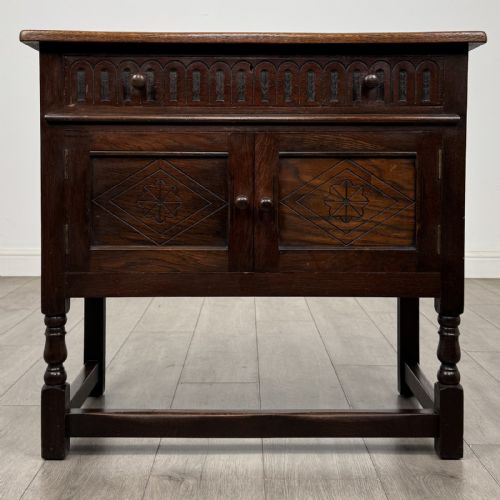
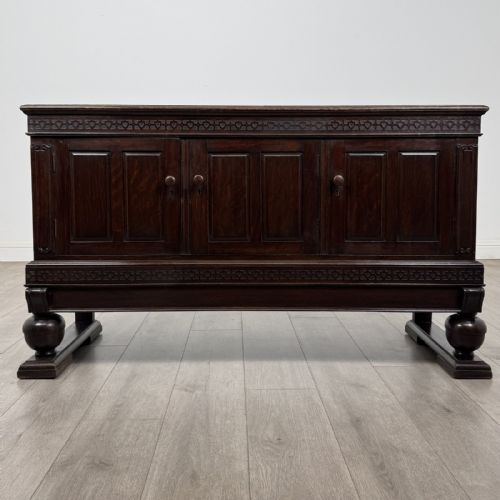
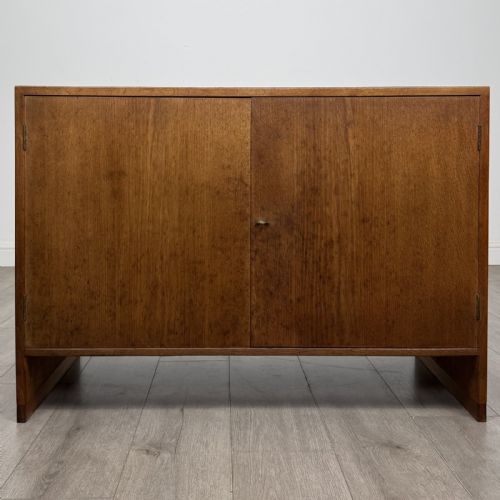
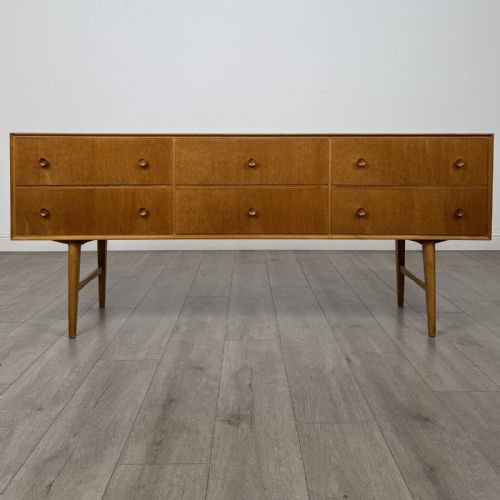
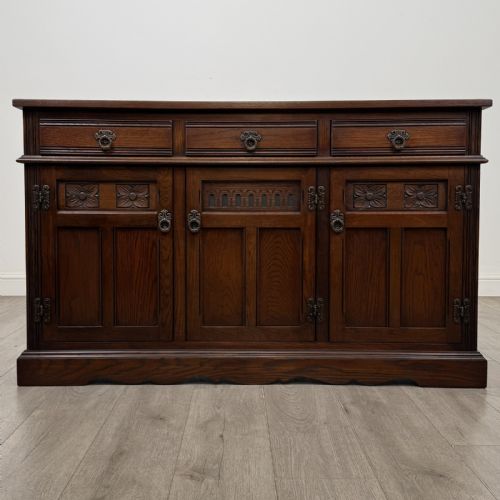
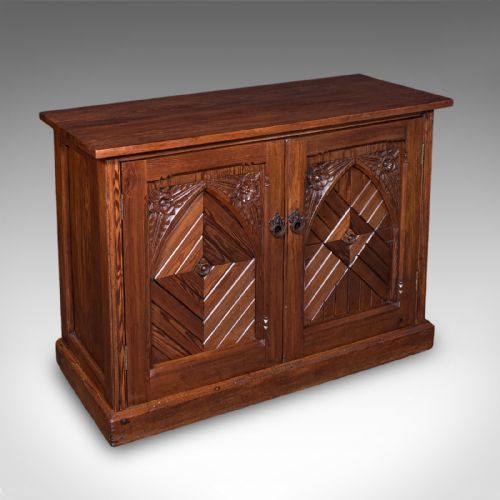
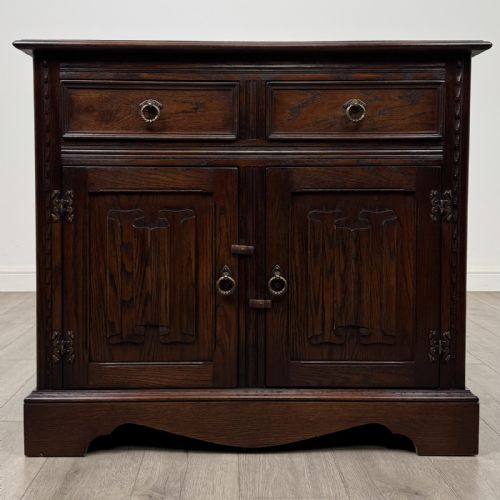
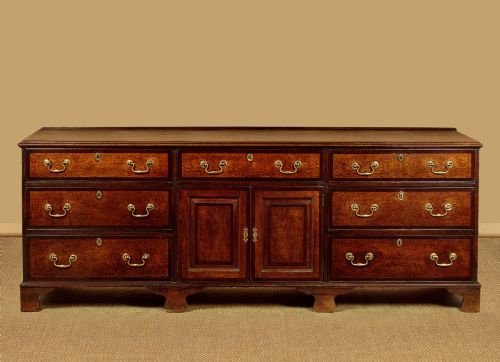
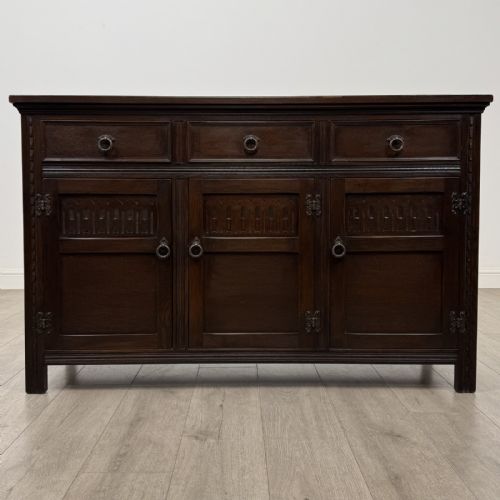
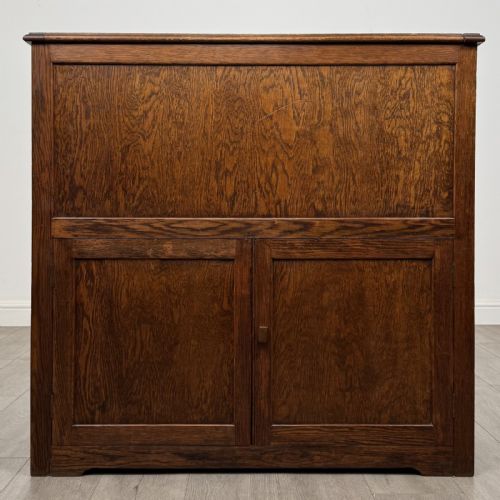
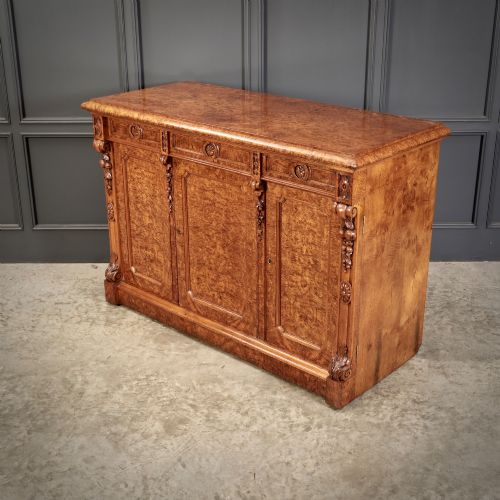
Oak Sideboard Storage Cabinet
These oak sideboard storage cabinet pieces combine practical utility with centuries of traditional woodworking.
Oak Sideboard Storage Cabinet
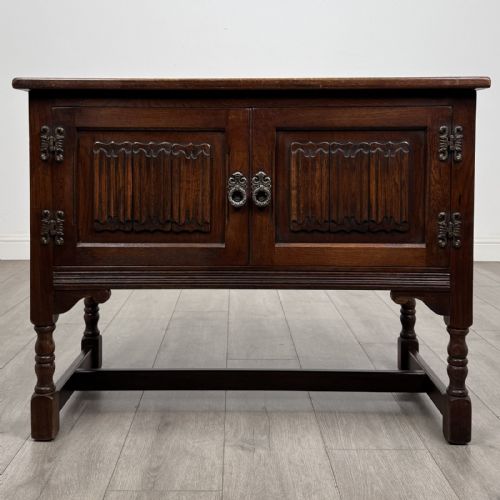
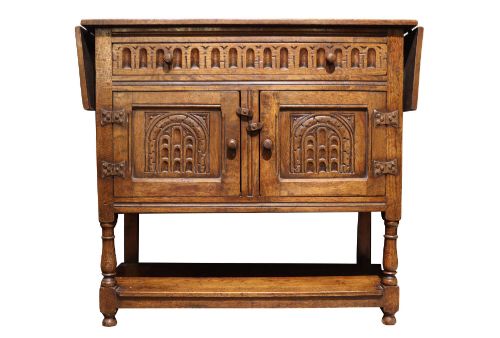
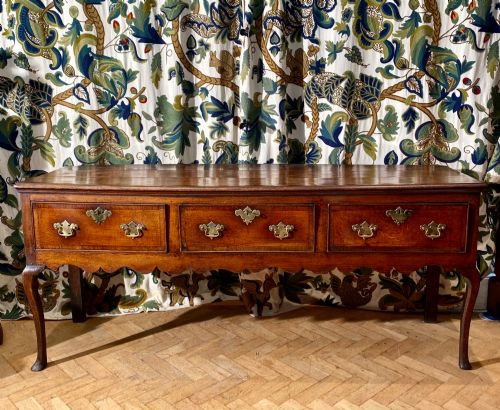
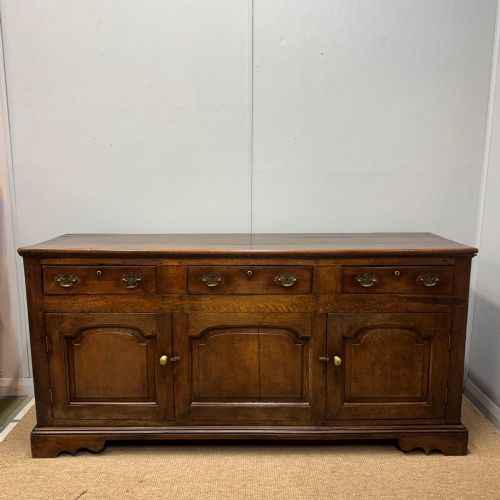
When searching for an oak sideboard storage cabinet, buyers encounter a diverse selection of furniture spanning from the seventeenth century through to the mid-twentieth century. The inventory on this page includes traditional dresser bases, court cupboards, linen presses, and fitted cabinets alongside revival pieces.
Earlier examples typically originate from the seventeenth and eighteenth centuries, displaying joined construction and heavy timber surfaces. Edwardian and later twentieth-century iterations bring lighter Golden Oak finishes, tambour doors, and smaller proportions suited to domestic dining rooms.
Stylistic influences range widely across the periods represented, taking in Georgian proportions, Jacobean Revival turned legs, Gothic elements, Arts and Crafts design, and Cotswold School craftsmanship. Sideboards, buffets, and enfilades complete the primary forms available for storage.
Materials and construction
Solid English oak serves as the foundational material across the majority of these pieces, frequently complemented by secondary timbers such as walnut, pine, ebonised wood, and fruitwood. Craftsmen utilised traditional joining methods, incorporating pegged joints and solid framing to ensure longevity.
Hardware details typically involve brass and iron handles, hinges, and lock plates which secure the heavy timber doors and drawers. Glass panels appear in display cabinets, while specialised interior fittings such as pigeon holes provide dedicated organisational compartments.
A pigeon hole interior ensures your forgotten love letters remain safely tucked away from wandering eyes.
Assessing the workmanship
Quality in these storage cabinets rests upon the crispness of carved details, the integrity of the joined timber, and the retention of original hardware such as brass handles and working locks. Pieces attributed to specific workshops or notable designers demonstrate superior execution in proportion and finish.
The choice of grain and the depth of the oak patina significantly influence the visual weight and desirability of a piece. Earlier seventeenth and eighteenth-century examples rely heavily on the natural ageing of the wood, whereas later twentieth-century items showcase specific stylistic movements like the Cotswold School or Art Deco.
Charles Dudouyt·Gomme·Liberty·Peter Waals·Heals of London
The Oak Sideboard Storage Cabinet Glossary
- Court cupboard
- A heavy seventeenth or early twentieth-century revival storage cabinet featuring an upper canopy supported by pillars over a lower enclosed section. These pieces were traditionally used for displaying plate and storing food.
- Dresser base
- A long, low cabinet featuring multiple drawers above cupboards, originating from the kitchen or dining room. Georgian and later iterations provide substantial surface space and concealed storage.
- Linenfold
- A carved wood panel motif resembling folded cloth or linen, popular in Tudor and Jacobean revival furniture. This decorative technique adds texture to cupboard doors and architectural panels.
- Enfilade
- A long sideboard or cabinet with a series of continuous doors, commonly associated with French dining rooms and large storage requirements. These pieces offer expansive top surfaces and deep internal compartments.
- Limed oak
- A wood finishing technique that fills the open grain of oak with a whitish pigment to create a lighter, softened appearance. This treatment became popular during the early twentieth century under modernist and Arts and Crafts influences.
Oak Sideboard Storage Cabinet: Frequently Asked Questions
How do I identify a 17th century piece?
Seventeenth-century furniture relies on pegged frame-and-panel construction, heavy joined oak timbers, and hand-carved decorative motifs rather than machine cutting. Look for signs of hand-planing and traditional joinery methods that distinguish early work from later revival copies.
Revival pieces produced during the Edwardian era or the 1920s often emulate these older styles but utilise more uniform timber preparation and modern hardware fixings.
What is a court cupboard used for?
Court cupboards were historically designed for storing and displaying valuable plate, textiles, and foodstuffs in the main rooms of large houses. The upper recessed stage and lower enclosed compartments provided versatile storage for domestic goods.
In modern interiors, these substantial cabinets function effectively as architectural focal points while offering generous enclosed shelving for tableware or books.
How do I care for antique oak?
Maintain oak furniture by applying occasional traditional beeswax to nourish the timber and protect the natural patina from drying out. Keep pieces away from direct heat sources and strong sunlight to prevent timber splitting.
Dust regularly with a soft, dry cloth and avoid harsh chemical cleaners that can strip the historic finish accumulated over decades or centuries.