


Oak Side Table Drawer
An oak side table drawer brings honest timber and dependable storage into a room, offering the utility of a sturdy surface matched with a handy compartment.
Forms and periods
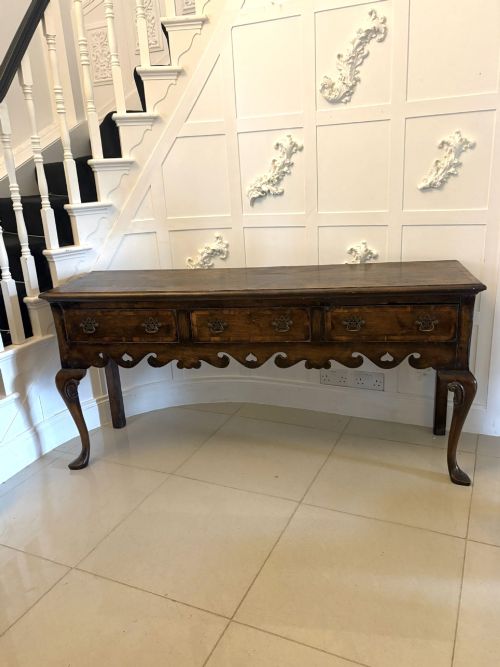
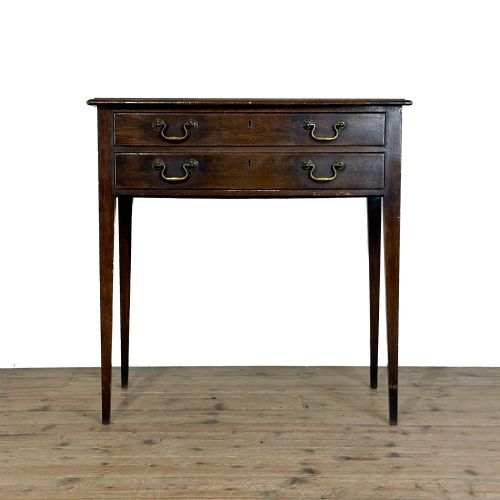
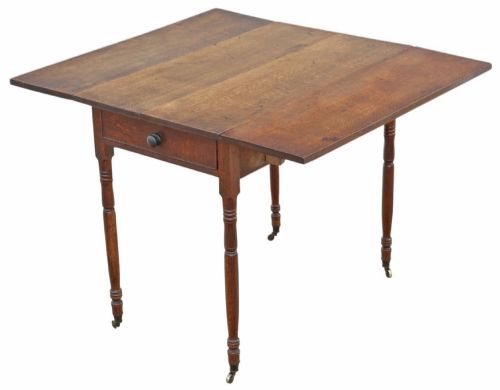
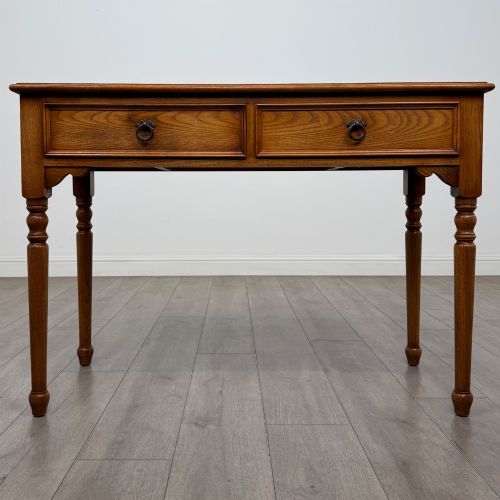
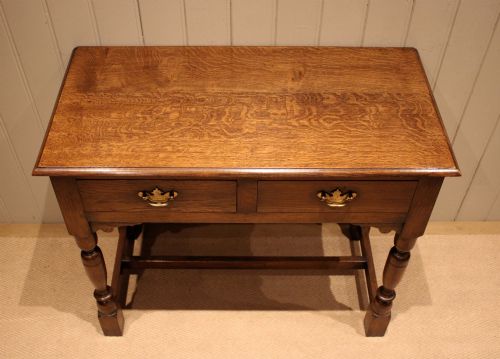
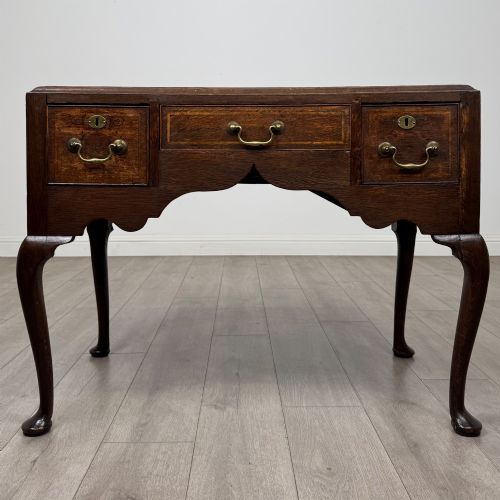
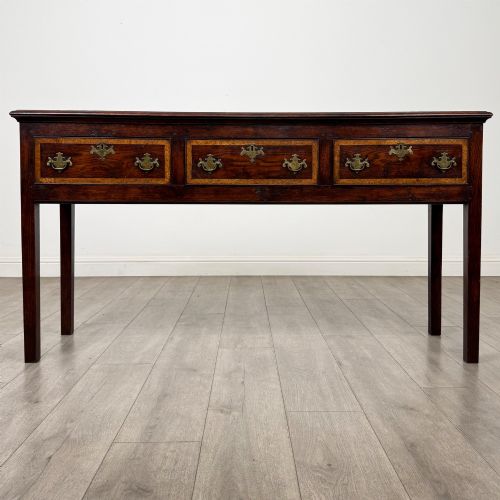
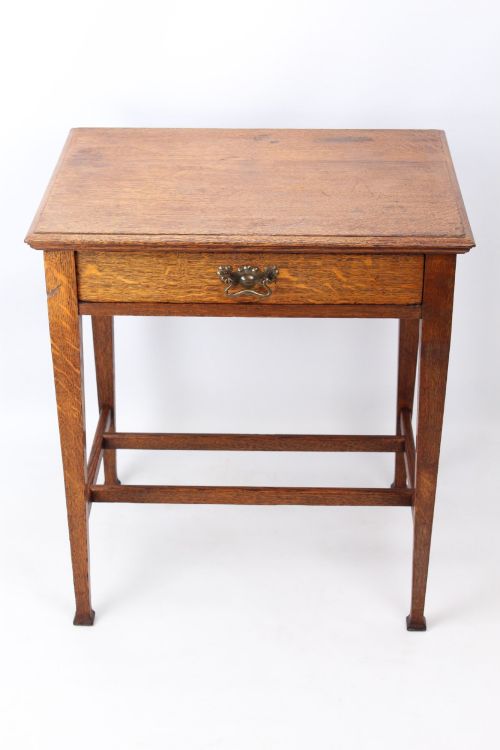
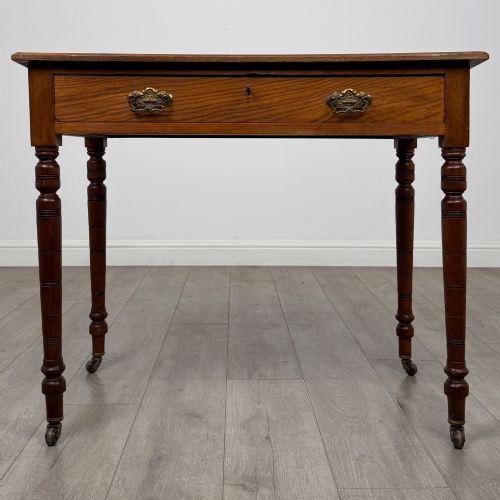
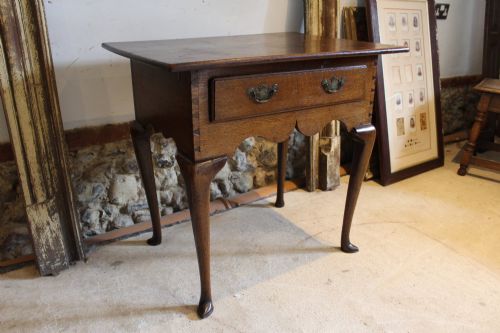
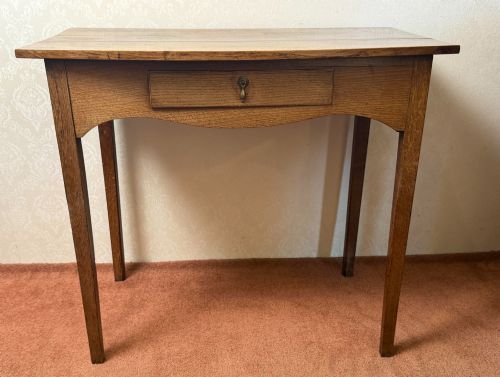
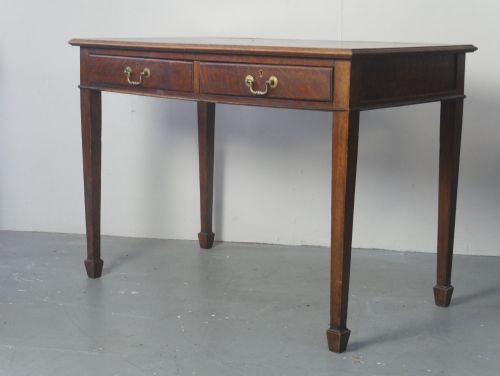
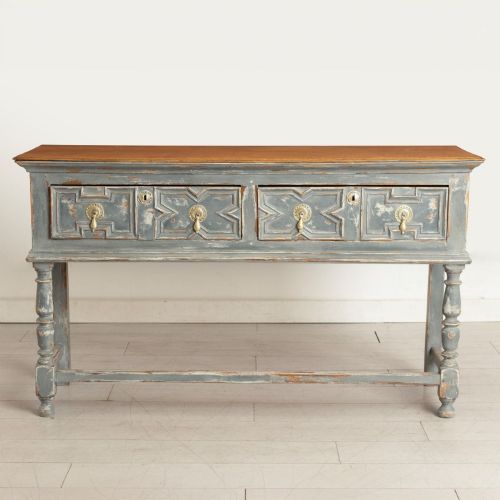
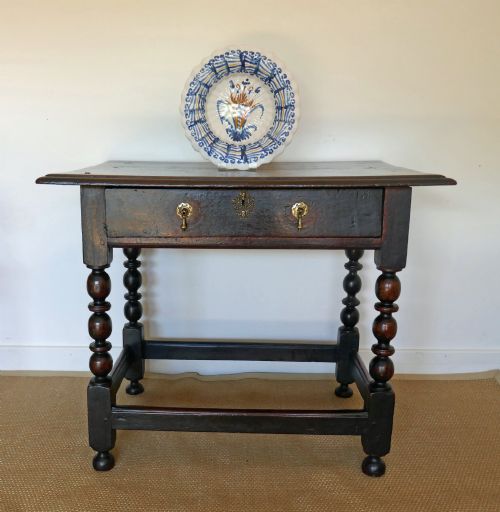
An oak side table drawer search reveals sturdy timber furniture built for domestic use, spanning the seventeenth, eighteenth, and nineteenth centuries. These pieces appear as side tables, lowboys, writing tables, and hall consoles, often featuring one, two, or three frieze drawers.
The eighteenth century and Georgian periods dominate the selection, bringing classic proportions and provincial character. Pieces from the seventeenth century and Jacobean styles also emerge, displaying carved decoration and plank tops.
Country house and farmhouse origins shape many examples, utilising solid wood construction designed to endure daily use. Regional variations from Wales, France, and England introduce distinct regional traits while maintaining practical storage.
Materials and construction
Solid oak provides the primary structural material, often paired with secondary woods like elm and fitted with brass handles or pulls. Carpenters utilised pegged mortise and tenon joints alongside straightforward plank construction to build lasting carcases.
Surface finishes range from bleached and dry timber to waxed patinas and distressed green paint. Hand-carved details, bobbin legs, and decorative tiles appear on specific iterations, reflecting the period craftsmanship of each piece.
Retail Price Guide 2026
Typical UK retail prices for oak side table drawer, calculated from the Sellingantiques database of over a million retail prices indexed since 2003. This retail price guide relies exclusively on Sellingantiques data; no external sources or auction records are used, so the figures do not describe the wider market.
Listings feature eighteenth-century Georgian designs alongside seventeenth-century country pieces, constructed from solid oak and elm with brass hardware.
Judgments of quality
Quality rests in the integrity of the timber and the honesty of the construction, distinguishing untouched provincial country pieces from later revivals. Superior examples display patination earned through centuries of use rather than applied finishes.
The smoothness of the drawer action and the survival of original brass hardware elevate a piece above altered or heavily restored equivalents. Structural tightness in the joints and uncompromised oak thicknesses dictate the lasting worth.
The Oak Side Table Drawer Glossary
- Lowboy
- A small oak table with one or more drawers, commonly used as a dressing table or side table in the eighteenth century.
- Frieze drawer
- A storage compartment built directly beneath the top surface within the main frame of the table.
- Plank top
- A solid wooden surface constructed from joined boards rather than a single wide slab.
- Bobbin leg
- A turned leg characterised by a series of rounded, spool-like swellings resembling thread bobbins.
- Patina
- The deep gloss and character developed on the surface of oak over centuries through handling, waxing, and ageing.
Frequently Asked Questions
What is an oak side table drawer used for?
These pieces serve as versatile surfaces in halls, living rooms, and bedrooms, holding lamps, books, or decorative objects. The integrated drawer provides convenient concealed storage for small household items and stationery.
Historically, similar tables functioned as writing desks, dressing stands, or serving surfaces in country homes. Their modest footprint allows them to fit easily into narrow spaces while offering practical utility.
How do I date an antique oak side table?
Dating relies on examining construction methods, timber characteristics, and style markers such as leg turnings and drawer linings. Seventeenth-century examples often display hand-carved decoration and pegged joints, whereas Georgian pieces favour cleaner architectural lines.
Secondary woods and hardware styles also help pinpoint the era of manufacture. Examining the wear patterns on the feet and drawer runners confirms genuine age.
Are these tables solid oak?
Most pieces feature solid oak construction throughout the top, frame, and drawer fronts, though some provincial examples incorporate elm or other local hardwoods. Regional furniture makers relied heavily on native timber for both visible surfaces and structural framing.
Later revival pieces from the Arts and Crafts period or the twentieth century also utilise solid oak, often following traditional vernacular designs.
How do I care for antique oak furniture?
Maintain the wood by applying a natural beeswax polish occasionally to nourish the dry timber and preserve the patina. Avoid placing the table near direct heat sources or in strong sunlight, which can cause the oak to dry out and split.
Dust regularly with a soft, dry cloth to prevent grime accumulation on carved details and drawer edges. Gentle care ensures the antique surface remains stable for decades.