

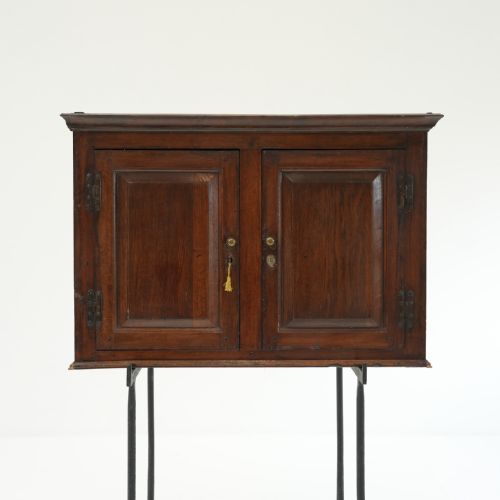


Oak Mural Cupboard
An oak mural cupboard is a compact timber hanging cabinet built to store household stores securely off the floor.
Oak Mural Cupboard
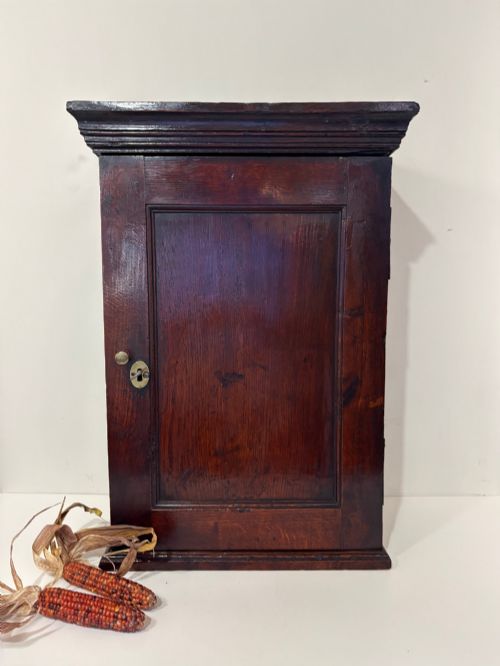
An oak mural cupboard is a wall-mounted storage piece designed to keep spices, food, or valuables secure and dry. These cabinets range from simple vernacular wall cupboards to more elaborate hanging spice cupboards and livery cupboards.
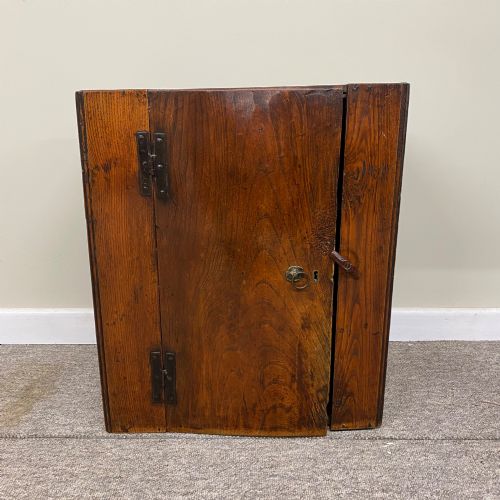
Most examples found here date from the seventeenth and eighteenth centuries, reflecting provincial English and Welsh cabinet making traditions. They appear in styles such as Jacobean, Charles II, and Georgian provincial, often fitted with original iron or brass hinges.
The buyer meets pieces made for domestic utility, including hanging food cupboards and desk-top cabinets with interior drawers. Their compact wall-hanging format distinguishes them from larger floor-standing cupboards.
How they were made
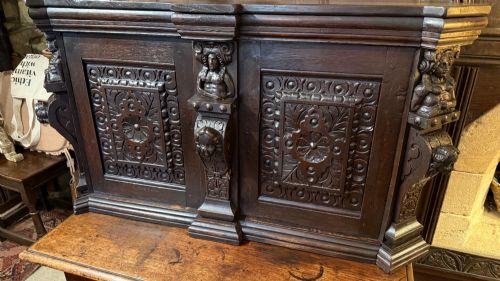
Joiners built these wall cabinets primarily from solid oak, utilising panels and frames suited to domestic timber construction. Surfaces often display hand-carved details or subtle wood inlay work.
Hardware played a functional role, with blacksmiths providing wrought iron hinges and latches, alongside occasional brass fittings. Ironwork and timber combined to create durable hanging cabinets meant to last centuries.
Oak Mural Cupboard Retail Price Guide 2026
Typical asking prices for oak mural cupboard among the pieces listed under this phrase on Sellingantiques today, from the lower quarter to the upper quarter. They describe what is for sale here now, not the wider market.
One remarkably honest 1763 cupboard wears its creation date carved directly into the oak, saving future generations from guessing.
What varies in quality
Quality in an oak mural cupboard lies in the crispness of the original carving and the integrity of the timber panels. Surfaces that retain their early patination without excessive restoration command greater interest.
Construction details such as dovetailed drawers, original backboards, and unaltered wrought iron or brass hardware distinguish superior examples. Simpler provincial pieces vary according to the depth of carving and the balance of proportions.
The Oak Mural Cupboard Glossary
- Mural cupboard
- A wall-mounted cabinet designed to hang securely above floor level. These pieces save floor space in smaller rooms.
- Livery cupboard
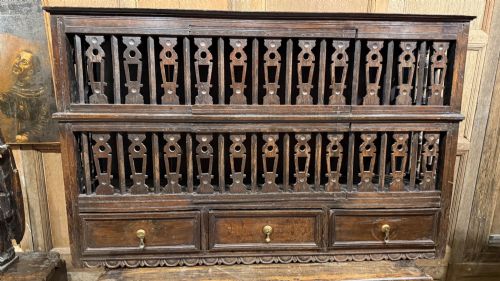
- A small storage cabinet traditionally used to keep provisions and candles. They often feature panelled doors and ventilation piercings.
- Spice cupboard
- A compact wall cabinet fitted with multiple internal small drawers. They were used to store expensive imported culinary spices.
- Vernacular
- Regional furniture made by local craftsmen following traditional local patterns rather than metropolitan fashions. Welsh vernacular pieces show distinct regional characteristics.
- Inlay
- A technique where contrasting pieces of wood are inserted into recesses in the primary surface. This ornament adds decorative detail to the oak front.
Oak Mural Cupboard: Frequently Asked Questions
What is an oak mural cupboard?
An oak mural cupboard is a small wooden cabinet built to hang on a wall rather than stand on the floor. These pieces provided secure storage for household items in older homes.
They appear in various regional styles from the seventeenth and eighteenth centuries. Most feature single panelled doors and internal shelving or small drawers.
Where were these cupboards placed?
These cabinets were typically mounted on walls in kitchens, parlours, or chambers to keep contents away from damp floors and pests. Their elevated position kept daily stores within easy reach.
Their compact size allowed them to fit into tighter spaces where floor-standing furniture would not go. Many served specialised purposes like holding spices or food.
How do I date an oak wall cupboard?
Dating relies on construction methods, timber patination, and stylistic markers such as carved motifs or hardware. Seventeenth-century pieces often display heavier framing and Jacobean details.
Eighteenth-century examples tend to show cleaner provincial lines or Georgian influences. Surviving date inscriptions on carved panels provide direct evidence when present.
Did these cupboards have locks?
Many mural cupboards included locks and key escutcheons because they stored valuable provisions, spices, or important documents. The presence of original iron or brass locking mechanisms adds historical interest.
Over the centuries, original keys were frequently lost, leading to replacement locks or empty keyholes. The hardware remains an important clue to the cabinet's age.