

Oak Linen Cabinet
An oak linen cabinet is a sturdy storage piece designed to keep textiles fresh, bringing seventeenth-century craftsmanship and rich grain into modern rooms.
Oak Linen Cabinet
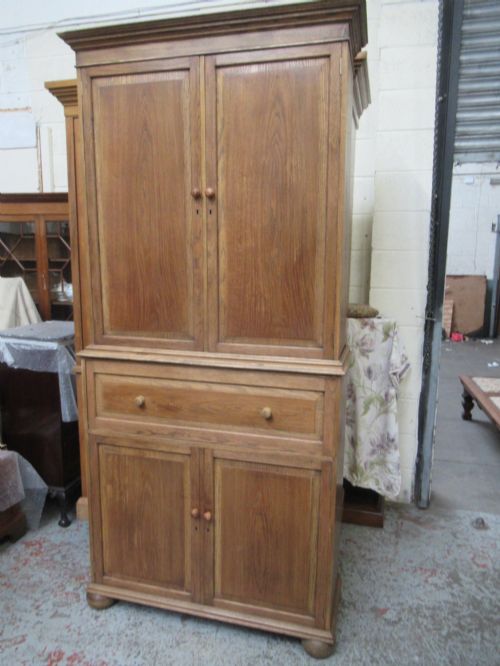
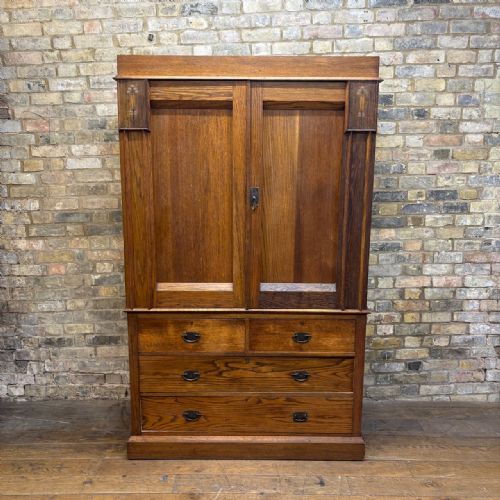
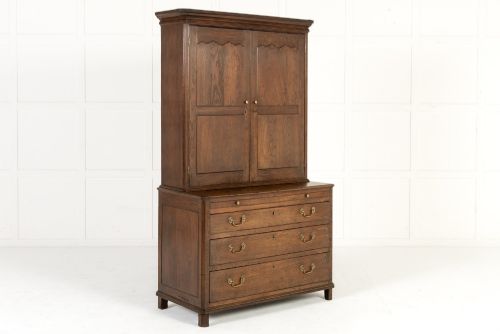
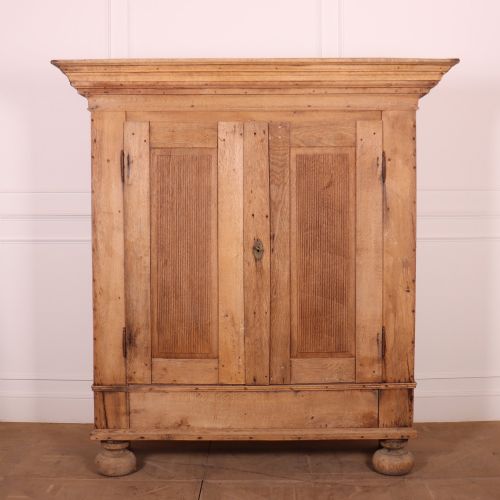
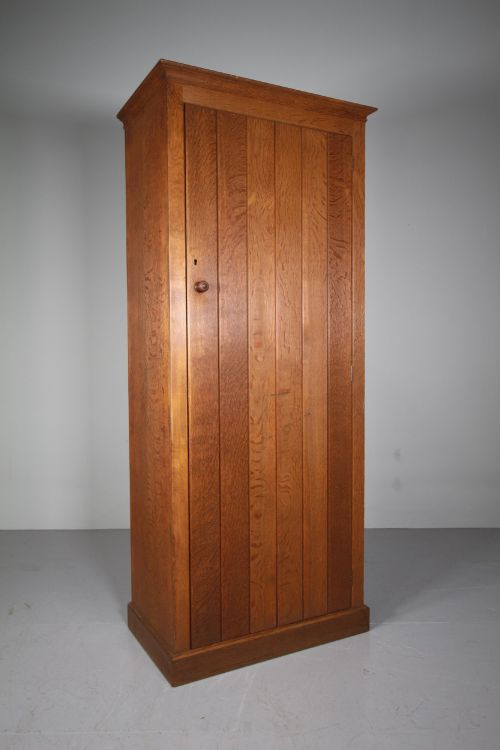
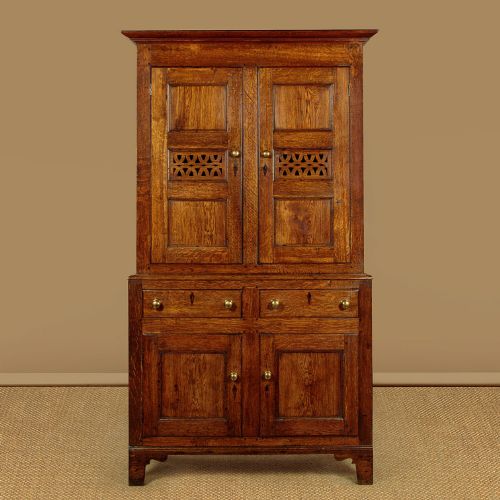
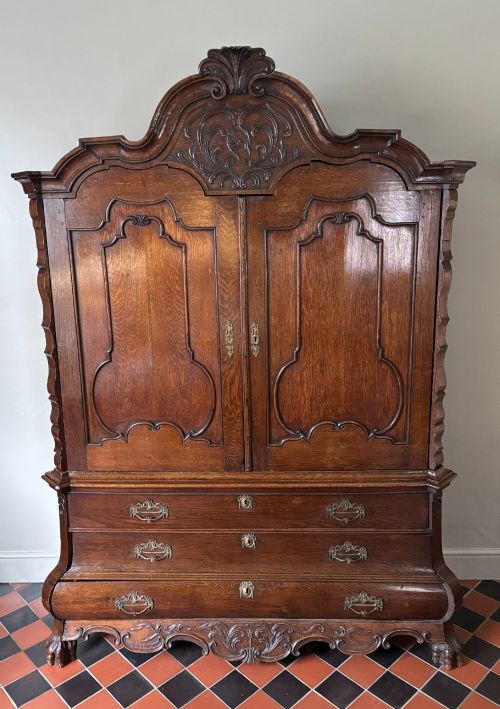
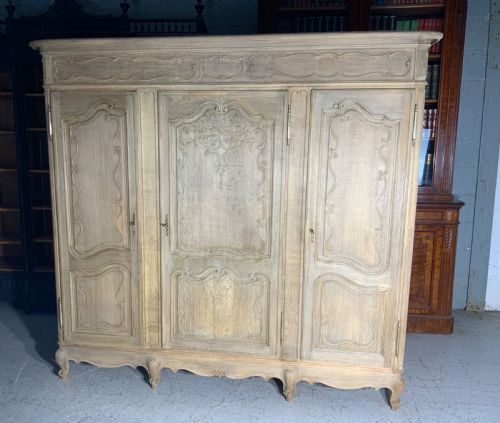
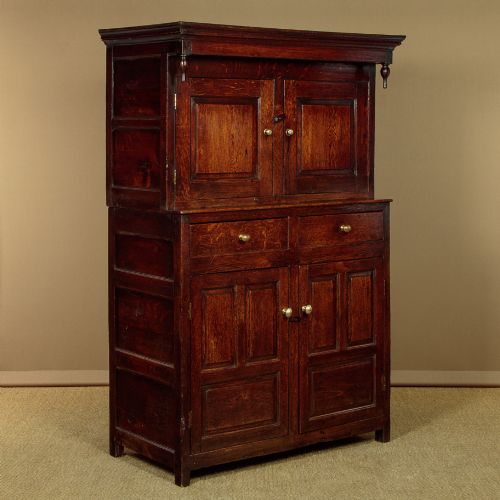
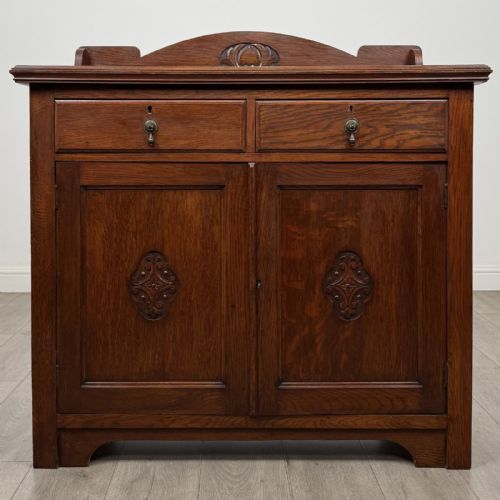
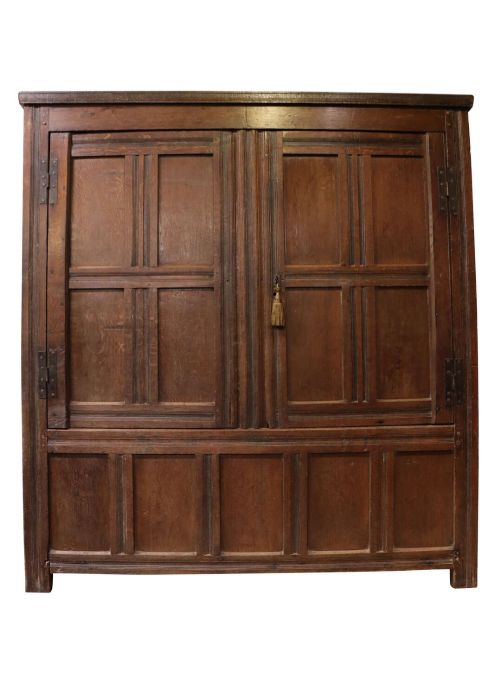
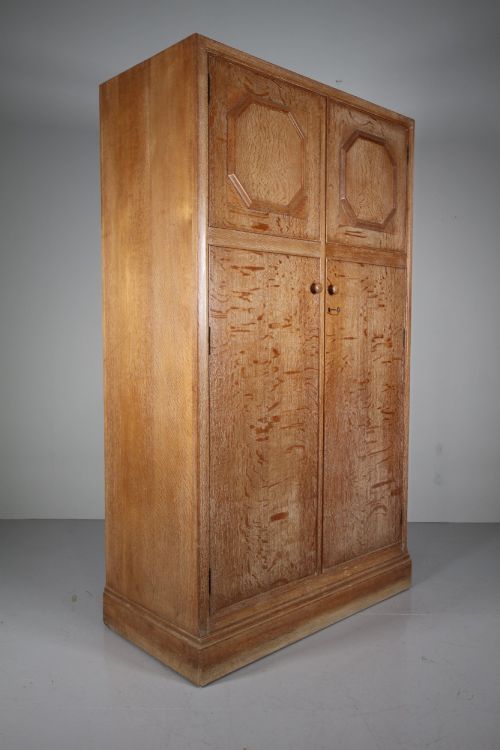
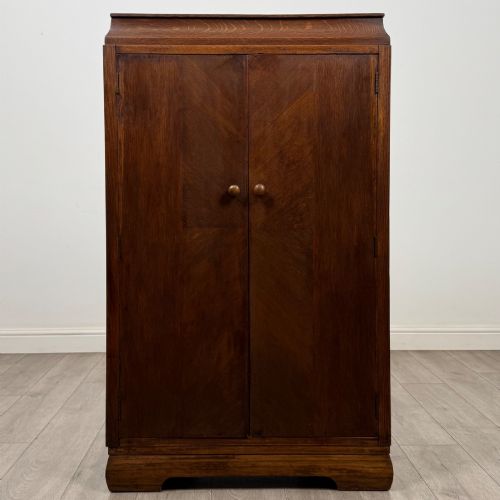
An oak linen cabinet encompasses functional storage forms including linen presses, press cupboards, wardrobes, and tall housekeeping cabinets dating from the seventeenth century through the early twentieth century. When exploring this selection, buyers frequently encounter Edwardian wardrobes, Georgian presses, and seventeenth-century panelled vestment cupboards originating from English, Welsh, and continental workshops.
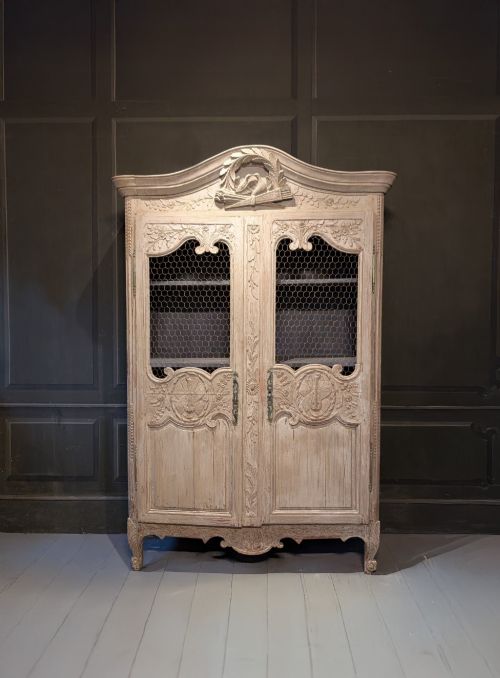
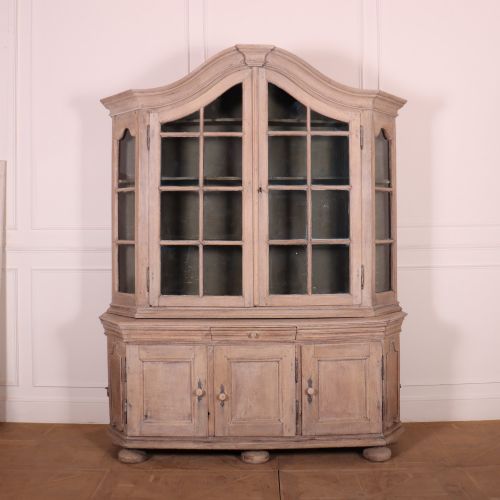
The objects serve primarily to house garments and household textiles, utilising internal shelves, drawers, and hanging spaces concealed behind hinged doors. Regional variations appear distinctly, from Welsh vernacular pieces like the cwpwrdd deuddarn to Dutch bombé display cabinets and French provincial buffets.
The lineage of these pieces reflects shifting domestic storage needs, evolving from heavy mediaeval vestment chests into tiered cupboards with dedicated spaces for folded linen. Surviving examples demonstrate the enduring utility of solid timber construction across multiple centuries of domestic life.
How they were made
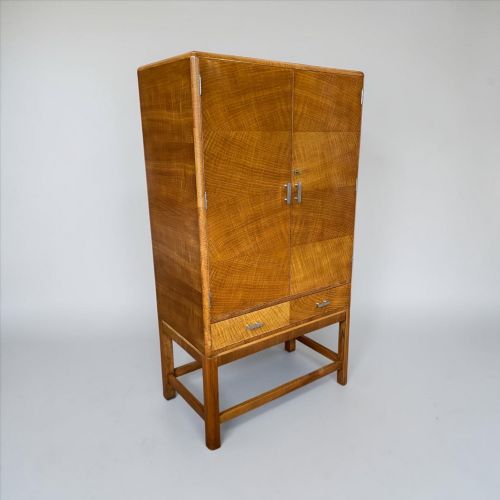
Makers built these cabinets predominantly using solid oak, frequently augmented with secondary timbers such as walnut, mahogany, and rosewood for contrasting panels and decorative banding. Structural integrity relied heavily on traditional joinery methods, including mortise and tenon frames secured with wooden pegs, which allowed the dense timber to expand and contract naturally with seasonal humidity changes.
Surface ornamentation involved hand-carving techniques, applied mouldings, raised pillar panels, and ebonised details executed directly into the hardwood structure. Hardware components forged from brass and iron, such as hinges, escutcheons, and drop handles, were fitted by hand to support heavy doors and deep drawers.
Oak Linen Cabinet Retail Price Guide 2026
Typical asking prices for oak linen cabinet among the pieces listed under this phrase on Sellingantiques today, from the lower quarter to the upper quarter. They describe what is for sale here now, not the wider market.
Some early housekeeping cupboards still retain faint traces of aromatic herbs tucked into hidden panel crevices to keep linens fragrant.
What varies in quality
The distinction between ordinary utility items and exceptional pieces rests upon the crispness of hand-carved details, the integration of original hardware, and the depth of the timber's natural patina. Cabinets retaining untouched seventeenth-century surfaces or crisp regional vernacular mouldings command greater appreciation than heavily restored equivalents.
Structural coherence dictates long-term durability, with superior examples maintaining tight joinery, original backboards, and well-fitted internal shelving or hanging compartments. Alterations to feet, cornices, or interior configurations alter the integrity of the piece and shift its standing among collectors.
Heals Of London·Crown Furniture
The Oak Linen Cabinet Glossary
- Linen press
- A tall storage piece traditionally used for pressing and storing table linen and garments, typically featuring sliding trays enclosed by upper doors above a chest of drawers.
- Press cupboard
- A heavy two-tier storage item from the seventeenth or eighteenth century, featuring upper doors that conceal compartments for household textiles and vestments.
- Cwpwrdd deuddarn
- A traditional Welsh two-tier cupboard featuring an open or enclosed upper section supported by turned posts above a base cabinet.
- Patina
- The deep, lustrous surface sheen developed on hardwood over centuries of handling, polishing, and exposure to light.
- Raised gallery
- An ornamental raised wooden border surrounding the top surface of a cabinet, serving to prevent items placed thereon from sliding off.
Oak Linen Cabinet: Frequently Asked Questions
How do I care for an oak linen cabinet?
Maintain stable indoor humidity levels away from direct heat sources to prevent the solid oak panels from splitting or warping over time. Apply traditional beeswax sparingly to nourish the wood and preserve the natural surface finish without sealing the pores.
Avoid using modern silicone-based sprays, which can penetrate the grain and damage historic finishes permanently. Dust the carved mouldings and panel grooves regularly with a soft, dry cloth to prevent particulate accumulation.
Can I use these cabinets for modern clothing?
Many of these pieces feature deep interior shelves or fitted hanging spaces that adapt readily to contemporary wardrobes and linen storage needs. Measuring internal depths carefully ensures that modern hangers and folded garments fit comfortably behind the historic doors.
Early cupboards may lack modern hanging rails, but many retain adjustable shelving or removable pegs that accommodate various storage layouts. Adding unvarnished cedar blocks inside helps deter moths while keeping stored fabrics smelling fresh.
How do I distinguish seventeenth-century oak from later revival pieces?
Examine the construction marks, timber grain, and joinery methods closely, as seventeenth-century pieces display hand-riven boards and irregular peg placements. Revival pieces made around nineteen-twenty often feature uniform machine-sawn timbers and standardised modern screws or glue blocks.
The presence of deep, uneven patination and shrinkage cracks across the panels generally indicates genuine age rather than twentieth-century reproduction work. Checking the interior backboards for tool marks provides further insight into the period of manufacture.
What is the difference between a wardrobe and a linen press?
A wardrobe is designed primarily for hanging garments vertically on rails, featuring full-length doors and deep internal hanging space. A linen press combines shallow interior sliding trays or shelves behind upper doors with a chest of drawers situated in the lower base section.
Historical linen presses were engineered to keep folded textiles flat and crisp under pressure rather than accommodating long coats or dresses. Examining the internal configuration immediately clarifies which storage function the maker intended.