


Oak Hallway Cupboard
An oak hallway cupboard provides sturdy, traditional storage for coats and boots, bringing rich grain and enduring craft right to your entrance.
Oak Hallway Cupboard
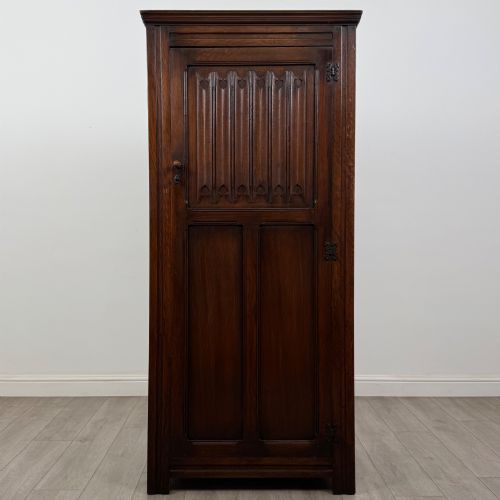
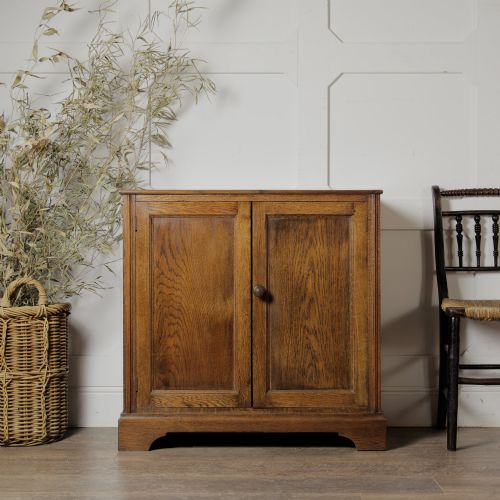
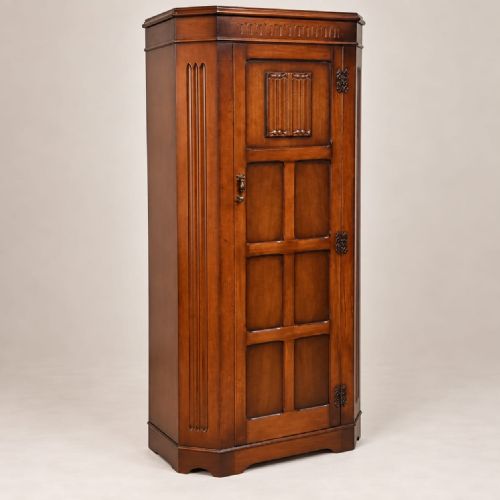
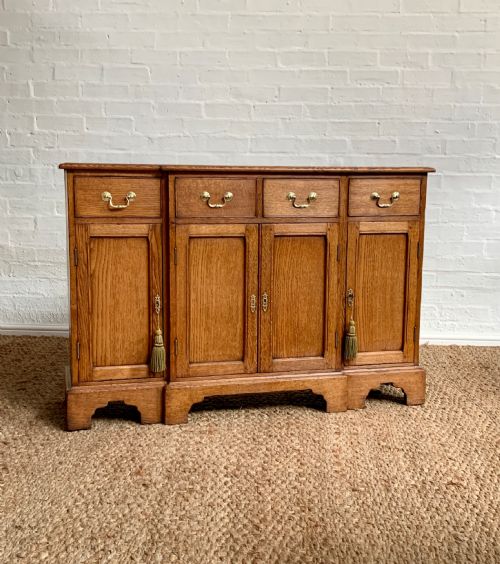
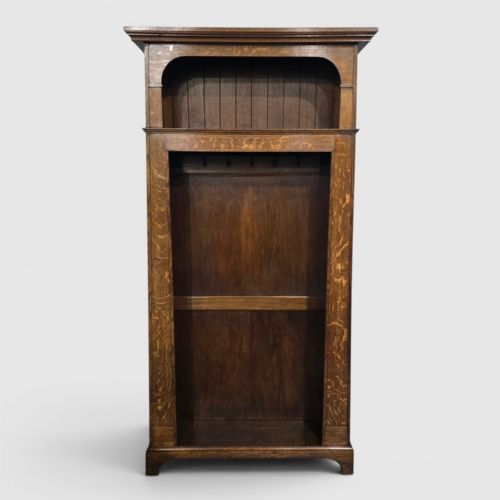
When searching for an oak hallway cupboard, buyers encounter a robust mix of utilitarian storage pieces designed to organise entryways and boot rooms. The selection spans compact standing cupboards, low cabinets, and hanging hall robes suited to tighter spaces.
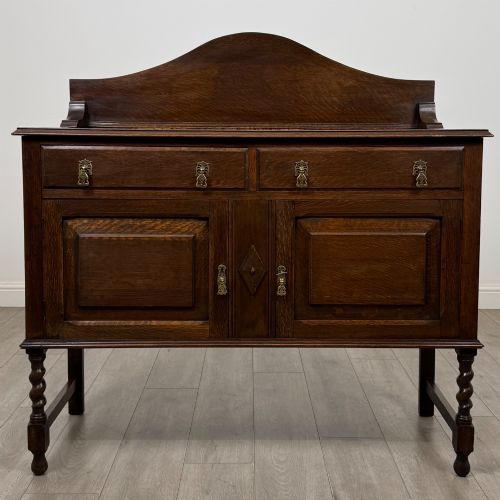
The pieces appearing here range from early twentieth-century examples and Edwardian designs back through nineteenth-century cabinets and seventeenth-century style revivals. Many items combine generous interior storage with traditional proportions suited to period and contemporary halls alike.
How they were made
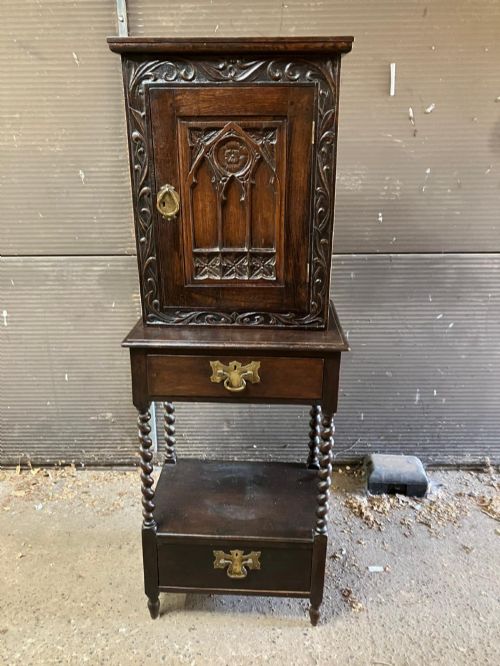
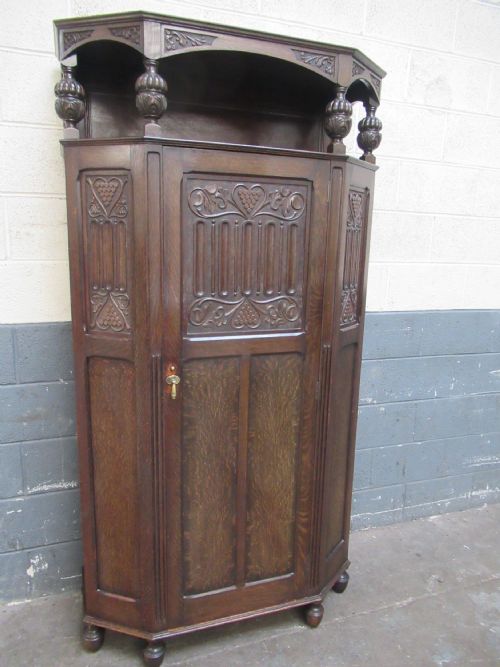
Makers relied principally upon solid oak, complemented by walnut, iron, and brass fittings that added structural strength and decorative contrast to the heavy timber frames. Hand carving frequently adorned door panels and cornices, reflecting period tastes from Jacobean Revival to Arts and Crafts movements.
Construction techniques prioritised durability, utilising pegged joints and solid framing to withstand the daily demands of hallways and vestibules. Surfaces were typically polished or waxed to highlight the natural grain and colour variations within the timber.
What varies in quality
Distinctions in quality often rest upon the depth and crispness of the hand carving and the selection of figured timber for prominent panels. Pieces finished with original brass or iron hardware and well-proportioned cornices display a higher degree of workshop attention.
Construction integrity also separates standard utility pieces from finer examples, noting particularly the snugness of door closures and the use of solid secondary woods throughout the interior framework.
Hampton & Son's
The Oak Hallway Cupboard Glossary
- Jacobean Revival
- A decorative style popular in the nineteenth and twentieth centuries that imitates seventeenth-century English furniture, often featuring heavy turnings and geometric mouldings.
- Barley twist
- A carved wooden column resembling a twisted rope, commonly found on the legs and uprights of Edwardian sideboards and cupboards.
- Dresser base
- A low cabinet featuring drawers or cupboards beneath a flat top, historically used for serving and storage in dining spaces and halls.
- Sacristy cabinet
- A low buffet or storage unit originally utilised in ecclesiastical settings, adapted over time for domestic hallway and living room use.
- Hall robe
- A compact wardrobe specifically proportioned for hanging coats and storing garments in narrow entranceways.
Oak Hallway Cupboard: Frequently Asked Questions
What fits inside an oak hallway cupboard?
These cabinets typically house outer garments, scarves, and footwear, keeping entranceways clear of clutter.
Larger wardrobe formats accommodate longer coats, while lower cupboards provide surface space alongside internal shelving.
How do I date an oak hallway cupboard?
Dating relies on observing construction methods, timber selection, and stylistic motifs such as Jacobean Revival turnings or Edwardian proportions.
Hardware styles and the presence of hand carving also offer clear indicators of the period of manufacture.
Where should I place my cupboard?
These pieces suit entrance halls, vestibules, and boot rooms where durable storage for everyday wear is required.
Ensure adequate clearance for doors to open fully within narrower hallways.
Are these cupboards made of solid oak?
The listings feature solid oak construction alongside related period pieces incorporating brass, iron, and walnut accents.
Timber surfaces display natural grain variations developed over centuries of polish and use.