
Oak Hall Console
An oak hall console offers a practical surface and grounding timber character for an entryway, bridging functional utility with centuries of traditional craftsmanship.
Oak Hall Console
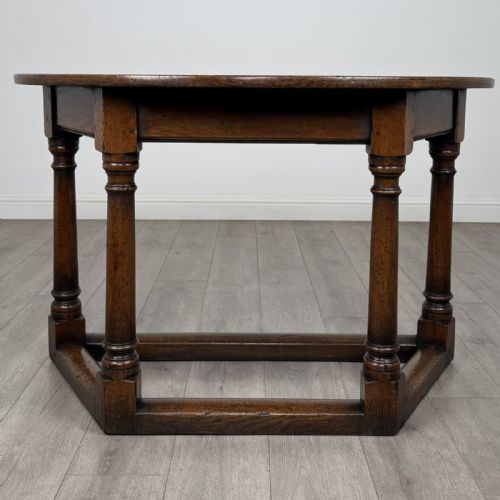
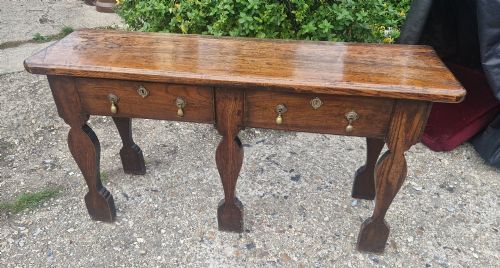
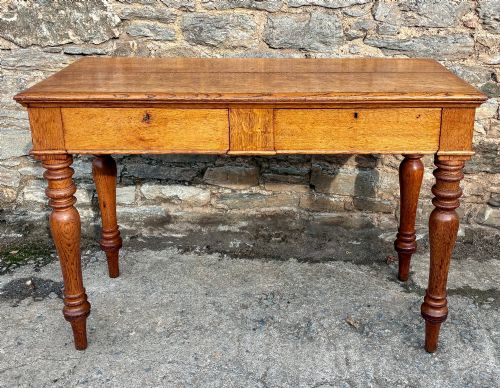
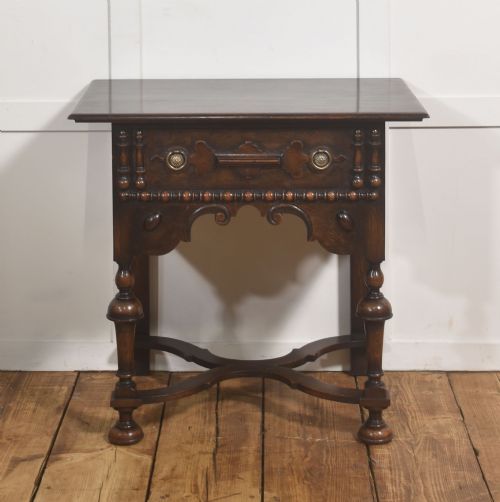
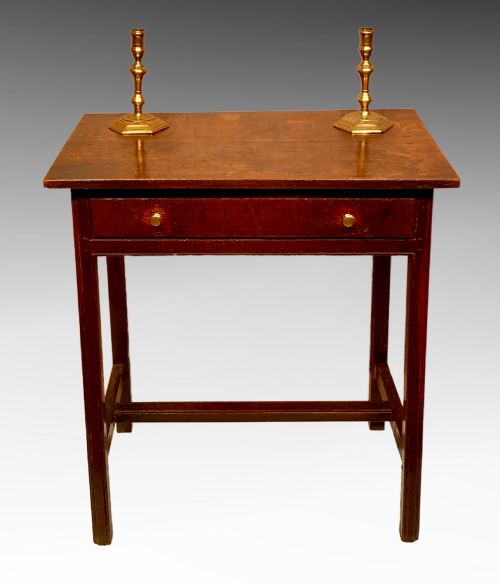
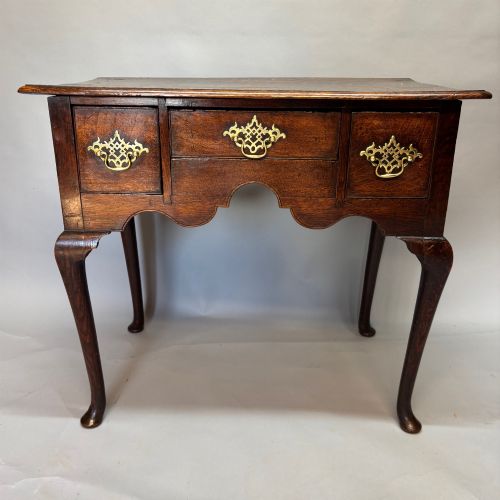
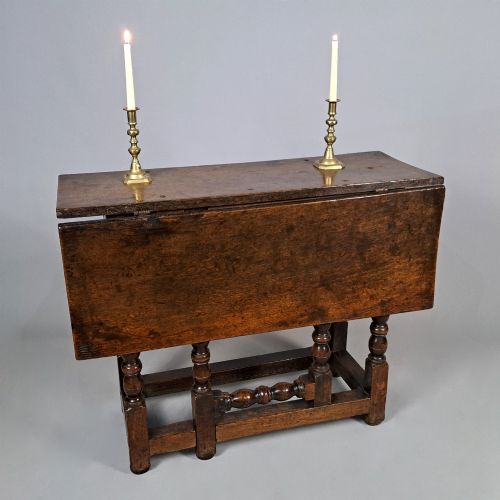
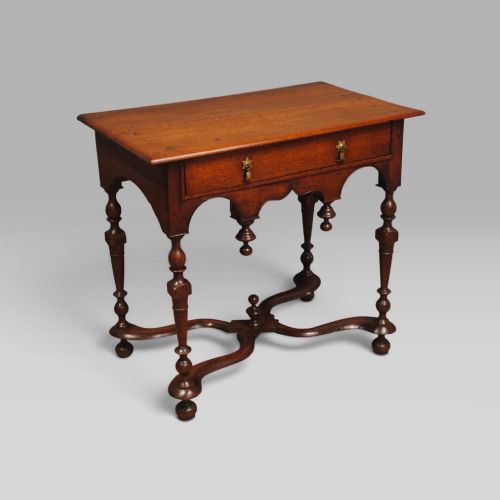
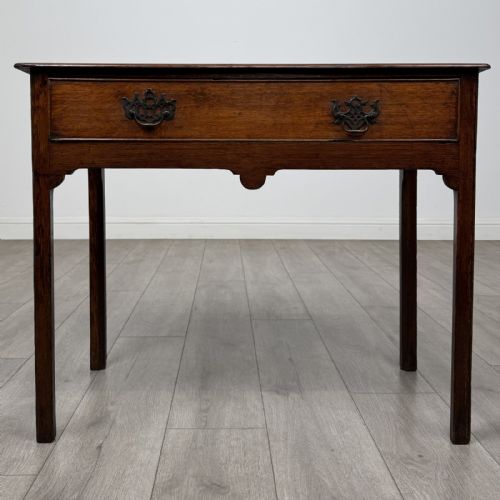
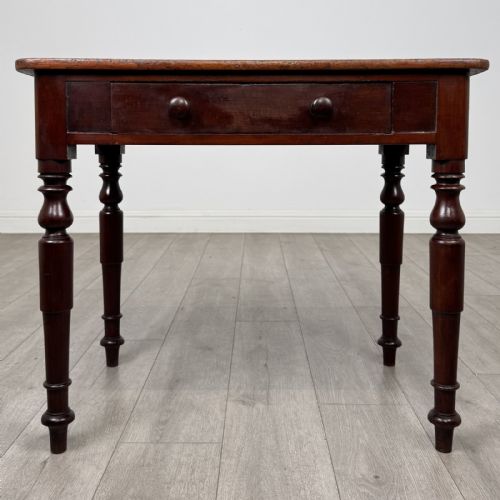
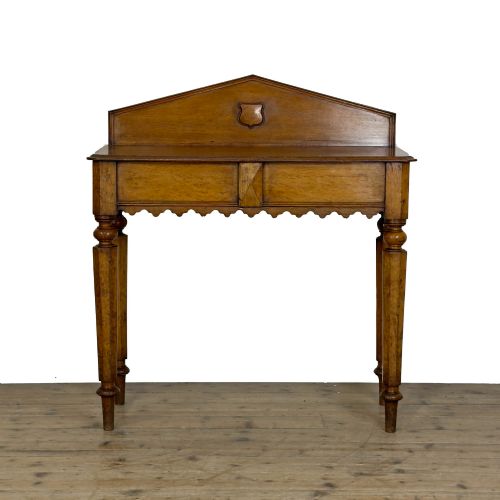
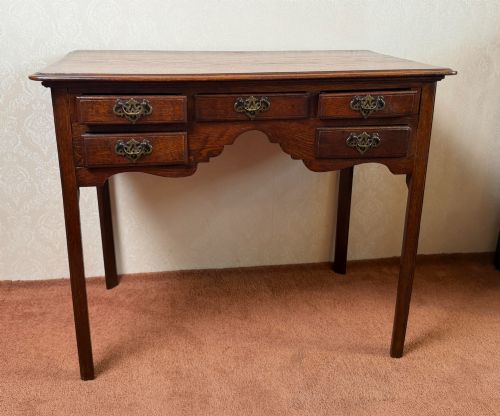
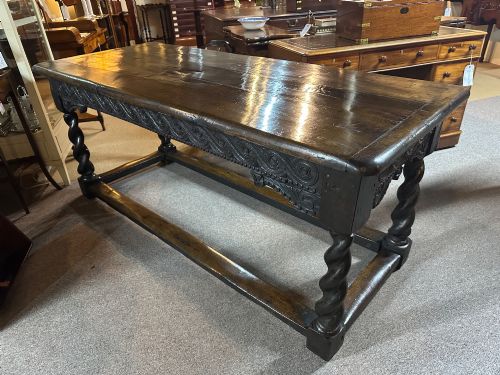
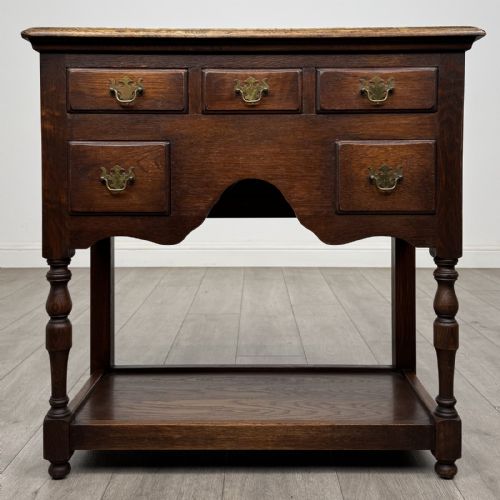
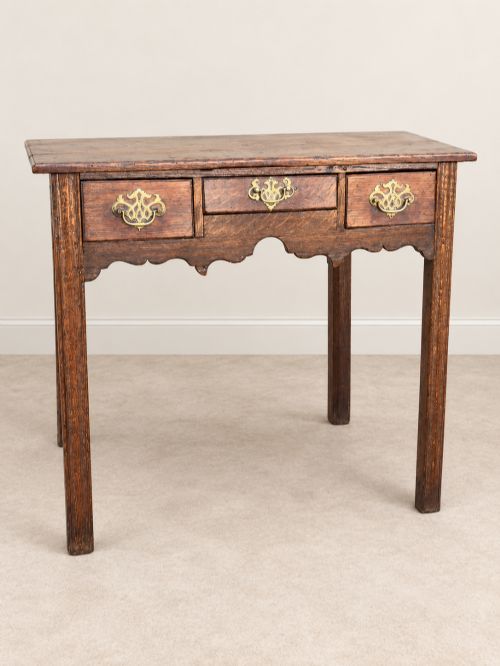
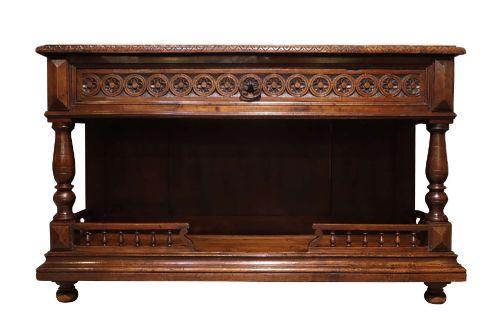
When searching for an oak hall console, buyers encounter a diverse selection of side tables, lowboys, and dresser bases adapted for narrow entrance spaces. These pieces span centuries of design, drawing from Georgian, Victorian, Edwardian, and earlier seventeenth-century periods.
The format typically presents a shallow rectangular top supported by slender legs or heavy structural stretchers, often featuring one or more fitted drawers beneath the surface. English country workshops and urban cabinet makers alike produced these forms in solid timber to withstand daily household passage.
Among the current selection, provincial side tables and Edwardian narrow writing desks dominate the inventory, offering versatile proportions for modern hallways. Pieces range from austere early iterations to heavily carved Jacobean revival and Gothic styles.
How They Were Made
Cabinet makers relied primarily on solid oak, frequently supplemented by secondary native timbers like elm and yew for drawer linings or structural supports. Joinery techniques such as mortise and tenon frames provided the rigid stability required for narrow tables placed against walls.
Surface ornamentation varied from plain timber rubbed with wax to deeply hand-carved panels featuring strapwork, foliage, and figural motifs in revival styles. Hardware typically consisted of cast brass drop handles or bail pulls secured to dovetailed drawer boxes.
Look closely for hidden secret drawers tucked beneath table tops, built by past owners to keep currency away from prying eyes.
What Varies in Quality
The distinction between ordinary utility tables and superior examples lies in the selection of the timber grain, the crispness of hand-carved detailing, and the integrity of the original construction. Higher-tier pieces display thoughtful proportions, balanced drawer placement, and uncompromised structural depth.
Makers who invested time in selecting quartersawn oak with prominent medullary rays produced surfaces with superior visual movement and durability. Conversely, later mass-produced iterations often exhibit mechanical uniformity and thinner timber scantlings that lack the substantial presence of early period work.
Beresford and Hicks·Constantine and Co·Maple and Co
The Oak Hall Console Glossary
- Lowboy
- A small oak side table featuring one or more rows of drawers, commonly produced during the seventeenth and eighteenth centuries. These pieces typically stood beside beds or served as compact writing surfaces.
- Dresser base
- A heavy rectangular cabinet form featuring surface boards and lower storage drawers or cupboards. They offer generous proportions well suited to serving functions in large halls.
- Jacobean Revival
- A nineteenth-century stylistic movement mimicking the heavy turned legs, geometric moulding, and sombre carved panels of the early seventeenth century. Makers utilised these motifs to project an aura of antiquity.
- Medullary rays
- Natural ribbon-like cellular patterns visible in quartersawn oak timber. Their presence indicates high-grade milling that resists warping.
- Stretcher
- A horizontal timber rail connecting the legs of a table near the floor to provide structural rigidity. Early pieces frequently employ intersecting stretchers for enhanced stability.
Oak Hall Console: Frequently Asked Questions
Where should I place an oak hall console?
These narrow tables suit entrance halls, narrow corridors, and reception rooms where floor space is limited. Their shallow depth allows them to sit flush against a wall without obstructing foot traffic.
Positioning one beneath a mirror or beside a doorway creates a functional drop zone for keys and post while anchoring the room's decorative scheme.
How do I care for antique oak timber?
Maintain the finish by applying a natural beeswax polish occasionally to nourish the dry wood and preserve the soft sheen. Avoid placing the table near direct heat sources or strong sunlight, which can cause the timber to split or fade over time.
Use a dry, soft cloth for routine dusting to protect the historic surface from abrasion.
How can I tell an eighteenth-century table from a later revival piece?
Examine the construction methods visible underneath and inside the drawers, looking for hand-cut dovetails and pegged joints rather than modern screws or machine-cut elements. The timber itself should display natural oxidation, uneven board widths, and wear patterns consistent with centuries of use.
Revival pieces from the nineteenth or twentieth century often reveal uniform machine milling and cleaner, less distressed surfaces.
Can I use a lowboy as a hall console?
A lowboy serves admirably in a hallway due to its compact footprint and useful drawer storage for small household items. Originally designed as dressing or side tables, their proportions translate effectively to modern entranceways.
Their shallow depth and finished backboards or panel construction allow them to integrate seamlessly into narrow transitional spaces.