

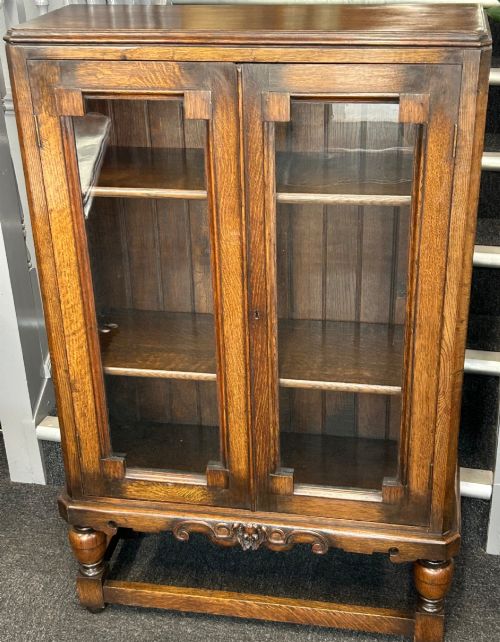
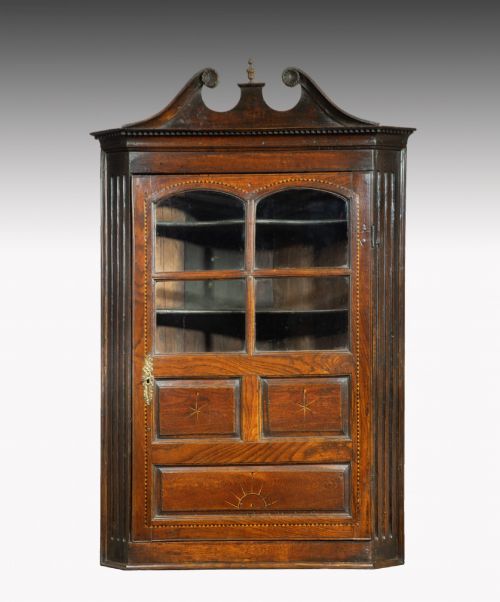
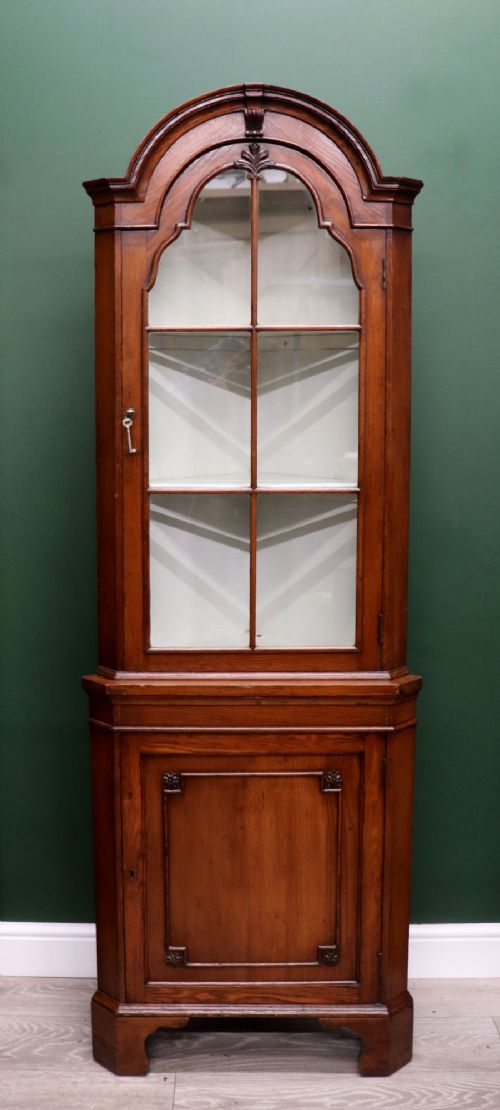


Oak Glazed Display Unit
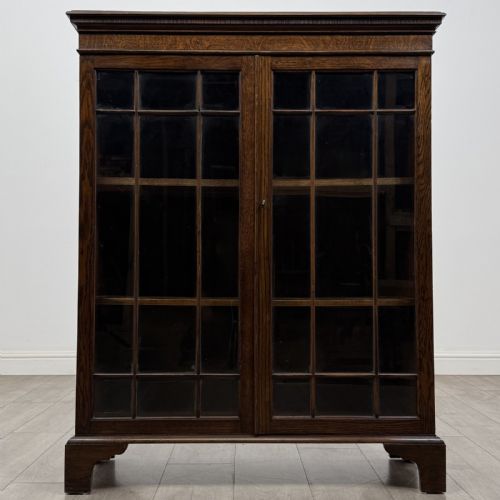
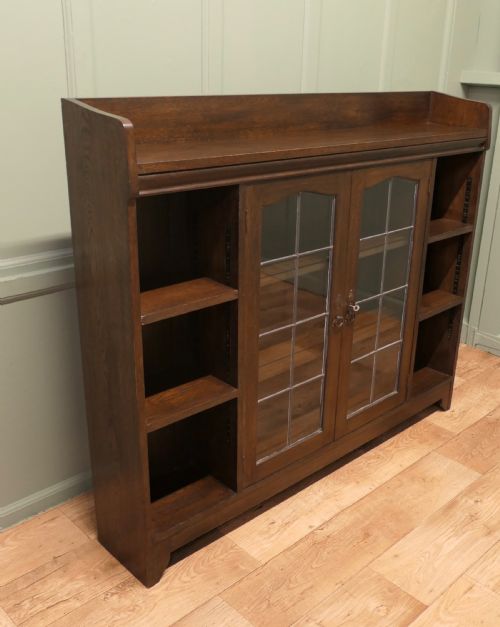
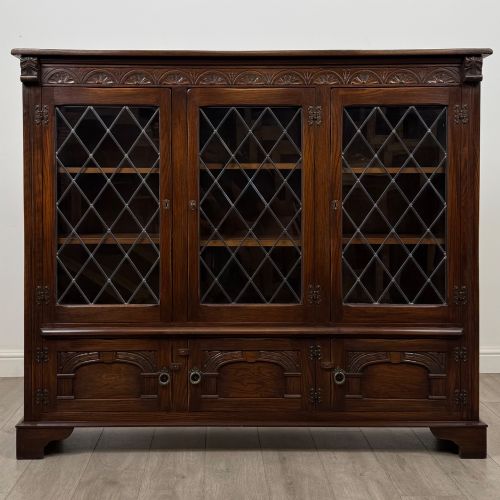
An oak glazed display unit is a timber-framed cabinet designed to show and protect possessions, ranging from tall library bookcases to compact corner cupboards.
Oak Glazed Display Unit
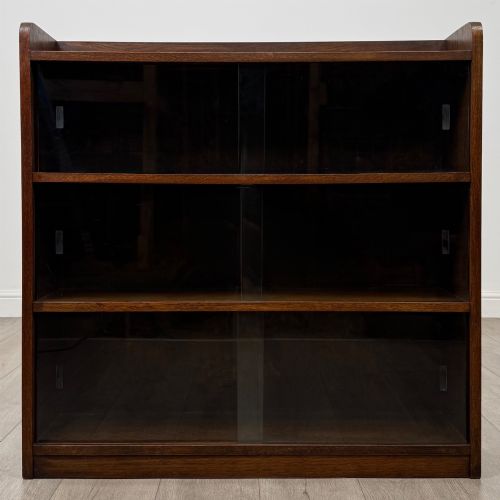
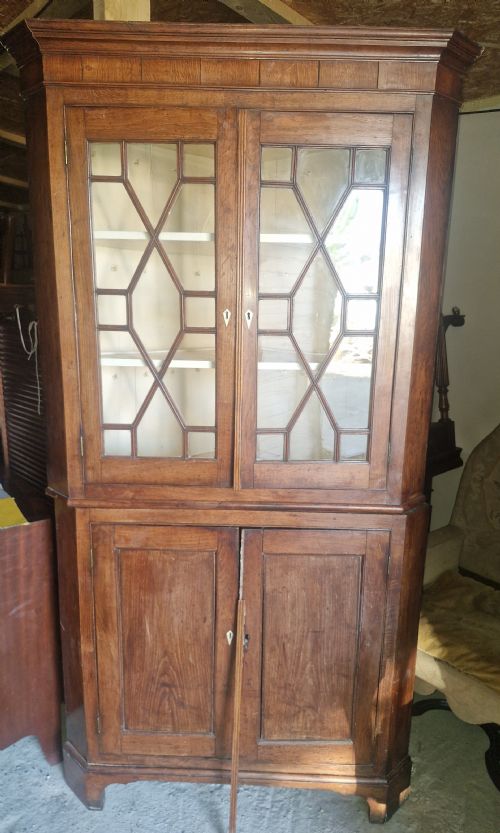
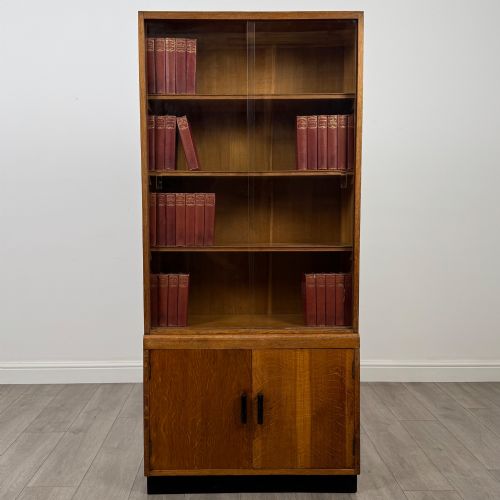
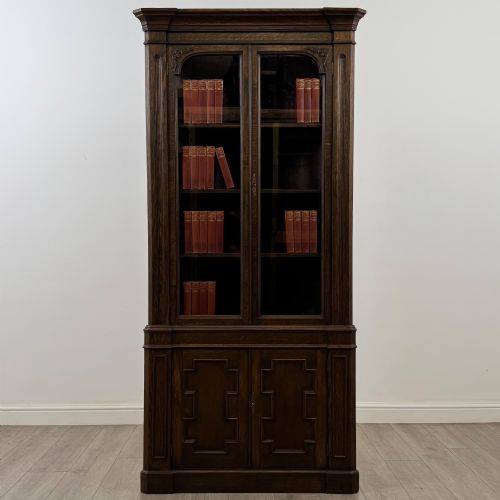
When you search for an oak glazed display unit, you encounter pieces that span centuries of cabinet making, from Georgian and Regency eras to Edwardian revivals and mid-century designs. The forms on this page include corner cabinets, tall bookcases, haberdashery cabinets, and two-part cupboards constructed to fit domestic rooms or shop interiors.
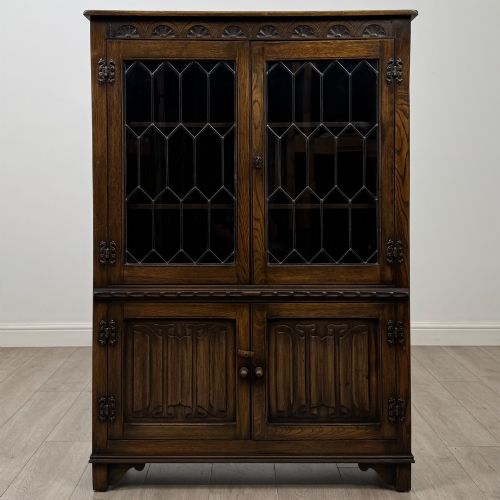
Edwardian examples appear frequently, often finished in golden oak or embellished with linenfold carving and Jacobean style motifs. Alongside these sit earlier pieces from the eighteenth and nineteenth centuries, including Welsh oak corner cupboards and sturdy floor-standing bookcases.
Makers and workshops represented in the records include the Cotswold School and Liberty, alongside shop fittings from venues like the Phoenix Gallery in Charing Cross. Buyers find both upright single-door units and larger multi-part configurations designed for libraries and display spaces.
Assessing Quality
Quality in an oak glazed display unit rests upon the selection of the timber, the crispness of any hand-carved details like linenfold panels, and the structural integrity of the frame. Pieces produced by recognised movements such as the Cotswold School or retailers like Liberty demonstrate superior joinery and thoughtful proportion.
The integration of the glass and the condition of the original brass or iron hardware also separate standard utilitarian pieces from finer workshop productions. Better examples maintain balanced proportions, clean interior shelving, and well-fitted doors that hang true without sagging.
Oak Glazed Display Unit Retail Price Guide 2026
Typical asking prices for oak glazed display unit among the pieces listed under this phrase on Sellingantiques today, from the lower quarter to the upper quarter. They describe what is for sale here now, not the wider market.
Materials documented across these cabinets include solid oak, glass, brass, lead, iron, mahogany, and walnut.
Liberty·Phoenix Gallery
The Oak Glazed Display Unit Glossary
- Linenfold
- A carved wooden panel motif popular in period furniture that imitates folded fabric. This decorative technique appears frequently on Edwardian oak cabinetry.
- Haberdashery cabinet
- A glass-fronted storage unit originally built for retail shops to display small goods. These pieces now function in homes for organised storage.
- Corner cupboard
- A triangular or curved cabinet built to fit neatly into the corner of a room. Surviving examples frequently date from the Georgian and Regency periods.
- Glazing bar
- A narrow wooden or metal strip that holds individual panes of glass within a door or window. The arrangement of these bars defines the visual style of the cabinet front.
Oak Glazed Display Unit: Frequently Asked Questions
How do I date an oak display cabinet?
Dating relies on observing construction methods, timber selection, and stylistic details such as hardware and carvings. Eighteenth-century pieces often feature hand-cut joints and pegged frames, whereas Edwardian revivals employ machinery-assisted production alongside period motifs.
Examining the glass panes and interior backs also provides clues, as older cabinets may retain hand-blown glass or early pine and oak secondary boards.
Where should I place a corner cupboard?
Corner cupboards utilise neglected angles in dining rooms, hallways, or living spaces, turning unused corners into focal points. Freestanding versions offer flexibility to move between rooms, while fitted models integrate permanently into the architecture.
Ensure the dimensions match the specific wall angles and that clearance is sufficient for the glazed door to swing open fully.
Can I use a shop display cabinet at home?
Shop fittings and haberdashery units designed for commercial environments translate exceptionally well into domestic interiors for displaying collections, books, or tableware. Their deep shelving and glass fronts provide maximum visibility while keeping contents free from dust.
These industrial pieces add character and history to modern or traditional residential rooms alike.
What is the difference between an Edwardian and a Georgian oak cabinet?
Georgian oak cabinets, dating from the eighteenth century, typically display simpler, robust construction with heavy paneling and patinated timber surfaces shaped by age. Edwardian pieces often revive earlier styles, incorporating Jacobean revival turns or linenfold carving alongside lighter golden oak finishes.
Comparing the interior construction and the weight of the timber helps distinguish the eighteenth-century originals from twentieth-century revivals.