


Oak Framed Portrait Art
Oak framed portrait art brings together historic likenesses and sturdy timber surrounds, offering buyers a direct connection to past centuries through characterful faces and solid construction.
Oak Framed Portrait Art
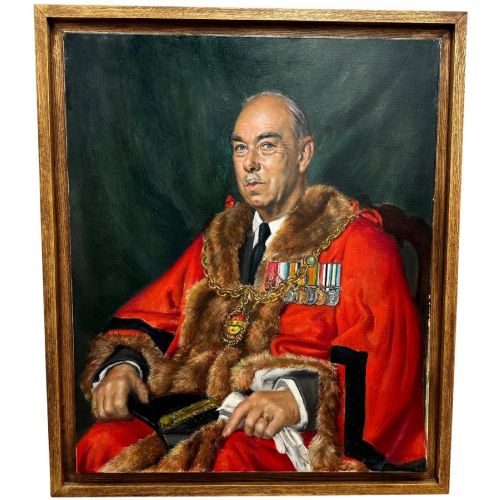
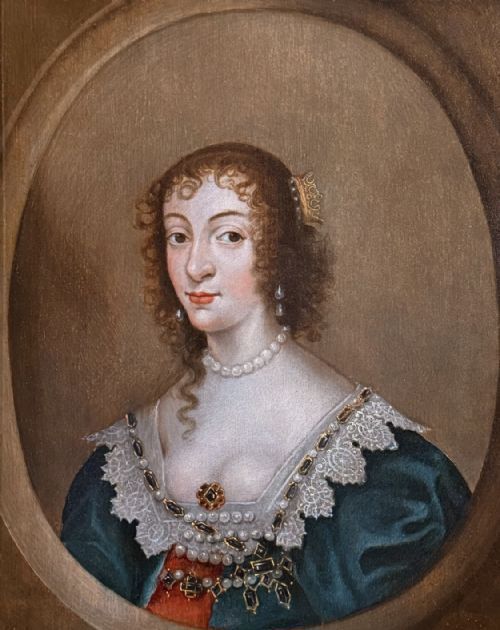
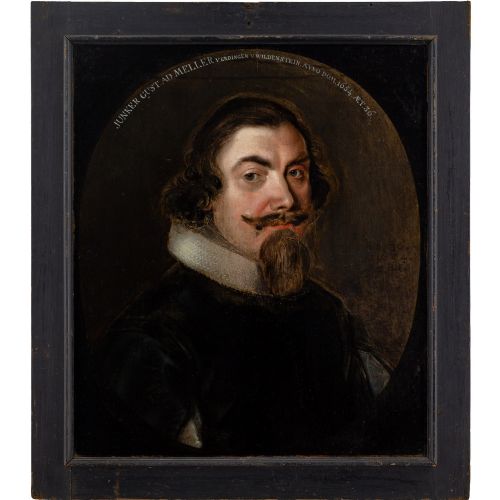
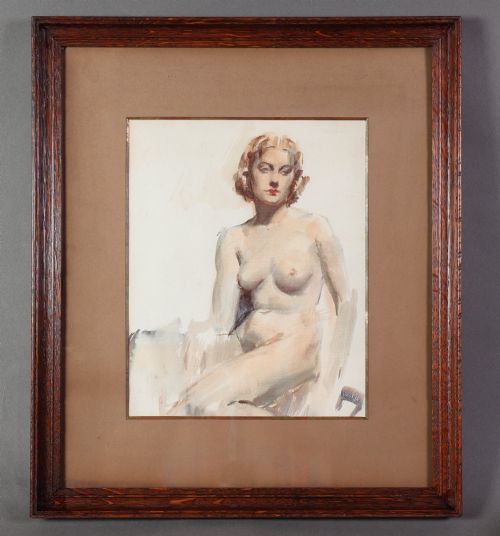
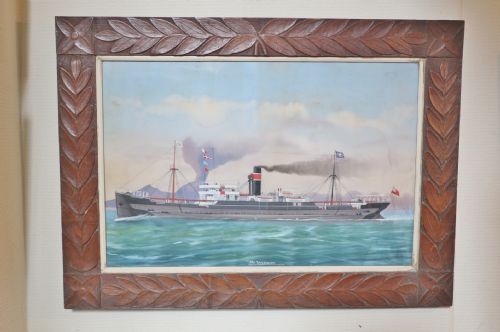
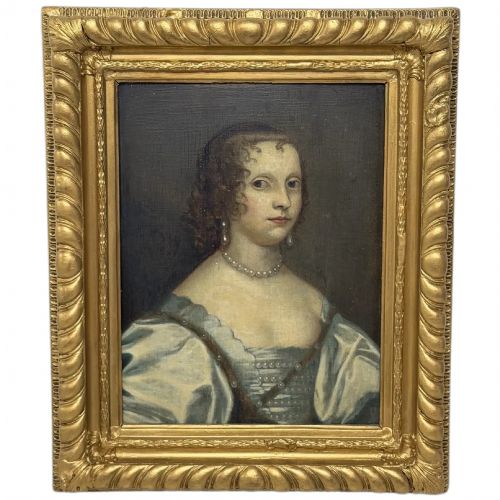
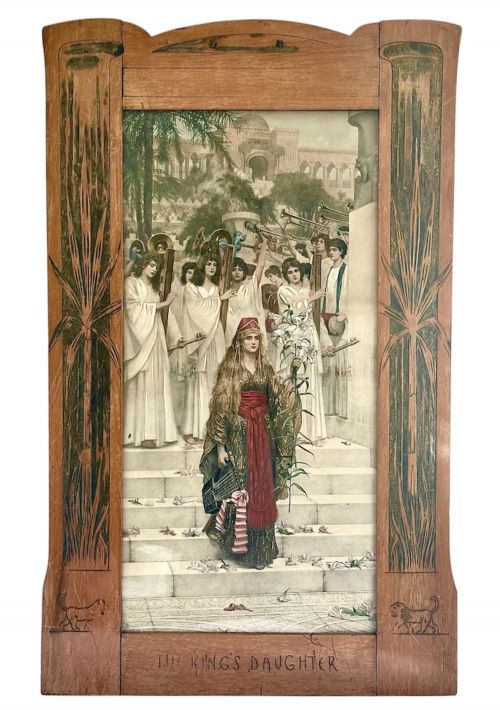
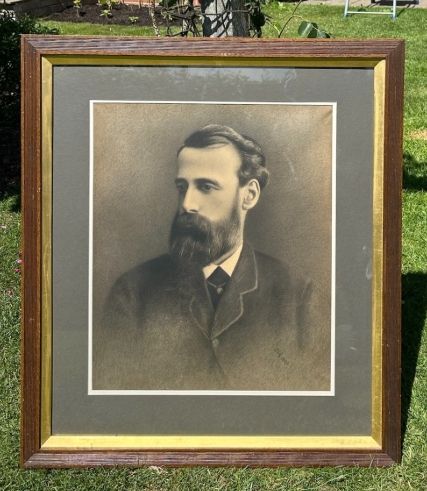
When you search for oak framed portrait art, you encounter a diverse gathering of likenesses rendered in oil paint, canvas, wood panel, charcoal pencil, and paper. These pieces range from seventeenth-century depictions of nobility and nineteenth-century naive gentlemen to Edwardian soldiers and royal double portraits.
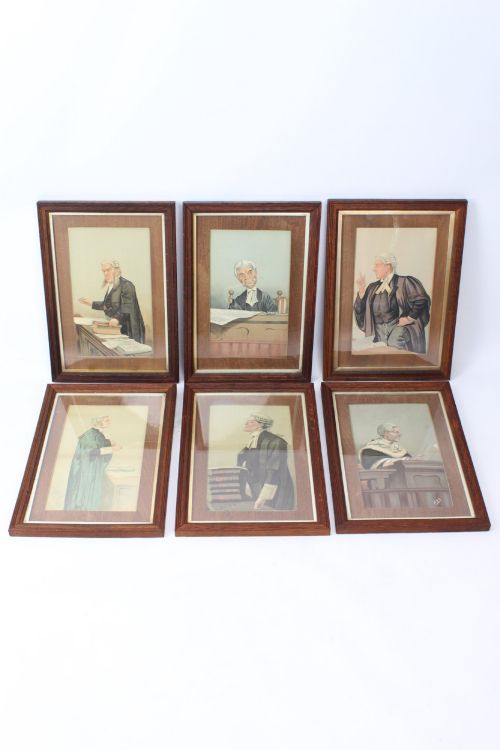
The most common representations on this page combine historic portraiture with timber surrounds, including works from the Victorian, Edwardian, and seventeenth-century periods. These include oil paintings on board, framed prints, and portrait miniatures housed within sturdy oak mouldings.
Materials and construction techniques
The works utilise traditional media such as oil paint applied to canvas or oak panels, alongside charcoal, ink, and watercolour on paper, protected by glass in many instances. Frames are constructed from solid oak and wood, occasionally featuring stepped designs or specific grain patterns.
Execution methods span from detailed oil painting and panel joining by historic schools to etching, engraving, and photography mounted on card, all secured within their respective wooden housings.
Several gentlemen in the collection bring their own narrative charm, including a Victorian subject noted specifically for having a wooden leg.
Factors that distinguish quality
Quality rests in the fidelity and expression of the painted or drawn likeness, where skilled brushwork and proportion separate master or school works from simpler naive productions. The integration between the artwork and its original or period oak frame also influences the overall integrity of the piece.
Condition of the underlying canvas, panel, or paper, alongside the preservation of the timber moulding, dictates the standing of an individual item within the range.
Bernard Hailstone·Herbert Gustave Schmaltz·George Lance·Walter Herbert Wheeler·Kershaw Schofield·Herbert Dicksee
The Oak Framed Portrait Art Glossary
- Oil on panel
- A painting executed with pigment suspended in oil on a wooden board, commonly oak in early British works. This stable support often predates widespread canvas usage.
- Portrait miniature
- A small, highly detailed painting or likeness, frequently created on a small scale during the Victorian period. These intimate items were often housed in pairs or small groupings.
- Naive portrait
- An artwork created with a flat perspective and simplified proportions, typical of self-taught artists. These pieces offer charmingly direct records of everyday subjects.
- Photogravure
- A printmaking process that produces a photographic image on paper through the use of an etched copper plate. This technique captures tonal nuances similar to original photographs.
- Charcoal pencil drawing
- A monochrome work on paper utilising carbon-based pigment for deep darks and soft blending. Such drawings provide immediate, hand-drawn character.
- Drypoint etching
- A printmaking method where an artist scratches a design directly into a metal plate with a sharp needle. This creates a distinct velvety burr along the printed lines.
Oak Framed Portrait Art: Frequently Asked Questions
What periods do these portraits cover?
The selection spans multiple centuries, reaching from the seventeenth century through the Victorian and Edwardian eras into the early twentieth century.
Earlier pieces often feature panel supports and formal subjects, while later examples include photographs, etchings, and twentieth-century realism.
Are the frames original to the art?
Many items retain their period oak frames or housings, which were chosen or constructed to complement the specific artwork.
Some frames feature distinctive characteristics such as stepped mouldings or presentation plaques recording historical events.
How should I display these in a home?
These works suit wall mounting in living spaces, studies, or hallways where their timber frames can coordinate with interior woodwork.
Keep them away from direct sunlight and excessive moisture to protect the paper, canvas, and wooden elements over time.
How are different painting mediums identified?
Listings specify whether a work is executed in oil on canvas, oil on oak panel, watercolour, charcoal, or etching.
Examining the surface texture under adequate lighting helps distinguish between paint layers, printed ink, and photographic card.