



Oak Frame Armchair
When you select an oak frame armchair, you bring home a sturdy piece of seating that balances heavy timber with enduring utility.
Oak Frame Armchair
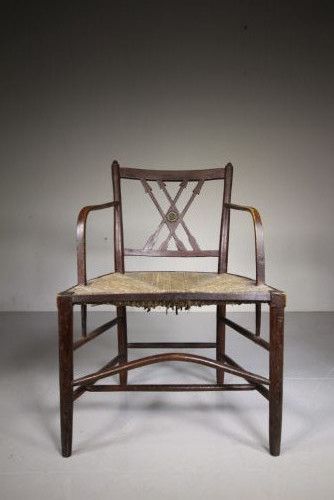
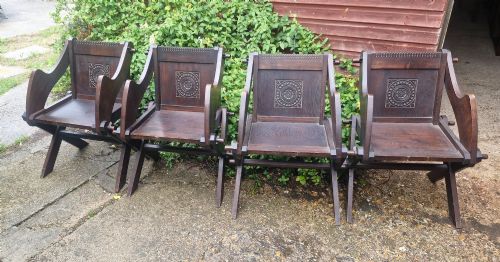
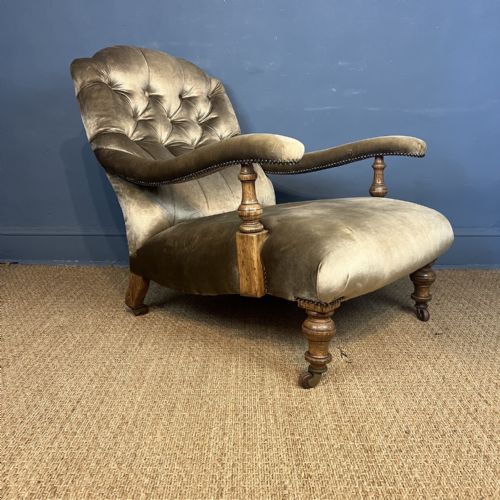
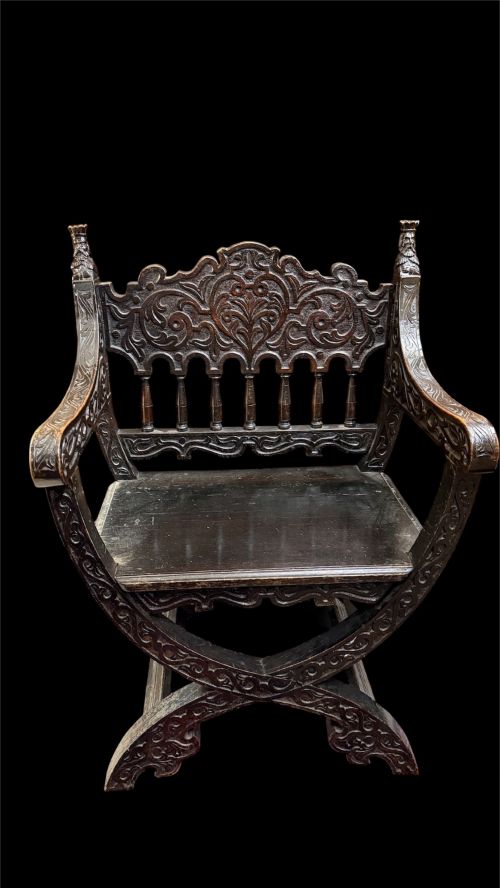
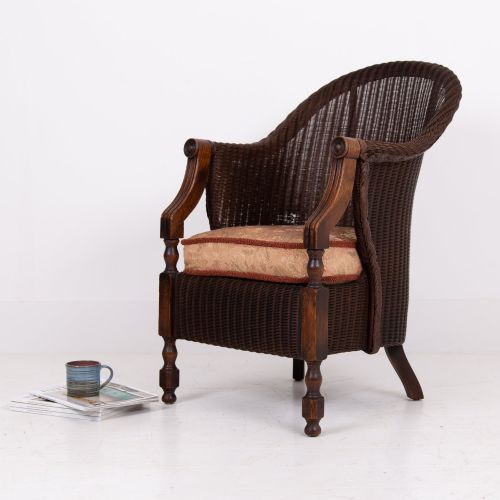
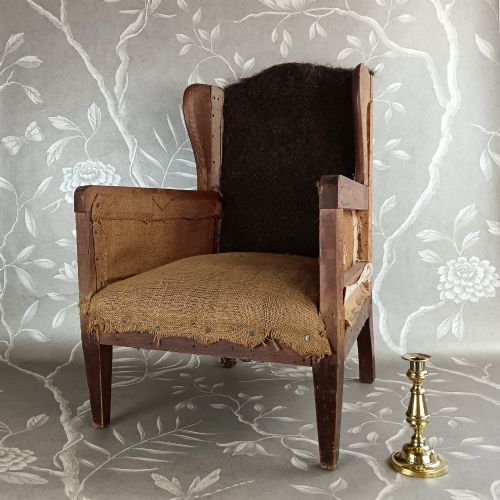
An oak frame armchair serves as a sturdy seating option found across domestic and institutional spaces, spanning centuries of British and continental design. You encounter diverse forms ranging from solid timber Glastonbury chairs and X-frame folding seats to heavily padded Victorian library armchairs.
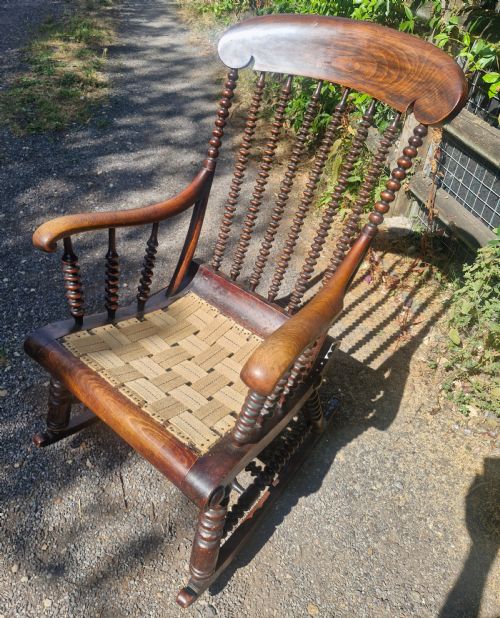
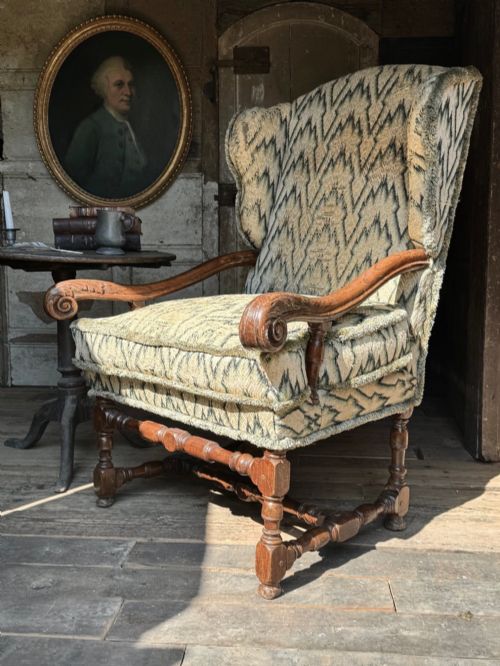
The selection includes specialised variations such as rocking chairs, desk chairs, and wingbacks, frequently demonstrating revivalist movements like Gothic and Jacobean styles. These seating choices reflect both formal reception rooms and utilitarian library spaces from the nineteenth and early twentieth centuries.
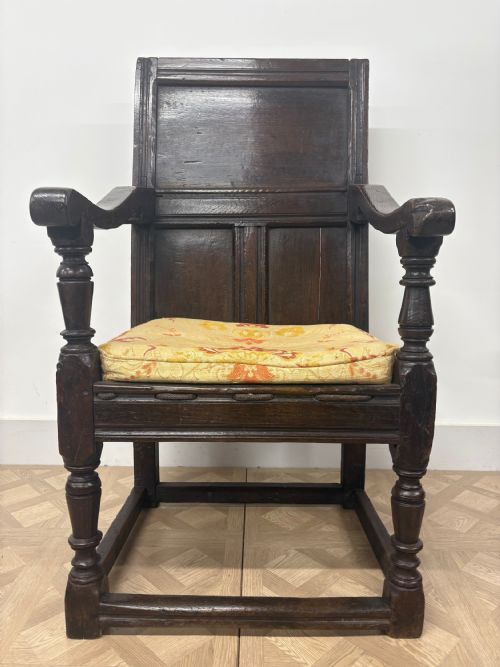
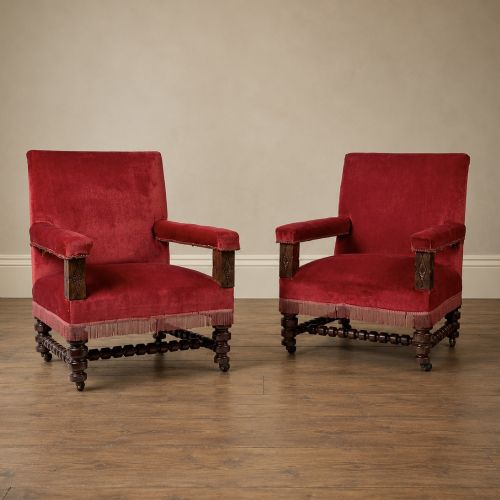
Most examples originate from the Victorian and Edwardian periods, alongside earlier seventeenth-century Wainscot pieces and later Arts and Crafts designs. Buyers frequently meet pieces upholstered in leather, velvet, or contemporary fabric alongside bare timber elbow seats.
Evaluating craftsmanship and condition
Quality rests in the integrity of the timber joinery and the crispness of any hand-carved detailing on the oak frame. Superior pieces maintain rigid structural stability without excessive movement in the joints or reliance on modern secondary fasteners.
The sophistication of the upholstery work and the selection of covering materials, such as heavy-grade leather or quality velvet, distinguish standard utility seating from finer library and drawing-room armchairs.
Current listings feature oak frame armchairs spanning from the mid-seventeenth century through the Edwardian era, incorporating leather, velvet, and rush materials.
Morris And Co·Gillows Of Lancaster
The Oak Frame Armchair Glossary
- Glastonbury chair
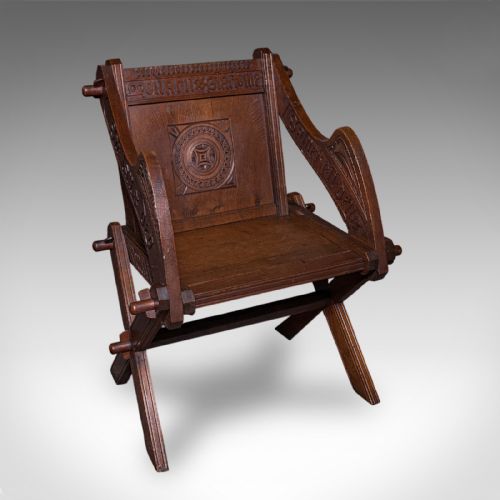
- A traditional folding ecclesiastical armchair constructed from interlocking wooden pieces, often associated with Gothic Revival designs. These seats feature sloped armrests and an X-frame base.
- Wainscot armchair
- An early seventeenth-century wooden armchair constructed using panel-back techniques common in heavier domestic furniture. This form predates the widespread adoption of padded upholstery in domestic seating.
- X-frame
- A structural chair design utilising intersecting diagonal timber supports beneath the seat, creating a curule or scissor configuration. This format appears frequently in Renaissance Revival and Arts and Crafts examples.
- Bergere
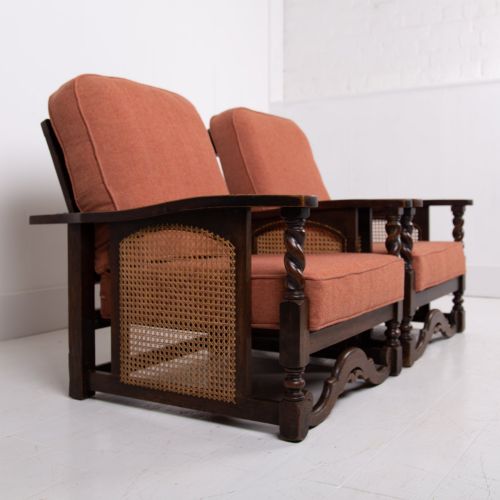
- An enclosed wooden-framed armchair featuring cane or upholstered side panels. These seats commonly date from the Edwardian era and French revival periods.
- Library armchair
- A large, heavily upholstered seating form designed for reading rooms, typically combining a robust oak frame with leather or velvet coverings. These pieces prioritize substantial proportions and deep padding.
Oak Frame Armchair: Frequently Asked Questions
How do I date an oak frame armchair?
Dating relies on observing the joinery methods, tool marks, and stylistic indicators such as Gothic Revival or Arts and Crafts motifs. Earlier seventeenth-century pieces display pegged panel construction, whereas Victorian and Edwardian examples utilise machine-sawn timber and factory-standard turning.
Secondary materials like upholstery webbing, brass tacks, and padding types also help establish the approximate decade of manufacture or subsequent reupholstery.
Are these chairs suitable for daily use?
Many oak frame armchairs are robust enough for daily seating, particularly library chairs and solid timber elbow seats designed for heavy domestic environments. Ensuring the structural joints remain tight is essential before placing any antique chair into regular service.
Upholstered models may require modern cushion reinforcement or professional webbing updates to provide adequate support for contemporary comfort expectations.
What is a Glastonbury chair?
A Glastonbury chair is a specific form of wooden armchair constructed from interlocking flat components that allow the seat to be easily disassembled or folded. Inspired by medieval ecclesiastical furniture, these chairs feature characteristic sloping arms and an X-shaped base.
Most surviving examples encountered today date from the Victorian Gothic Revival period rather than the medieval era.
How do I care for leather upholstery on oak chairs?
Maintaining leather involves regular dusting with a soft cloth and the occasional application of specialist leather wax to prevent drying and cracking. Keeping the timber frame conditioned with appropriate furniture polish preserves the finish without harming adjacent fabric or hide.
Positioning the armchair away from direct sunlight and heat sources prevents both the oak and the leather from warping or splitting over time.