
Oak Folding Table
When choosing an oak folding table, you select a practical piece of antique furniture built to save space and adapt to daily living.

Oak Folding Table
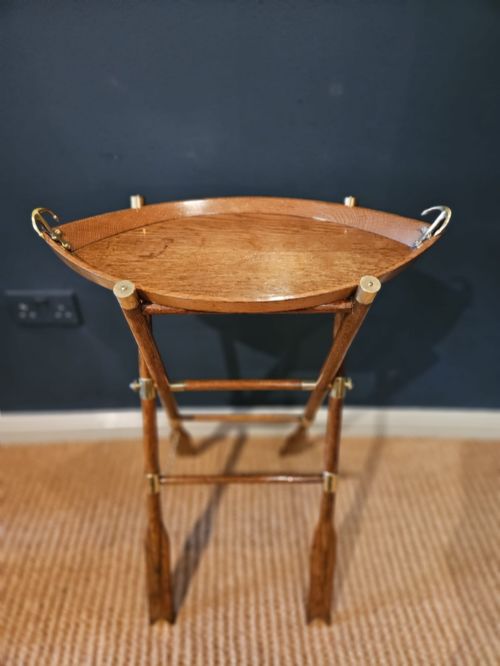
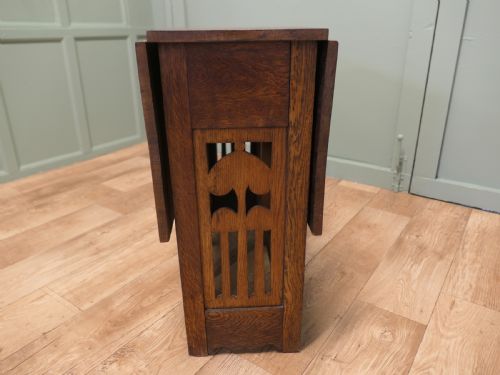
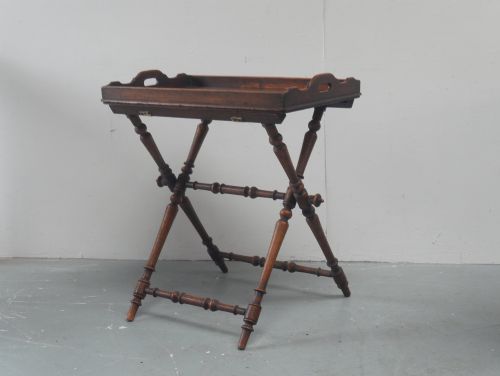
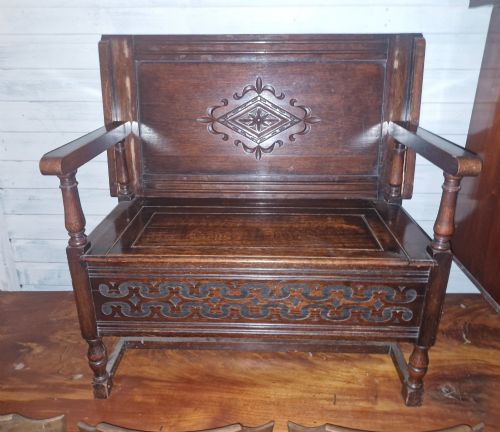
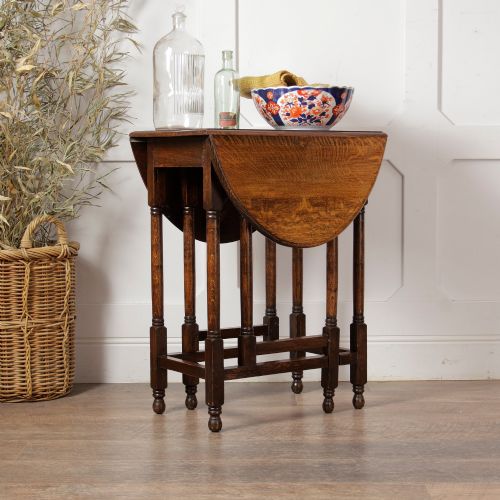
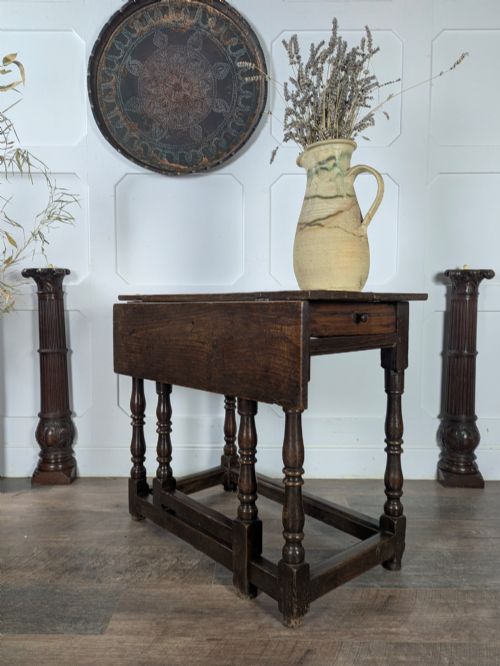
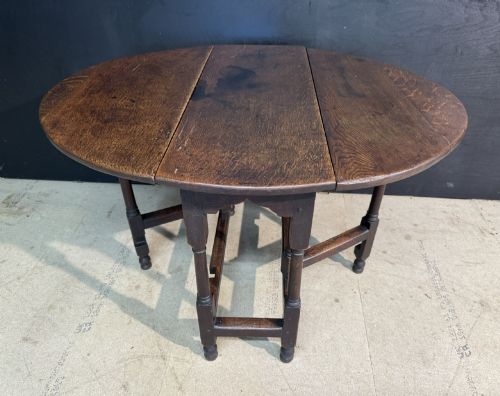
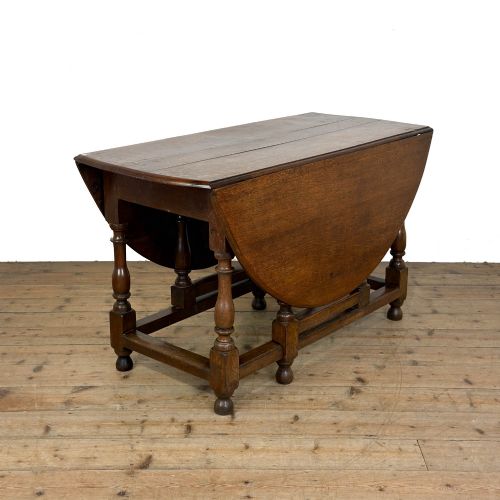
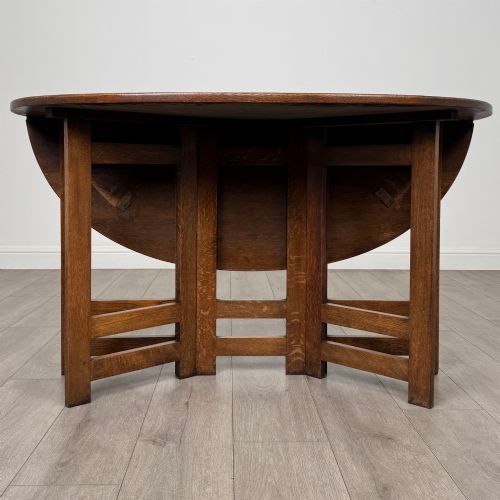
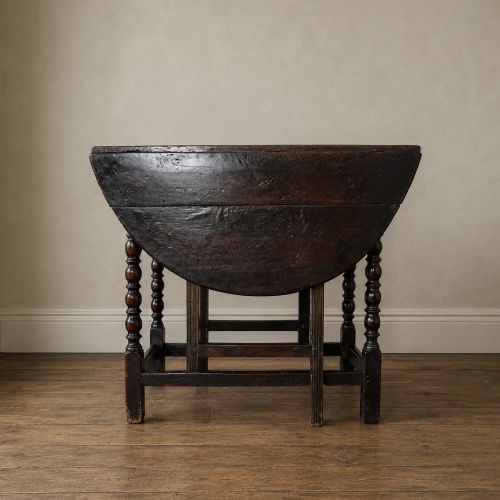
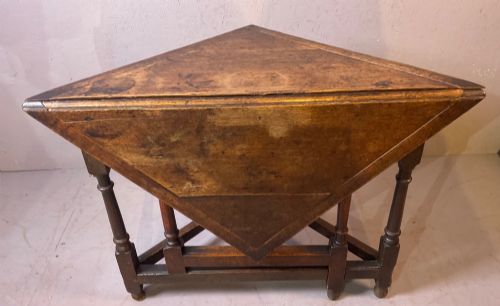
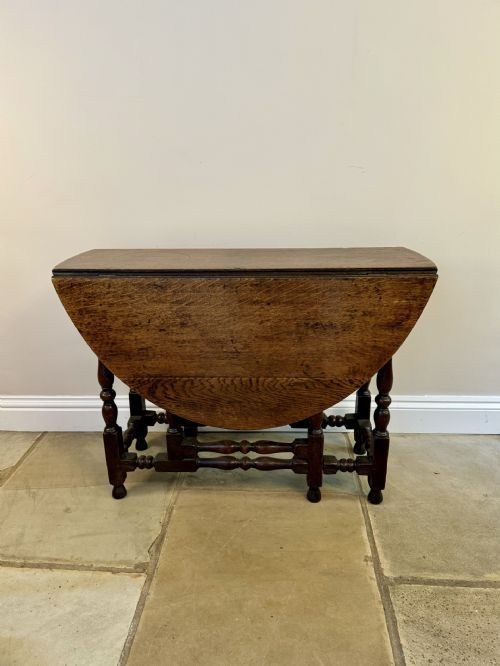
An oak folding table serves multiple functions across different rooms, appearing in forms such as gateleg dining tables, butlers trays on stands, and compact coaching tables.
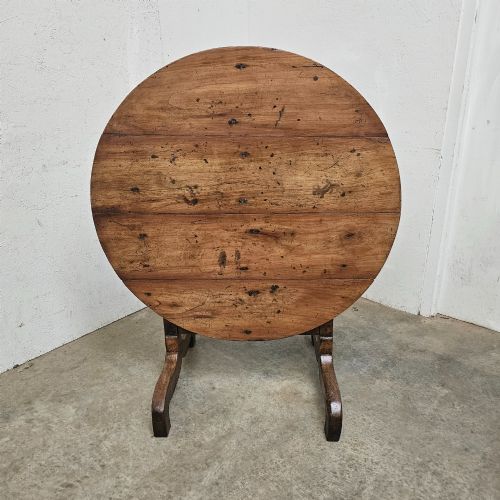
The selection ranges from seventeenth-century plank top gateleg examples to twentieth-century oak folding tables, alongside French harvest designs featuring cherry or oak.
Buyers encounter versatile dining formats alongside smaller occasional pieces designed for card games, tea, or serving.
Construction and Materials
Makers utilised solid oak alongside supporting elements in brass, iron, and glass, pairing timber frames with metal hinges and folding mechanisms.
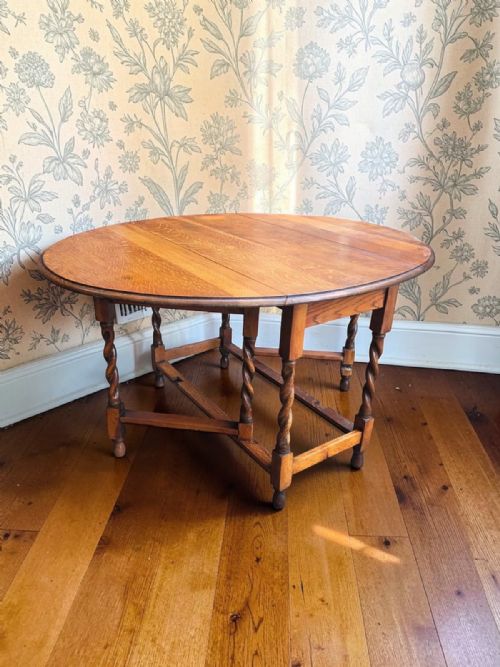
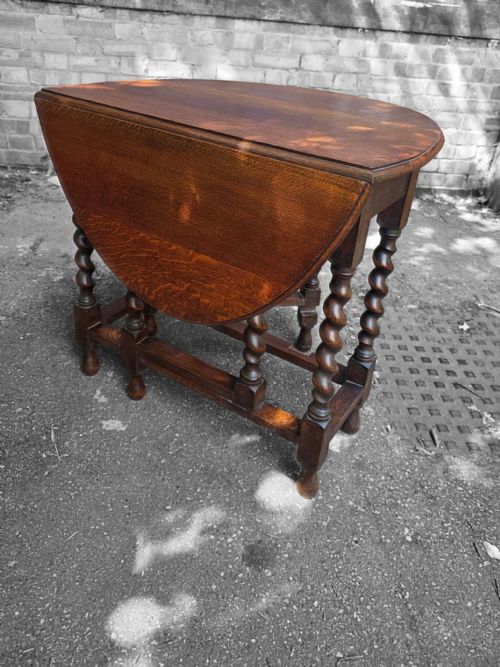
Turned baluster legs, barley twist supports, and bobbin legs provide structural stability while allowing the drop leaves or folding frames to operate smoothly.
Several tables were built for military campaigns, allowing officers to fold up their desks and dine properly while on the move.
Assessing Quality
Quality rests in the timber selection, the integrity of the joints, and the survival of a deep natural patina accumulated over centuries of use.
Fine examples retain original operational hardware and stable folding mechanisms without excessive replacement parts or structural sagging in the drop leaves.
Heals
The Oak Folding Table Glossary
- Gateleg table
- A table with hinged sections that are supported by swing-out legs when raised. This design allows the surface area to expand or contract according to space requirements.
- Vendange table
- A French folding table traditionally utilised during the grape harvest. These items often feature circular tops that fold flat for easy storage.
- Coaching table
- A portable folding table designed for travel and military or domestic campaigns. They feature cross-folding bases that pack down flat.
- Patina
- The surface sheen and colour developed by aged wood through handling, waxing, and exposure to light over decades or centuries.
- Drop leaf
- A hinged tabletop panel that hangs down at the side when not in use and lifts up to rest on a support gate or bracket.
Oak Folding Table: Frequently Asked Questions
How do I use an oak folding table daily?
These tables adapt easily to smaller rooms by dropping their leaves when floor space is needed. Raise the leaves to host meals or use them as side surfaces.
They move between rooms easily, serving as coffee tables, writing desks, or dining surfaces depending on the specific mechanical design.
How do I date an antique oak folding table?
Examine the construction joints, the turning style of the legs, and the type of fixings used in the folding mechanism. Seventeenth and eighteenth-century pieces often display hand-cut joinery and pegged frames.
Later Edwardian and twentieth-century versions utilise more standardised hinges and machine-turned components, while retaining traditional solid oak timber.
Where should I place a gateleg folding table?
Place a gateleg table against a wall with both leaves dropped to function as a narrow console or side table. Pull it into the centre of the room and raise the flaps when you require a full dining surface.
Ensure the folding gate legs have adequate clearance on the floor to swing freely without catching on thick carpets.
What maintenance does solid oak require?
Protect the timber surface by wiping up moisture promptly and avoiding direct placement near extreme heat sources. Apply natural beeswax periodically to nourish the wood and maintain the finish.
Check the hinges and folding brackets occasionally to ensure the screws remain secure and the moving parts operate smoothly.