



Oak Entry Chairs
These oak entry chairs are sturdy wooden seats designed for halls and corridors, offering both practical utility and period character for your home.
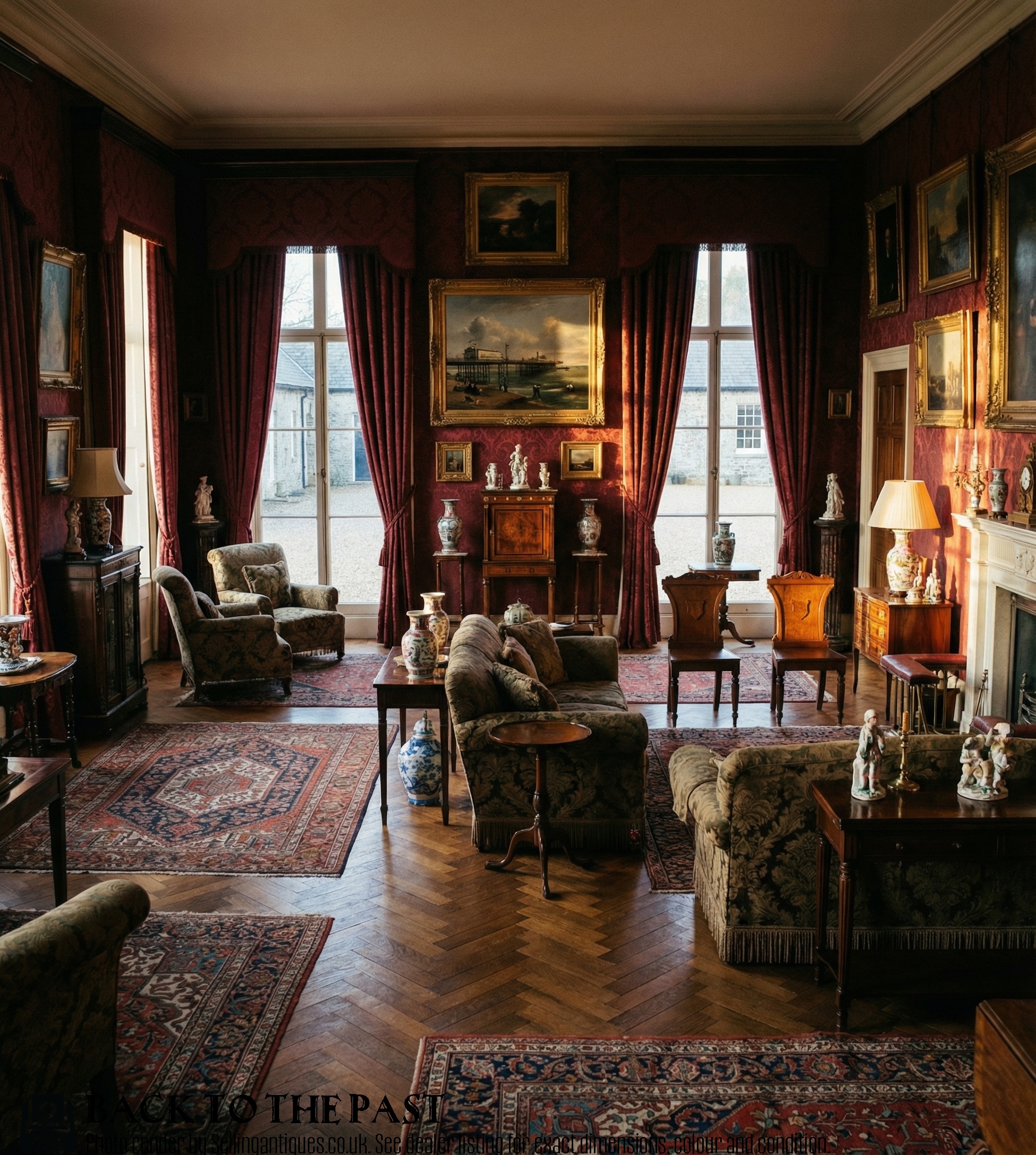
Oak Entry Chairs
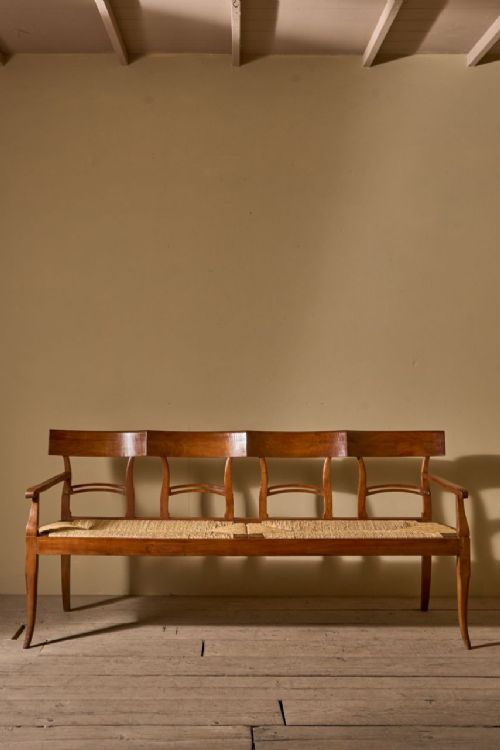
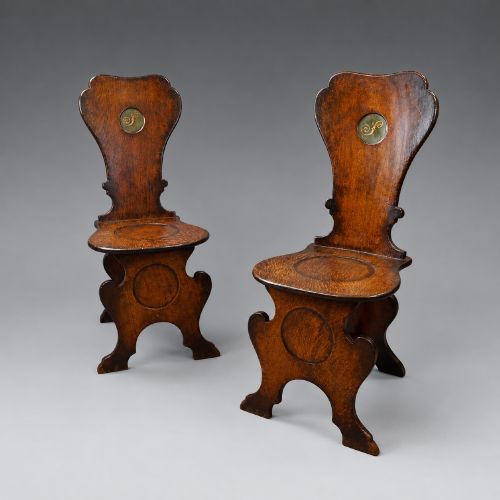
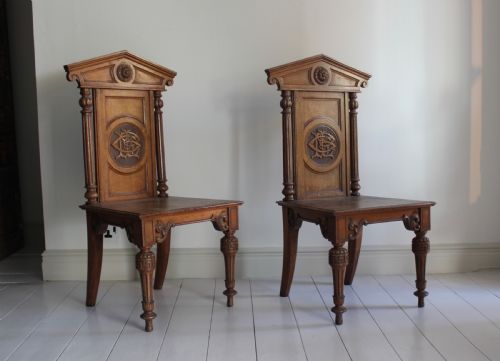
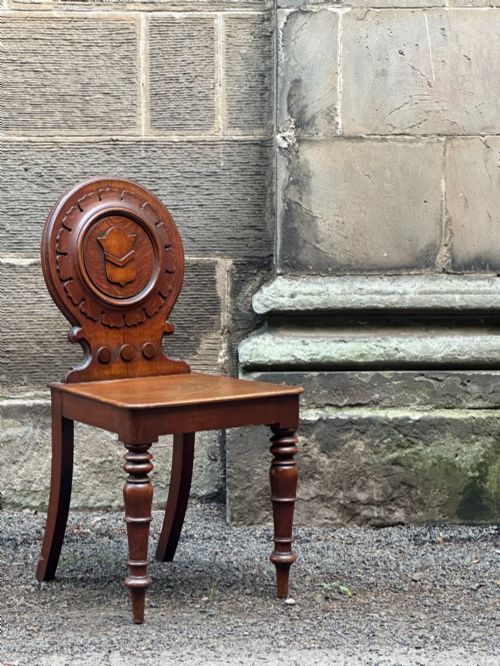
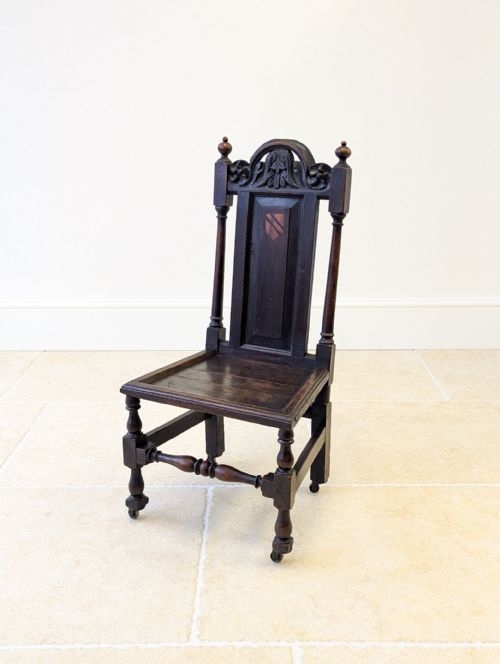
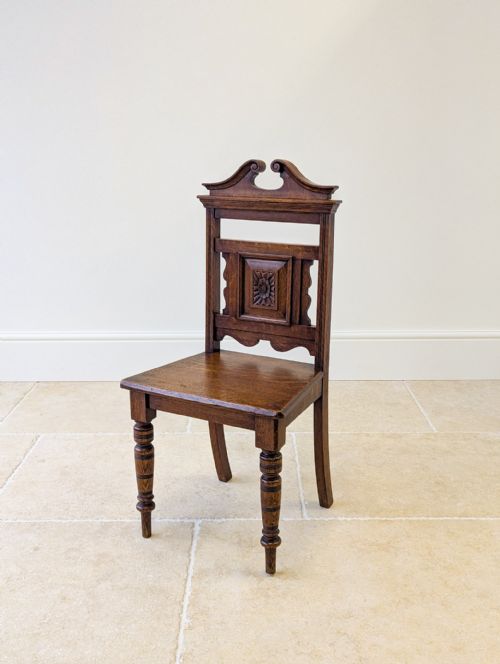
These oak entry chairs encompass hall chairs, benches, and monks benches designed to furnish transitional spaces and corridors. You will frequently encounter Victorian and nineteenth-century examples alongside earlier Georgian and Regency pieces.
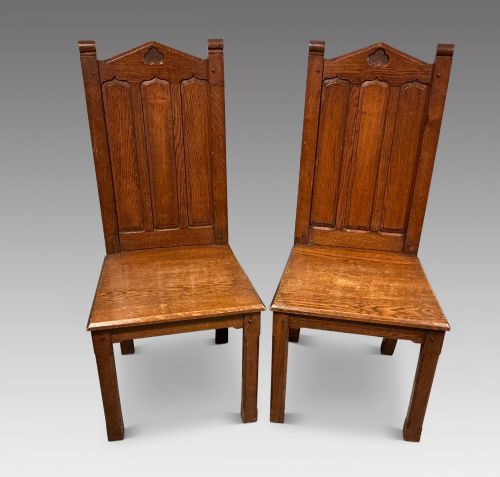
The selection ranges from simple solid timber seats to heavily carved revival styles, including Gothic and Jacobean influences. Many survive in pairs or larger sets, intended originally for the reception areas of substantial homes.
How they were made
Carpenters constructed these seats primarily from solid oak and occasionally cherrywood, utilising traditional joinery and sturdy framing techniques to withstand heavy corridor use. Surface decoration often relied on deep hand carving, panel detailing, and occasionally painted finishes.
Individual pieces incorporate subsidiary materials such as brass fittings, ceramic tile inserts, woven rush seats, or fabric and leather upholstery. These contrasting elements highlight the structural timber while providing texture and visual variety.
The listings span multiple centuries, ranging from eighteenth-century items to 1930s Art Deco pieces, utilising materials like brass, ceramic, rush, and timber.
What varies in quality
The standard of carving and timber selection dictates much of the distinction between ordinary and exceptional examples. Crisp, deeply undercut relief work on solid oak boards demonstrates superior workshop skill compared to shallow or mechanical milling.
Proportion and structural integrity also separate pieces within the range, as well as the presence of integrated decorative elements like Minton ceramic tiles or Gillows attribution. Well-balanced forms with intact original timber surfaces command greater appreciation.
Gillows of Lancaster
The Oak Entry Chairs Glossary
- Monks bench
- A versatile convertible seat featuring a hinged back that folds down to form a small table or desk. These multi-purpose items were popular in various revival periods.
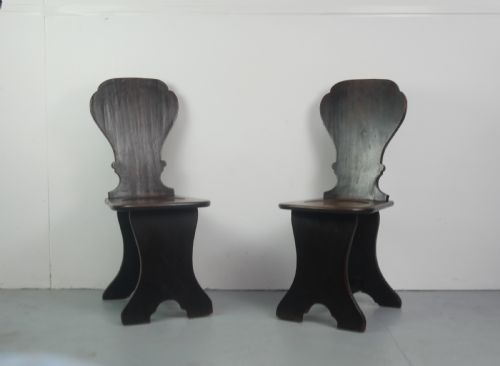
- Sgabello
- A distinctive Italian Renaissance chair form characterised by a solid wooden back and shaped slab supports instead of conventional legs. These ornamental seats appear in nineteenth-century revival interpretations.
- Shield back
- A chair back design shaped like a heraldic shield, frequently embellished with carved crests or foliage during the Georgian and Victorian eras. This silhouette provides a formal outline for reception seating.
- Jacobean Revival
- A nineteenth-century decorative movement that reinterprets seventeenth-century English motifs, including geometric strapwork and bold turned spindle work. Furniture in this style exhibits heavy, dark-finished timber.
- Minton tiles
- Glazed ceramic inserts produced by a renowned English manufacturer and sometimes incorporated into nineteenth-century hall furniture. They introduce vibrant colour and pattern to wooden frameworks.
Oak Entry Chairs: Frequently Asked Questions
What are oak entry chairs?
These pieces are sturdy wooden seats designed primarily for hallways, vestibules, and entrance spaces where guests were received.
They encompass upright hall chairs, benches, and convertible monks benches spanning several centuries of British and European design.
How were they used historically?
Owners placed these seats in entrance halls for visitors to use while waiting or removing outdoor garments.
Their upright postures and rigid wooden construction discouraged lingering, serving a largely functional and decorative role in grand foyers.
How do you live with them?
These compact wooden seats fit neatly against hallway walls without obstructing narrow thoroughfares or walkways.
They provide a convenient spot for putting on shoes while introducing rich timber tones and historical character to modern interiors.
How do you tell periods apart?
Stylistic clues such as Gothic tracery, Jacobean strapwork, or Regency proportions help date individual pieces alongside material evidence.
Victorian examples frequently display exuberant carving and applied tiles, whereas earlier Georgian items tend towards simpler, classical lines.