


Oak Dining Table with Drawers
An oak dining table with drawers offers a sturdy surface for meals alongside hidden storage for cutlery and linen.
Oak Dining Table with Drawers
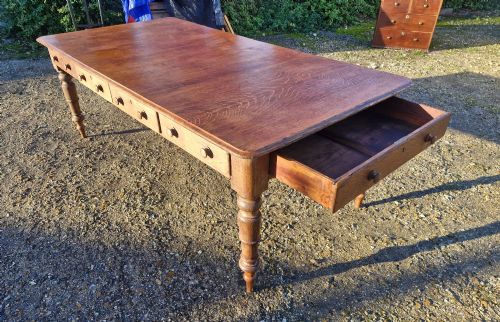
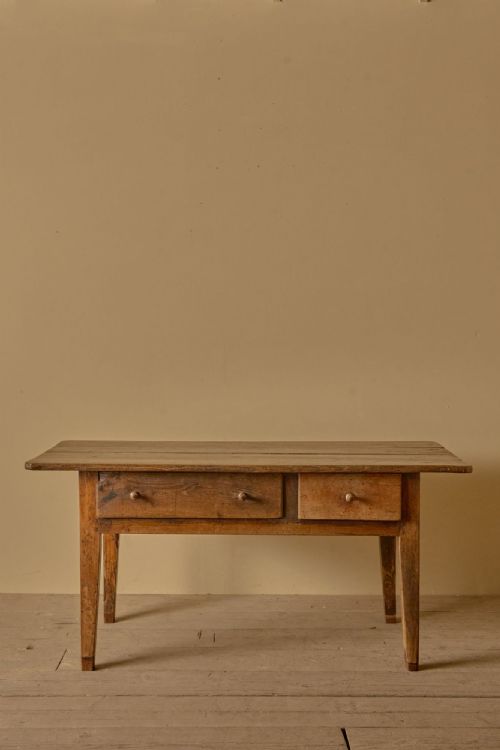
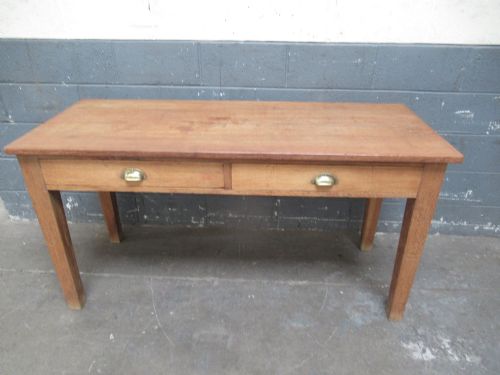
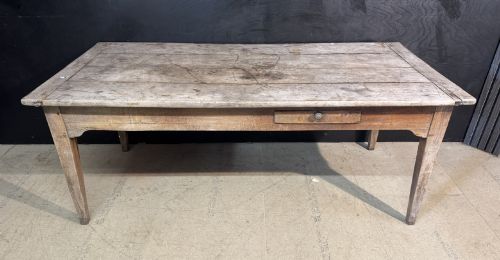
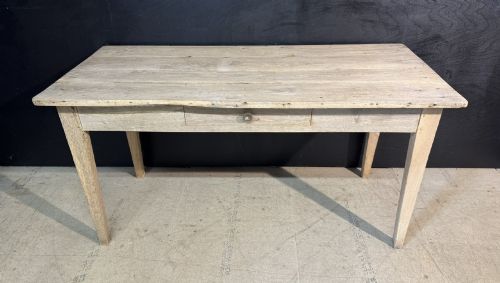
An oak dining table with drawers brings together a robust dining surface and integrated storage, appearing in provincial and farmhouse styles across the nineteenth century and early twentieth century. These pieces serve daily family life by keeping dining implements close at hand within built-in side or end drawers.
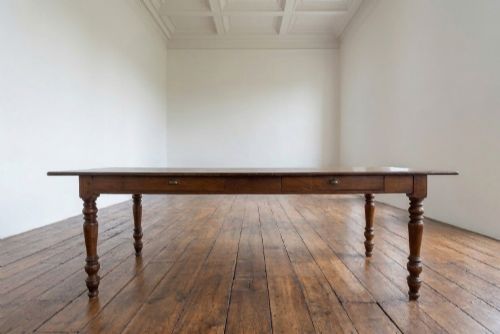
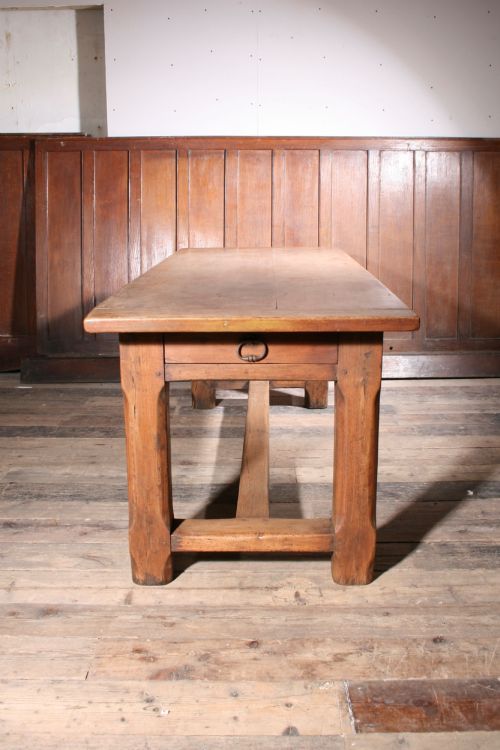
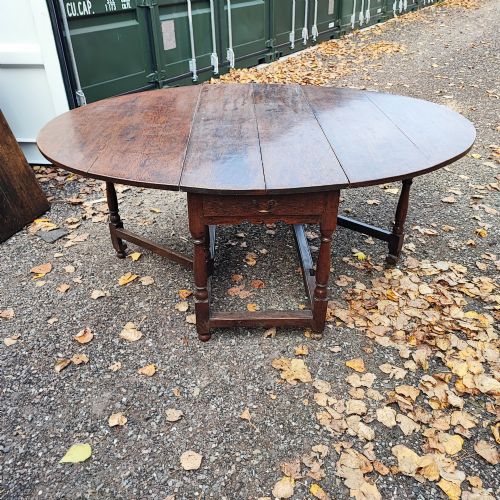
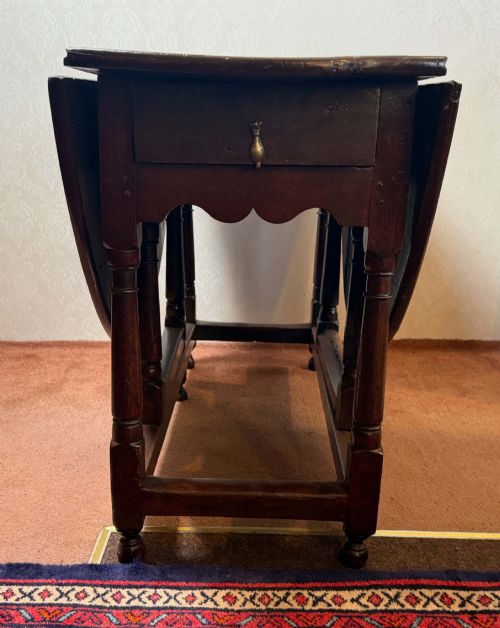
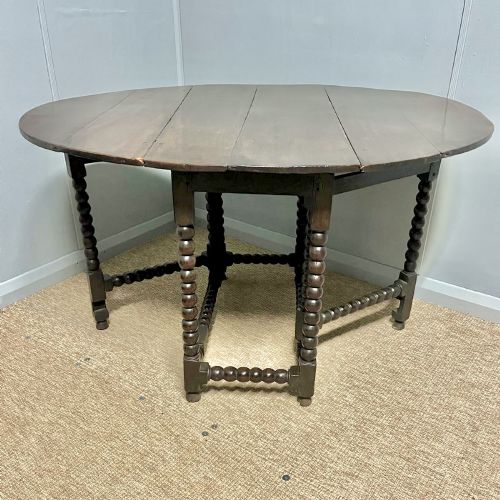
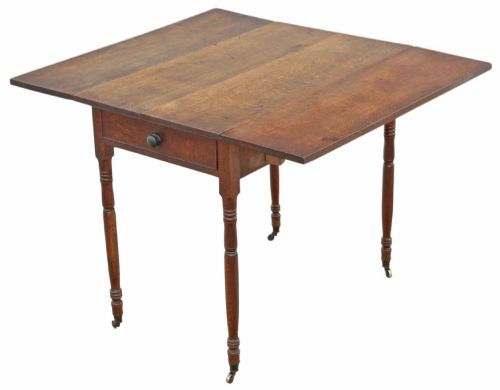
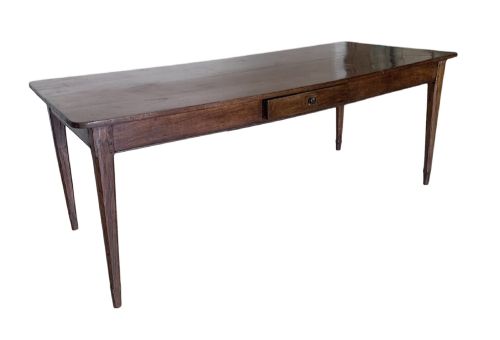
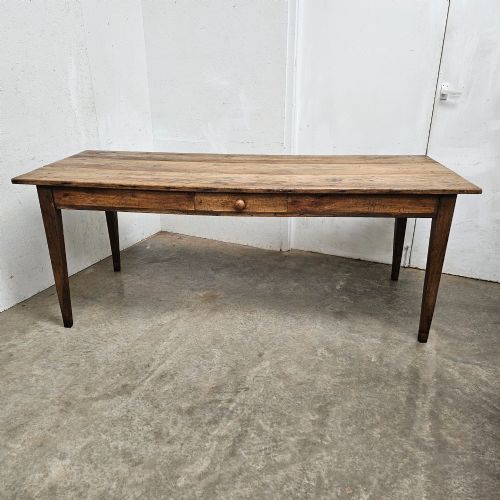
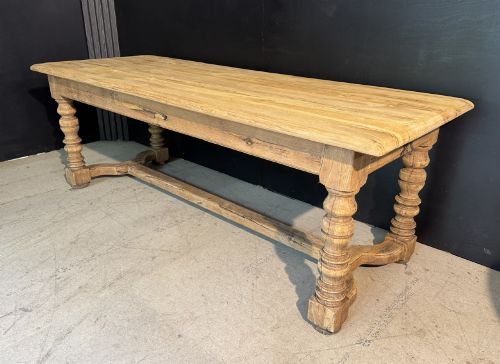
The versions most commonly met on this page originate from French provincial workshops or English country houses, often taking the form of a farmhouse table with one or more drawers integrated into the apron. Buyers also encounter refectory and dropleaf formats that incorporate functional storage compartments beneath the main plank top.
Materials and construction methods
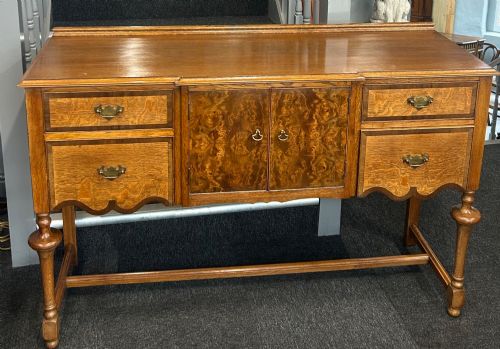
Joiners built these tables primarily from solid oak, sometimes combining secondary woods such as pine or fruitwood for drawer linings and internal framing. Hardware components like brass or iron handles appeared on the drawer fronts, while occasional pieces integrated burr walnut veneers or velvet linings.
Craftsmen utilised traditional jointing methods to secure the heavy timber tops to sturdy legs and aprons, cutting smooth tracks for the integrated drawers to slide open. Hand-planed planks formed the top surface, designed to withstand daily kitchen and dining use over generations.
Oak Dining Table with Drawers Retail Price Guide 2026
Typical asking prices for oak dining table with drawers among the pieces listed under this phrase on Sellingantiques today, from the lower quarter to the upper quarter. They describe what is for sale here now, not the wider market.
Distinguishing quality across examples
The standard of timber selection and drawer construction largely determines the distinction between ordinary and superior examples of an oak dining table with drawers. Finer pieces display carefully matched grain patterns across the plank top and smooth, unwarped drawer movement supported by solid secondary timbers.
Proportion and execution of carved details, such as those found on revival or provincial pieces, dictate the refinement of the finished item. Robust framing that minimises wobble and maintains tight joints under daily weight separates well-made dining furniture from lesser builds.
The Oak Dining Table with Drawers Glossary
- Apron
- The structural timber framework running beneath the perimeter of the tabletop that often houses the built-in drawers.
- Plank top
- A table surface constructed from individual boards joined edge to edge, typical of traditional farmhouse and refectory forms.
- Refectory table
- A long, narrow dining table traditionally built with heavy timber legs and a central stretcher for enhanced stability.
- Dropleaf table
- A table featuring a fixed central section with hinged flaps on either side that fold down to save space when not in use.
Oak Dining Table with Drawers: Frequently Asked Questions
What are the drawers typically used for?
These drawers historically held daily dining utensils, table linens, and small kitchen tools close to where meals were served.
Today, owners continue to utilise them for storing cutlery, placemats, and napkins to keep the tabletop clear.
Are these tables suitable for everyday family use?
Solid timber construction and durable finishes make these pieces well-equipped to handle daily meals and heavy household activity.
Routine maintenance involves simple wiping and occasional waxing to protect the natural grain from moisture and wear.
How do French and English styles differ?
French provincial and farmhouse examples often feature lighter fruitwood or pine secondary elements alongside warm oak, accompanied by bread slides or multiple drawers.
English country and refectory versions tend to rely on heavier timbers and more austere lines reflecting regional vernacular traditions.
How can I identify the period of a table?
Examination of tool marks, joint construction, and timber patination helps determine whether a piece originates from the nineteenth century or an early twentieth century revival.
Hardware styles and secondary wood types also provide clear clues regarding the decade of manufacture.