




Oak Delft Rack Dresser
An oak delft rack dresser brings the honest warmth of centuries past into a room, combining sturdy storage with open display for ceramics.
Oak Delft Rack Dresser
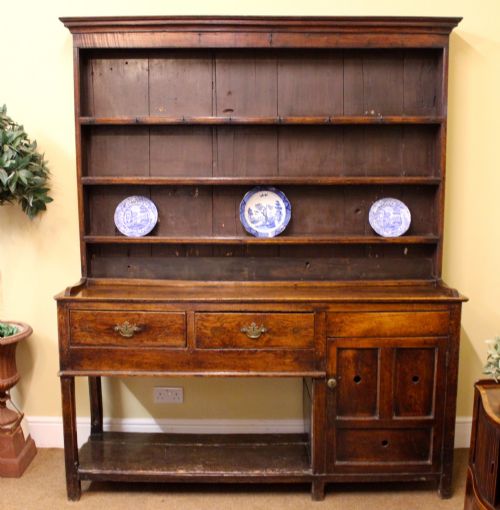
An oak delft rack dresser combines a lower base unit with an upper tiered shelving structure designed specifically to showcase ceramic plates and platters. When you search for an oak delft rack dresser, you encounter pieces originating from the seventeenth, eighteenth, and nineteenth centuries alongside later Georgian style interpretations.
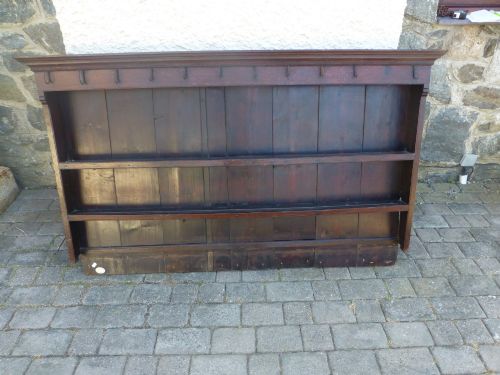
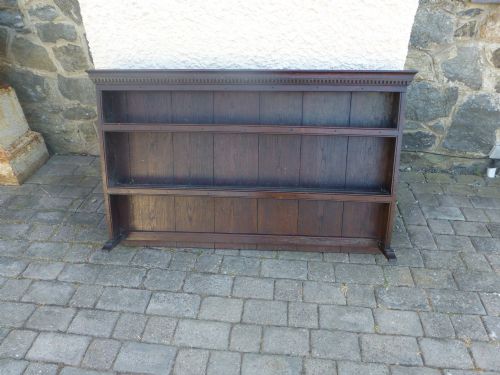
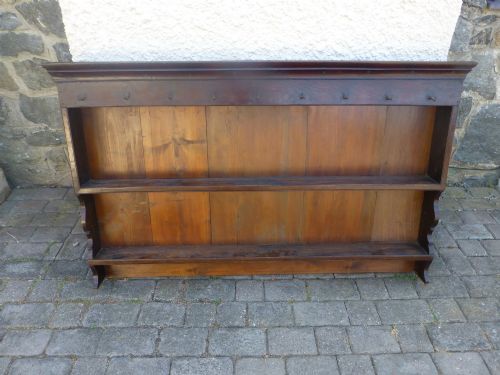
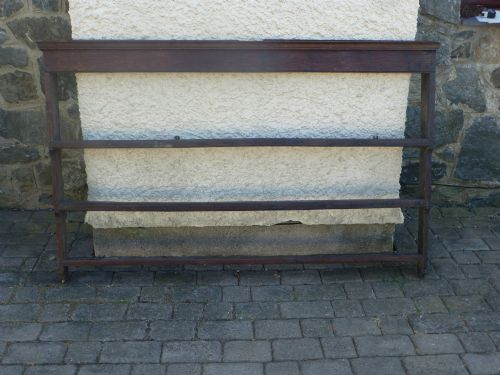
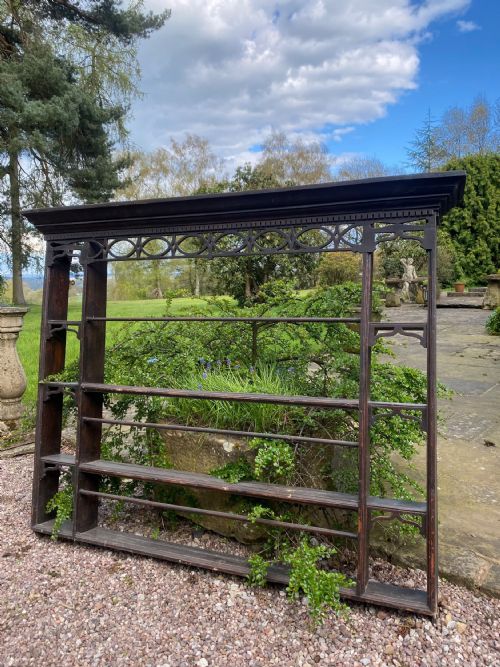
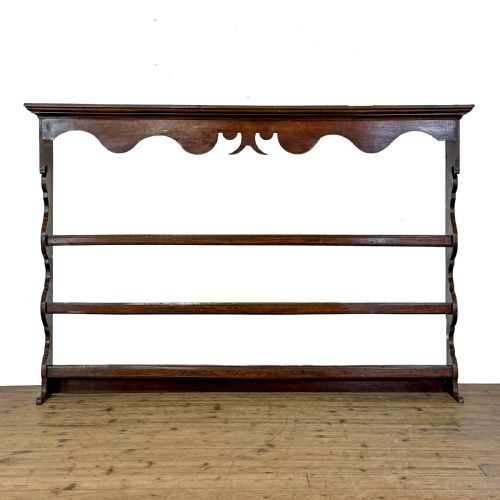
The material foundation rests primarily on solid timber, with examples frequently pairing sturdy oak structures with secondary woods like pine in their construction. Forms range from wall-mounted plate racks and hanging shelves to complete floor-standing dressers topped with open display tiers.
Makers of these traditional furnishings worked within established regional styles including English country, Gothic Revival, and provincial George III designs. Surviving examples demonstrate the enduring utility of domestic furniture built to house household tableware in daily use.
Materials and construction methods
Cabinet makers utilised native timbers, principally building the visible facades and structural elements from sturdy oak while occasionally incorporating pine for secondary parts. Metal components such as brass or iron appear in functional fixings, hinges, and hanging brackets.
Construction relied on traditional joinery techniques suited to heavy domestic timber, creating durable frameworks capable of supporting weighty ceramic plates over generations. Decorative elaboration manifests in carved details and classical elements like Corinthian columns on specific eighteenth century variants.
Oak Delft Rack Dresser Retail Price Guide 2026
Typical asking prices for oak delft rack dresser among the pieces listed under this phrase on Sellingantiques today, from the lower quarter to the upper quarter. They describe what is for sale here now, not the wider market.
The listings span from the seventeenth century through to nineteenth-century interpretations, constructed primarily in oak, pine, and stained oak with brass and iron hardware.
Distinguishing quality and character
Quality reveals itself in the selection of timber and the articulation of traditional joinery, where finely figured grain and well-proportioned mouldings elevate a piece. The integration between the upper rack and the lower base, or the crispness of carved ornamental details, distinguishes master craftsmanship from simpler provincial work.
Surface patination accumulated through centuries of domestic use plays a major role in the desirability of these pieces, showing deep colour and honest wear. Original brass or iron hardware and intact structural timber without extensive replacement parts maintain the historical integrity of the furniture.
The Oak Delft Rack Dresser Glossary
- Delft rack
- An open wooden shelving unit mounted to a wall or set atop a base, featuring grooved plate rails to hold ceramic plates upright.
- George III
- A British stylistic period spanning the second half of the eighteenth century, characterised by refined proportions and classical revival motifs.
- Provincial oak
- Furniture produced in regional workshops outside major metropolitan centres, typically displaying robust construction and straightforward local character.
- Corinthian columns
- Classical architectural pillars featuring ornate acanthus leaf capitals, sometimes incorporated into the uprights of finer eighteenth century dressers.
- Patina
- The deep surface sheen and mellowed tone developed by timber over long periods through handling, polishing, and natural oxidation.
Oak Delft Rack Dresser: Frequently Asked Questions
What is an oak delft rack dresser?
An oak delft rack dresser is a traditional piece of furniture featuring a timber base combined with an open upper tier of shelving. These units were built to store household items while safely displaying ceramic plates upright on grooved rails.
They serve as focal points in kitchens and dining spaces, offering both practical storage and a decorative platform for ceramics.
How do I date an oak dresser?
Dating relies on examining the construction methods, timber selection, joinery techniques, and overall stylistic details present in the piece. Eighteenth century examples often show hand-planed surfaces and traditional peg joinery distinct from nineteenth century or later revival work.
Hardware styles and secondary woods like pine also provide helpful clues regarding the decade of manufacture.
Where should I place a wall rack?
Wall-mounted racks require sturdy fixings directly into wall studs or masonry to support the considerable weight of timber and ceramics. They function best securely fastened above a sideboard, dining table, or within a country-style kitchen.
Ensure the mounting height allows comfortable access to the upper shelves while providing adequate clearance below.
How do I clean antique oak?
Maintenance requires gentle dusting with a soft, dry cloth to prevent dirt accumulation without disturbing the historic surface finish. Avoid modern silicone sprays or harsh chemical cleaners that can permanently damage the aged patina of the wood.
Occasional application of traditional beeswax helps nourish the timber and maintain a soft, protective sheen.