




Georgian Country Kitchen Furniture
Georgian country kitchen furniture brings sturdy oak, elm, and pine tables, dressers, and cupboards straight from provincial farmhouses into daily domestic life.
Georgian Country Kitchen Furniture
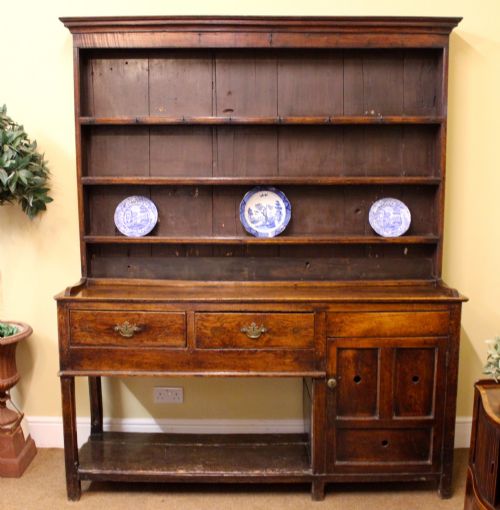
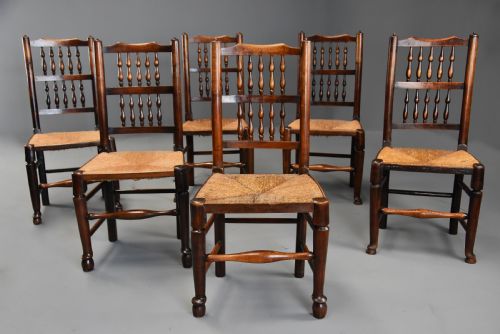
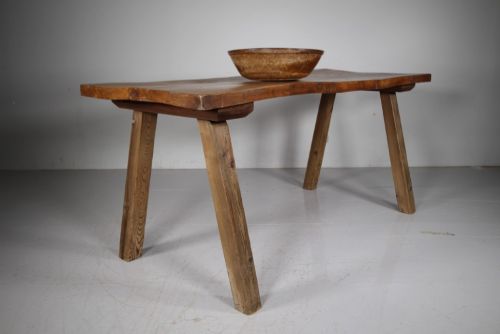
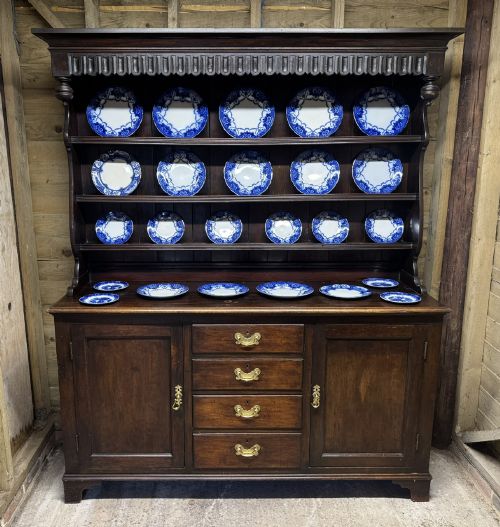
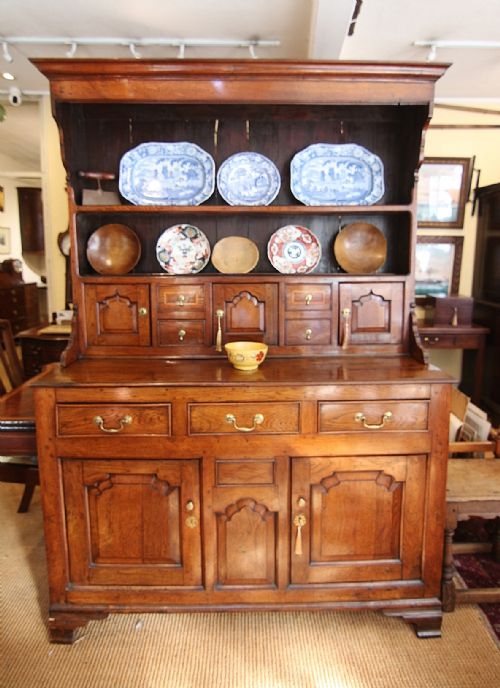
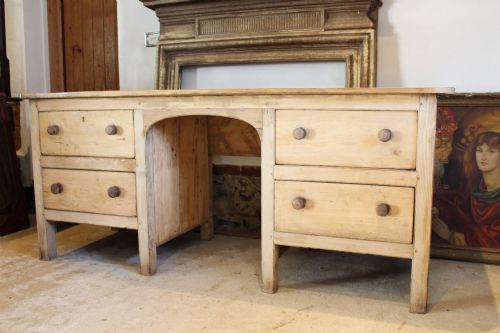
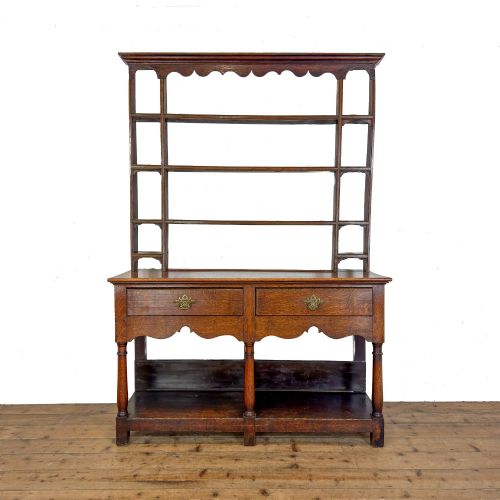
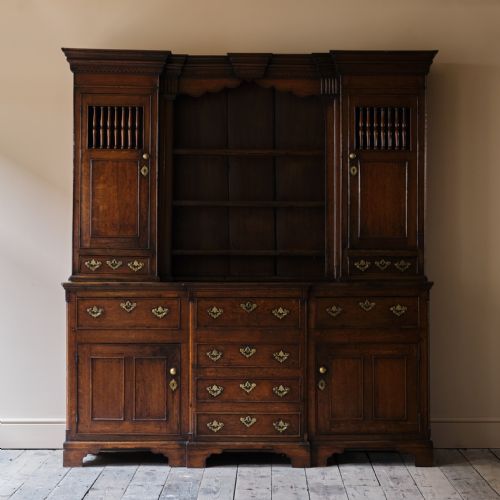
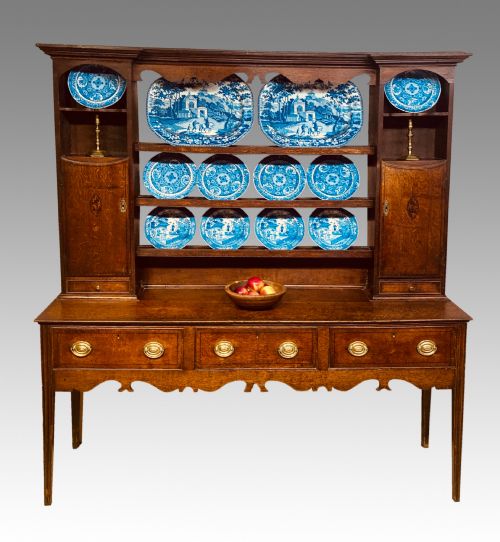
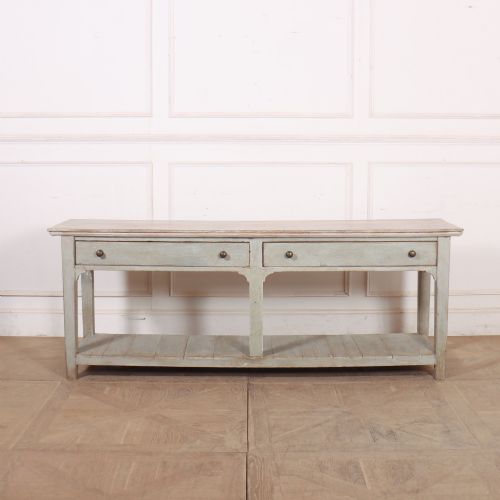
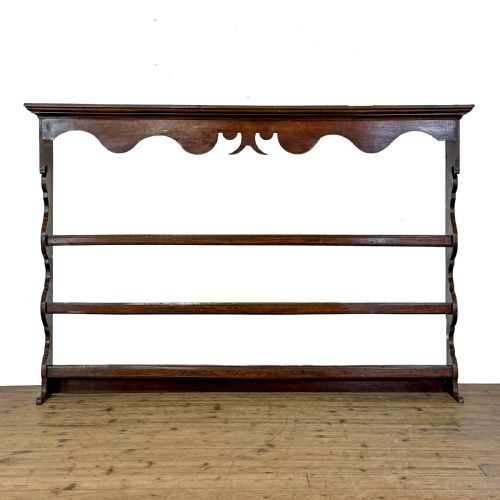
Georgian country kitchen furniture encompasses robust utility pieces designed for daily domestic service in provincial homes, cottages, and farmhouses. Buyers exploring this category encounter functional items intended for food preparation, storage, and dining rather than formal display. The most common forms appearing here are kitchen dressers with open plate racks, potboard bases, farmhouse dining tables, and spindle back chairs.
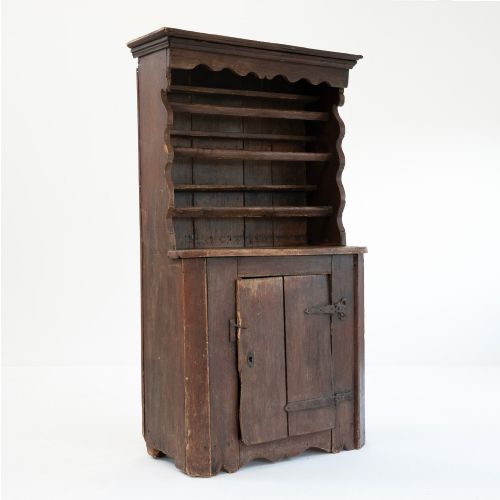
These items originate primarily from the eighteenth and nineteenth centuries, carrying regional characteristics from Wales, England, Ireland, and Scotland. Dressers range from large potboard designs with inlaid detail to small cottage cupboards, often paired with matching wall shelves or spoon racks. Dining tables and chairs utilise sturdy native timbers, reflecting the practical needs of rural domestic spaces.
What varies in quality
The character of the timber surface heavily influences desirability, particularly where patination has developed naturally through decades of domestic cleaning and handling. Pieces that maintain their original hardware, uncompromised potboards, and untouched finishes stand apart from those stripped down or heavily refinished by later hands. Regional vernacular idiosyncrasies distinguish standard workshop production from exceptional local craftsmanship.
Georgian Country Kitchen Furniture Retail Price Guide 2026
Typical asking prices for georgian country kitchen furniture among the pieces listed under this phrase on Sellingantiques today, from the lower quarter to the upper quarter. They describe what is for sale here now, not the wider market.
Bread and cheese cupboards kept rations ventilated and safe from mice, doubling as casual dining seats when kitchens grew crowded.
The Georgian Country Kitchen Furniture Glossary
- Potboard dresser
- A dresser base featuring a low open shelf near the floor, traditionally used for storing heavy pots and pans. This lower tier sits directly above the floor on extended stiles or feet.
- Plate rack
- An open wooden shelving unit fixed to the wall or mounted atop a dresser base, designed to hold plates vertically. These racks often include integrated hooks for hanging spoons or cups.
- Spindle back
- A chair design featuring thin turned wooden uprights fitted into the seat and top rail. This construction method offers lightweight strength, commonly utilising ash and elm.
- Vernacular furniture
- Domestic items built by local craftsmen using regional traditions and native materials rather than following fashionable metropolitan styles. These pieces prioritise utility and local resourcefulness.
- Housekeeper's cupboard
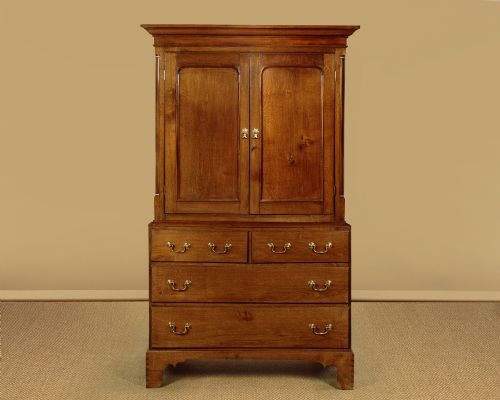
- A large storage cabinet featuring multiple panelled doors and internal shelving or drawers, historically used for linen and provisions. These substantial pieces anchor large country kitchens and estate rooms.
Georgian Country Kitchen Furniture: Frequently Asked Questions
What is a potboard dresser?
A potboard dresser is a kitchen storage base featuring an open lower shelf positioned close to the floor. This board provided practical storage for heavy cooking vessels in busy rural homes.
Over time, these low shelves accumulated characteristic wear from daily kitchen activity. They remain a defining feature of eighteenth and nineteenth century vernacular furniture.
How do I care for country oak?
Country oak requires minimal intervention, benefiting mainly from occasional application of natural beeswax to nourish the dry timber. Avoid placing these pieces near direct heat sources or in extreme humidity.
Allowing the wood to breathe preserves the historical surface patination. Gentle dusting with a soft cloth maintains the natural finish without stripping character.
Where were these pieces made?
These items were produced in provincial workshops across Wales, England, Ireland, and Scotland by local carpenters and joiners. Each region developed distinct structural habits and design preferences.
Welsh and West Country makers frequently utilised native oak and elm to construct sturdy dressers and dining tables. Local materials dictated the final appearance of every provincial piece.
How do I spot a marriage?
A marriage occurs when an upper rack and a lower dresser base from different origins or periods are joined together. Examining the timber grain, colour, and fixing points helps reveal whether the elements belong together.
Matching wear patterns and identical wood species suggest an original pairing. Discrepancies in depth or fastening methods often indicate assembled components.