
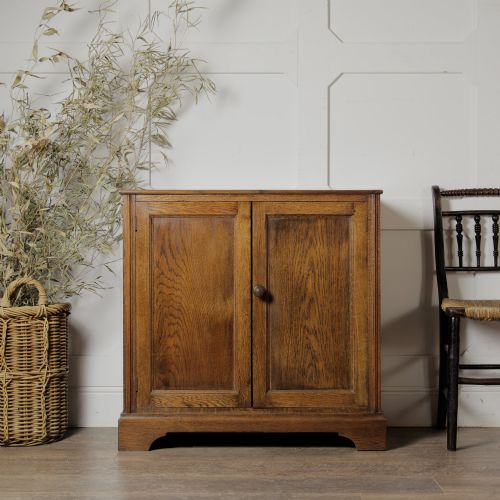
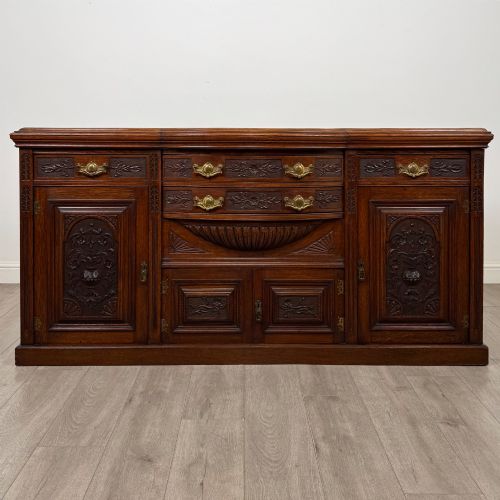
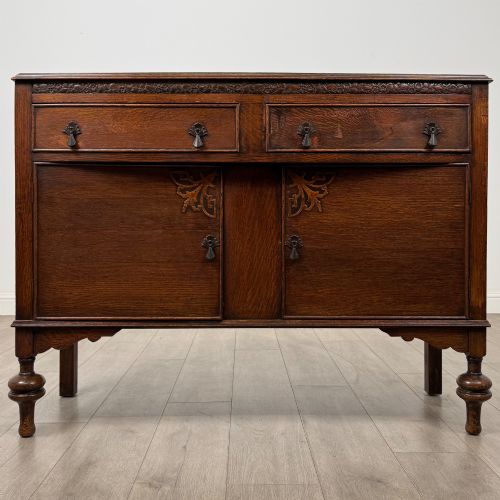
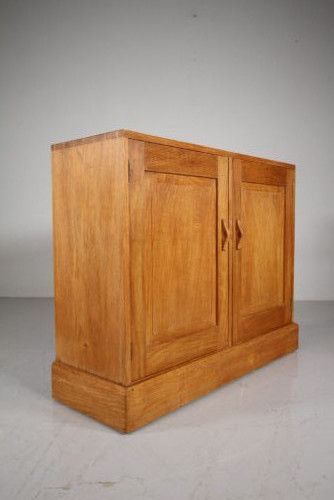
Oak Credenza Storage
Oak credenza storage units provide sturdy domestic utility, combining substantial timber frames with practical internal compartments for everyday organisation.
Oak Credenza Storage
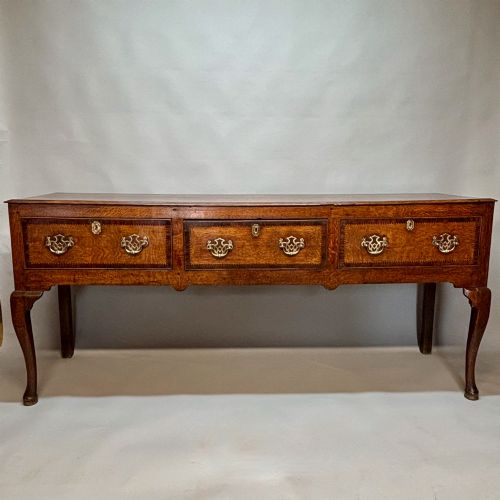
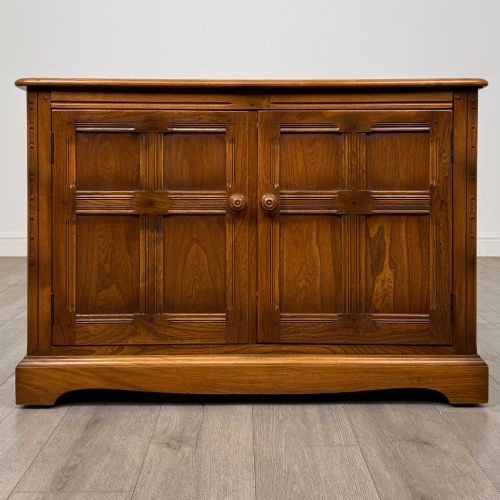
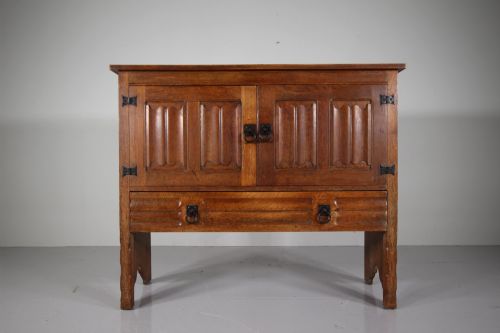
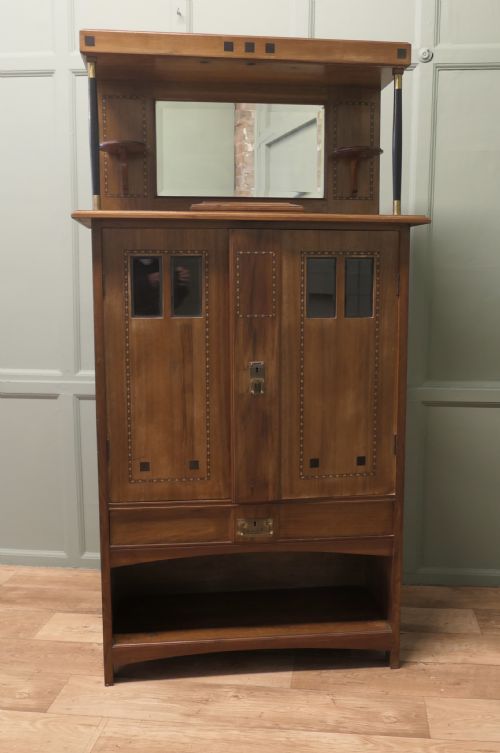
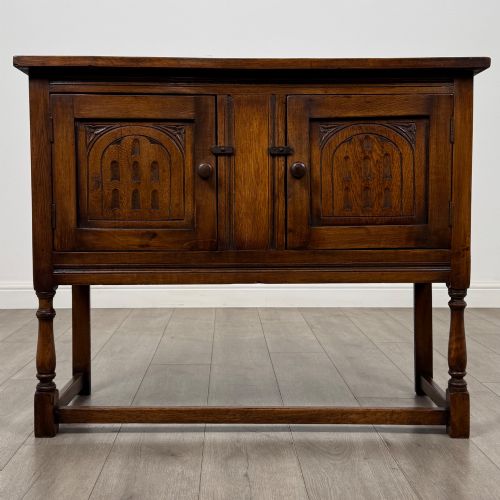
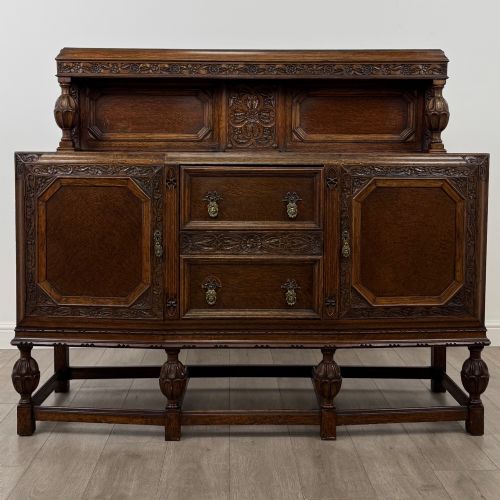
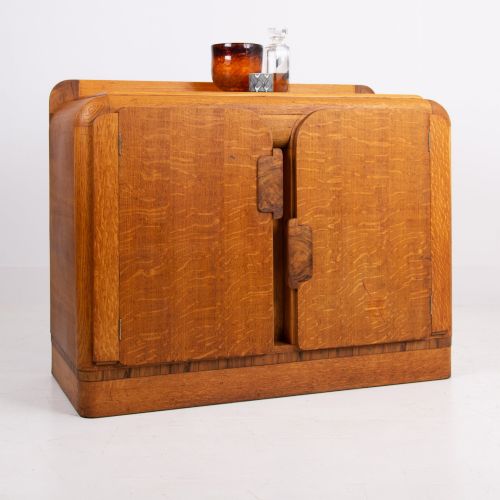
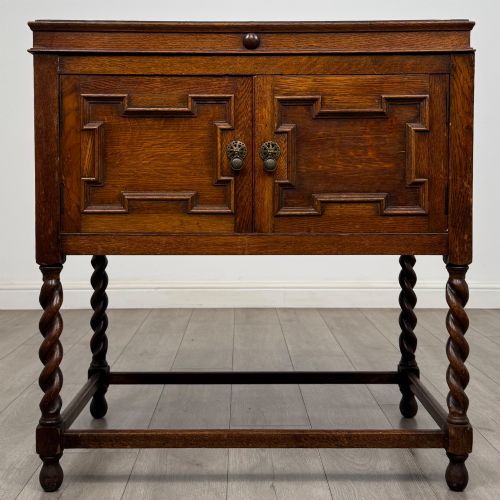
When searching for oak credenza storage, buyers encounter a diverse group of heavy timber furniture including sideboards, dresser bases, cupboards and cabinets. These forms appear across numerous periods from the eighteenth century through the Edwardian era and into the 1930s, reflecting changing domestic storage needs.
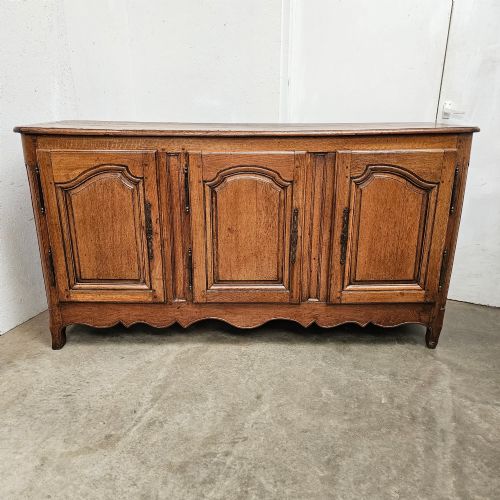
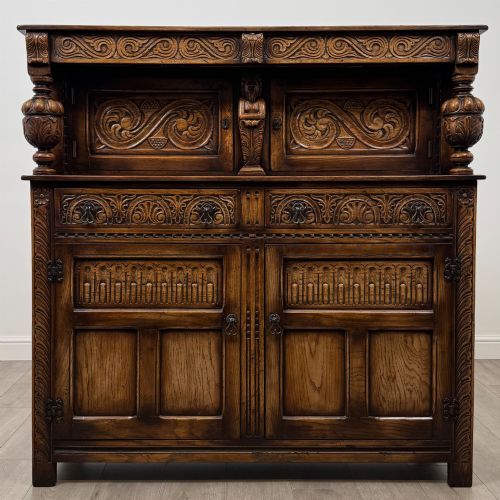
The pieces on this page span styles such as Georgian, Gothic Revival, Jacobean Revival and French Provincial. Solid oak and golden oak predominate as the primary timber choices, occasionally accented with walnut, fruitwood, brass and iron hardware.
Buyers are most likely to meet Edwardian and twentieth-century interpretations alongside earlier nineteenth-century dresser bases and enfilades. Each variant provides functional storage through enclosed cupboards, drawers and low cabinet configurations.
Judging quality in oak storage
Quality separates through the selection of timber grain, the crispness of hand-carved detailing and the structural integrity of the joints. Finer examples display carefully chosen golden oak or figured panels with harmonious proportions.
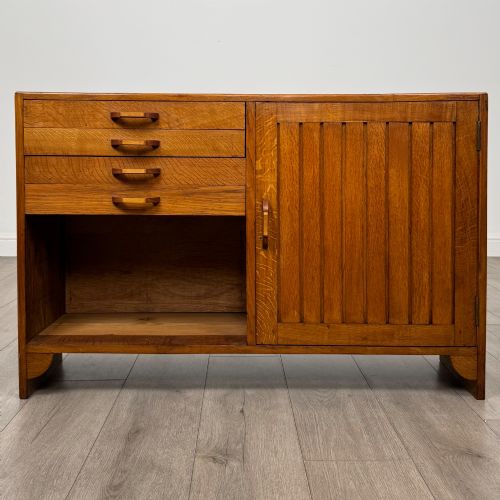
Lesser pieces rely on simpler construction methods and plain timber surfaces without the depth of carving or refined hardware seen in pieces from workshops associated with the Cotswold School or Gomme.
Listings feature oak storage pieces spanning the 17th, 18th, 19th and 20th centuries, alongside walnut and fruitwood examples.
Gomme·Heals of London·Charles Dudouyt
The Oak Credenza Storage Glossary
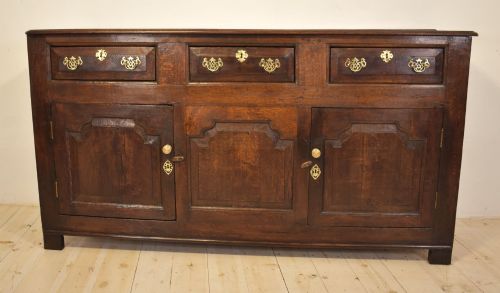
- Dresser base
- A low wooden storage unit featuring drawers and cupboards beneath a flat top surface, historically used for serving food and storing tableware.
- Enfilade
- A long sideboard or cabinet originating in France, designed with multiple doors providing expansive internal storage.
- Jacobean Revival
- A nineteenth or twentieth-century revival style emulating seventeenth-century English furniture, characterised by heavy mouldings and geometric panel styling.
- Linenfold
- A style of wood carving resembling folded parchment or linen, frequently seen on Tudor and revival cabinet doors.
- Court cupboard
- An antique enclosed storage cabinet featuring a recessed upper stage supported by pillars.
Oak Credenza Storage: Frequently Asked Questions
What is an oak dresser base?
An oak dresser base is a heavy low cupboard equipped with drawers and lower storage compartments. It originally served kitchens and dining rooms for food preparation and storage.
Over time, these pieces transitioned into principal living spaces and hallways to provide substantial enclosed storage for household items.
How do I date an oak sideboard?
Dating relies on examining the timber grain, hardware, joinery techniques and stylistic clues such as Gothic Revival or Art Deco influences. Eighteenth-century pieces often show hand-planed surfaces and pegged joints.
Twentieth-century examples, including Edwardian and 1930s pieces, display machine-sawn components and different fastening methods within the internal framing.
Where should I place a credenza?
Oak storage credenzas and low cupboards fit well in dining rooms, living spaces and wide hallways. Their low profiles allow the top surface to display lamps, books or decorative objects.
Ensure the room has adequate floor space for doors and drawers to open fully without obstruction from other furniture.
How do I care for antique oak?
Maintain antique oak furniture by keeping it away from direct heat sources and sudden humidity changes. Regular dusting with a dry, soft cloth preserves the natural finish of the timber.
Apply traditional beeswax occasionally to nourish the wood grain and protect the surface from drying out over time.