



Oak Coal Bucket
An oak coal bucket brings honest warmth and sturdy utility to the hearth, grounding the fireside with enduring natural timber.

Oak Coal Bucket
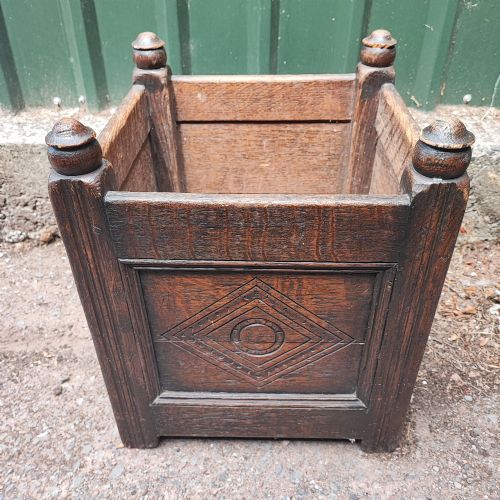
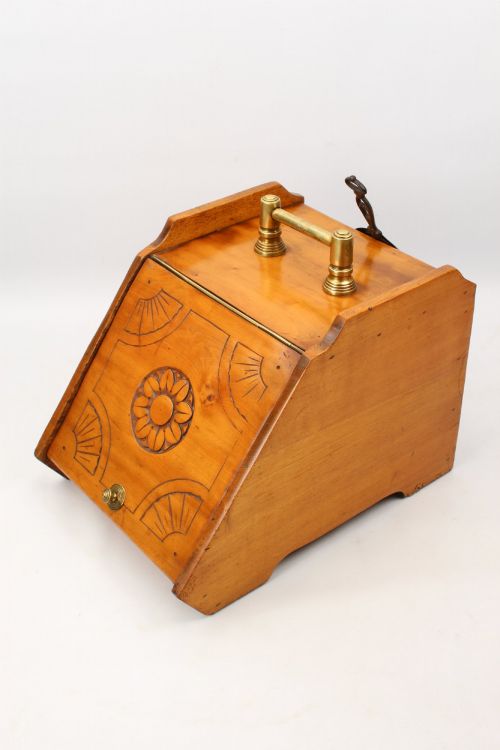
When you search for an oak coal bucket, you look at robust fireside storage pieces designed to hold fuel near the hearth. The forms range from traditional coopered staved vessels to carved drop-front purdoniums and lidded bins.
Victorian and Edwardian iterations appear frequently alongside Georgian examples, showing how domestic heating accessories evolved from simple utility into refined furniture. Many pieces double as log boxes, peat buckets, or fireside stores depending on their original regional use.
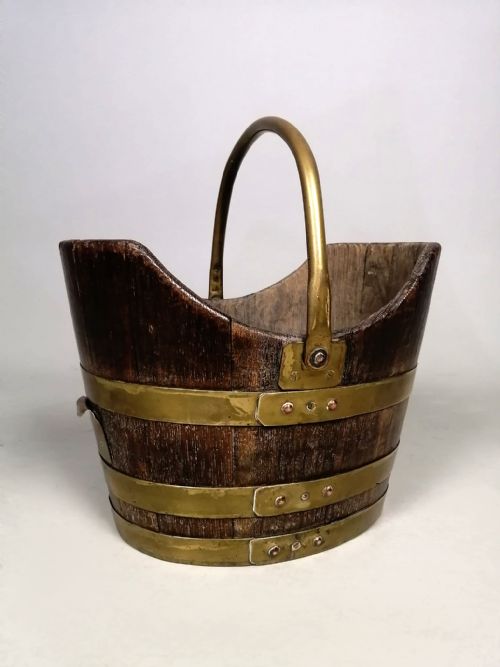
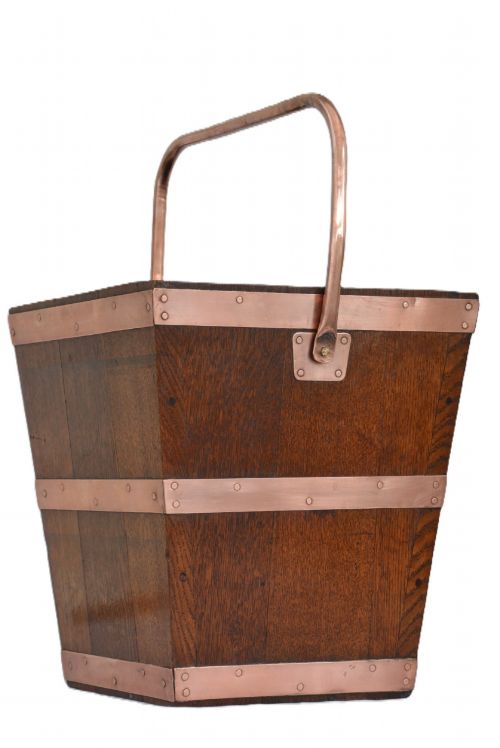
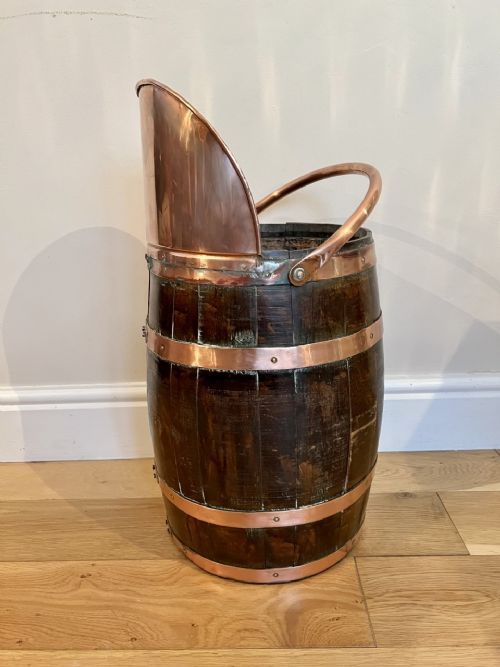
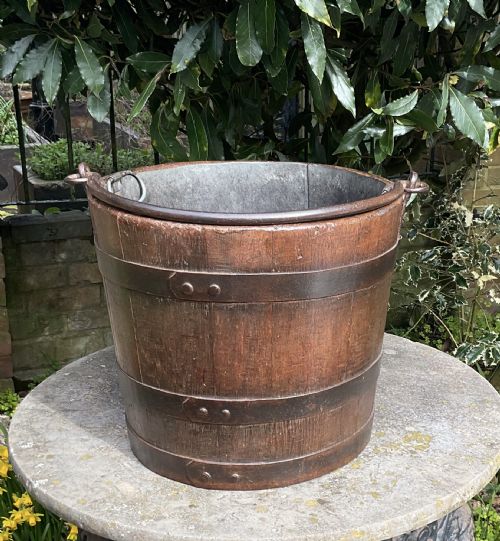
The version most likely to meet you on this page is a coopered vessel bound in brass or copper, reflecting centuries of practical craftsmanship tailored for the British fireplace.
Evaluating craftsmanship and proportion
Quality rests in the integrity of the joinery and the weight of the metal mountings, distinguishing humble utility items from fine parlor furnishings. Tighter stave work and thicker gauge brass or copper bands indicate superior construction designed to endure heavy daily use.
Subtleties in timber selection, such as well-figured grain and hand-carved detailing, elevate certain pieces well beyond basic hearth accessories. The presence of original fitted liners and matching shovels preserves the integrity of the complete fireside set.
Some nineteenth-century naval fire buckets carried armorial crests, proving that even emergency firefighting equipment required proper heraldry.
The Oak Coal Bucket Glossary
- Coopered
- Constructed from curved wooden staves bound together with metal hoops, much like a traditional barrel. This method provides immense strength for holding heavy loads of coal.
- Purdonium
- A specialised fireside coal box featuring a hinged front flap or drop-down door designed for easy shovelling. These Victorian iterations often included built-in compartments for a coal scoop.
- Peat bucket
- A traditional vessel shaped similarly to a coal bucket but traditionally used in Scottish and rural homes for storing dried turf rather than mineral coal.
- Armorial crest
- A heraldic design engraved or painted onto metal mounts, occasionally found on naval or institutional fire buckets to denote ownership.
- Zinc liner
- A protective metal insert placed inside wooden buckets to prevent damp coal from rotting the oak staves.
Oak Coal Bucket: Frequently Asked Questions
What is an oak coal bucket?
An oak coal bucket is a sturdy wooden container specifically designed to hold solid fuel such as coal, logs, or peat beside a fireplace. They combine practical metal and wood construction with decorative domestic utility.
These pieces range from rustic coopered barrels to formal carved Victorian purdoniums intended to keep fuel tidy and accessible in the hearth area.
How do I clean an antique oak bucket?
Clean the oak exterior gently using a soft cloth and microcrystalline wax to nourish the grain without stripping historical patina. Avoid soaking the wood or using harsh chemical cleaners that might loosen the metal bands.
Maintain the interior metal liner by brushing out dry ash and debris rather than washing with water, which can encourage rust on iron and steel components.
Can I use an antique bucket for logs?
Many of these vessels serve equally well as log boxes or fireside stores depending on their internal capacity and construction. Coopered oak models handle dry logs comfortably.
Ensure any metal liner is dry before loading logs to prevent trapped moisture from marking the interior timber.
How do I date an oak coal bucket?
Dating relies on observing construction methods, handle styles, and decorative motifs characteristic of periods like the Georgian era or late Victorian times. Hand-hammered copper bands and particular dovetail or coopered joints often indicate earlier Georgian craftsmanship.
Victorian and Edwardian examples frequently introduce mass-produced brass fittings, machine-cut screws, and heavier carved ornamentation on drop-front panels.